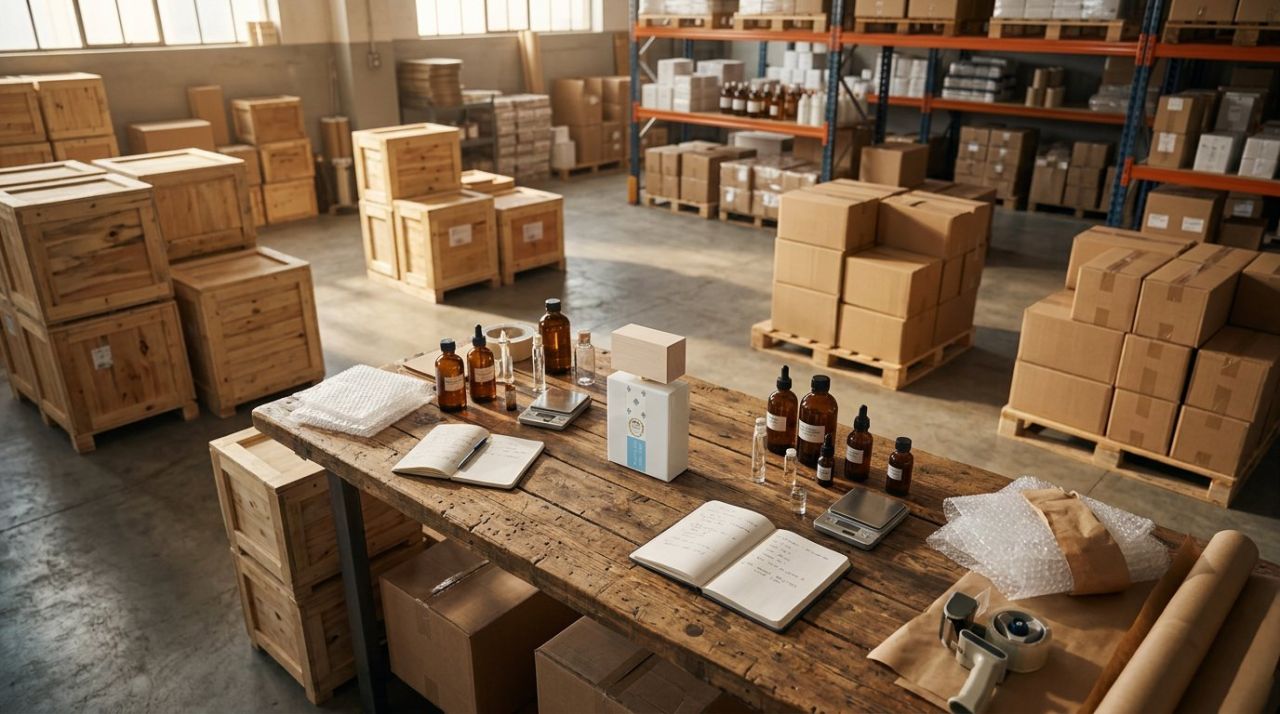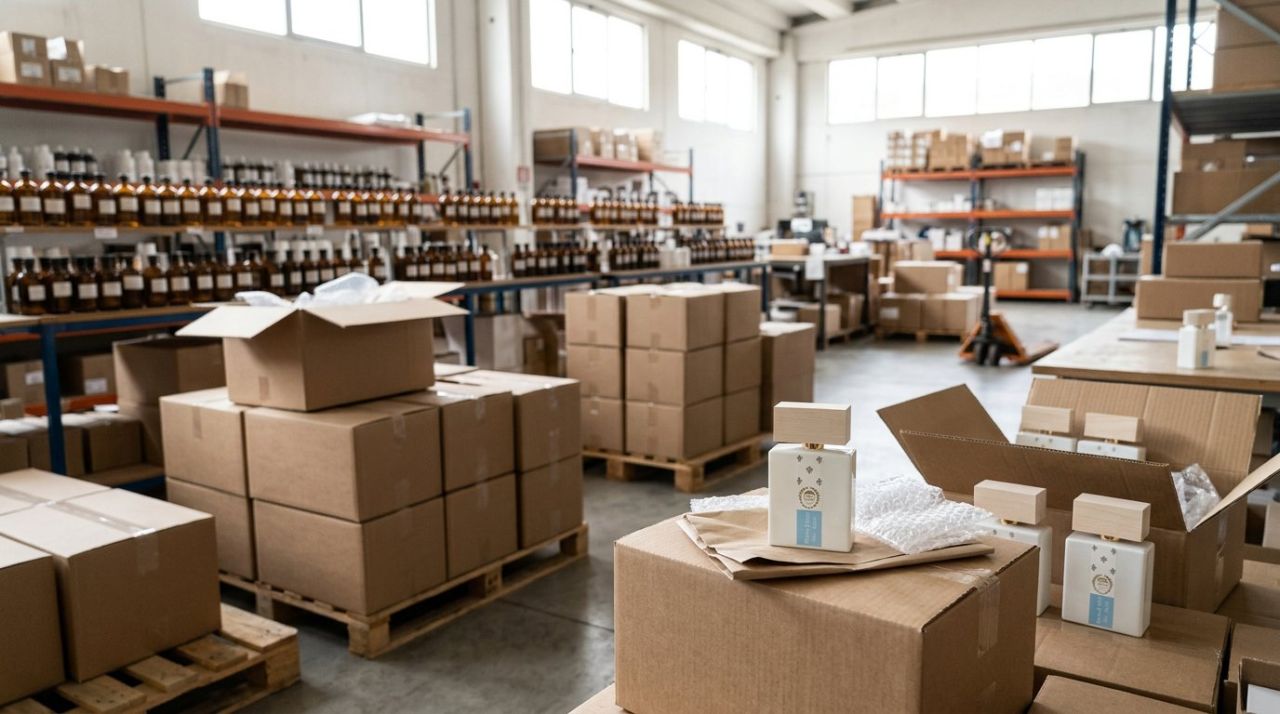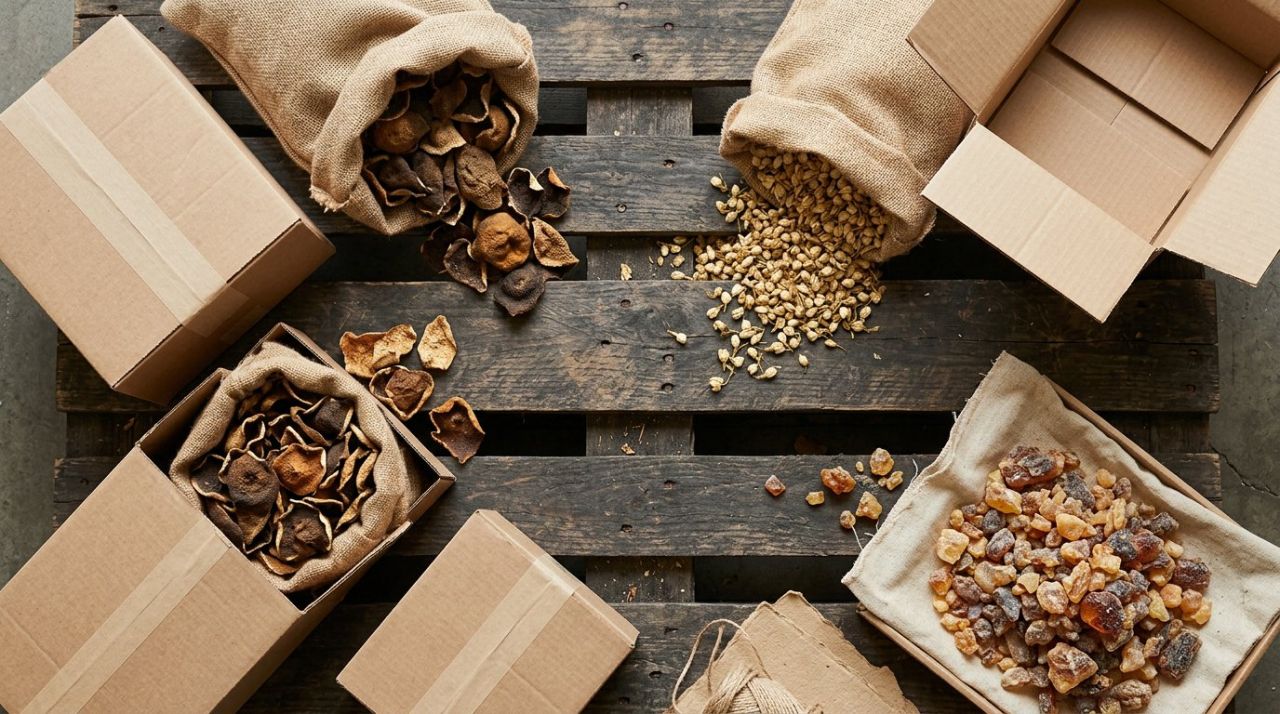
Wholesale perfume supply is the business-to-business process of sourcing fragrances in bulk, directly from manufacturers, licensed distributors, or established import houses, at volume-based pricing rather than through single-unit retail purchases. For retailers, distributors, and importers, a dependable wholesale perfume supply chain combines consistent product availability, verified authenticity, manageable minimum order quantities, and predictable logistics. Getting it right determines whether a buying business can protect its margin, meet customer demand, and avoid the compliance and customs pitfalls that derail smaller or unverified suppliers.
Summary
- Wholesale perfume supply means sourcing fragrances in bulk directly from manufacturers, authorized distributors, or import houses at volume-based pricing instead of single-unit retail prices.
- Reliable supply depends on verified authenticity, workable minimum order quantities (MOQs), consistent restocking, and transparent logistics and customs documentation.
- Protecting margin means controlling landed cost, product cost plus freight, duties, insurance, and handling, not just negotiating the lowest quoted unit price.
- Long-term partnerships with a vetted supplier, rather than one-off opportunistic deals, are what let retailers and distributors scale a fragrance assortment sustainably.
What Is Wholesale Perfume Supply?
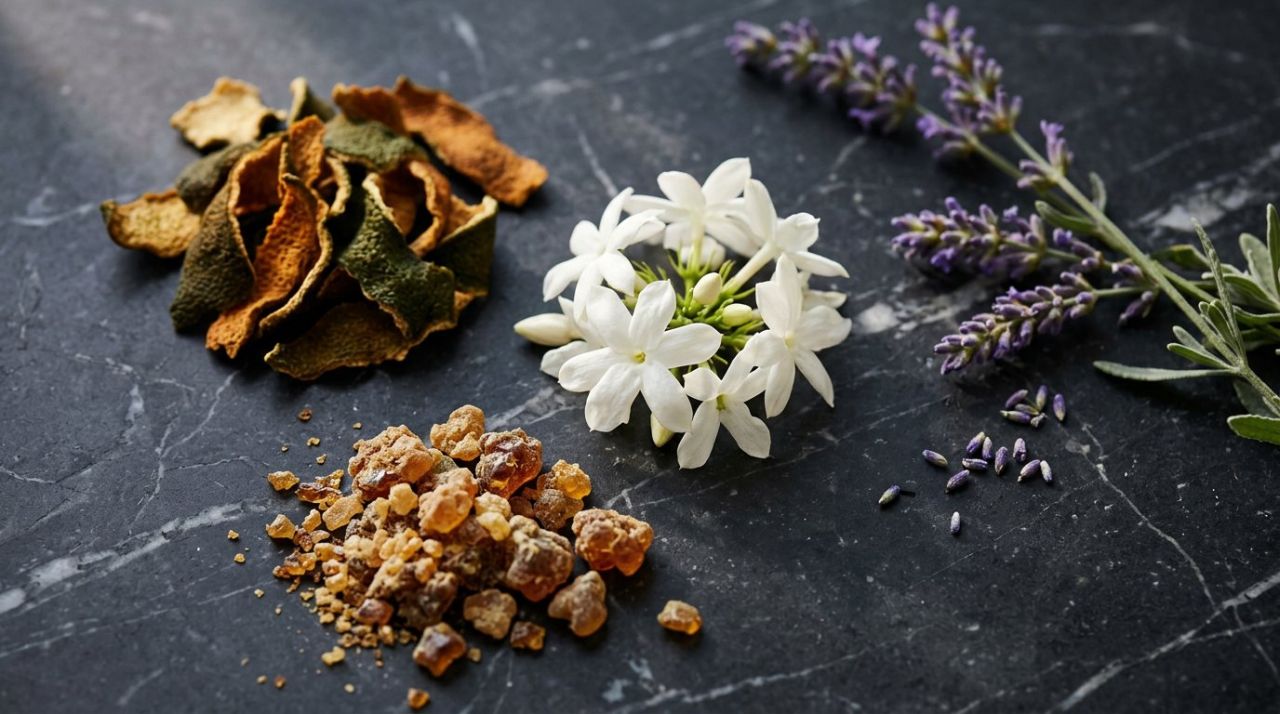
Wholesale perfume supply refers to purchasing fragrances in bulk, case-pack, or pallet quantities directly from manufacturers, licensed distributors, or established import houses, rather than buying single bottles at retail price. For a retail chain, independent perfumery, duty-free operator, gift retailer, or online marketplace seller, this B2B purchasing model is what makes it financially viable to keep shelves stocked and fulfil customer demand at scale.
Instead of a consumer price list, wholesale buyers work from a trade catalogue with tiered unit pricing that improves as order volume increases, along with case-pack configurations, mixed-SKU cartons, and account-based ordering terms such as net-30 or net-60 invoicing. Because the counterparty is a purchasing business rather than an individual consumer, the relationship is structured around purchase orders, trade references, tax identification, and for cross-border trade, import and export documentation rather than a simple checkout.
The buyer base for wholesale perfume supply is broad: independent perfumeries and cosmetics boutiques, department and discount retail chains, pharmacy and personal-care chains, hotel and hospitality groups sourcing amenities, corporate gifting companies, duty-free operators, and online marketplace sellers all purchase through the same general wholesale channel, even though their order sizes and assortment needs differ considerably.
How the Wholesale Perfume Supply Chain Works
Understanding where a supplier sits in the chain explains both the pricing you are quoted and the service level you should expect. Most B2B buyers interact with one of three layers.
Manufacturers and Brand Owners
At the top of the chain sit the fragrance houses and brand owners that formulate, bottle, and release perfumes under their own label or under licence. Buying directly from a manufacturer typically unlocks the lowest per-unit cost, but it also comes with the highest MOQs, longer production and lead times, and stricter account-opening requirements, since manufacturers are generally set up to serve large distributors rather than a single independent store.
Licensed Distributors and Import Houses
Most B2B buyers actually transact with a licensed distributor or import house positioned between the manufacturer and the retail trade. These intermediaries hold regional stock, consolidate shipments across multiple brands into a single order, manage customs clearance in their own jurisdiction, and offer lower MOQs than buying directly from a manufacturer. For small and mid-sized retail or distribution businesses, this is usually the most practical entry point into wholesale perfume supply.
Regional Wholesalers and Retail Buyers
At the final link, regional wholesalers break larger import lots into smaller case packs sized for individual stores, online sellers, salons, hotels, and gift retailers. This layer trades speed and flexibility, smaller orders, faster turnaround, closer local support, for a somewhat higher per-unit cost than buying upstream.
Minimum Order Quantities and Order Planning
Every link in the wholesale perfume supply chain sets a minimum order quantity, and understanding how MOQs are structured is central to planning a purchase that doesn't tie up working capital in slow-moving stock. Rather than requiring an identical quantity of a single SKU, most suppliers structure an MOQ around a full case pack or a minimum order value that can be filled with an assortment of fragrances, sizes, and gift formats. This lets a buyer meet the threshold while still matching the order to actual shelf demand.
Forecasting matters as much as the order itself. Perfume sales are seasonal, gifting periods, religious and cultural holidays, and promotional calendars all shift demand, so buyers who share a rough seasonal forecast with their supplier are better placed to negotiate staggered deliveries instead of one large shipment that sits in a warehouse. For new or newly listed lines, asking about pre-order or trial-order terms is a practical way to test sell-through before committing to a full-size order at the standard MOQ.
It is also worth splitting volume across more than one SKU-eligible supplier once order size grows, rather than concentrating an entire MOQ with a single source. This spreads supply risk if one shipment is delayed or short, and it gives a buyer leverage to compare service levels and pricing between suppliers over time instead of being locked into one relationship by default.
Evaluating and Vetting a Reliable Wholesale Perfume Supplier
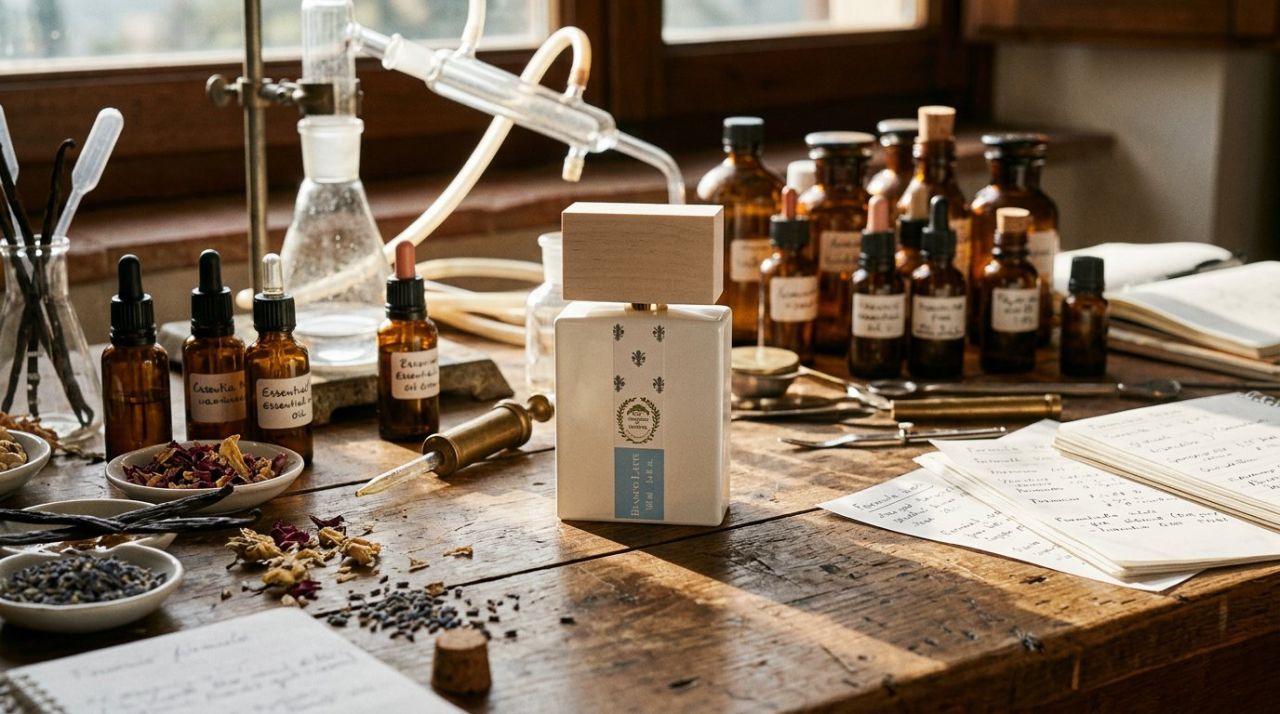
Authenticity and consistency are the two risks that matter most when selecting a wholesale perfume supply partner, since a single bad batch or a counterfeit shipment can damage a retailer's reputation far more than any pricing issue. A disciplined vetting process should cover both the product and the business behind it.
Before placing a full-size order, ask for batch or lot codes, a certificate of origin, and original manufacturer packaging that can be cross-checked against the brand's official references. On the business side, verify company registration, trade licensing, and request references from existing retail or distribution clients. A supplier confident in its own stock will usually accommodate a smaller trial order before a buyer commits to a container-level purchase, and will have a clear, written policy for damaged, mislabeled, or short-shipped goods. Responsiveness during this evaluation phase is itself a signal: a supplier that is slow or vague before the sale is unlikely to improve once the account is opened.
It is also reasonable to ask a prospective supplier how they handle demand spikes and stock shortages, since the answer reveals whether the relationship will hold up once order volumes increase. A supplier that can only describe how it handles a single, small order is a different proposition from one that can show a track record of fulfilling repeat, growing orders for other retail or distribution clients.
Logistics, Customs, and International Shipping for Bulk Perfume Orders
Perfume is classified as a flammable liquid in most freight and customs systems because of its high alcohol content, which affects almost every stage of bulk shipping. Cartons need specific hazard labeling, and a Safety Data Sheet typically has to accompany the shipment. Air freight is often restricted or requires special handling and higher surcharges, which is why sea freight or ground transport is the default choice for large wholesale orders, with air reserved for smaller, time-sensitive top-ups.
On the customs side, correct Harmonized System classification determines the duty rate applied at the border, and a misclassified shipment is one of the most common causes of clearance delay. Buyers should also clarify Incoterms with their supplier, whether the deal is FOB, CIF, or EXW determines who is responsible for freight, insurance, and risk at each stage of the journey, before the first invoice is issued, not after a shipment is already in transit. Working with a freight forwarder or customs broker who has handled cosmetics or fragrance shipments before is worth the added cost, since they can flag documentation issues before goods reach the border rather than after they are held there.
Lead time planning should build in buffer for customs clearance, public holidays at both the origin and destination port, and the possibility of a random inspection, none of which are within a buyer's direct control. Retailers that plan orders only against the supplier's quoted shipping time, without this buffer, are the ones most likely to face stockouts during peak gifting seasons.
Profit Margins and Pricing Strategy for Wholesale Buyers
The unit price quoted on a supplier's trade list is only part of the real cost of goods. Margin planning should be based on landed cost, the wholesale unit price plus inbound freight, customs duty, insurance, and warehousing or handling fees, rather than the invoice price alone. Two suppliers quoting the same unit price can produce very different margins once freight terms, payment currency, and duty treatment are factored in.
Buyers who place consistent, forecasted orders are generally in a stronger position to negotiate improved volume tiers, extended payment terms, or protected pricing over a fixed period, which stabilizes margin against currency and cost fluctuations. Diversifying the assortment across price points, rather than relying on a single hero SKU, also protects overall margin, since it spreads demand risk across formats and fragrance families instead of concentrating it in one line.
Common Mistakes B2B Buyers Make When Sourcing Wholesale Perfume
Even experienced retail and distribution buyers fall into a handful of recurring traps when scaling up a wholesale perfume supply relationship, and most of them are avoidable with a bit more diligence upfront.
Chasing the lowest quoted unit price without checking authenticity documentation is the most costly mistake, since a counterfeit or gray-market shipment can lead to seized stock, chargebacks from end customers, and lasting reputational damage. A close second is over-ordering a single SKU just to clear a supplier's MOQ, which ties up cash in slow-moving stock instead of a balanced assortment that actually reflects shelf demand. Skipping a trial order before a full container purchase is another common shortcut, one that removes the one low-risk opportunity to confirm product quality and packaging condition before committing significant capital.
On the operational side, buyers frequently underestimate how much customs documentation affects delivery timing, treating freight quotes as if clearance were guaranteed to be instant, and then are surprised when a shipment sits at the border. Relying on a single supplier for an entire catalogue is a related risk: any disruption, whether a factory delay, a shipping bottleneck, or a sudden price increase, has nowhere to be absorbed if there is no second source already vetted and ready to step in.
Building a Diversified Wholesale Perfume Assortment

A wholesale catalogue built around a single fragrance family or a single bottle size leaves a retailer exposed to shifting customer taste. Most experienced buyers deliberately mix the assortment across several dimensions. Pairing recognizable, broadly appealing fragrances with more distinctive niche perfume collections widens the customer base without diluting either segment, since the two typically appeal to different shoppers and different price expectations.
Gifting occasions are another dimension worth stocking for directly: ready-made perfume sets give retail and corporate gifting customers a packaged, higher-ticket option that requires no additional merchandising effort on the shelf. Bottle size is a third lever, offering an accessible 38ml perfume format alongside the standard 50ml perfume size lets a buyer anchor different price points on the same shelf, giving price-sensitive shoppers an entry point while keeping full-size bottles as the core, higher-margin offer.
Building a Long-Term Partnership with Your Perfume Supplier
The buyers who get the most consistent value out of wholesale perfume supply tend to treat it as a relationship rather than a series of transactions. Consolidating orders with one or two vetted suppliers, instead of splitting small orders across many unverified sources, usually earns a dedicated account contact, more flexible delivery scheduling, and earlier access to new launches or limited runs.
Sharing sell-through data and seasonal forecasts with a supplier, rather than only placing reactive orders, also opens the door to more advanced arrangements over time, such as co-branded assortments or private-label options once volume justifies it. In practice, loyalty to one reliable, well-documented supplier almost always outperforms constantly chasing the lowest quoted price, because the hidden costs of an unreliable source, stockouts, counterfeit risk, inconsistent batches, customs delays, tend to erase any short-term saving on the unit price.
Frequently Asked Questions
What is a typical minimum order quantity for wholesale perfume supply?
MOQs vary by supplier tier: manufacturers generally require the largest orders, while regional wholesalers accept smaller case packs. Many suppliers set the MOQ as a minimum order value or full case pack that can be filled with a mix of SKUs, rather than demanding a large quantity of one single fragrance.
How can I verify that a wholesale perfume supplier is legitimate?
Check business registration and trade licensing, request batch or lot codes and a certificate of origin for the goods, ask for references from existing retail or distribution clients, and start with a smaller trial order before committing to a full container or pallet purchase.
What documents are required to import perfume in bulk?
Because perfume is a flammable liquid, shipments typically require a Safety Data Sheet, correct Harmonized System classification for customs, a commercial invoice and packing list, and, depending on the destination market, a certificate of origin and proof of compliant hazard labeling on the cartons.
Can small retailers access wholesale perfume pricing, or is it only for large distributors?
Small and independent retailers can usually access wholesale pricing through a regional wholesaler or distributor rather than buying directly from a manufacturer, since this layer of the supply chain is set up to serve smaller case-pack orders with lower MOQs and more flexible terms.