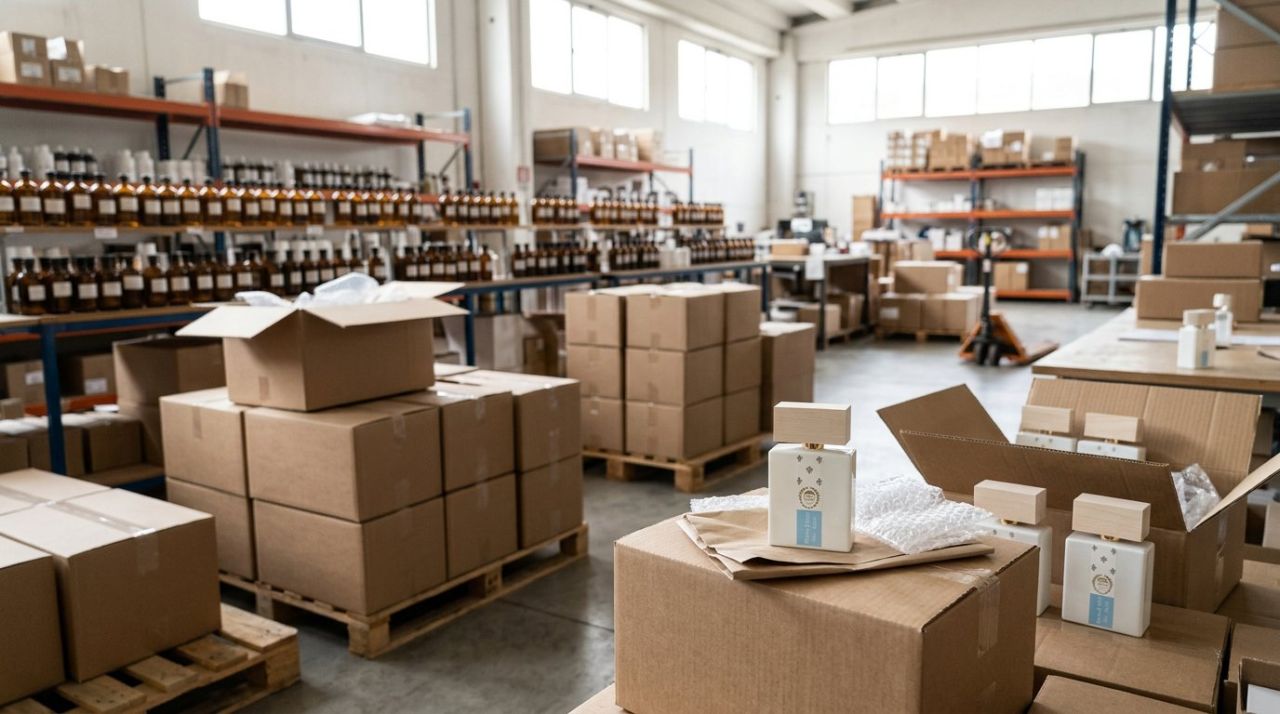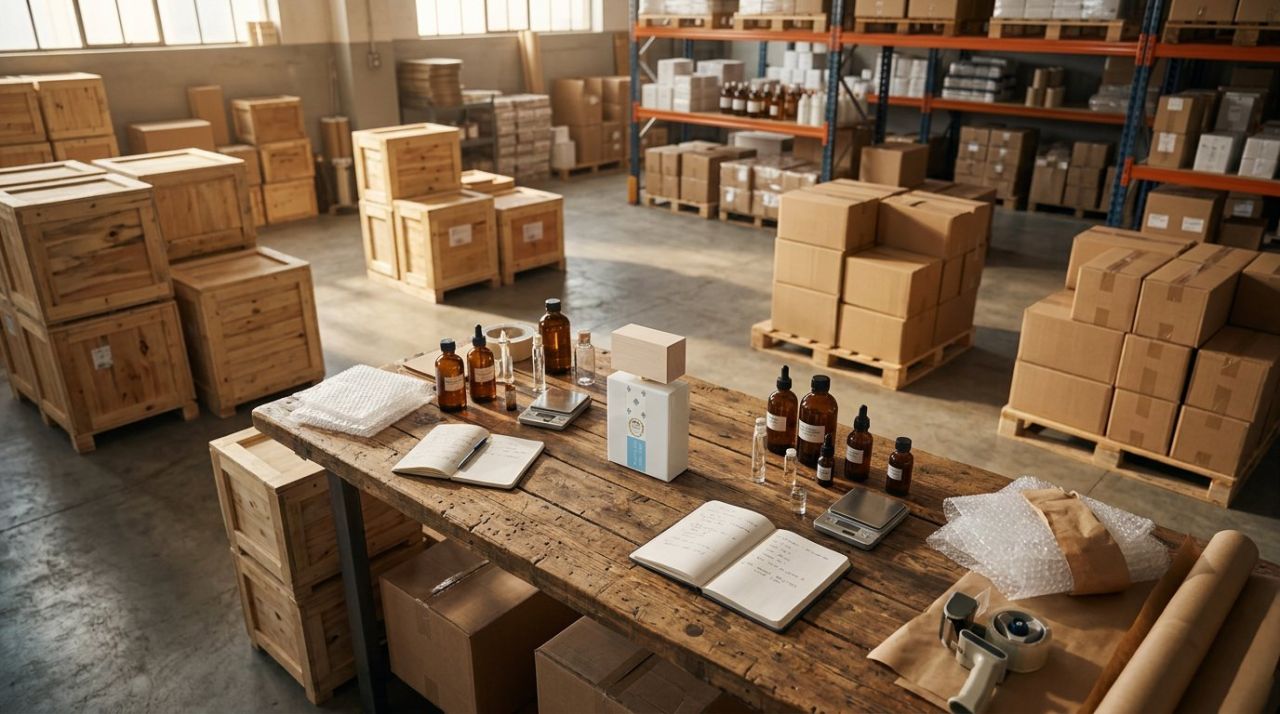
Wholesale perfume supplies refers to fragrance inventory such as finished perfumes, miniatures, testers, and gift sets purchased in bulk directly from manufacturers, exporters, or authorized distributors rather than as single retail units. B2B buyers such as retailers, distributors, and importers source these supplies to secure volume-based pricing tiers, consistent stock availability, and the documentation, including invoices, certificates of origin, and safety data sheets, required for resale and customs clearance. A reliable wholesale perfume supplier typically sets a minimum order quantity, offers tiered pricing based on order volume, and supports buyers with export paperwork so they can scale a fragrance business without managing production themselves.
Summary
- Wholesale perfume supplies means finished fragrances, gift sets, testers, and related packaging bought in bulk for resale, not single consumer purchases.
- B2B buyers should prioritize suppliers with clear minimum order quantities (MOQs), transparent paperwork, and a verifiable export history.
- Real margin depends on freight, customs duties, and currency exposure, not just the unit price a supplier quotes over email.
- Mixing bottle sizes, gift sets, and niche collections lets a buyer match inventory to different retail channels instead of overstocking one category.
What Are Wholesale Perfume Supplies?
In a B2B context, wholesale perfume supplies cover everything a retailer, distributor, or importer needs to stock a fragrance category: finished eau de parfum and eau de toilette bottles in multiple sizes, boxed gift sets, miniatures and testers, and the outer packaging that protects stock in transit. Unlike a single-unit consumer purchase, a wholesale order is built around a minimum order quantity, a tiered price list, and a set of commercial documents, including an invoice, packing list, and often a certificate of origin, that your business will need for resale, accounting, and customs clearance.
The term also implies a different relationship with the seller. A wholesale account is typically set up once, with agreed terms for reordering, lead times, and payment, rather than negotiated from scratch on every purchase. That structure is what allows a retailer or distributor to plan inventory months ahead instead of reacting order by order.
Testers, Miniatures, and Point-of-Sale Materials
Beyond full-size bottles, a wholesale order often includes testers for in-store sampling, miniatures for gift-with-purchase promotions, and point-of-sale materials such as display units, shelf cards, or branded outer cartons. Bundling these items into a single wholesale order simplifies your supply chain, since you are not sourcing display fixtures separately from the fragrances themselves. When comparing suppliers, ask directly whether testers and point-of-sale support are included in standard pricing or quoted separately, since this can meaningfully change the total cost of launching a new fragrance line in-store.
Who Buys Wholesale Perfume Supplies?
The demand side of this market is broader than it first appears, and the right sourcing strategy differs by buyer type.
- Independent and chain retailers stocking shelves with a curated fragrance assortment alongside cosmetics or personal care lines.
- Regional distributors and sub-distributors who buy in larger volume to resell to smaller retailers in their territory.
- Importers who manage customs clearance and local compliance before handing stock to in-country partners.
- Duty-free and travel retail operators who need consistent supply and clean documentation for airport and border locations.
- Hospitality and corporate gifting businesses, including hotels, spas, and companies sourcing branded or seasonal gift sets for clients and staff.
- E-commerce resellers building a private storefront around a curated fragrance catalog rather than manufacturing their own line.
Each of these buyers weighs the same core factors differently: a duty-free operator cares most about consistent fill rates and compliance paperwork, while a small retailer may care more about low MOQs and flexible reorder cycles. Knowing which profile you fit helps you ask a supplier the right questions from the first conversation.
Inside the Supply Chain: From Raw Materials to Finished Bottles
Understanding how a bottle reaches your warehouse helps you evaluate a supplier's claims about quality and lead time.
Aromatic Ingredients and Formulation
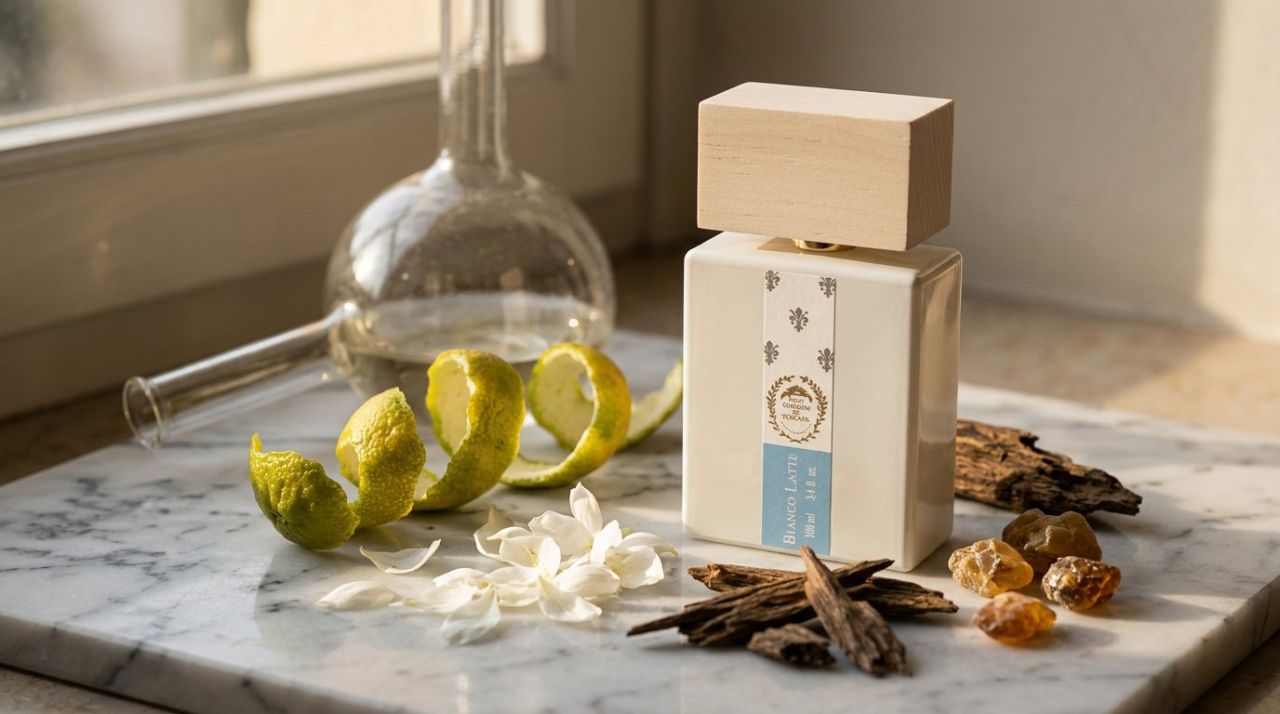
Every finished fragrance starts as a formula built from aromatic compounds: natural extracts such as bergamot, jasmine, or oud, alongside synthetic molecules that add longevity, diffusion, and stability. The formulation stage determines how a scent performs over time and across climates, which is one reason established fragrance houses keep tight control over their concentrate sourcing rather than treating it as a commodity input.
Packaging, Filling, and Quality Control
Once a concentrate is ready, it is diluted to the correct strength, filled into bottles, and sealed under quality checks that cover fill volume, cap sealing, and batch consistency. For a wholesale buyer, this is the stage that matters most operationally: a supplier that documents batch numbers and quality checks gives you traceability if a customer ever raises a product question, and it gives you a paper trail for any claim with a carrier or insurer if stock arrives damaged.
Minimum Order Quantities, Pricing Tiers, and Margin Planning
How MOQs Work
Most wholesale perfume suppliers set a minimum order quantity per SKU or per order, often structured in case packs rather than single units. MOQs exist because packing, labeling, and freight have fixed costs that only make sense to absorb above a certain volume. A supplier willing to negotiate a lower MOQ for a first order, in exchange for a higher unit price, can be a useful way to test a new category before committing to a larger purchase.
Building Margin Into Your Landed Cost
It is tempting to compare suppliers purely on the unit price in their quote, but the number that actually determines your margin is landed cost: unit price plus freight, insurance, customs duty, and any local handling fees, divided by the quantity received. Two suppliers with identical unit prices can produce very different margins once freight terms and duty classification are factored in. Before placing a recurring order, model the landed cost at the volume you actually intend to buy, not at a sample quantity, since per-unit freight and duty often drop meaningfully as order size increases.
Vetting a Reliable Wholesale Perfume Supplier
Documentation and Compliance to Request
A supplier that is set up for export will have no hesitation producing a commercial invoice, packing list, and, depending on your destination market, a certificate of origin, safety data sheet, or ingredient declaration. Ask for these documents before you place a large order, not after, so you can confirm they match your country's import and labeling requirements. If a supplier is vague about documentation or inconsistent between emails, treat that as a signal to slow down, not a detail to resolve later.
Sample Orders and Trial Runs
A small trial order is the most reliable way to judge packaging quality, fill consistency, and how closely delivered stock matches what was described. It also tests the supplier's actual lead time and communication under a real transaction, which tells you more than any sales pitch. Treat the first order as due diligence: check batch codes, inspect for damage, and confirm the paperwork that arrives with the shipment matches what was promised in writing.
Red Flags to Watch For
Be cautious with suppliers who refuse to provide a traceable business address, insist on unusual payment methods for a first order, or cannot explain basic details about their own supply chain when asked. Pricing that sits dramatically below the rest of the market is also worth questioning rather than celebrating, since it often signals counterfeit stock, diverted gray-market goods, or a seller who will not be reachable after payment clears.

Common Mistakes B2B Buyers Make When Sourcing Wholesale Perfume
Even experienced buyers run into avoidable problems when moving into a new fragrance category or a new supplier relationship. Watching for these patterns early can save significant time and margin.
- Chasing the lowest unit price without checking landed cost. A cheap quote can turn expensive once freight, duty, and quality issues are factored in.
- Skipping the trial order and committing to a full container or pallet order before confirming packaging quality and batch consistency on a smaller shipment first.
- Overlooking documentation requirements until a shipment is already in transit, which can lead to holds at customs and unplanned storage fees.
- Carrying a single bottle size or collection instead of spreading risk across formats and price points that suit different parts of the customer base.
Most of these mistakes share a common root cause: treating the first quote as the full picture instead of asking for the documentation, samples, and cost breakdown that reveal how a supplier actually operates.
Logistics, Customs, and International Shipping for Bulk Orders
Freight Options and Lead Times
Bulk fragrance orders typically move by sea freight for large volumes or air freight when speed matters more than cost, with courier shipments reserved for small trial orders or urgent restocks. Sea freight lead times are measured in weeks and should be planned around your sales calendar, ordering ahead of a seasonal peak rather than reacting to it. Perfume is also classified for transport in a way that affects which carriers will accept it and what documentation they require, so confirm shipping compatibility with your supplier before assuming any carrier will work.
Customs Classification and Duties
Correct customs classification determines the duty rate applied at your border, and misclassification can delay a shipment or trigger additional inspection. A supplier experienced in export will usually provide the classification code they use on their invoices, but your customs broker or import compliance team should independently confirm it applies correctly in your market. Building a relationship with a customs broker before your first large shipment, rather than after a shipment is stuck, is one of the simplest ways to avoid costly delays.
Storage and Shelf-Life Considerations
Fragrance concentrate is sensitive to heat, light, and temperature swings, so storage conditions during transit and in your warehouse affect how consistent the product is when it reaches the end customer. Avoid storing bulk stock near direct sunlight or in uninsulated spaces subject to large temperature swings, and rotate inventory so older batches sell through before newer ones, particularly for seasonal or limited collections. Planning storage alongside your reorder schedule also reduces the risk of holding slow-moving stock that ties up working capital.
Choosing the Right Product Mix for Your Market
Once sourcing and logistics are in place, the next decision is assortment: which collections and formats actually match your buyers. A boutique retailer targeting a discerning clientele may lean toward niche perfume collections that differentiate their shelf from mass-market competitors, while a gifting or hospitality business often does better with ready-made perfume sets that simplify purchasing decisions for the end customer.
Bottle size is another lever worth planning deliberately rather than defaulting to one format. A 38ml bottle format works well for travel retail, sampling programs, or price-sensitive channels, while a 50ml bottle format suits customers looking for a primary, everyday bottle. Carrying a spread of sizes across your catalog lets you serve multiple customer segments from a single supplier relationship instead of negotiating separate sourcing for each format.

Frequently Asked Questions
What is the difference between a wholesale perfume supplier and a distributor?
A wholesale supplier typically sells directly from its own stock or production to business buyers at volume pricing, while a distributor often buys from a supplier and resells to a network of smaller retailers in a specific territory. Some companies operate as both, depending on the market and order size.
How do I evaluate a new wholesale perfume supplier before committing to a large order?
Start with a trial order to check packaging quality, batch consistency, and documentation accuracy, and request references or export history if the relationship is new. Confirm invoicing, lead times, and return or damage policies in writing before scaling up volume.
Do wholesale perfume orders require special customs documentation?
Most markets require a commercial invoice and packing list at minimum, and many also require a certificate of origin or safety documentation depending on the destination country's import rules. Confirm requirements with your customs broker before your first shipment to avoid delays at the border.
Can I mix bottle sizes and collections within a single wholesale order?
Yes, most suppliers that serve B2B buyers support mixed-SKU orders as long as the overall order meets the minimum order quantity. This is a practical way to test multiple formats, such as different bottle sizes or collections, without committing your full budget to one category.