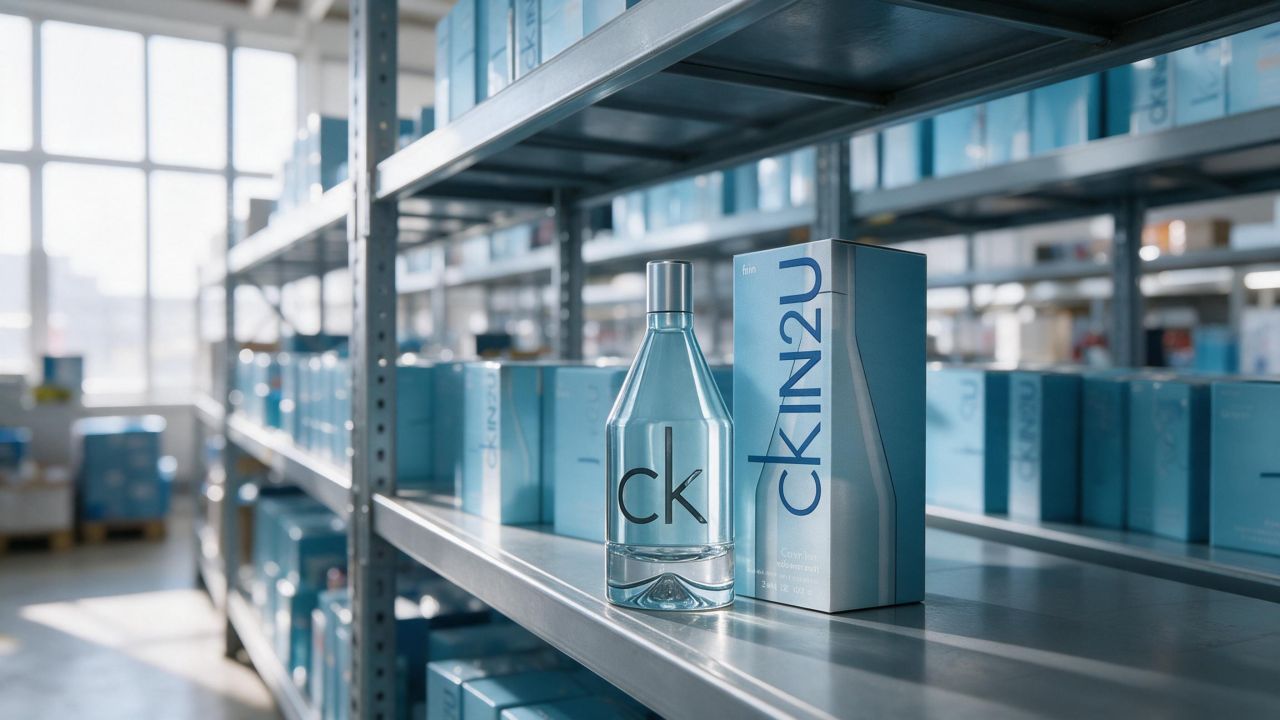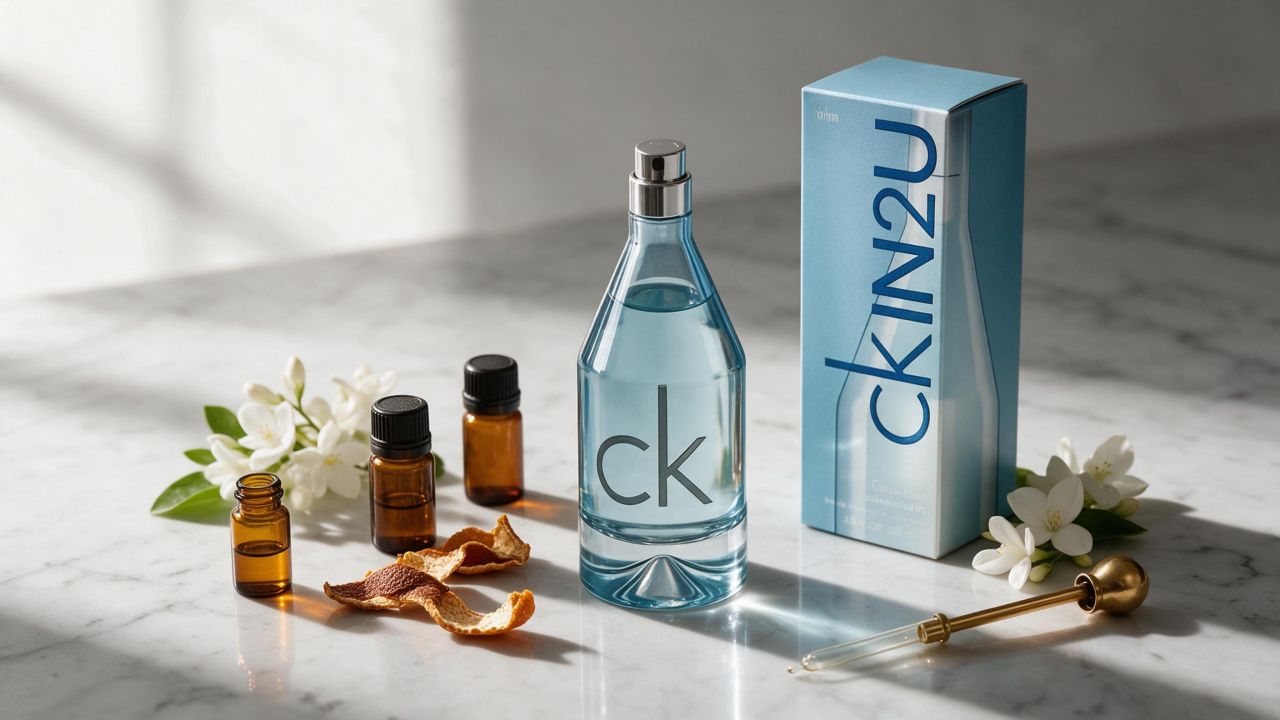
Wholesale perfume in New York City is sourced through specialized B2B fragrance suppliers, import-export distributors, and showroom-based wholesalers concentrated in Manhattan's Garment District and the broader NY/NJ port corridor, rather than through retail perfume counters. Buyers typically register as a licensed business, meet a supplier's minimum order quantity, and work directly with a distributor who can provide authentic, properly documented stock in formats such as gift sets and standard retail sizes. For most retailers, importers, and online resellers, the fastest path to dependable NYC wholesale perfume supply is a vetted fragrance wholesaler with transparent sourcing, consistent inventory, and export-ready paperwork.
Summary
- New York City wholesale perfume buying runs through registered B2B distributors and showrooms, not consumer retail channels.
- Serious suppliers require business registration, a minimum order quantity, and standard trade documentation before shipping.
- Logistics, customs clearance, and duty classification materially affect landed cost and should be planned before placing a first order.
- Long-term margin and reliability depend more on supplier vetting and catalog consistency than on chasing the lowest unit price.
Where to Source Wholesale Perfume in New York City
Retail buyers searching for wholesale perfume in New York City generally find three overlapping channels: Manhattan showroom wholesalers who sell off-sample stock and closeouts, import-export distributors who bring fragrance in from manufacturing regions and resell it in bulk, and online B2B marketplaces or direct supplier platforms that ship into the city and surrounding tri-state warehouses. Each channel suits a different buyer profile. Showroom wholesalers are useful for buyers who want to inspect physical stock before committing, while import distributors and online B2B suppliers are better suited to retailers who need recurring, documented supply at scale rather than a one-time lot.
For a growing number of independent retailers, boutique chains, and regional distributors, the more practical route is to work with an established international wholesale supplier that already serves the US market, rather than relying solely on New York floor stock, which can be inconsistent in both assortment and availability. A supplier with a structured catalog, clear order minimums, and export documentation removes much of the guesswork that comes with sourcing locally sight-unseen.
Why New York City Is a Hub for Wholesale Fragrance Buyers
New York remains one of the most important wholesale fragrance markets in North America for a simple reason: it sits at the intersection of major ports, a dense concentration of beauty and personal care retailers, and a long-established import infrastructure built around the Garment District and the broader metro logistics network. Buyers based in or near the city benefit from shorter inland transit times once goods clear customs, easier access to freight forwarders who specialize in cosmetics and fragrance, and a deep pool of wholesalers competing for business, which tends to keep service levels relatively high.
That said, proximity to the city does not automatically translate into the best terms. Many retailers assume they need a New York-based warehouse to get wholesale pricing, but the more important factor is whether the supplier, wherever they are located, can ship compliant, well-documented stock into the port of New York and Newark efficiently and consistently. A supplier with strong export processes can often serve a Brooklyn boutique or a Midwest distributor with the same reliability, which is why many buyers now evaluate suppliers on process rather than zip code alone.
Understanding Minimum Order Quantities for Wholesale Perfume
Almost every legitimate wholesale perfume supplier operates on a minimum order quantity, commonly abbreviated MOQ, which is the smallest volume a buyer can purchase on a single order. MOQs exist because suppliers need to justify the cost of picking, packing, and shipping bulk freight, and because fragrance products are often sold in case packs or full cartons rather than individual units. Before approaching any supplier, a retail buyer should have a realistic sense of expected sell-through, because an MOQ that is too large for the business ties up working capital in slow-moving inventory, while one that is too small may not qualify for wholesale pricing tiers at all.
Questions to Ask Before Committing to an MOQ
- Is the MOQ calculated per SKU, per order, or across a mixed assortment of products?
- Does the supplier offer tiered pricing above the base MOQ, and at what volume does the next tier begin?
- Can the first order be a smaller trial batch to test sell-through before scaling up?
- Are case configurations fixed, or can a buyer mix fragrance families and sizes within one shipment?
A supplier willing to discuss a reasonable starter order, rather than insisting on container-scale volume from day one, is generally a better long-term partner for a retailer that is still building out a fragrance category. Starting with a modest trial order also gives a new buyer real sell-through data to bring back to the supplier when negotiating terms for a larger, recurring order.
Evaluating Fragrance Categories: Niche, Sets, and Standard Sizes
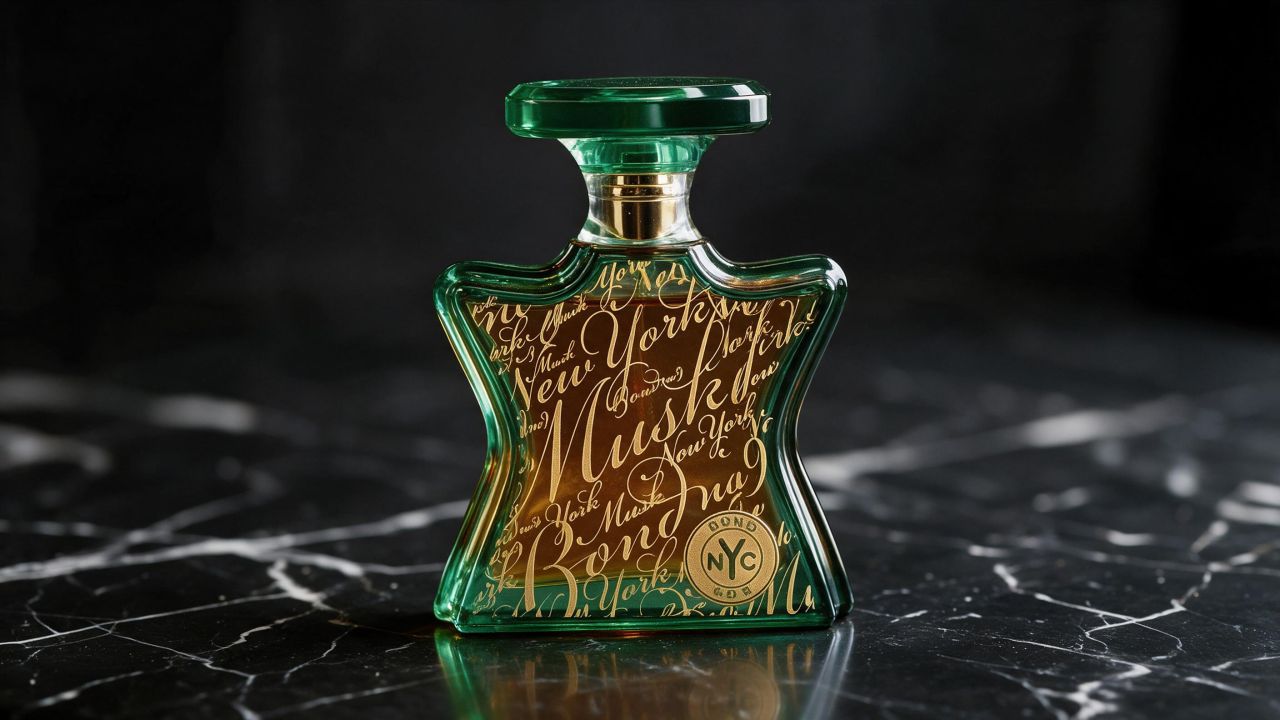
Not all wholesale perfume inventory serves the same customer segment, and a buying plan should reflect that. Boutique and specialty retailers targeting customers who want something distinct from mass-market department store brands tend to do well with a curated range of niche perfumes, which carry stronger margins and differentiate a storefront from competitors stocking only mainstream names. Buyers positioning themselves in the gifting season, hospitality amenities, or multi-brand discovery space should also look closely at a perfume set assortment, since bundled formats move well around holidays and corporate gifting cycles and often carry better unit economics than single bottles sold individually.
On bottle size, retailers need to think about shelf turnover and price point coverage rather than defaulting to one format. A 38ml perfume option gives buyers an accessible entry-level size that works well for impulse purchase displays, travel retail, or testing a new fragrance family with lower inventory risk. A 50ml perfume format, by contrast, suits core catalog items that a retailer expects to be repeat sellers, since the larger size typically delivers better per-unit margin once a fragrance has proven demand. A balanced wholesale order usually blends smaller formats for discovery with larger formats for established bestsellers, so the assortment can grow around whichever SKUs prove themselves fastest.
Supply Chain, Logistics, and Customs Considerations
Wholesale perfume carries specific supply chain complexities that other product categories do not, largely because fragrance concentrate is classified as a flammable liquid for shipping and customs purposes. Buyers importing into or distributing within the United States need to confirm that a supplier's freight partners handle hazardous materials documentation correctly, since improperly declared shipments can be delayed or held at customs, creating costly inventory gaps right when a retailer needs stock on shelves.
For buyers importing fragrance from overseas manufacturing or packaging regions into the Port of New York and New Jersey, it is worth building a checklist around harmonized tariff classification, country-of-origin documentation, and any applicable duty rates, since these directly affect landed cost and should be modeled before finalizing a purchase order rather than discovered after goods have shipped. Working with a freight forwarder or customs broker who has specific experience with cosmetics and fragrance shipments, rather than a generalist, meaningfully reduces the risk of clearance delays.
Domestic Distribution Within the Tri-State Area
Once goods clear customs, inland distribution across the New York metro area is relatively straightforward compared with many other US markets, given the density of carriers and last-mile delivery options serving Manhattan, Brooklyn, Queens, and nearby New Jersey distribution points. Retailers with multiple storefronts should still confirm with any supplier whether they can split a single wholesale order across several delivery addresses, since this can reduce internal transfer costs considerably.
Storage and Shelf-Life Handling
Fragrance does not spoil the way perishable goods do, but it should still be stored away from direct heat and light to preserve scent integrity and packaging condition over a multi-year shelf life. Retailers planning to hold wholesale inventory for an extended period should ask suppliers about recommended storage conditions and whether batch or production dating is available, which also supports basic inventory rotation practices.

How to Vet a Reliable Wholesale Perfume Supplier
Price is the easiest variable to compare between wholesale suppliers, and also the least reliable indicator of whether a partnership will work long term. A more useful vetting process looks at whether a supplier can consistently fulfill the same order twice, whether their catalog is stable enough to build repeat customer demand around specific SKUs, and whether they are transparent about sourcing and authenticity. Retailers should be cautious of suppliers who cannot clearly explain where their stock originates or who are unwilling to provide basic trade documentation, since this is often where counterfeit or gray-market product enters a supply chain. A supplier who pressures a buyer into an unusually large first order, or who cannot answer specific questions about sourcing, is worth treating as a warning sign rather than a bargain.
A short practical checklist for evaluating a wholesale fragrance supplier includes the following points.
- Request sample invoices or trade references from other B2B buyers who have purchased at similar volumes.
- Confirm the supplier can provide consistent packaging and batch quality across repeat orders, not just the first shipment.
- Ask directly about return and damage policies for bulk freight, since this is rarely included in initial price quotes.
- Check whether the supplier has export experience specific to the destination market, including any required labeling or language requirements.
- Evaluate how responsive the supplier's sales team is to specific, detailed questions before any money changes hands, since this is usually a preview of post-sale service.
Margins and Pricing Strategy for Retailers
Wholesale buyers should build pricing strategy around category mix rather than treating every fragrance line the same way. Niche and limited-distribution fragrances generally support higher margin percentages because they are not subject to the same price comparison pressure as widely distributed mainstream brands, which is one reason many independent retailers lean into a differentiated niche assortment rather than competing purely on recognizable names. Gift sets and bundled formats can also support stronger blended margins, particularly around the fourth-quarter gifting season, since customers are often purchasing based on presentation and perceived value rather than comparing unit prices.
Retailers should also factor in realistic sell-through timelines when calculating margin targets, since fragrance inventory that sits unsold for a year effectively erodes any margin advantage through tied-up capital and storage cost. A disciplined approach to reordering, buying closer to the MOQ more frequently rather than over-ordering once, generally protects margin better than chasing marginally lower per-unit pricing on a single oversized order. This is especially true for retailers still testing which fragrance families and sizes resonate with their specific customer base.
Building a Long-Term Wholesale Partnership
The retailers who do best sourcing wholesale perfume in New York City treat their primary supplier relationship as a partnership rather than a series of one-off transactions. That means communicating sales data back to the supplier where possible, giving advance notice of seasonal demand spikes, and being clear about which SKUs are underperforming so a supplier can adjust recommendations for future orders. Suppliers who receive this kind of feedback are generally in a better position to prioritize a retailer's account during periods of constrained stock or shipping delays.
It is also worth maintaining a secondary supplier relationship even after finding a reliable primary partner, simply as a hedge against unexpected disruptions in shipping, customs processing, or production. This does not need to be a large account; even a modest standing relationship with a backup wholesaler ensures a retailer is not left without options if a primary shipment is delayed during a critical selling period.
Frequently Asked Questions
What is a typical minimum order quantity for wholesale perfume?
Minimum order quantities vary by supplier and by product category, and they are usually set per SKU or per case pack rather than as a single fixed number across an entire catalog. Buyers should ask a supplier directly for current MOQ terms and whether tiered pricing applies above that threshold, since this directly affects how a first order should be structured.
Do I need a business license to buy wholesale perfume in New York City?
Legitimate wholesale suppliers generally require buyers to register as a business and provide standard trade documentation before extending wholesale pricing or terms. This protects both parties and is a normal part of B2B fragrance sourcing rather than an unusual requirement specific to one supplier.
How long does customs clearance take for imported wholesale perfume?
Clearance timelines depend on documentation accuracy, the hazardous materials classification of fragrance concentrate, and current port conditions at the point of entry. Working with a freight partner experienced in cosmetics and fragrance shipments, and ensuring all paperwork is correct before the shipment departs, is the most reliable way to avoid unplanned delays.
Should a new retailer start with niche fragrances or mainstream brands?
The right mix depends on the retailer's target customer and existing catalog, but many independent and boutique retailers find that a curated niche assortment differentiates their storefront and supports stronger margins than competing purely on widely available mainstream names. A blended approach, supported by well-chosen bottle sizes and set formats, often performs better than committing entirely to one category.