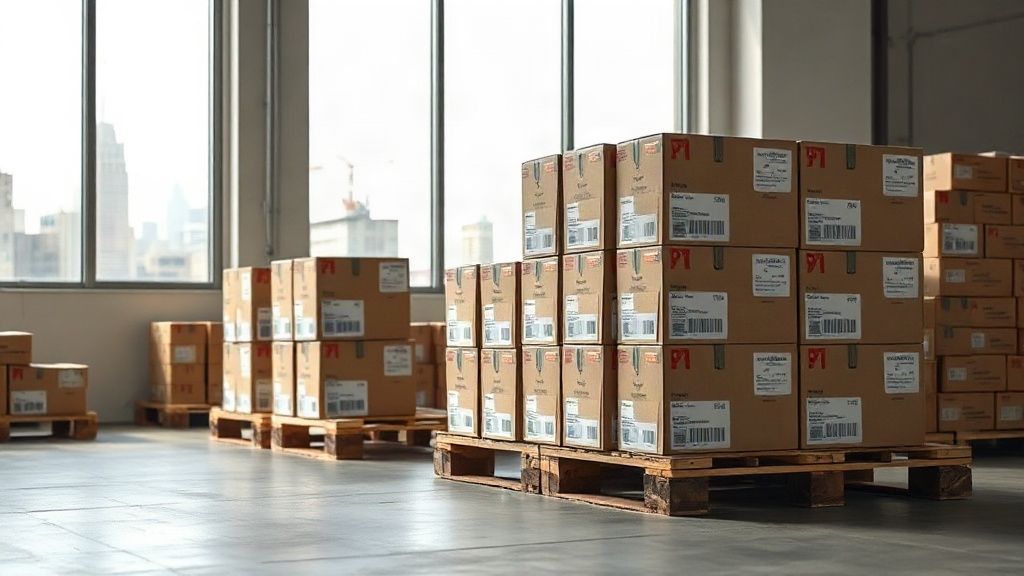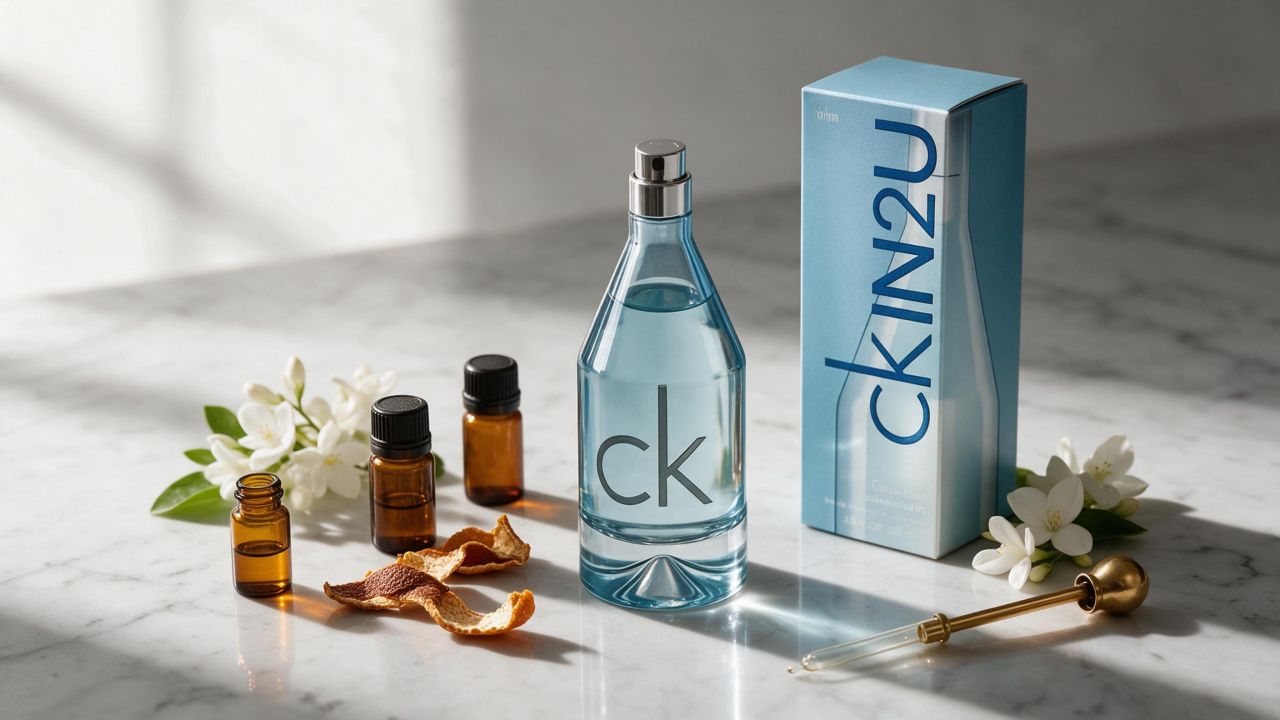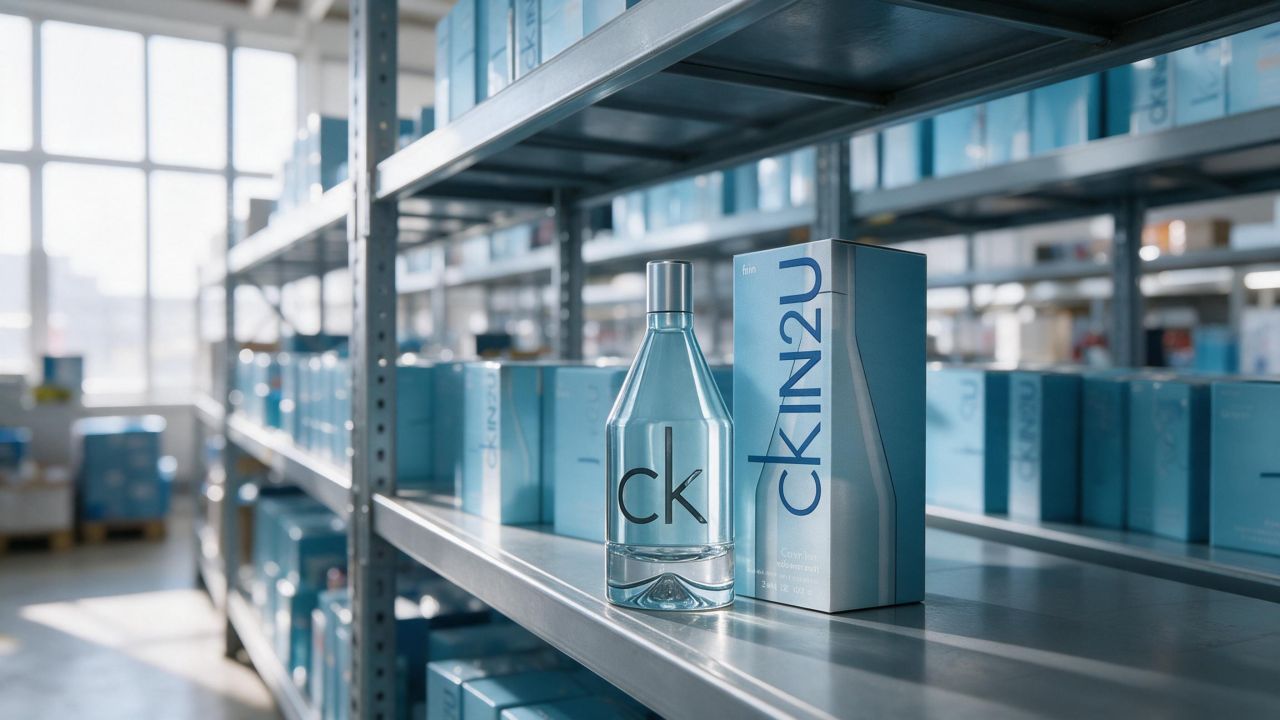
Wholesale perfume bottles typically refers to bulk, case-pack quantities of finished, packaged perfumes that retailers, distributors, and importers buy directly from a supplier at volume-based trade pricing rather than single-unit retail cost. Orders are placed above a supplier's minimum order quantity in standard formats such as 35ml and 50ml bottles or multi-piece gift sets, then resold through stores, marketplaces, or further down a distribution chain. For a buying business, success depends less on the bottle itself and more on procurement terms, logistics planning, and choosing a supplier who can deliver consistent stock on schedule.
Summary
- Wholesale perfume bottles are purchased in case-pack or carton quantities directly from a supplier, with unit pricing tied to volume tiers rather than single-piece retail cost.
- Standard wholesale formats include 35ml and 50ml bottles plus bundled multi-bottle sets, each suited to a different shelf price point and turnover rate.
- Before placing an order, confirm minimum order quantity, lead time, packaging condition, and the export documentation you will need for customs clearance.
- Supplier reliability — consistent batch quality, clear contracts, and proper shipping documentation — matters at least as much as the quoted unit price.
What Buyers Mean by "Wholesale Perfume Bottles"
When a retail buyer, distributor, or importer searches for wholesale perfume bottles, they are almost never shopping for empty glass containers to fill themselves. They are looking for finished, packaged perfume products sold in bulk at trade pricing: sealed bottles already boxed, labeled, and ready for resale. Confusing the two is a common early mistake. Empty bottle manufacturing is a packaging-industry niche serving perfume brands and private-label fillers. Wholesale perfume bottles, in the B2B retail sense, means stocking your shelves or warehouse with finished product that customers can buy the moment it arrives.
This distinction matters because it changes who you should be sourcing from. A packaging factory can quote you glass and pump components, but it cannot supply you with sellable inventory. A wholesale perfume supplier, by contrast, holds stock of recognizable scents in standard retail formats and sells it to you in case packs or cartons, at a price that leaves room for your own retail or distribution margin. Most B2B buyers searching this term are trying to answer a simpler question: where can I buy perfume bottles in bulk, at a price that lets me resell them profitably, from a supplier I can trust to deliver consistently?
Within that broader category, suppliers typically group inventory in two ways: by bottle size or format, and by segment — mainstream designer-style scents versus niche or specialty lines. Understanding both groupings helps you plan an assortment that matches your customers' buying habits rather than simply taking whatever stock happens to be available.
Common Bottle Sizes and Formats in Wholesale Assortments
Bottle size is one of the first decisions a wholesale buyer has to make, because it drives shelf price, turnover speed, and the margin structure of your order.
Smaller formats, such as 35ml bottles, tend to sell at a lower retail price point and move faster off the shelf. They work well as an entry-level or impulse purchase, as a gifting add-on, or as a way to introduce a new scent to your customer base without asking them to commit to a full-size bottle. If your buyers are testing new scent families or stocking a high-traffic location, a 35ml Perfume assortment is usually the easiest format to turn over quickly.
Larger formats, typically 50ml, are the standard full-size retail bottle in most markets. They sit at a higher price point per unit, generally carry a stronger margin per bottle, and are the format most customers expect when buying a perfume as their main purchase rather than a trial size. A 50ml Perfume range is usually the backbone of a wholesale perfume catalog, with smaller sizes and sets built around it.
Multi-bottle sets add a third dimension to the assortment. A Perfume Set bundles two or more bottles, sometimes paired with travel sprays or complementary scents, and is particularly effective around gifting seasons when customers are buying for someone else rather than for themselves. Sets also let a retailer present a higher basket value in a single transaction, which can offset the per-unit cost of carrying smaller, lower-margin formats elsewhere in the catalog.
A well-planned wholesale order usually blends these formats rather than committing entirely to one. Smaller bottles drive traffic and trial, full-size bottles carry the bulk of the margin, and sets capture seasonal and gifting demand. Reviewing a supplier's catalog across all three formats, rather than ordering a single size in bulk, is the more common approach among experienced buyers.
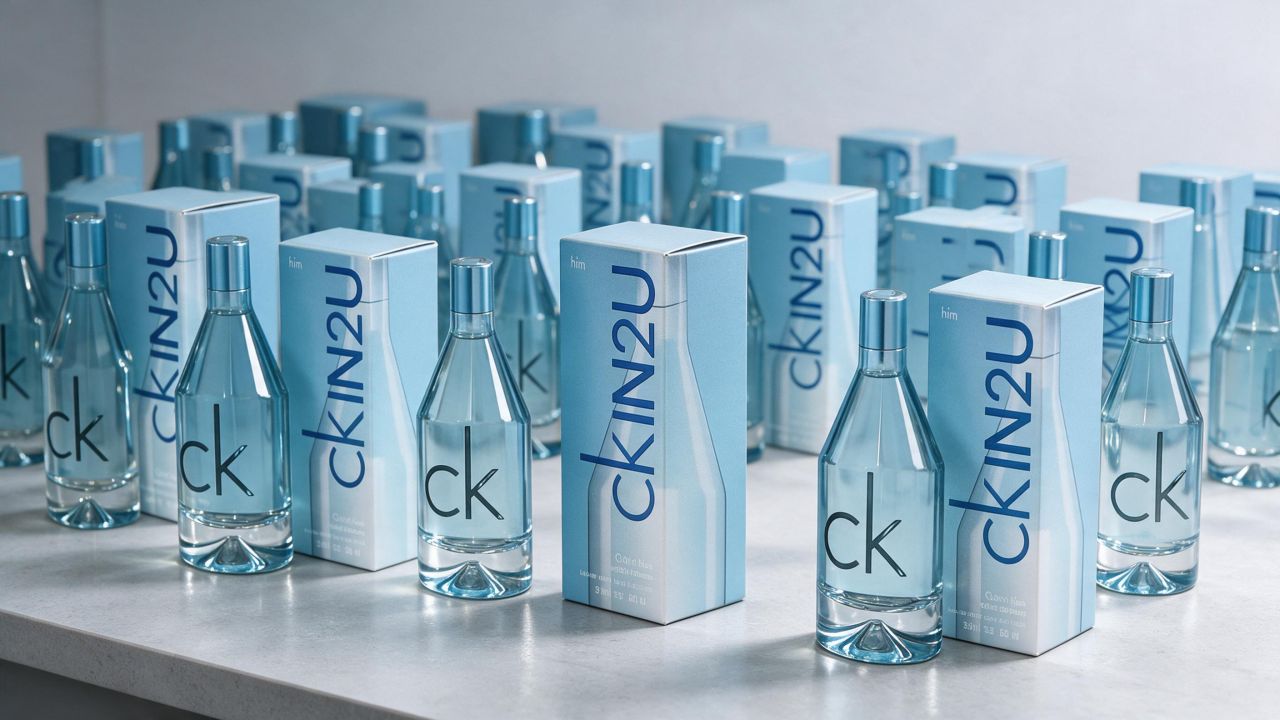
Minimum Order Quantities and the Wholesale Procurement Process
Every wholesale perfume supplier sets a minimum order quantity, or MOQ, below which they will not sell at trade pricing. MOQs are usually expressed in case packs or master cartons rather than individual bottles, since that is how the product is packed, palletized, and shipped. Before you contact a supplier, it helps to know roughly how much warehouse or shelf space you can commit, and how quickly you expect to turn that stock over, so you can match your order size to your actual sales capacity rather than ordering to hit a discount tier you cannot absorb.
The procurement process generally follows a predictable sequence. A buyer sends an inquiry describing the scents, formats, and quantities they are interested in. The supplier returns a quote broken down by volume tier, often with better unit pricing at higher case-pack counts. Many buyers request samples or a small trial order first, particularly when working with a new supplier, to confirm packaging quality, scent consistency, and how the product actually looks once it arrives rather than relying on photos alone. Once terms are agreed, a purchase order is issued, typically with a deposit due before production or packing begins and the balance due before or against shipment.
It is worth building in time for quality control on the supplier's side before goods leave their warehouse — checking for damaged boxes, mismatched labels, or leaking caps — since catching an issue before freight leaves is far cheaper than discovering it after a container has crossed an ocean. First-time buyers are generally better served by starting with a smaller trial order to validate the relationship, then scaling up once lead times, packaging quality, and communication have proven reliable over one or two cycles.

Logistics, Shipping, and Customs Considerations for Bulk Orders
Perfume is a heavier, fragile, and regulated cargo category compared to most consumer goods, and that shapes almost every logistics decision a wholesale buyer makes. Glass bottles add weight and breakage risk, while the alcohol content in most fragrances classifies the shipment as a dangerous or restricted good for certain transport modes, which affects both routing and documentation.
For most B2B buyers, sea freight is the default choice for large case-pack orders because it is more cost-effective for heavy, palletized cargo, even though transit times run longer than air. Air freight becomes the more practical option for smaller, time-sensitive restock orders, or when a buyer needs a narrow assortment quickly rather than a full container load. Either way, proper export packaging — sturdy outer cartons, adequate cushioning between bottles, and clear carton labeling — significantly reduces breakage claims, so it is worth confirming with a supplier how they pack for international transit before committing to a large order.
On the documentation side, importers should expect to handle a commercial invoice, a packing list, and in many cases a certificate of origin, alongside the correct harmonized system (HS) code for the product category, since that code determines applicable import duties in the destination country. Because of the alcohol content, some jurisdictions also require safety data sheets or additional declarations for the shipment to clear customs without delay. A freight forwarder or customs broker who already has experience moving cosmetics and fragrance shipments is generally a better partner than a generalist, since they will recognize documentation gaps before they turn into a hold at the port.
Buyers who are new to importing this category should budget extra lead time on a first order specifically to cover customs clearance, and should confirm with their supplier in advance which documents will be provided versus which the buyer needs to arrange independently on the receiving end.

Calculating Margins and Planning Assortment for Resale
A wholesale unit price is only one line in the real cost of getting stock onto your shelf. Landed cost — the figure that actually determines your margin — adds freight, import duties, customs clearance fees, inland transport, and a reasonable allowance for breakage or damaged units on top of the quoted wholesale price. Buyers who plan around the quoted unit price alone, without building in these additional costs, routinely find their actual margin is thinner than expected once the full order has cleared customs and reached the warehouse.
Format mix plays directly into margin planning. Smaller bottles, such as 35ml formats, typically carry a lower absolute margin per unit but turn over faster, which keeps cash moving through your business. Full-size 50ml bottles usually carry a stronger margin per unit and anchor the overall profitability of an order. Gift sets can lift average basket value significantly during seasonal peaks, which makes them useful for smoothing out slower periods elsewhere in the year. Rather than treating every format the same way, experienced buyers model margin and turnover separately for each category and adjust the mix in future orders based on which formats actually sold through fastest.
It is also worth planning for a reasonable damage and shrinkage allowance in your margin model, rather than assuming every unit in a shipment arrives sellable. Even with careful packing, a small percentage of breakage or cosmetic damage is a normal part of importing glass products, and building that into your pricing avoids margin surprises later.
How to Vet and Choose a Reliable Wholesale Perfume Bottle Supplier
Because the real risk in wholesale perfume sourcing is rarely the product itself but the reliability of the relationship behind it, supplier vetting deserves as much attention as price comparison. A few practical checks go a long way before committing to a sizable order.
Start by asking how long the supplier has been exporting, and to which regions. A supplier with a track record of shipping internationally will already understand documentation, packaging for transit, and the kind of questions a customs broker is likely to ask, which saves you friction later. Request samples or a small trial order before scaling up, and pay close attention not just to the scent itself but to packaging condition, label accuracy, and whether the batch you receive matches what was described in the quote.
Clear, written terms matter more than they might seem at first. Confirm MOQ, lead time, payment schedule, and what happens if units arrive damaged or if a shipment is delayed, before you place a significant order rather than after a problem has already occurred. Ask for trade references if you are working with a new supplier for the first time, and treat responsiveness during the quoting stage as a preview of how communicative they will be once your money and inventory are on the line. A supplier who is vague about lead times, unwilling to provide documentation details, or inconsistent between quotes and what actually ships is a bigger long-term risk than one whose pricing is simply a little higher.
Finally, consistency across repeat orders is often the clearest signal of a dependable partner. A supplier who delivers the same packaging quality, accurate labeling, and on-time shipment on your third and fourth order, not just your first, is the one worth building a longer-term buying relationship with.
Building a Balanced Catalog: Mainstream, Niche, and Gift Sets
Once procurement and logistics are sorted out, the next decision is what to actually stock. Relying on a single category tends to leave money on the table, because different customer segments respond to different parts of a wholesale catalog.
A core range of familiar, recognizable scents in standard 35ml and 50ml formats will usually carry the bulk of your sales volume, since these are the easiest for customers to recognize and buy with confidence. Layered on top of that, a Niche Perfumes selection gives a retailer or distributor a way to differentiate from competitors stocking only the same mainstream names everyone else carries, and niche lines often support a stronger margin precisely because they are harder to find at a comparable price elsewhere. For buyers targeting a more discerning or gift-oriented customer base, a rotating selection from a niche range can be a meaningful point of difference in an otherwise crowded market.
Gift sets round out a balanced catalog by capturing demand that spikes around holidays and gifting occasions, when customers are buying for someone else and are often willing to spend more on a bundled presentation than they would on a single bottle for themselves. Planning your purchase calendar around these seasonal peaks — ordering sets and gift-ready formats ahead of the relevant season rather than reactively — tends to produce better sell-through than treating the catalog as static year-round.
The common thread across all three categories is that assortment planning works best when it is reviewed regularly against actual sell-through data, rather than set once and left unchanged. A format or scent family that performed well last season may not repeat, and building in the flexibility to adjust your next order based on what actually moved is one of the more reliable ways to protect margin over time.
Frequently Asked Questions
What is the typical minimum order quantity for wholesale perfume bottles?
Minimum order quantities vary by supplier and are usually set in case packs or master cartons rather than single bottles, since that reflects how the product is packed and shipped. Rather than assuming a standard figure, ask a supplier directly for their MOQ by format and size, and clarify whether better pricing tiers are available at higher volumes before finalizing an order.
Can I mix bottle sizes and brands within one wholesale order?
Many wholesale suppliers allow mixed orders across formats such as 35ml, 50ml, and gift sets, and across different scent lines, as long as the combined order meets the overall minimum order quantity. Confirm this directly with your supplier, since mixing rules can depend on how their inventory is packed and whether certain formats have separate minimums of their own.
What documents do I need to import wholesale perfume bottles?
Most international shipments require a commercial invoice, a packing list, and the correct HS code for customs classification, and many destinations also ask for a certificate of origin. Because fragrance products contain alcohol, some jurisdictions require additional safety documentation. Confirming which documents your supplier provides versus which you need to arrange on your end, before the shipment leaves, helps avoid delays at customs.
How do I verify a wholesale perfume supplier is reliable before ordering?
Check how long the supplier has been exporting and to which markets, request samples or a small trial order before committing to a large purchase, and get MOQ, lead time, and payment terms in writing. Treat their responsiveness and consistency during the quoting stage as an indicator of how they will handle your account once a real order and payment are involved.