What Buyers Mean by "Wholesale Perfume Bottle"
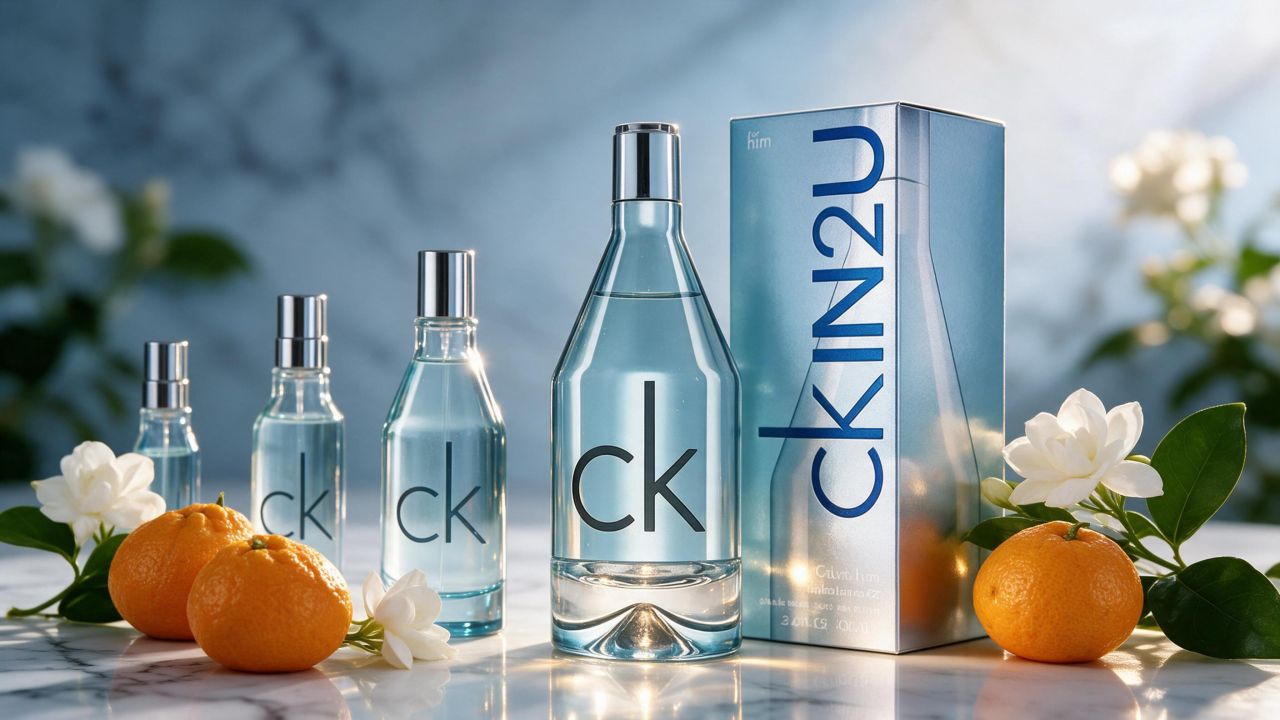
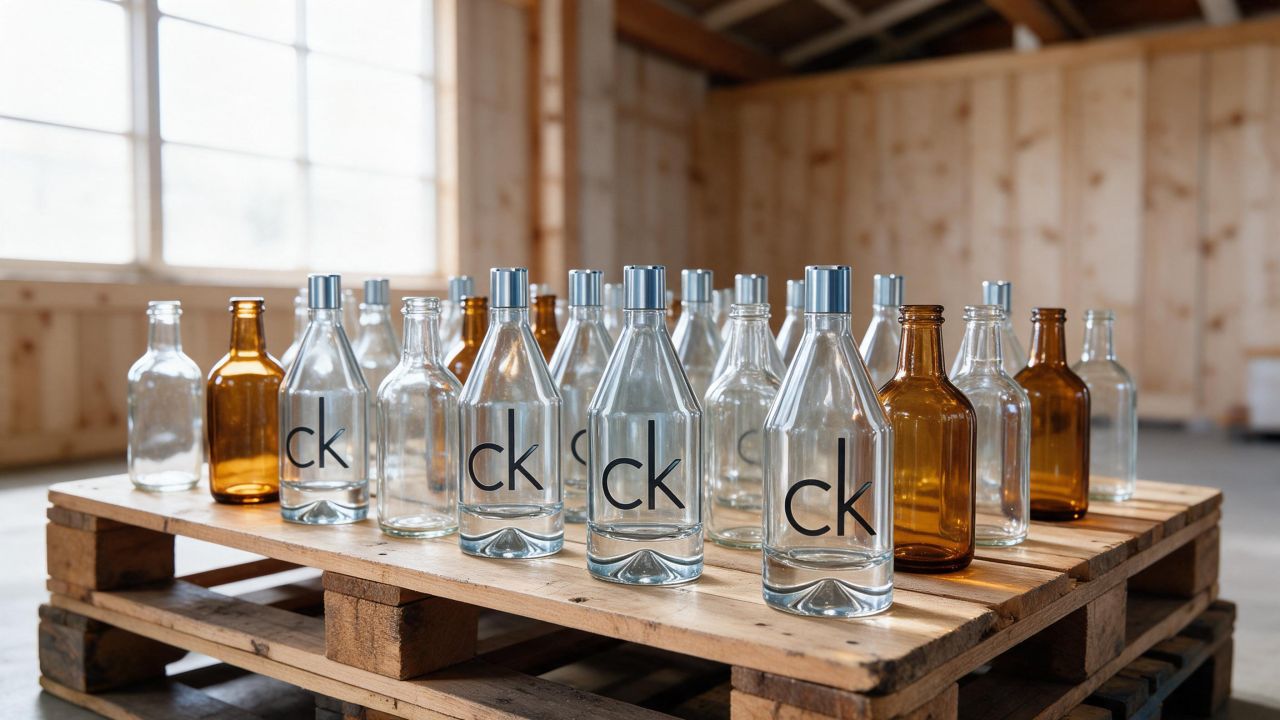
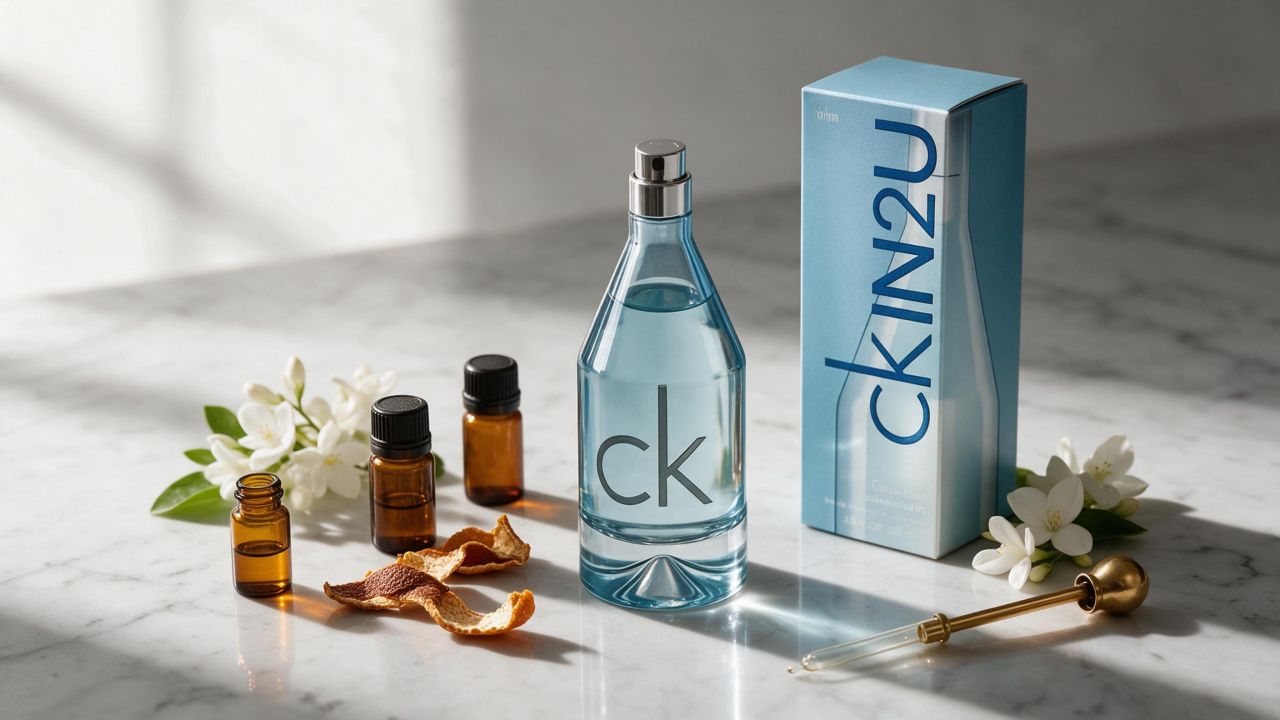
A wholesale perfume bottle refers to glass or acrylic fragrance containers purchased in bulk quantities by retailers, distributors, and importers rather than single units bought by end consumers. For B2B buyers, this means sourcing bottles that are already filled with fragrance oils, packaged for resale, and priced on a per-case or per-pallet basis rather than per-piece retail pricing. Understanding this distinction early helps buying teams set realistic expectations for order volume, lead time, and supplier communication before a purchase order is ever drafted.
Within the fragrance trade, "wholesale" also implies a different relationship with the supplier compared to retail purchasing. Buyers typically negotiate recurring supply agreements, request consistent batch quality across shipments, and expect documentation such as packing lists, certificates of origin, and safety data sheets to accompany every container. This guide walks through what wholesale buyers need to evaluate before committing to a supplier, from bottle formats and order quantities to customs clearance and long-term supplier vetting.
Summary
- Wholesale perfume bottles are sold in bulk cases or pallets, filled with fragrance and packaged for resale by retailers, distributors, and importers.
- Bottle format and volume, such as 38ml and 50ml sizes, directly affect shelf positioning, shipping density, and category fit in a retail assortment.
- Minimum order quantities, lead times, and documentation requirements vary by supplier and should be confirmed in writing before the first purchase order.
- Reliable sourcing depends on verifying production capacity, quality consistency, and export experience rather than price alone.
Types of Perfume Bottles Available for Bulk Purchase
Wholesale fragrance assortments typically span several bottle formats, and the format a buyer chooses should match the shelf space, customer profile, and price positioning of their store or distribution network. Compact travel-size bottles suit impulse purchase displays and gift sets, while mid-size formats remain the most common choice for everyday retail shelves because they balance visible product presence with manageable per-unit shipping weight. Larger formats are often reserved for flagship fragrances or premium gift presentations where the bottle itself communicates value.
Buyers sourcing for a multi-brand store or an online catalog often request a mixed container of sizes within a single order to test market response before committing to larger volumes of one format. For example, a distributor exploring a new regional market might request an assortment that includes a 38ml perfume range alongside a 50ml perfume line to compare sell-through rates across both sizes before finalizing a standing order. This kind of staged testing reduces the risk of overcommitting to a format that underperforms in a specific market.
Bottle Material and Closure Considerations
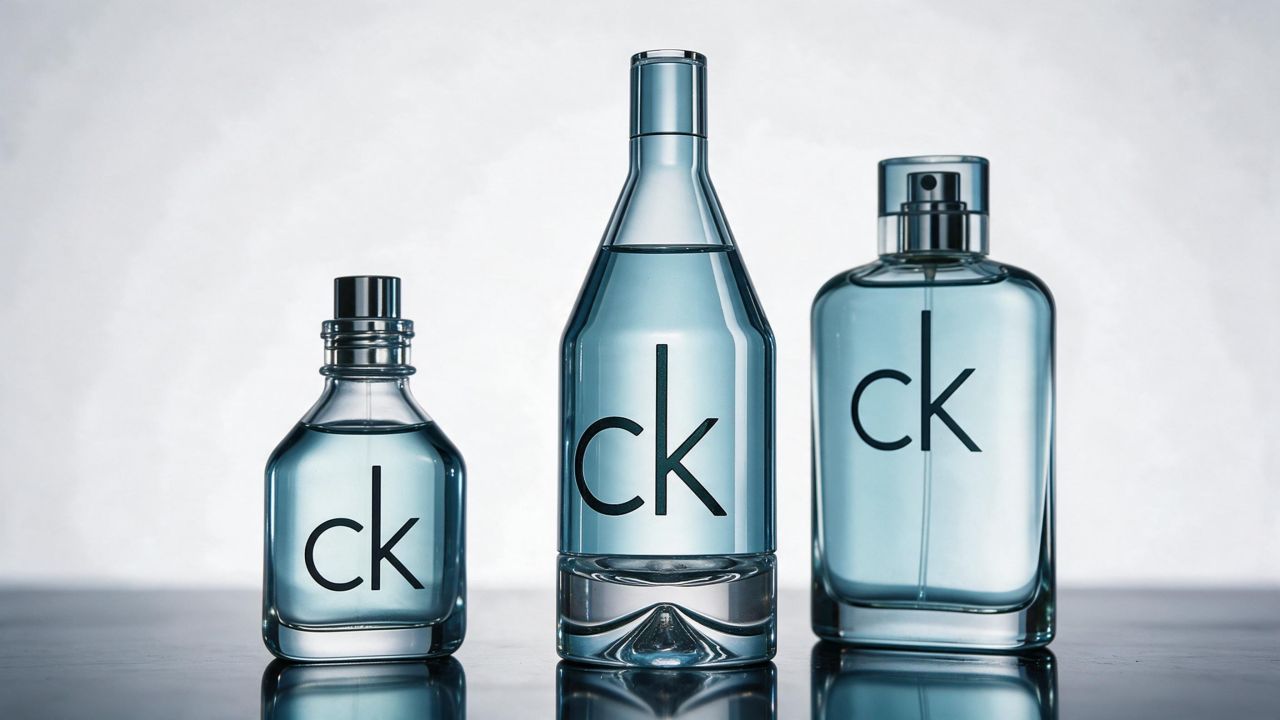
Beyond size, buyers should ask suppliers about glass thickness, cap material, and spray mechanism reliability, since these factors influence both perceived quality and breakage rates during long-distance shipping. A supplier who can speak confidently about packaging specifications, rather than only fragrance formulas, is usually better equipped to support a recurring B2B relationship.
Branding and Secondary Packaging Options
Many wholesale buyers also evaluate secondary packaging, such as outer gift boxes, shrink wrap, and shelf-ready cartons, since these elements affect both in-store presentation and protection during transit. Suppliers that can accommodate private label boxes or market-specific packaging give distributors more flexibility to adapt a single bottle format to multiple retail channels without renegotiating the entire product specification.
Minimum Order Quantities and Wholesale Pricing Structures
Most fragrance suppliers set minimum order quantities (MOQs) based on production batch sizes rather than arbitrary thresholds, which means MOQs can vary significantly between a boutique manufacturer and a large-scale export house. Smaller buyers testing a new market or launching a new retail category often look for suppliers willing to work with mixed-case minimums, allowing them to combine several SKUs into a single qualifying order instead of committing to a full pallet of one product.
Wholesale pricing is typically structured in tiers, where the unit cost decreases as order volume increases, and buyers should request a transparent breakdown of these tiers rather than a single quoted figure. It is also standard practice to ask whether pricing is quoted ex-works, FOB, or CIF, since this determines who is responsible for freight and insurance costs between the factory and the destination port. Buyers who clarify these terms upfront avoid unexpected costs that can erode the margin they originally budgeted for when planning a retail or distribution launch.
Payment Terms Worth Negotiating
Established wholesale relationships often move beyond full upfront payment toward split terms, such as a deposit to confirm the order followed by a balance payment before shipment. New buyers should expect to start with more conservative terms and can renegotiate as order history and trust build over successive shipments.
The Sourcing Process: From Inquiry to First Shipment
A structured sourcing process protects buyers from costly missteps, particularly when working with an overseas supplier for the first time. The process generally begins with a detailed inquiry that specifies bottle size, desired fragrance families, packaging preferences, and target order volume, allowing the supplier to return an accurate quote rather than a generic price list. Buyers should request physical samples before placing a bulk order, since photographs alone cannot confirm scent accuracy, bottle finish quality, or spray mechanism performance.
Once samples are approved, the formal order stage involves agreeing on a purchase order, confirming production lead time, and setting a shipment date. Experienced buyers build in a buffer between the confirmed production completion date and their own retail launch date, since fragrance production, quality checks, and export documentation can take longer than a generic manufacturing timeline would suggest. Clear written communication at every stage, rather than verbal confirmations, reduces the chance of disputes over specifications or delivery dates later in the relationship.
Sample Evaluation Checklist
- Confirm fragrance longevity and scent consistency against the description provided by the supplier.
- Inspect bottle glass for clarity, seam quality, and spray pump durability.
- Check label placement, printing quality, and overall presentation against your target market's expectations.
- Verify that outer packaging will protect the product during a full international shipping cycle.
Quality Control Standards for Bulk Fragrance Orders
Quality control for wholesale perfume bottles extends beyond checking the fragrance itself; it includes verifying batch-to-batch consistency, leak resistance, and compliance with the labeling regulations of the destination market. Buyers importing into regions with strict cosmetic or fragrance labeling rules should confirm that ingredient disclosures, batch codes, and safety warnings meet local requirements before the shipment leaves the origin country, since correcting labeling after arrival is far more costly than catching it beforehand.
Many experienced buyers request a pre-shipment inspection report or third-party quality check, particularly for larger orders where a single defect in packaging could affect an entire pallet. Suppliers who routinely export to multiple international markets are generally more familiar with these inspection expectations and can provide documentation without extensive back-and-forth, which is itself a useful signal of supplier maturity.
Common Quality Issues to Watch For
Recurring complaints in bulk fragrance orders tend to involve inconsistent fill levels, loose or misaligned spray pumps, and scent variation between production batches. Buyers who track these issues across shipments and share clear feedback with their supplier typically see measurable improvement in subsequent orders, since most reliable manufacturers treat buyer feedback as part of their own quality system.
Logistics, Customs, and International Shipping
Shipping wholesale perfume bottles internationally involves additional considerations beyond standard cargo, since fragrance products typically contain alcohol and are classified under dangerous goods regulations for air freight. This classification affects which carriers can handle the shipment, what documentation is required, and whether sea freight is a more practical option for larger volumes despite its longer transit time. Buyers should confirm with their supplier, and separately with their freight forwarder, how the shipment will be classified and packed to meet carrier requirements.
Customs clearance adds another layer of planning, as import duties, VAT, and cosmetic product registration requirements differ by country and sometimes by bottle volume or alcohol content. Working with a customs broker familiar with cosmetic and fragrance imports can prevent shipments from being held at the border due to missing certificates of analysis or incomplete ingredient declarations. Buyers who build customs timelines into their overall project schedule, rather than treating clearance as an afterthought, are far less likely to face stockouts caused by delayed shipments.

Incoterms and Who Pays What
Confirming the Incoterm attached to a quote is one of the simplest ways to avoid budget surprises, since EXW, FOB, and CIF each shift different portions of freight, insurance, and risk between buyer and supplier. Buyers new to fragrance importing should ask their freight forwarder to walk through the chosen Incoterm line by line before the first shipment leaves the factory.
Choosing a Reliable Wholesale Perfume Supplier
Selecting the right supplier is the single most important decision in the wholesale fragrance sourcing process, since the right partner reduces risk across every stage covered so far, from production consistency to export documentation. Buyers should prioritize suppliers who can demonstrate an established export history, provide verifiable references from other B2B clients, and communicate clearly about production capacity and realistic lead times rather than overpromising to win an order.
It is also worth evaluating how a supplier handles problems rather than only how they handle a successful order, since delays, damaged shipments, or quality disputes are a normal part of international trade. A supplier with a clear process for replacements, credits, or corrective action signals a partner built for long-term collaboration rather than a one-time transaction. Buyers should also confirm whether the supplier can scale production as order volume grows, which matters for distributors planning to expand into additional markets or retail channels over time.
Product Range and Private Label Flexibility
Suppliers who offer a broad catalog give buyers room to diversify their assortment without managing multiple vendor relationships. For buyers targeting a premium or niche retail segment, exploring a dedicated niche perfumes collection can help differentiate a storefront from competitors selling only mainstream mass-market fragrances. Similarly, buyers building gift and holiday assortments often find that a curated perfume set offering simplifies merchandising, since bundled products are easier to promote and typically carry a higher average order value than single bottles sold individually.
Building a Long-Term Wholesale Partnership
The first order with a new supplier is rarely the most profitable one, since it typically involves smaller test volumes and more conservative payment terms. The real value of a wholesale fragrance partnership emerges over repeated orders, as buyers gain confidence in product consistency, suppliers gain visibility into demand patterns, and both sides streamline communication around production schedules and shipping logistics. Buyers who treat the first few orders as a trial period, with clear feedback shared after each shipment, tend to build stronger and more flexible supplier relationships over time.
Consistent reordering also opens the door to better pricing tiers, priority production slots during high-demand seasons, and more flexible MOQs for testing new bottle formats or fragrance lines. Sharing rough demand forecasts with a supplier, even informally, helps them plan raw material and bottle procurement in advance, which in turn reduces the lead-time surprises that often affect first-time or irregular buyers. For buyers managing a growing retail or distribution business, treating supplier relationships as a long-term asset, rather than a transactional cost center, consistently produces better outcomes across pricing, reliability, and product availability.
Frequently Asked Questions
What is the typical minimum order quantity for wholesale perfume bottles?
Minimum order quantities vary by supplier and are usually tied to production batch sizes rather than a fixed universal number. Buyers testing a new market should ask whether mixed-case minimums are available, which allows combining several bottle sizes or fragrances into a single qualifying order rather than committing to one large volume upfront.
How long does a typical wholesale fragrance order take to produce and ship?
Production and shipping timelines depend on order volume, bottle format availability, and the shipping method chosen, with sea freight generally taking longer than air freight but at a lower cost per unit. Buyers should confirm a realistic combined production-plus-shipping timeline in writing, including customs clearance time, before setting their own retail launch date.
Do wholesale perfume bottles require special customs documentation?
Yes, because fragrance products typically contain alcohol, shipments often require safety data sheets, certificates of analysis, and sometimes dangerous goods documentation for air transport. Import duties and cosmetic registration requirements also vary by destination country, so confirming requirements with a customs broker before shipment is strongly recommended.
Can buyers request samples before placing a bulk wholesale order?
Most established suppliers allow buyers to request samples before committing to a full bulk order, since this lets buyers verify fragrance quality, bottle finish, and packaging presentation firsthand. Skipping the sample stage increases the risk of receiving a shipment that does not match expectations once production begins at scale.