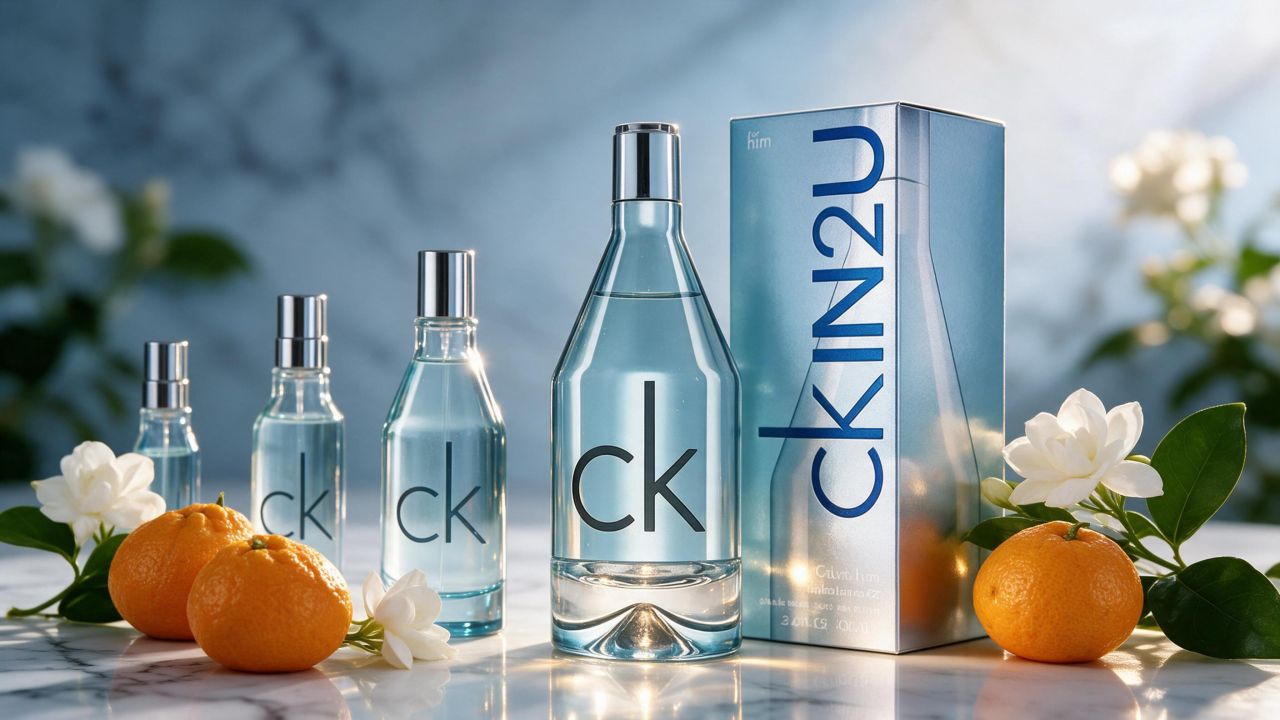
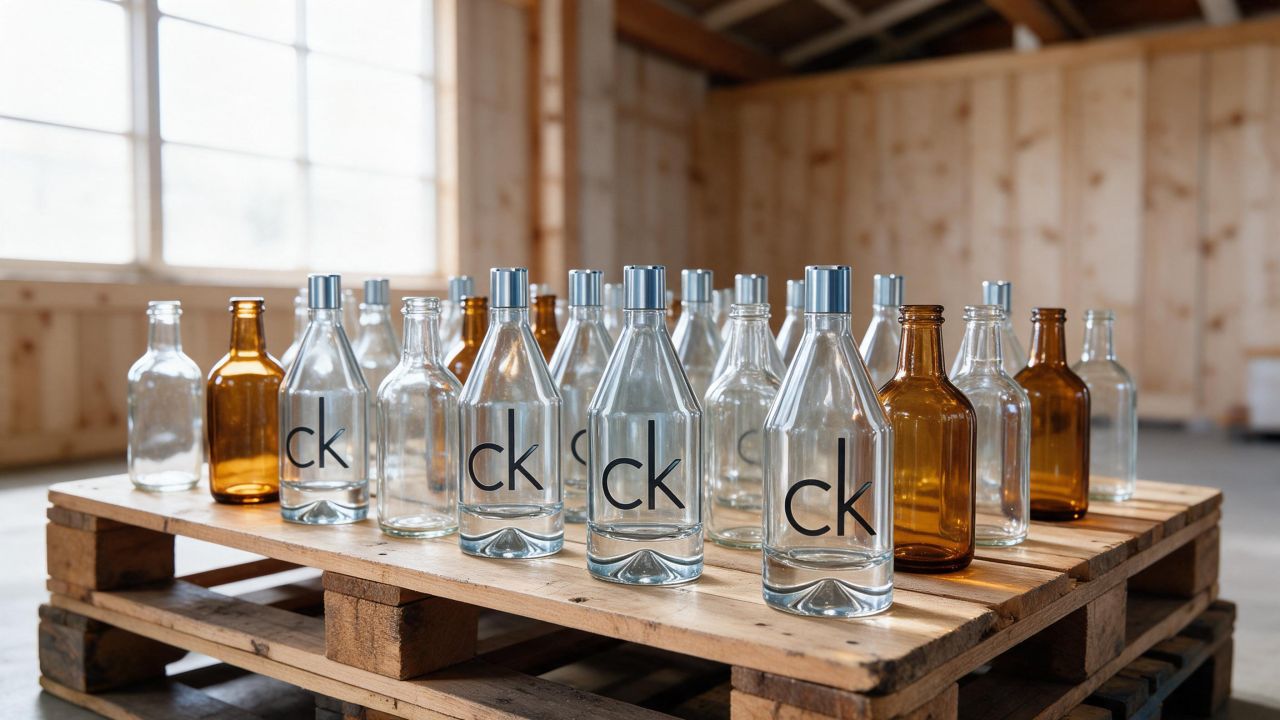
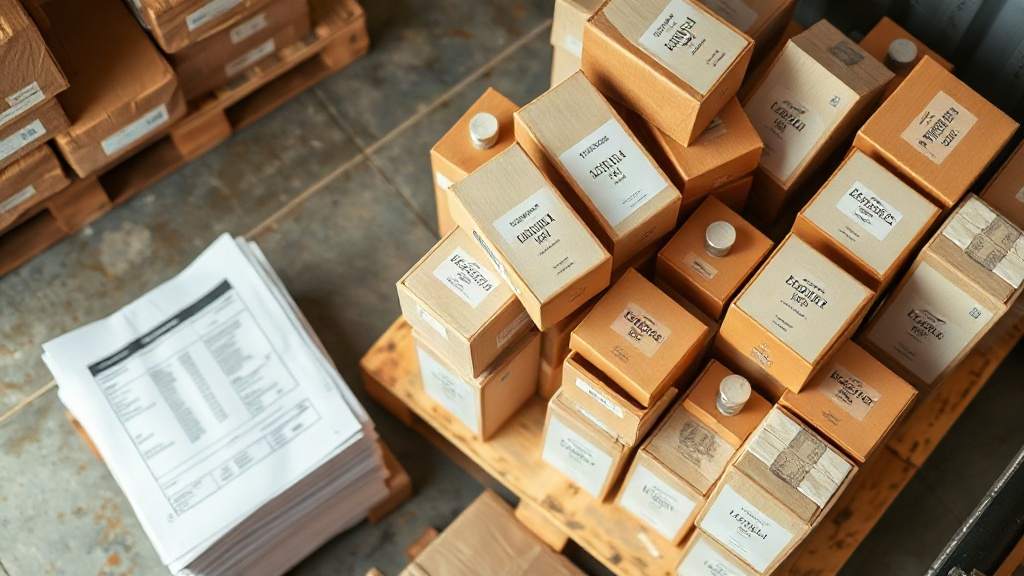
Perfume wholesale bottles are fragrance units sold in bulk quantities to retailers, distributors, and importers at business-to-business pricing rather than single-unit retail pricing. A wholesale buyer typically orders standardized bottle sizes, most commonly in the 38ml and 50ml range, across a catalog of niche and mainstream scents, and the order is priced, packed, and shipped under commercial terms rather than a consumer checkout flow. For a buying team, the real decision is less about the glass itself and more about supplier reliability, minimum order quantities, and the margin the finished bottle can support once it reaches the shelf.
Summary
- Perfume wholesale bottles refers to bulk-purchased fragrance units, usually in 38ml or 50ml formats, bought by retailers and distributors under B2B commercial terms.
- Buyers should plan around minimum order quantities, lead time, and documentation rather than per-bottle retail price.
- A balanced catalog mix of niche and mainstream lines, plus ready-made perfume sets, tends to perform best across different retail channels.
- Supplier vetting, customs preparation, and realistic margin planning matter more to profitability than the unit cost of any single bottle.
What Buyers Mean by "Perfume Wholesale Bottles"

In the fragrance trade, perfume wholesale bottles is a sourcing term, not a product description. It covers finished, packaged perfume units purchased in case quantities or by the pallet, as opposed to loose fragrance oil sold for decanting or a single bottle bought at consumer price. When a retail chain, duty-free operator, online marketplace seller, or regional distributor searches for this term, they are usually looking for a supplier catalog they can order from repeatedly, not a one-off purchase. Each buyer type has a slightly different priority: a duty-free counter needs recognizable names that sell themselves, an online seller needs a catalog broad enough to avoid direct price comparison, and an independent retailer often needs a curated assortment that fits a specific customer base.
This distinction matters because the buying process is structured differently from retail. A wholesale buyer works from a catalog or price list, requests samples or a line sheet, confirms packaging and labeling, and places a purchase order against agreed terms. The bottle itself, its size, finish, and cap style, is only one variable in a decision that also includes brand mix, country-of-origin documentation, and how quickly a supplier can replenish stock once the first order sells through.
Bottle Formats and Sizes for B2B Buyers

Most wholesale fragrance catalogs are organized around a small number of standard volumes, because retailers need predictable shelf space and pricing tiers rather than one-off custom sizes. Two formats tend to anchor a typical B2B order. The 38ml perfume format works well for gift sets, impulse placement near checkout, and markets where a lower per-unit landed cost helps a new distributor test demand before committing to larger volumes. The 50ml perfume format is usually the core shelf size for established retail accounts, since it matches what consumers expect from a full-size fragrance while still keeping freight weight and per-carton unit count manageable for the importer.
Matching Format to Sales Channel
Many buyers find it useful to order a mix of both formats within the same purchase, rather than committing an entire container to a single size. A smaller format can be used to test a new scent or a new market, while the larger format supports accounts that already have proven sell-through. A duty-free or travel-retail channel often favors smaller formats that suit impulse purchasing, while a department store or pharmacy chain typically expects the standard full-size format on its core shelf. Reviewing both size ranges before finalizing an order helps a buying team match format to channel instead of defaulting to whatever size happens to be cheapest per unit.
Selecting Between Niche and Mainstream Fragrance Lines
A wholesale catalog generally splits into mainstream, widely recognized fragrance families and niche perfumes aimed at a more specific, often higher-margin audience. For a retailer or distributor, the decision is not which category is better in the abstract, but which mix suits the shelf or storefront being supplied. Mainstream lines tend to sell with less explanation needed from staff, which suits high-traffic retail and duty-free environments. Niche perfumes typically require more product storytelling but can support a stronger position for boutiques, concept stores, or online sellers trying to differentiate from mass-market competitors.
Buyers building a first-time order often benefit from allocating part of the purchase to proven, fast-moving mainstream references and part to a curated selection from the niche catalog, so the assortment can serve more than one type of customer without overexposing the budget to a single trend. Reviewing the niche perfume lines available from a supplier is also a useful way to judge how broad and well-curated their overall catalog is, since a thin niche selection often signals a thin supplier relationship network further up the supply chain.
Minimum Order Quantities and the Wholesale Procurement Process
Minimum order quantity, commonly shortened to MOQ, is the first practical constraint a new buyer runs into. Suppliers set MOQs to keep production and packing efficient, and the figure can apply per fragrance reference, per carton, or across the whole order depending on how the supplier operates. Before requesting a quote, a buyer should know roughly how many units they can commit to per reference and whether they need a single consolidated shipment or staged deliveries.
The procurement process itself usually follows a consistent sequence. A buyer requests the catalog or price list and shares their target assortment and quantities. The supplier confirms availability, packaging options, and lead time, and may offer samples for quality approval before a full order is confirmed. Once terms are agreed, a purchase order is issued, production or picking begins, and the shipment is prepared with the documentation the buyer's market requires.
Sampling Before You Commit
Teams that are new to importing fragrance should treat the first order as a test of the relationship as much as a test of the product. Requesting samples before confirming full quantities lets a buyer check bottle finish, cap fit, and scent consistency against expectations. How clearly the supplier communicates during this stage, how closely the delivered goods match the sample, and how the supplier handles any discrepancy all matter more long-term than shaving a small amount off the unit price.
Packaging, Private Label, and Perfume Sets for Retail Display

Packaging decisions affect both shelf presentation and margin. Standard retail boxes work for straightforward reselling, while some suppliers also support private label or co-branded packaging for buyers who want to build their own retail identity around a sourced fragrance. Buyers planning private label runs should confirm artwork requirements, minimum quantities for custom packaging, and lead time separately from the standard catalog MOQ, since custom packaging almost always takes longer to produce than stock packaging.
Beyond single bottles, perfume sets are a practical way to increase average order value on the retail side without adding a new fragrance reference to manage. A set that pairs a fragrance with a smaller companion size or a complementary product gives retail staff an easy upsell and gives online sellers a distinct listing that is harder to price-compare directly against a single bottle. Distributors supplying gift-focused retail channels often find that building part of their order around ready-made perfume sets smooths out seasonal demand spikes around major gifting periods.
Logistics, Customs, and Shipping Considerations for Importers
Perfume is classified as a dangerous good for freight purposes because most formulations are alcohol-based, which affects how a shipment can legally move and what documentation carriers require. Buyers should confirm with their supplier and freight forwarder early whether a shipment will move by air or sea.
Air Freight vs Sea Freight
Dangerous goods air freight typically carries additional packaging and documentation requirements compared with sea freight, which tends to add cost and lead time for smaller, time-sensitive orders. Sea freight generally suits larger, less time-sensitive wholesale orders, since the dangerous goods packing rules are comparatively more manageable at container scale and the per-unit freight cost drops substantially as volume increases.
Customs Documentation Checklist
Importers typically need the following prepared before a shipment departs:
- A commercial invoice and packing list matching the purchase order.
- The correct harmonized system code for the destination country.
- A safety data sheet for the alcohol-based product, if requested by the carrier or customs authority.
- Any destination-specific labeling, language, or ingredient disclosure required before retail sale.
Some markets require specific labeling or ingredient disclosure before perfume products can be sold at retail, so it is worth confirming compliance requirements for the destination market before finalizing quantities, not after the shipment has already left the supplier's warehouse. Buyers who consolidate orders from a single supplier, rather than splitting small orders across many sources, usually find the documentation and customs process considerably easier to manage over repeated shipments.
Margins and Pricing Strategy for Wholesale Buyers
Profitability in the wholesale perfume trade comes from the relationship between landed cost, including freight and customs charges, and the price a given retail channel can sustain. A duty-free counter, a mainstream retail chain, an independent boutique, and an online marketplace each support different pricing structures, so the same fragrance sourced at the same wholesale cost can generate different margins depending on where it is finally sold. Buyers who plan their channel mix before placing an order are better positioned to decide which references and formats belong in each channel.
Bundling also plays a role in margin planning. Pairing a core fragrance with a perfume set or a secondary format can lift the average transaction value without requiring a separate markup negotiation on the base bottle. Distributors supplying multiple retail accounts often use this approach to protect margin on their best-selling references while still giving retail partners room to run their own promotions. It is generally safer to plan margin around a realistic landed cost per channel than to assume a single markup will work everywhere the product is sold.
How to Vet a Reliable Wholesale Perfume Bottle Supplier
Because a wholesale relationship is ongoing rather than a single transaction, supplier reliability tends to matter more than any individual price quote. A buyer evaluating a new supplier should look at the breadth and consistency of the catalog, whether niche and mainstream lines are both represented, how clearly packaging options and lead times are communicated, and whether samples are available before a full commitment is required.
It is also worth asking how the supplier handles batch consistency and what happens if a shipment arrives with a discrepancy, since this is where a genuinely reliable partner distinguishes itself from one that only looks competitive on paper. Export experience with the buyer's destination market, including familiarity with the required customs documentation, is another strong signal that a supplier can support a long-term wholesale relationship rather than a single opportunistic order. A supplier that can walk a new buyer through MOQs, lead times, and documentation clearly, before an order is placed, is usually a safer long-term partner than one that only competes on headline price.
Frequently Asked Questions
What is the typical minimum order quantity for wholesale perfume bottles?
Minimum order quantities vary by supplier and by whether the order uses standard or custom packaging. Buyers should request the MOQ per fragrance reference and per total order directly from the supplier's catalog or sales team before planning quantities.
Can I order a mix of niche and mainstream fragrances in one wholesale order?
Yes. Most wholesale catalogs are organized so that niche perfumes and mainstream references can be combined within a single order, which lets a buyer serve more than one type of retail customer without placing separate orders with separate suppliers.
Do wholesale perfume bottles come with packaging suitable for retail display?
Standard wholesale orders typically include retail-ready packaging, and many suppliers also offer perfume sets or companion packaging for gifting channels. Private label or custom packaging is usually available as a separate option with its own lead time and minimum quantity.
What documentation do I need to import perfume bottles into my country?
At minimum, importers typically need a commercial invoice, packing list, and the correct harmonized system code for customs clearance, along with any safety data sheet required for alcohol-based products. Requirements vary by destination, so it is best to confirm with a customs broker or freight forwarder before the shipment departs.