What Is a Wholesale Perfume Supplier?
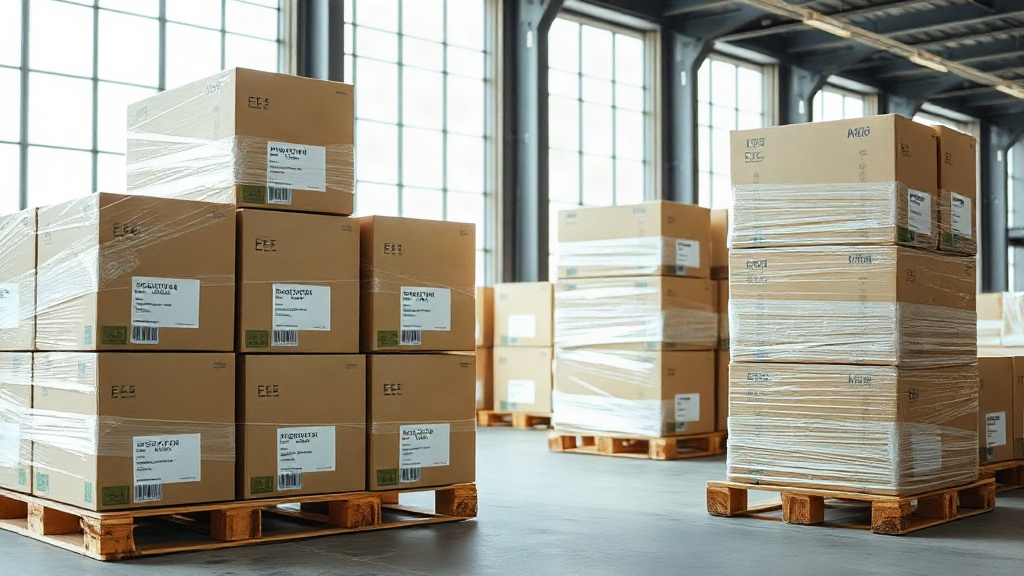
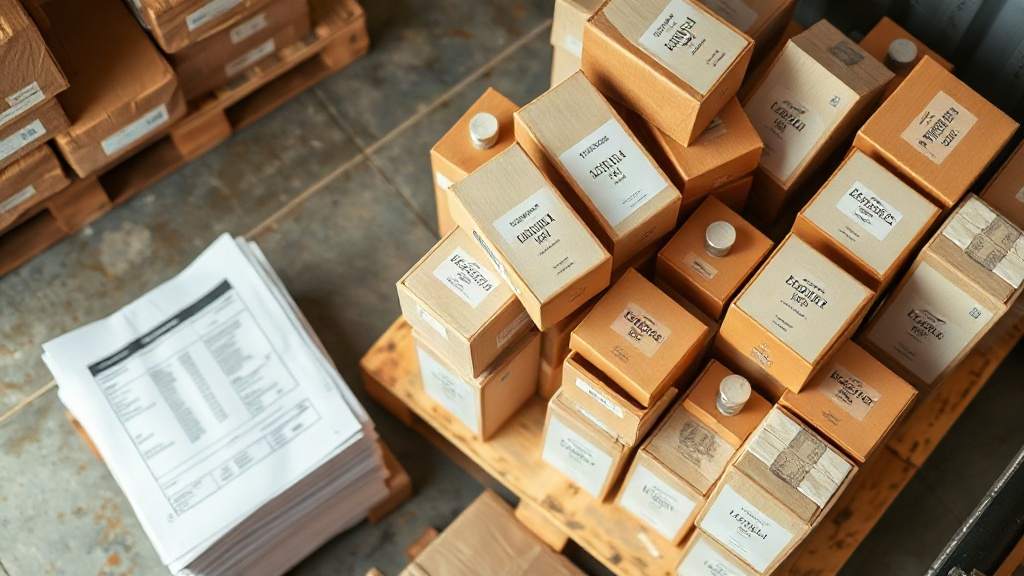
A wholesale perfume supplier is a business that sells fragrances in bulk, at trade pricing, to retailers, distributors, and importers rather than to individual shoppers. These suppliers offer volume-based pricing tiers, a range of packaging formats, and the export documentation that cross-border buyers need to clear customs and resell with confidence. Partnering with a reliable wholesale perfume supplier gives your business access to consistent stock, verifiable authenticity, and the margin structure required to resell profitably across retail, gifting, or duty-free channels.
Summary
- A wholesale perfume supplier sells in bulk to businesses, with pricing and terms tied to order volume rather than single-unit retail pricing.
- The right partner provides authentic, well-documented stock, predictable lead times, and support with export paperwork and customs classification.
- Minimum order quantities, packaging formats (sets, travel sizes, full-size bottles), and payment terms vary between suppliers and deserve careful comparison.
- A long-term supplier relationship reduces sourcing risk and typically unlocks better pricing and flexibility than one-off purchases.
Not every supplier labeled "wholesale" operates the same way. Some are manufacturers selling their own house brands directly; others are licensed distributors moving recognized fragrance houses' stock; and some are consolidators who aggregate inventory from multiple sources without always disclosing where it originates. For a buying business, the distinction matters because it affects pricing consistency, authenticity guarantees, and how much support you get if a shipment arrives damaged or misdescribed. Before signing any purchase agreement, it is worth asking a prospective supplier directly how they source their inventory, whether they hold brand authorizations or import licenses, and what evidence of authenticity they can provide alongside the goods themselves.
Why Partnering with the Right Wholesale Perfume Supplier Matters for Your Business
For a retailer, distributor, or importer, the choice of supplier is rarely just a pricing decision — it is a risk decision. Fragrance is a category where counterfeit and gray-market product circulates widely, and a buyer who cannot trace the origin of their stock is exposed to compliance problems, customer complaints, and reputational damage that can outlast any short-term savings on unit cost. A supplier with transparent sourcing and consistent batch quality protects your storefront or distribution network from those risks and lets you build a catalog you can stand behind.
Supply consistency is equally important. Businesses that resell through pharmacies, gift shops, duty-free counters, online marketplaces, or regional distribution networks need predictable restock cycles to avoid empty shelves during peak seasons such as holidays or wedding periods. A supplier that can commit to realistic lead times — and communicate proactively when a delay is likely — is worth more to your operation than one offering a marginally lower price but vague delivery promises. Finally, a supplier who understands multi-market export requirements, including labeling, language requirements, and classification differences between regions such as the EU, GCC, and North America, reduces the compliance burden on your own team, since much of that groundwork is handled before the goods ever reach your warehouse.
There is also a planning dimension that is easy to underestimate when comparing suppliers on price alone. A business that imports seasonally — stocking up ahead of gifting periods, tourism peaks, or regional holidays — needs a supplier who can forecast alongside them, rather than treating every order as a cold start. Suppliers who ask about your sell-through patterns and adjust their own production or allocation planning accordingly tend to be far more valuable partners over a full trading year than those who simply quote a price and wait for the next purchase order.
Key Criteria for Choosing a Wholesale Perfume Supplier
With so many suppliers competing for B2B buyers' attention, it helps to evaluate candidates against a consistent set of criteria rather than price alone. The following four areas cover most of the due diligence a purchasing or procurement team should complete before placing a first order.
Product Authenticity and Sourcing Transparency
Ask where the stock comes from and request documentation — invoices from the original brand or authorized distributor, certificates of authenticity, or batch codes you can verify. A supplier that is comfortable answering these questions in detail is signaling confidence in their own supply chain.
Minimum Order Quantities and Flexibility
MOQs vary widely depending on the supplier's business model and the product category, whether designer-inspired lines, niche fragrances, or gift sets. Look for a supplier whose MOQ structure matches your business size — a small specialty retailer and a regional distributor have very different ordering needs, and a good supplier should be able to scale with either.
Pricing Structure and Margin Potential
Wholesale pricing should be tiered transparently by volume, with clear terms on how pricing changes as order size grows. Rather than chasing the single lowest unit price, evaluate the full picture: unit cost, shipping terms, payment terms, and how much margin room is left once the product reaches your target market.
Documentation, Compliance, and After-Sales Support
Export paperwork, safety data sheets, and correct customs classification are not optional extras — they determine whether your shipment clears customs on schedule. Equally, ask how the supplier handles disputes: what happens if units arrive damaged, mislabeled, or short of the agreed quantity. A supplier with a clear after-sales process is a safer long-term partner than one who treats every order as final the moment it ships.
Understanding Minimum Order Quantities (MOQ) and the Ordering Process
The typical B2B purchase journey with a wholesale perfume supplier follows a fairly consistent pattern, even though the details vary by supplier. It usually begins with an inquiry describing your business type, target market, and expected order volume. From there, most suppliers share a catalog or price list segmented by category — designer-inspired fragrances, niche collections, gift sets, and travel sizes — along with the MOQ attached to each tier.
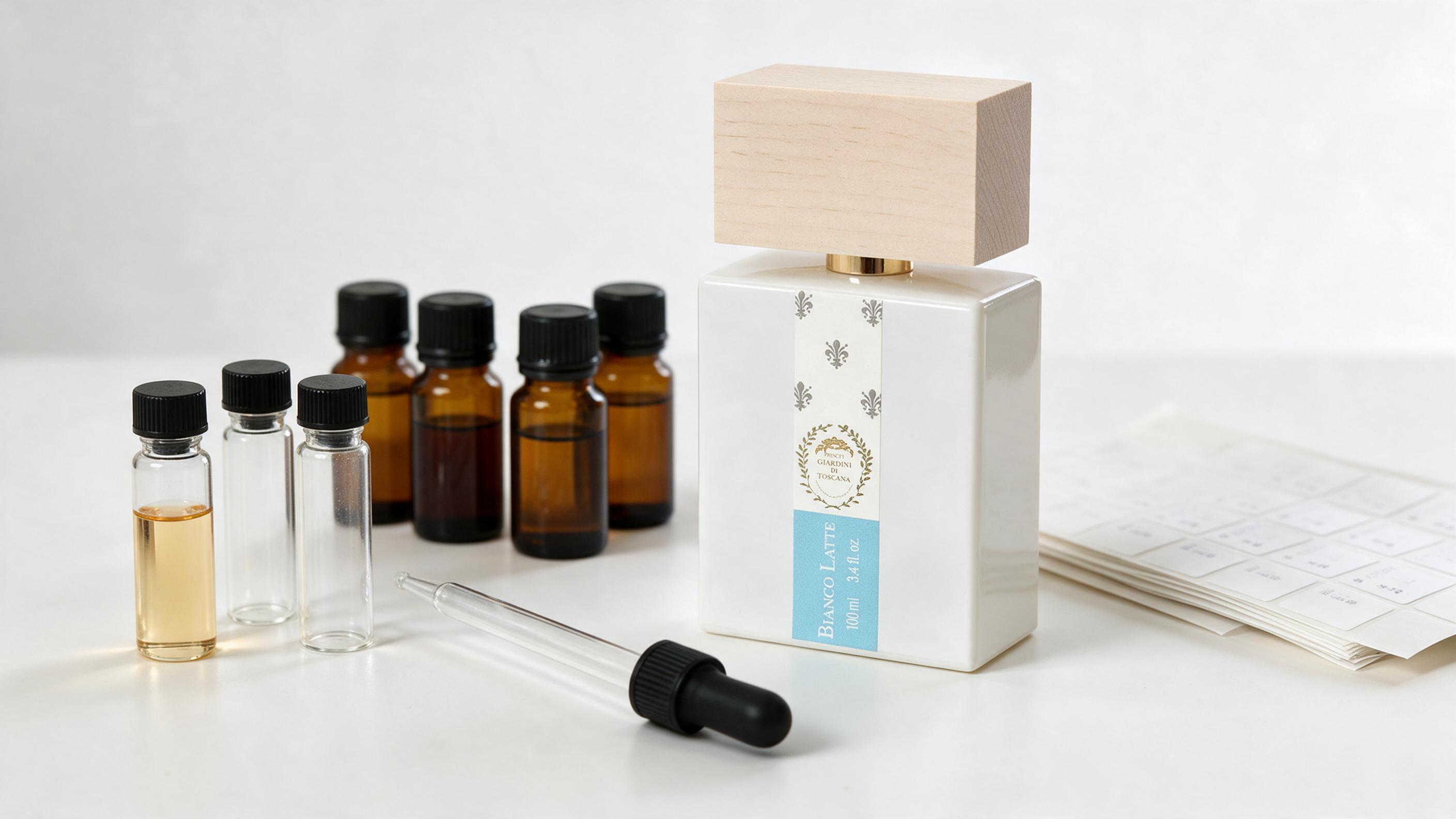
Serious B2B buyers should request samples before committing to a full container or pallet order. A small sample batch lets your team verify scent accuracy, bottle and packaging quality, and labeling before thousands of units are in transit. Once samples are approved, negotiation typically covers unit pricing at your target volume, payment terms, commonly a deposit with the balance due before or upon shipment, and production or dispatch lead time. Because MOQs are often structured in tiers, buyers who can commit to a slightly larger order sometimes unlock meaningfully better per-unit pricing — it is worth asking directly whether the next volume tier is within reach before finalizing an order.
It is also worth clarifying returns and shortage policies up front. Reputable suppliers will specify, in writing, how discrepancies between the ordered and received quantity are resolved, and whether replacement stock or credit is offered for damaged goods. Having this in the purchase agreement before the first order protects both sides and sets the tone for a longer working relationship.
Logistics, Shipping, and Customs Considerations for International Wholesale Orders
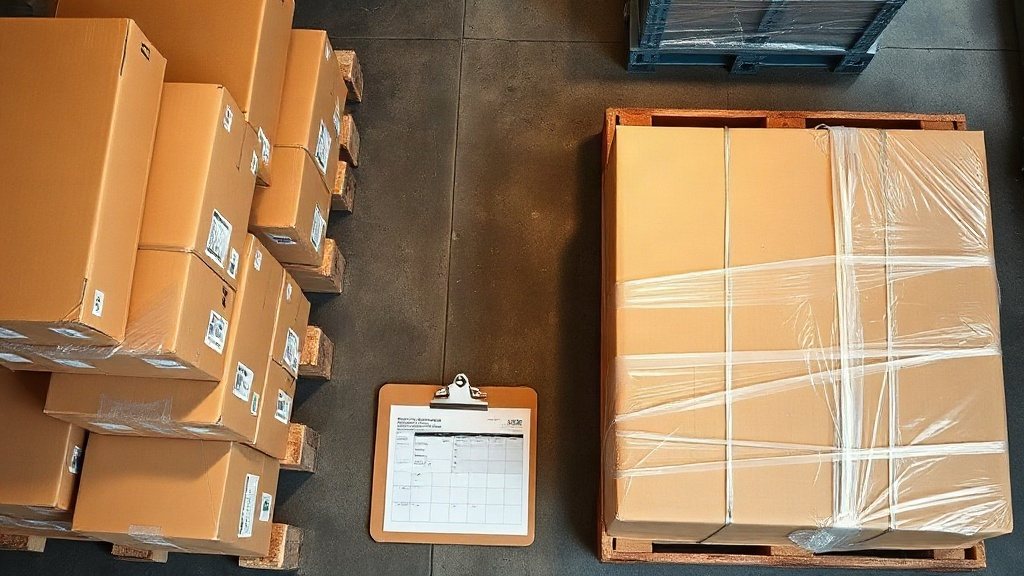
Once pricing and quantity are settled, logistics becomes the next major variable in a wholesale perfume purchase. Buyers typically choose between air freight, which is faster but more expensive per unit, and sea freight, which suits larger, less time-sensitive orders at a lower landed cost. The right choice depends on your order size, how quickly you need stock on shelves, and your warehousing capacity to hold larger sea shipments.
Incoterms — such as FOB, CIF, or EXW — determine exactly where responsibility for shipping, insurance, and risk transfers from supplier to buyer, and should be agreed in writing before an order is confirmed. Perfume also carries specific customs considerations because many fragrances are alcohol-based: correct HS code classification affects duty rates, and some countries apply additional restrictions or permits for alcohol-containing cosmetic goods. A supplier experienced in international wholesale will typically provide the paperwork a customs broker needs, including a certificate of origin, packing list, commercial invoice, and safety data sheet for the shipment.
Import duties and taxes differ by destination country and are generally the buyer's responsibility unless otherwise agreed, so it is worth calculating landed cost — unit price plus freight, insurance, duties, and any local compliance fees — before finalizing margins with your own retail or distribution customers. Working with a supplier who has shipped to your region before, and who can share realistic transit-time expectations, significantly reduces the chance of unpleasant surprises at the border.
Product Range: Matching Formats to Your Market
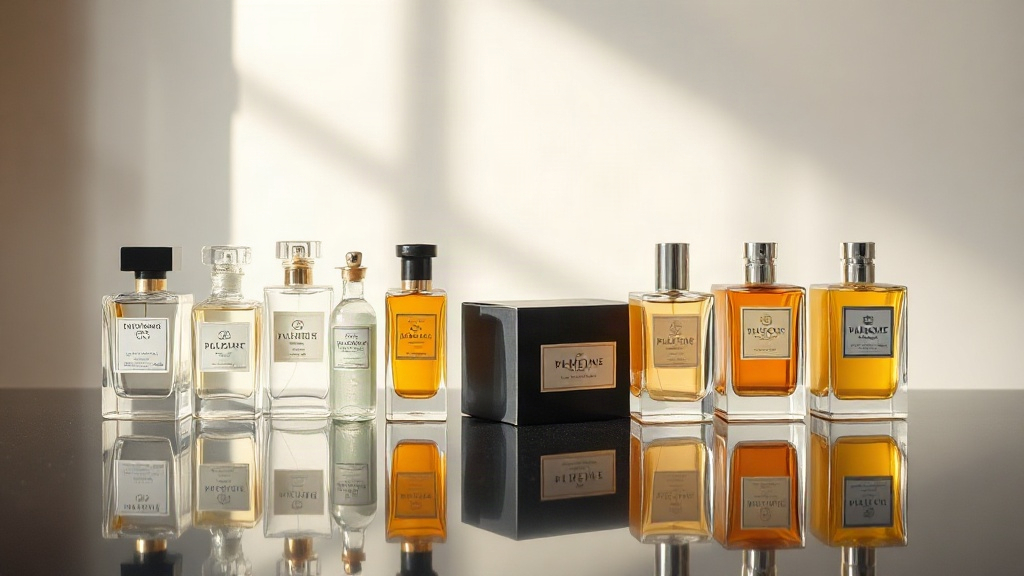
A supplier's product range should match the retail and gifting channels you serve. Three formats are especially relevant for B2B buyers building a diverse catalog, and comparing them side by side helps you plan an assortment rather than ordering one format at a time.
Niche and Designer-Inspired Collections
Niche fragrances appeal to specialty retailers and customers seeking something distinct from mainstream designer lines. If your business targets boutique retail or a more discerning clientele, browsing a supplier's niche perfume collection is a useful way to gauge the depth and quality of their non-mainstream offering before committing to a bulk order.
Wholesale Perfume Sets for Gifting and Multi-SKU Retail
Gift sets — combining a fragrance with complementary items such as a smaller companion bottle or body product — move well during holiday and wedding seasons and give retailers a higher-value SKU to merchandise. Reviewing available wholesale perfume sets can help you plan seasonal assortments without having to bundle products yourself.
Travel and Trial Sizes for Fast-Moving Retail Channels
Smaller formats are well suited to impulse-purchase retail environments, hospitality amenities, and trial-size promotions, while full-size bottles remain the core of most retail assortments. Comparing a supplier's 35ml perfume options against their 50ml perfume range lets you plan a size mix that fits your shelf space, price points, and customer turnover expectations.
Building a Long-Term Relationship with Your Wholesale Perfume Supplier
The most valuable wholesale partnerships rarely form on the first order. They develop over several purchase cycles as both sides learn each other's expectations around lead time, communication, and quality consistency. Buyers who provide regular, honest feedback about which SKUs sell well, which packaging holds up best in transit, and where demand is shifting seasonally give suppliers the information they need to plan production and allocate stock more accurately on future orders.
Over time, a track record of reliable, on-schedule payments and clear communication often opens the door to better terms: extended payment windows, priority allocation during high-demand periods, or early access to new collections before they are offered more broadly. For distributors and importers managing multiple product lines, consolidating a larger share of purchasing with one or two trusted suppliers, rather than spreading small orders across many unverified sources, generally reduces both sourcing risk and the administrative overhead of managing multiple compliance and shipping relationships.
Finally, treat the relationship as a two-way channel. Share your sell-through data where possible, flag quality issues immediately rather than waiting for the next order cycle, and discuss upcoming demand changes, such as a new store opening, a seasonal promotion, or a new export market, well in advance. Suppliers who understand your growth plans are better positioned to support them with appropriate stock levels and pricing, and that kind of planning partnership is usually what separates a one-time transaction from a dependable, ongoing supply relationship.
Frequently Asked Questions
What is the typical minimum order quantity for a wholesale perfume supplier?
Minimum order quantities vary by supplier and product category, and are typically structured in tiers so that larger commitments unlock better per-unit pricing. Rather than relying on a single published figure, it is best to request a current MOQ breakdown directly from the supplier for the specific categories, such as niche, sets, or travel sizes, that you intend to order.
How can I verify that a wholesale perfume supplier sells authentic products?
Ask for documentation that traces the product back to the brand or an authorized distributor, such as invoices, certificates of authenticity, or verifiable batch codes. A supplier willing to provide this information readily, and to answer detailed sourcing questions, is generally a stronger sign of legitimacy than price alone.
What documents do I need to import perfume wholesale into my country?
Most international perfume shipments require a commercial invoice, packing list, certificate of origin, and a safety data sheet, since many fragrances are alcohol-based and subject to specific customs classification. Requirements differ by destination, so it is worth confirming the exact document set with your customs broker and your supplier before the shipment departs.
Can I get a mix of brands and sizes in a single wholesale order?
Many wholesale perfume suppliers allow mixed orders combining different fragrance lines, set formats, and bottle sizes within the same shipment, particularly once a minimum total order value or quantity is reached. Confirm this flexibility with your supplier during the quotation stage so your assortment planning matches what can actually be fulfilled in one shipment.