A perfume wholesale distributor is a B2B supplier that sells branded and niche fragrances in bulk, at tiered unit prices, directly to retailers, regional distributors and importers rather than to individual shoppers. Working with one gives a business a consistent catalog, predictable lead times and a single point of contact for authenticity, documentation and reordering. The right distributor functions less like a one-off supplier and more like a long-term sourcing partner for your shelf or storefront.
Summary
- A perfume wholesale distributor supplies fragrances in bulk at B2B pricing, with minimum order quantities, tiered discounts and recurring restock cycles instead of single-unit retail sales.
- Reliable distributors are judged on sourcing transparency, catalog depth, consistent stock availability and clear export documentation, not just on unit price.
- Logistics, customs clearance and realistic lead times should be mapped out before the first order is placed, since fragrance shipments carry specific handling and documentation requirements.
- Margin planning depends on order volume, bottle size mix and category, so buyers should request tiered pricing across SKUs before committing to a first container or pallet order.
What Is a Perfume Wholesale Distributor and How Does It Work?
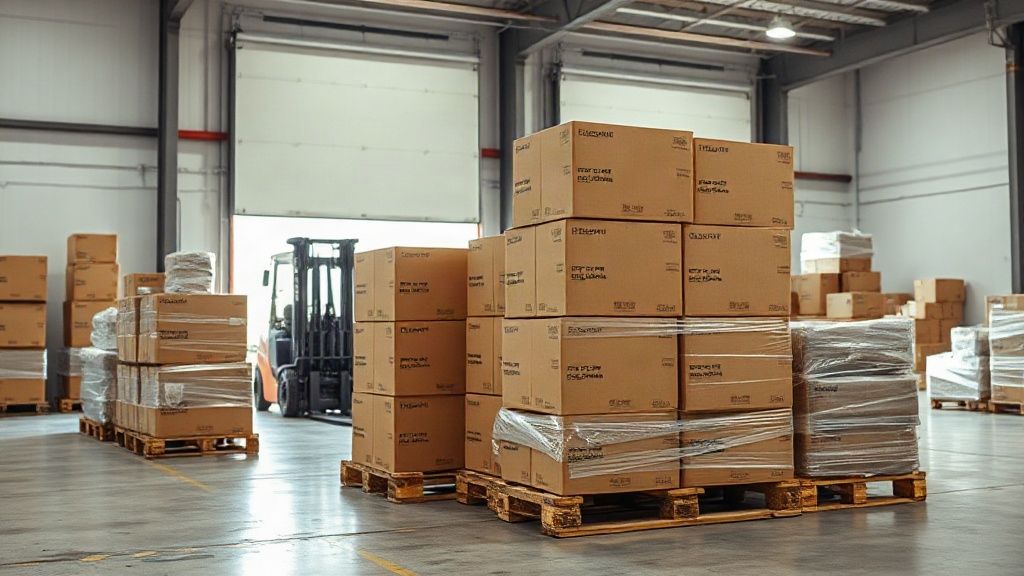
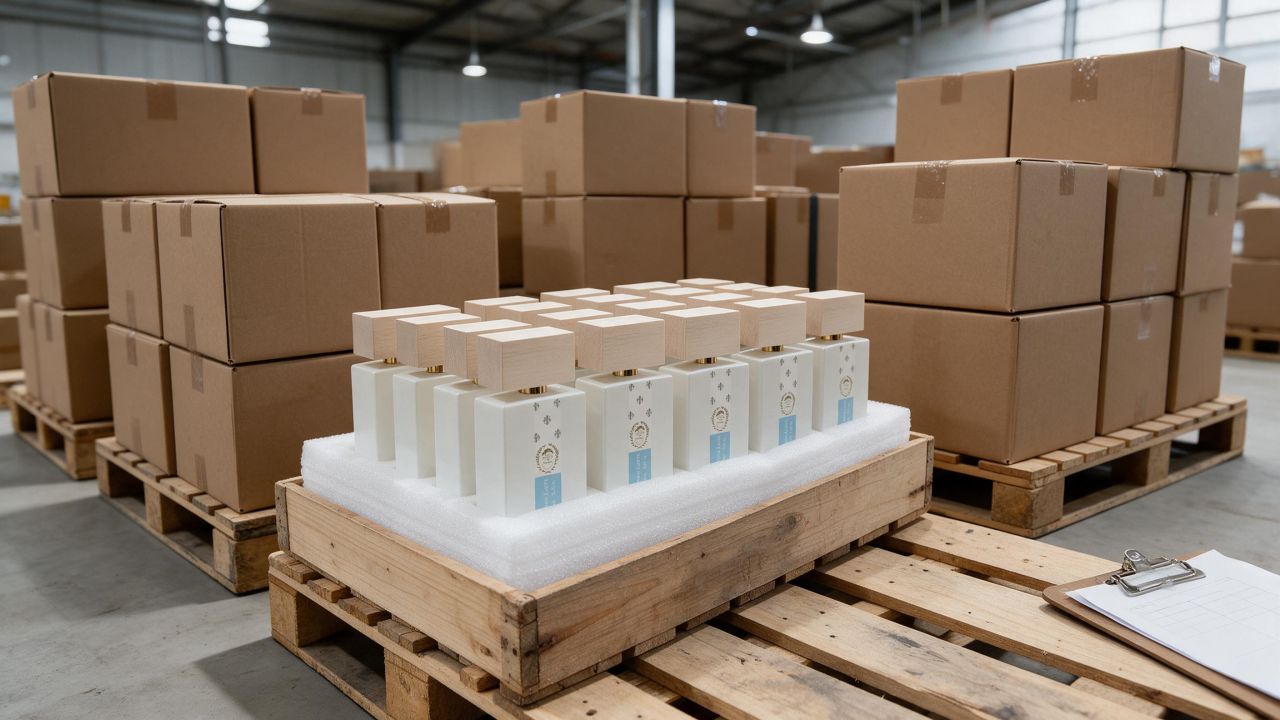
In practical terms, a perfume wholesale distributor operates as the layer between a brand or manufacturer and the retail or regional market. Instead of a single bottle changing hands at a counter, the distributor moves cartons, pallets or container loads, invoiced against a wholesale price list that typically scales with order volume. A buyer registers as a business account, reviews the available catalog, agrees on a minimum order, and then places recurring purchase orders as stock sells through.
This structure exists because fragrance production and import carry fixed costs, including customs clearance, batch testing, warehousing and insurance, that only make sense to absorb at volume. A distributor that has already cleared and warehoused stock can pass predictable pricing and faster dispatch on to the next buyer in the chain, whether that buyer is a perfumery, a pharmacy chain, a duty-free operator or an online reseller building a private storefront.
Most established distributors maintain a mixed catalog spanning designer names, niche houses and private-label or set formats, so that a single purchase order can cover several price points for a retailer's shelf. Browsing a distributor's niche perfume collection alongside its mainstream lines is usually the fastest way to judge how broad and well-curated that catalog actually is.

Why B2B Buyers Partner With a Wholesale Perfume Distributor
For a retailer or importer, sourcing directly from a wholesale distributor solves three recurring problems: supply consistency, price predictability and product breadth. Negotiating individually with dozens of brands is slow and fragments purchasing power, while a distributor consolidates that sourcing into one relationship and one set of terms.
Consistency matters more than it first appears. A shop that advertises a fragrance line and then cannot restock it loses the customer relationship built around that product. Distributors that hold real depth of stock, not just a wide list of SKUs with thin quantities, let a retailer commit to a product line with confidence that reorders will arrive on a similar schedule each time.
Price predictability is the second driver. Wholesale pricing is typically tiered, so a buyer ordering a few cartons pays one rate, while a buyer committing to a pallet or container pays a lower per-unit rate. Knowing those tiers in advance lets a retailer plan margin against realistic order sizes rather than guessing after the fact.
Finally, breadth of catalog allows a single buyer to diversify risk across categories: niche and designer fragrances, fragrance sets for gifting seasons, and multiple bottle sizes for different price points, all without managing separate supplier relationships for each segment of the business.
Buyers evaluating a potential partner should also look at who else the distributor already serves. A distributor whose existing B2B accounts include independent perfumeries, pharmacy and cosmetics chains, duty-free operators, regional distributors and online resale businesses is generally better positioned to support a new account's growth, since its processes, documentation and stock planning have already been tested across a range of order sizes and markets.
Key Criteria for Choosing a Reliable Perfume Wholesale Distributor
Price is the easiest variable to compare and the least reliable one to decide on alone. A lower unit price from an unverified source can cost far more in returned shipments, customs holds or damaged brand reputation than a slightly higher price from a distributor with clean, repeatable processes.
Product Authenticity and Sourcing Transparency
A distributor should be able to explain where stock originates, whether that is authorized distribution, parallel import, or direct brand relationships, and should provide batch or lot information on request. Buyers should be cautious of suppliers who cannot answer basic sourcing questions or who are unwilling to share product documentation before an order is placed.
Catalog Depth and Consistency of Supply
Ask for current stock levels, not just a product list. A distributor with a long catalog but shallow stock on most lines will create the same restocking problems a retailer was trying to avoid by going wholesale in the first place. It is also worth asking how often the catalog is refreshed with new releases, since fragrance retail depends on rotating in new names alongside reliable bestsellers.
Communication and Account Support
A dedicated account contact who can confirm lead times, resolve a documentation question, or adjust an order before it ships is a strong signal of a distributor built for repeat B2B business rather than one-off sales. This becomes especially important once order volume grows and small delays start to have real downstream cost for the retailer's own customers.

Minimum Order Quantities and the Wholesale Ordering Process
Minimum order quantities, often shortened to MOQs, exist to keep per-unit handling and shipping costs viable for both sides of the transaction. MOQs vary by distributor and by product line, since a niche fragrance in limited supply may carry a smaller MOQ than a high-volume mainstream line, reflecting the different economics of sourcing and packing each category.
A typical B2B ordering cycle runs through a few predictable steps. The buyer requests a current price list and catalog, confirms stock availability on the specific SKUs of interest, agrees on quantity and payment terms, and receives a proforma invoice before the order is confirmed and dispatched. New business accounts are often asked for basic company verification, such as a business registration or resale certificate, before wholesale pricing is extended, which is a normal part of working with a legitimate distributor rather than a warning sign.
Buyers planning their first order should request the MOQ and pricing tiers across the full range they intend to stock, including perfume gift sets if seasonal or gifting assortments are part of the plan, so the purchase order can be structured efficiently in a single shipment rather than several smaller and more expensive ones.
Logistics, Shipping and Customs Considerations
Fragrance is treated as a regulated shipping category primarily because of its alcohol content, which affects transport mode options and documentation requirements. Air freight is faster but typically more restricted and costlier for bulk fragrance shipments, while sea freight is the standard choice for larger pallet or container orders where lead time can be planned several weeks in advance.
Customs clearance for cosmetics and fragrance generally requires accurate product declarations, safety data sheets, and correct tariff classification on the importer's side. Working with a distributor that routinely exports and can supply complete, consistent paperwork meaningfully reduces the risk of a shipment being held at the border, a disruption that is far more costly in lost selling time than any per-unit savings from a cheaper, less organized source.
Shipping terms, often referred to as Incoterms, determine exactly where responsibility and cost shift from distributor to buyer, and they are worth confirming before the first order rather than after. Terms such as FOB, where the buyer takes responsibility once goods are loaded at the port of origin, or CIF, where the distributor covers freight and insurance to the destination port, change the landed cost calculation significantly. Clarifying which term applies, and what happens if a shipment is delayed or damaged in transit, protects both sides from disputes once goods are already in motion.
Buyers importing internationally should also factor in realistic transit windows when planning inventory, since fragrance shipments can take anywhere from a few days by air to several weeks by sea depending on origin, destination and customs processing at both ends. Building a small buffer stock into the reorder schedule helps absorb normal variation in transit time without leaving shelves empty or forcing a rushed, more expensive reorder.
Profit Margins and Pricing Strategy for Resellers
Margin in fragrance wholesale is shaped by three levers: order volume, product category, and bottle size mix. Larger orders unlock lower per-unit wholesale pricing, which directly widens the margin available at resale. Category matters too, since niche and specialty fragrances often carry different margin structures than high-volume designer names, as they compete on exclusivity rather than recognition alone.
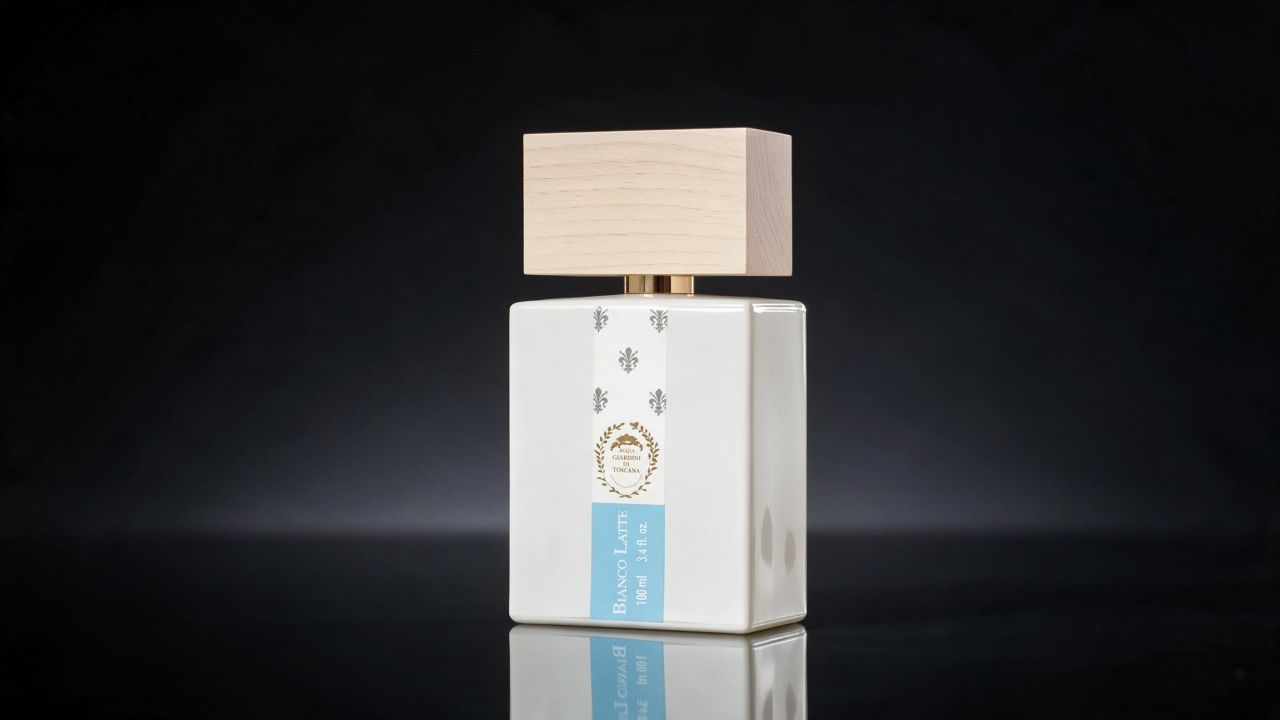
Bottle size is a lever that is easy to overlook. Smaller formats can support a different price-per-milliliter positioning than larger bottles, which means a retailer stocking a mix of sizes, for example pairing 38ml perfume formats for trial-size or gift-oriented buyers alongside 50ml perfume bottles for regular customers, can capture more than one price point from the same product line without duplicating supplier relationships.
A sound approach is to request pricing at two or three order-volume tiers before committing, model expected sell-through at each tier against the resulting margin, and only then decide the size of the first purchase order. Treating the first order as a calibration run rather than a maximum commitment gives a new buyer room to confirm quality, delivery reliability and sell-through before scaling up the relationship with larger, more frequent orders.
Margin earned on a steady core catalog is also what funds experimentation with newer or more niche lines. Retailers who treat their best-selling SKUs as the stable base of the business, and reinvest a portion of that margin into testing smaller batches of new or seasonal fragrances, tend to grow their catalog more sustainably than those who chase the lowest possible unit price across every order and have little room left to test what their own customers actually respond to.
Building Your Catalog: Niche Lines, Sets and Bottle Sizes
A balanced wholesale catalog usually blends three elements: recognizable names that drive footfall, niche or specialty lines that support higher positioning and differentiate a storefront from competitors, and gift-oriented formats that perform well around seasonal buying periods such as holidays and year-end gifting.
Niche fragrances are particularly useful for retailers trying to stand apart from stores selling the same handful of mainstream names. A distributor with a genuinely curated niche selection, rather than a generic long-tail list, makes it realistic to build a section of the catalog around exclusivity and story, which supports better margins than competing purely on recognizable, heavily discounted names.
Sets and multi-piece formats deserve a dedicated place in the ordering plan, especially ahead of gifting seasons, since they let a retailer offer a higher basket value per transaction without needing to source additional standalone SKUs. Rounding out the assortment with a deliberate mix of bottle sizes, smaller formats for discovery or travel-oriented buyers and standard sizes for everyday reordering, helps a catalog serve more customer segments from the same supplier relationship rather than forcing a retailer to choose one format at the expense of another.
Frequently Asked Questions
What is the difference between a perfume wholesale distributor and a manufacturer?
A manufacturer produces the fragrance itself, while a distributor sources finished, packaged product, often from multiple brands or manufacturers, and resells it in bulk to retailers, importers and other businesses. Most B2B buyers work with distributors because they offer a broader catalog in one account than any single manufacturer could provide on its own.
How do I verify that a perfume wholesale distributor is legitimate?
Look for a business that can provide clear sourcing information, batch or lot documentation on request, consistent stock availability rather than a list with little real inventory behind it, and a responsive account contact. A legitimate distributor will generally also ask for basic business verification before extending wholesale account pricing to a new buyer.
What documents are needed to import wholesale perfume internationally?
Typical requirements include a commercial invoice, packing list, and in many jurisdictions safety data sheets and correct customs tariff classification for cosmetics containing alcohol. Requirements vary by destination country, so it is worth confirming the exact list with both the distributor and a customs broker before the first shipment is booked.
How much should I order on my first purchase from a wholesale distributor?
Many buyers start near the distributor's minimum order quantity on their core SKUs to confirm quality, packaging condition and delivery reliability before scaling further. Once that first cycle performs well, order volume can be increased to access better pricing tiers with confidence rather than risk.