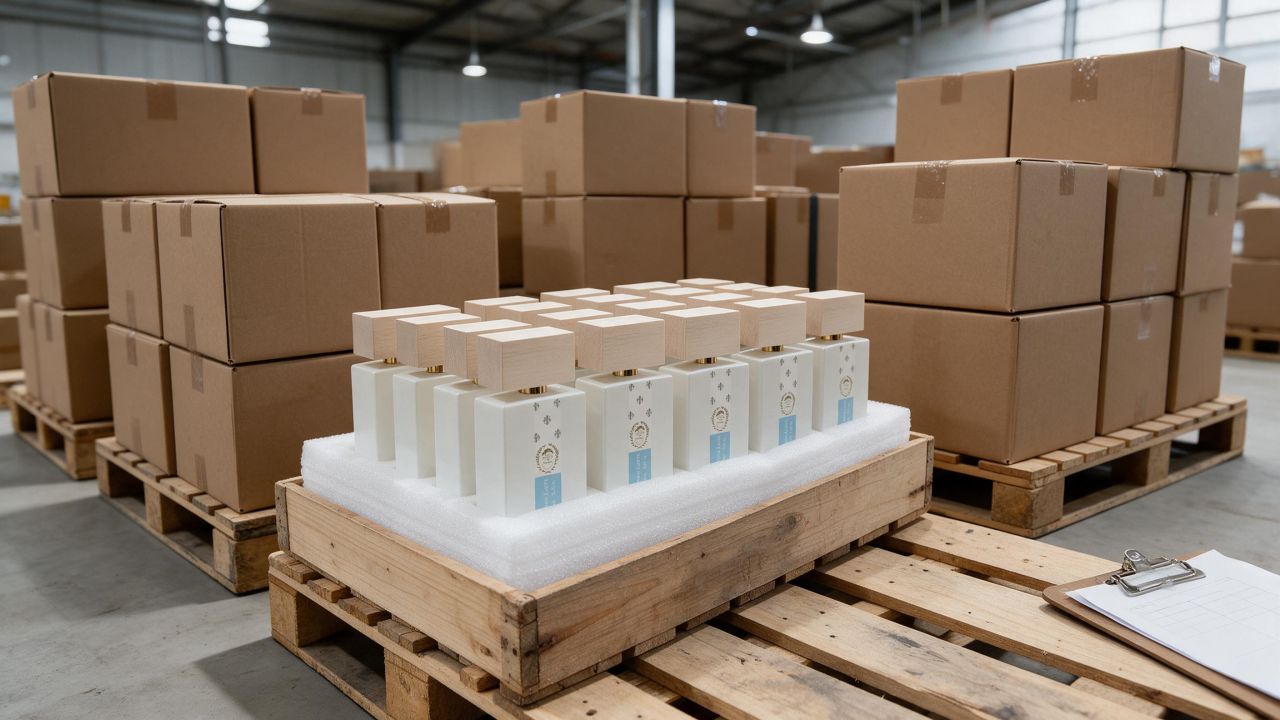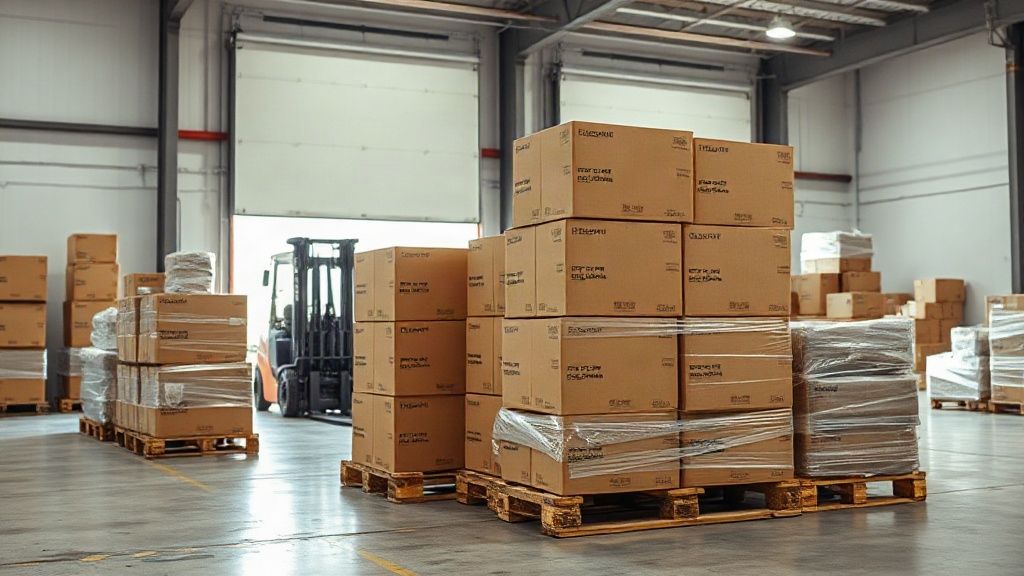
Wholesale perfume suppliers are manufacturers, licensed distributors, or brand-direct exporters that sell fragrance inventory in bulk to retailers, importers, and resellers rather than to individual shoppers. A reliable supplier offers consistent batch quality, documented authenticity, workable minimum order quantities, and export-ready logistics. For B2B buyers, the right supplier relationship is the difference between a predictable margin and a warehouse full of unsellable stock.
Özet
- Wholesale perfume suppliers fall into a few distinct categories — brand-direct exporters, authorized distributors, and private-label manufacturers — and each suits a different buyer profile.
- Vetting a supplier means checking batch traceability, authenticity documentation, and consistency across repeat orders, not just the first sample.
- Minimum order quantities, tiered pricing, and shipping terms (FOB, CIF, EXW) directly shape your landed cost and realistic margin.
- Customs classification, labeling compliance, and freight planning should be settled before the first purchase order, not after the shipment is stuck at port.
What Does a Wholesale Perfume Supplier Actually Offer B2B Buyers?
A wholesale perfume supplier is structurally different from a retail seller. Where a retail shop sells single units at listed prices, a wholesale supplier operates around order volume, tiered pricing, and a buyer who intends to resell. For a retailer, distributor, or importer, this changes what actually matters in the relationship: consistency across thousands of units, not the appeal of a single bottle.
In practice, a wholesale supplier should be able to provide catalog depth (multiple brands, concentrations, and bottle sizes within one order), batch-level consistency (the fragrance you reorder in month six smells and performs the same as the one you bought in month one), and paperwork that supports resale — invoices, certificates of origin, and in many markets, safety data sheets. Buyers sourcing for pharmacies, duty-free counters, or multi-brand retail floors also need a supplier that can mix SKUs within a single shipment, rather than forcing a full-container commitment per brand.
Finally, a wholesale relationship should give the buyer room to grow. A supplier that only quotes one static price regardless of volume, or that cannot scale an order from a trial case to a full pallet, is signaling that the relationship was never designed for repeat B2B business.
Types of Wholesale Perfume Suppliers You Will Encounter
Not every supplier labeled "wholesale" operates the same way. Understanding the category helps a buyer set the right expectations for pricing, lead time, and product range.
Brand-Direct Exporters
These suppliers work directly with fragrance houses or hold direct distribution rights, exporting finished, branded perfume in bulk. They typically offer the widest catalog of recognizable names and the clearest authenticity trail, which matters most to buyers reselling into markets where customers expect well-known labels.
Authorized Distributors and Regional Resellers
These suppliers buy in bulk from brand-direct sources and resell smaller lots to retailers who cannot meet a manufacturer's minimum order. They add a markup but lower the entry barrier for smaller or first-time wholesale buyers.
Private-Label and Niche Manufacturers
Some suppliers produce fragrance under their own formulations, sold either under the buyer's brand or as a standing niche line. Buyers looking to differentiate a retail assortment rather than compete purely on recognizable names often look here — for example, browsing a curated niche perfume collection gives a sense of how a smaller, distinctive catalog can sit alongside mainstream brands in a wholesale order.
Liquidation and Overstock Sellers
These suppliers move excess or discontinued inventory at steep discounts. The savings can be real, but batch consistency and long-term availability are not guaranteed — this category suits opportunistic buyers, not retailers building a recurring assortment.
How to Vet and Evaluate a Wholesale Perfume Supplier
Price is the easiest thing to compare between suppliers and the least reliable way to choose one. A lower quote that arrives late, mislabeled, or inconsistent from batch to batch costs more than it saves. Buyers should run every candidate supplier through the same checklist before committing to a purchase order.
- Authenticity documentation: ask for certificates of origin, brand authorization letters where applicable, and batch or lot numbers that can be cross-checked.
- Sample-to-bulk consistency: order a small trial case before a full pallet, then compare it against the next shipment once reorders begin.
- Production and quality control transparency: a supplier willing to describe or show how fragrance is filled, sealed, and batch-tested is signaling confidence in its own process.
- Communication and responsiveness: how a supplier handles a pre-sale question about lead time or packaging options is a preview of how they will handle a post-sale problem.
- References or trading history: an established supplier should be comfortable pointing to how long they have exported and to which regions.
Buyers new to fragrance sourcing sometimes treat the first quote as the finish line. It should be treated as the starting point of a longer evaluation that only concludes after a second or third reorder confirms the supplier holds quality steady at volume.

Minimum Order Quantities, Pricing Structures, and Margin Planning
Wholesale pricing is almost never a flat number. Most suppliers structure it in tiers tied to volume, where the per-unit cost drops as the order size increases, and bottle size, concentration, and packaging format (boxed versus shrink-wrapped, single unit versus multi-piece sets) all factor into the quote. Buyers should ask for a tiered price sheet rather than a single figure, so the full range of order sizes — and the volume needed to reach the next price break — is visible up front.
Minimum order quantity (MOQ) is the other half of the equation. MOQs vary by product category: a well-known branded fragrance in a standard size may carry a lower MOQ than a limited or niche formulation, simply because the latter is produced in smaller runs. Buyers planning a first order should ask whether MOQ is set per SKU or across a mixed shipment, since a supplier that allows mixed-SKU pallets gives a retailer far more flexibility to test multiple products without overcommitting to any single one.
Payment terms are a related part of the agreement that buyers sometimes negotiate too late. New supplier relationships commonly start with a deposit against the order and the balance due before or upon shipment, while an established relationship with a longer track record may move to net terms or a letter of credit. Clarifying payment structure, currency, and any inspection step before full payment protects both sides and should be settled in writing alongside the price quote.
Margin planning should account for more than the unit price. Freight, insurance, customs duty, currency conversion, and any required local compliance testing or labeling all sit between the supplier's quoted price and the buyer's actual landed cost. A wholesale buyer who only compares supplier quotes side by side — without adding these downstream costs — risks approving an order that looks attractive on paper and performs poorly once it clears customs.
Logistics, Customs, and International Shipping for Bulk Perfume Orders
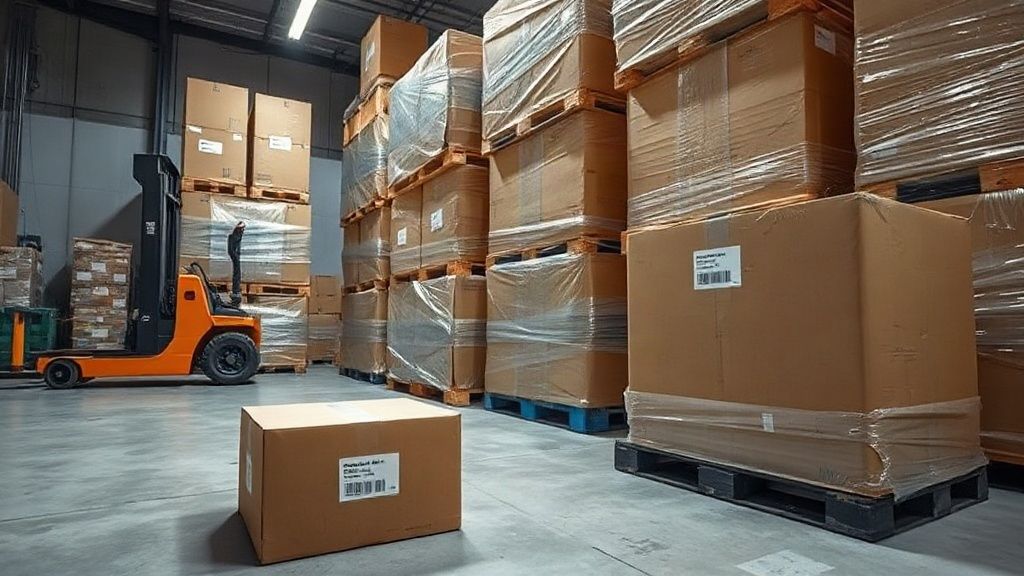
Perfume is classified in most jurisdictions as a dangerous or hazardous good for shipping purposes, because of its alcohol content. This single fact shapes almost every logistics decision in a wholesale order.
Freight Mode and Shipping Terms
Air freight is faster but carries additional dangerous-goods surcharges and stricter packaging rules; sea freight is the standard choice for full container loads and larger wholesale volumes, with longer lead times that need to be planned around seasonal demand. Buyers should also clarify shipping terms early — whether the quote is EXW (buyer arranges pickup and all transport), FOB (supplier handles origin-port loading), or CIF (supplier arranges freight and insurance to the destination port) — since each term shifts cost and risk differently between buyer and supplier.
Customs Classification and Documentation
Correct tariff classification, a complete commercial invoice, packing list, and certificate of origin are the minimum documents customs brokers will request. Buyers importing fragrance regularly should work with a broker familiar with cosmetics and alcohol-based goods, since misclassification is one of the most common causes of shipment delays and unexpected duty assessments.
Labeling, Insurance, and Local Compliance
Many destination markets require ingredient disclosure, batch coding, or language-specific labeling before perfume can legally be sold at retail. Confirming these requirements with the supplier before production — rather than after the shipment arrives — avoids relabeling costs or, in the worst case, stock held at customs. Cargo insurance is also worth confirming explicitly rather than assuming it is included: glass bottles and alcohol-based liquid are vulnerable to breakage and temperature extremes in transit, so buyers should know whether insurance is covered under CIF terms or needs to be arranged separately, and what the claims process looks like if a shipment arrives damaged.
Choosing the Right Product Mix for a Wholesale Order
Once a supplier relationship is established, the next decision is assortment: which categories and formats actually move at retail or distribution level. A mixed order that balances recognizable names with differentiated options tends to perform better than a single-category bet.
Niche and designer fragrances each serve a different shelf position — niche lines support higher perceived value and differentiation, while mainstream branded perfume drives volume and repeat purchase. Many wholesale buyers also build in perfume sets, which work well for gifting seasons and bundle promotions, alongside standard single bottles. Bottle size is another lever worth planning deliberately: a 38ml perfume format suits travel-size or trial-focused retail, while a 50ml perfume format is often the standard full-size option that anchors a core assortment. Ordering across these formats in a single purchase order, where the supplier allows it, spreads risk across price points and customer segments rather than concentrating it in one.

Building a Reliable Long-Term Supply Partnership
A single successful order does not confirm a supplier relationship; a pattern of successful reorders does. Buyers who intend to stock fragrance on an ongoing basis should treat the first few purchase orders as a trial period for the relationship itself, not just for the product.
Practical steps that strengthen a long-term partnership include agreeing on a reorder cadence so both sides can plan production and inventory around a predictable schedule, establishing a direct point of contact rather than routing every question through a general sales inbox, and setting clear expectations around lead time variance, especially around peak seasons such as major gifting holidays when fragrance demand and freight capacity both tighten. Sharing rough sales forecasts with a supplier, even informally, also tends to improve service: a supplier who knows a buyer's typical reorder volume and seasonal peaks in advance can hold stock or schedule production accordingly, rather than treating every purchase order as a surprise.
Price renegotiation is a normal and healthy part of a mature wholesale relationship. As order volume grows and a track record builds, buyers are generally in a position to revisit pricing tiers, payment terms, or exclusivity arrangements for certain product lines. Suppliers that are unwilling to discuss any adjustment after a sustained, growing order history are worth questioning.
Red Flags That Signal an Unreliable Supplier
Some warning signs are visible before the first order ever ships. Watch for a supplier that refuses to provide any documentation of product origin or batch numbers, that pressures a buyer into a large first order without offering a smaller trial quantity, or that cannot clearly explain its own shipping terms and who bears responsibility for freight, insurance, and customs at each stage. Buyers should also be cautious of suppliers that cannot produce a sample invoice or trade reference on request, since a supplier confident in its own standing is typically willing to share this information before a deposit changes hands.
Inconsistent communication is another early signal — a supplier that is highly responsive during the sales process but slow or evasive once a deposit is paid often behaves the same way when a post-delivery issue needs resolving. Finally, prices that sit dramatically below every other quote in the market deserve scrutiny rather than excitement; in wholesale fragrance sourcing, an unusually low price is far more often a sign of questionable authenticity or an unsustainable business than genuine savings.
Frequently Asked Questions
What is a reasonable minimum order quantity when starting with a new wholesale perfume supplier?
This varies by supplier and product category, but most reputable suppliers offer a trial-size MOQ specifically for new buyers, smaller than their standard bulk minimum. Asking directly whether a trial order is available is a normal and expected question in B2B sourcing.
How can a buyer confirm a wholesale perfume supplier is selling authentic product?
Request certificates of origin, batch or lot numbers, and any brand authorization documentation the supplier holds. Cross-checking batch numbers and comparing a trial sample against known authentic product before placing a full order adds a further layer of confidence.
Do wholesale perfume shipments require special customs handling?
Yes. Perfume generally ships as a dangerous good due to its alcohol content, which affects freight mode, packaging, and documentation requirements. Working with a customs broker experienced in cosmetics and alcohol-based goods helps avoid classification errors and delays.
Should a wholesale buyer order a single fragrance category or a mixed assortment?
A mixed assortment across niche and mainstream lines, bottle sizes, and formats such as perfume sets generally spreads risk better than concentrating an entire order in one category, provided the supplier allows mixed-SKU purchase orders.