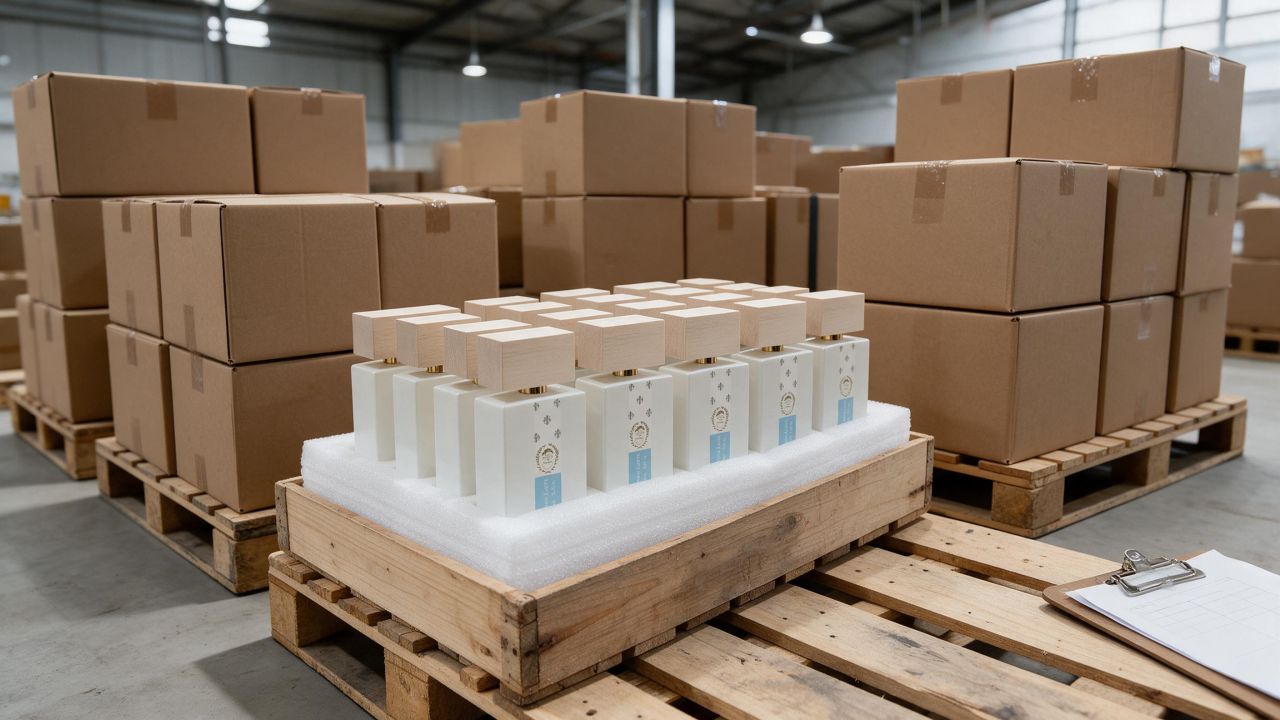
Wholesale perfume in New York refers to sourcing fragrances in bulk, below standard retail pricing, through importers, licensed distributors, or authorized liquidation suppliers based in or shipping through the New York metro area — a hub favored for its port access, air cargo infrastructure, and dense network of fragrance trading businesses. For retailers, boutiques, salons, and online resellers, buying wholesale here means lower per-unit costs, access to both niche and designer brands, and faster replenishment than importing directly from overseas factories. The trade-off is that buyers must verify authenticity documentation, minimum order requirements, and import compliance before committing to any single supplier.
Summary
- New York remains a leading wholesale perfume hub because of its port and air-cargo logistics, its long trading history in fragrance and beauty goods, and its concentration of licensed importers and distributors.
- Serious B2B buyers prioritize suppliers that provide authenticity documentation, consistent batch quality, and transparent minimum order quantities (MOQs) rather than the lowest headline price.
- Margins depend heavily on assortment strategy: niche and smaller-format bottles often support stronger positioning than commodity designer SKUs sold everywhere.
- Customs classification, labeling, and hazardous-materials paperwork for alcohol-based fragrance are the most common stumbling blocks for first-time wholesale buyers — plan for them before placing an order, not after.
What "Wholesale Perfume New York" Actually Means for B2B Buyers
When procurement teams search for wholesale perfume in New York, they are usually looking for one of three distinct supply models, and confusing them leads to bad sourcing decisions. The first is brand-authorized wholesale, where a distributor has a direct or licensed relationship with the fragrance house and can supply current-season stock with full traceability. The second is parallel-market or diverter wholesale, where genuine product moves through secondary channels outside the brand's official distribution — often cheaper, but with more variable documentation. The third is closeout or liquidation wholesale, which covers overstock, discontinued packaging, or end-of-season inventory sold at a steep discount to move volume quickly.
Each model has a legitimate place in a retailer's buying strategy, but they carry different risk profiles. A boutique building a long-term niche fragrance program will usually prioritize brand-authorized or well-documented parallel channels, while a discount retailer or marketplace seller may lean more heavily on liquidation lots. Understanding which model a given New York supplier operates under — and asking directly — is the single most useful question a buyer can ask before requesting a quote.
New York's wholesale perfume trade also includes specialized importers who focus specifically on niche and independent perfume houses rather than mass-market designer lines. For buyers trying to differentiate a retail assortment, working with a supplier whose catalog includes niche perfume collections alongside mainstream names can be a meaningful point of difference versus competitors who only stock the same handful of bestsellers.
Why New York Is a Strategic Hub for Wholesale Perfume Sourcing

New York's position as a wholesale perfume hub is not accidental. The Port of New York and New Jersey is one of the busiest container ports on the East Coast, giving importers direct access to ocean freight from European and Middle Eastern fragrance manufacturing centers. JFK Airport adds air-cargo capacity for smaller, time-sensitive, or higher-value shipments, which matters for seasonal launches and limited releases. On top of the physical infrastructure, the city has a long-standing concentration of beauty and fragrance trading businesses, customs brokers who specialize in cosmetics and alcohol-based goods, and freight forwarders familiar with the specific paperwork fragrance shipments require.
For a wholesale buyer, this concentration translates into practical advantages: shorter lead times to major East Coast retail markets, suppliers who already understand fragrance-specific import rules, and a competitive supplier landscape that keeps pricing and service levels honest. It also means buyers outside the immediate metro area — in Florida, Texas, or Canada, for example — can still source through New York-based wholesalers and benefit from the city's logistics network without needing a local presence themselves.
That said, "based in New York" does not automatically mean "good supplier." Buyers should still confirm where the physical inventory sits, how orders ship once placed, and whether the supplier can reliably hit the delivery windows a retail calendar demands, especially around major shopping seasons.
Building a Balanced Wholesale Catalog: Formats, Brands, and Assortment
One of the most overlooked parts of sourcing wholesale perfume is assortment planning. Buyers who simply reorder whatever was cheapest last time tend to end up with a catalog that looks identical to every competitor's. A more deliberate approach mixes several elements.
Mix niche and recognizable names
Recognizable designer fragrances drive foot traffic and give customers a reason to trust the shop, but they are also the easiest products for shoppers to price-compare. Rounding out the assortment with niche and independent perfume lines gives a retailer something a big-box competitor is less likely to stock, which supports both differentiation and healthier margins.
Think in formats, not just brands
Bottle size matters more in wholesale planning than most new buyers expect. Smaller formats such as 38ml bottles are useful for travel-size displays, gift-with-purchase promotions, and lower-risk trial orders of a new brand, while 50ml bottles tend to work better as a retailer's core, everyday-carry size for established bestsellers. Carrying both lets a buyer test a new line in small format before committing shelf space to a larger reorder.
Use curated sets strategically
Bundled perfume sets are particularly effective around gifting seasons, since they raise average order value without requiring the retailer to negotiate an entirely separate pricing structure. They also give a wholesale buyer a way to introduce a less familiar fragrance alongside a proven one, reducing the perceived risk for the end customer.
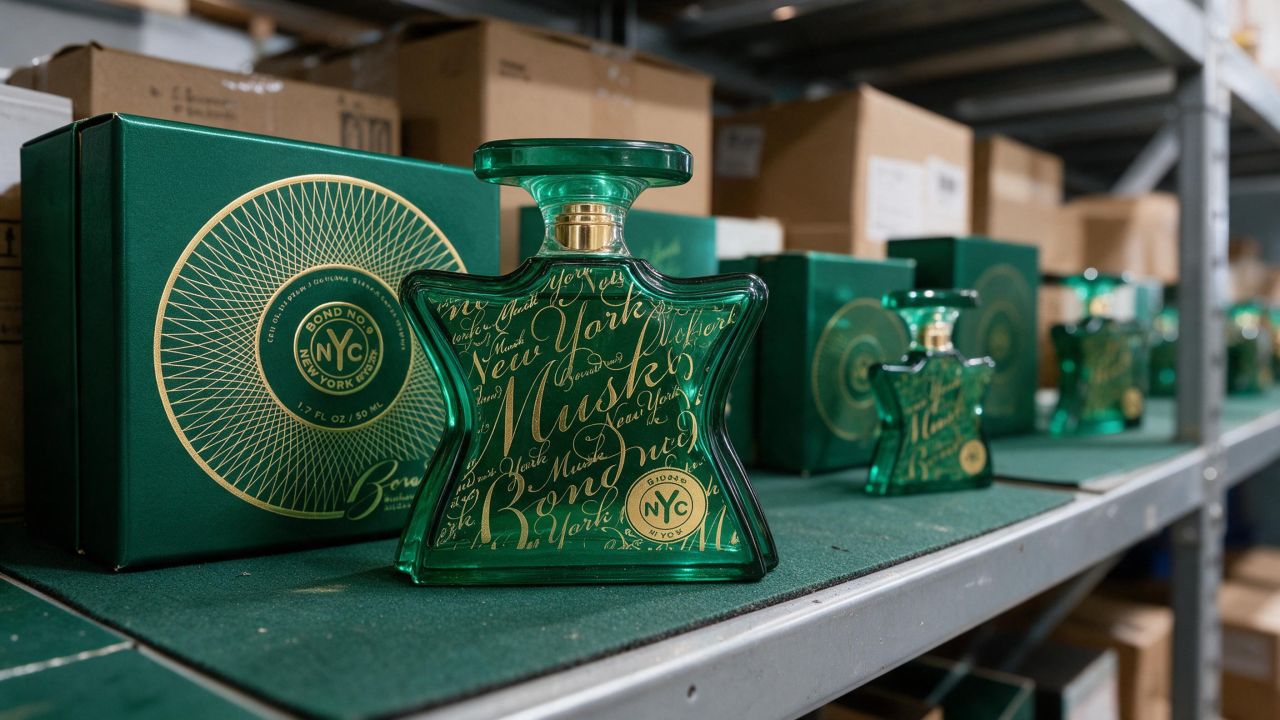
A well-planned catalog typically blends a handful of fast-moving designer staples, a rotating selection of niche or seasonal items, and a small set assortment for gifting periods — rather than treating every SKU the same way.
How to Vet a Wholesale Perfume Supplier: Authenticity and Compliance
Authenticity risk is the single biggest concern raised by first-time wholesale perfume buyers, and it is a reasonable one. Counterfeit and diluted fragrance circulates in secondary markets, and a retailer caught selling it faces returns, reputational damage, and potential legal exposure. Before placing a first order, a buyer should ask for and review several things.
- Batch and lot traceability. Legitimate stock carries batch codes that a buyer can, at minimum, cross-reference for consistency across a shipment.
- Source documentation. Invoices, certificates of authenticity, or a documented chain of custody back to the brand or an authorized distributor.
- Sample consistency. Requesting a sample unit before a full order, and comparing scent, packaging quality, and cap/seal construction against a known-genuine reference.
- Raw material and formulation stability. Reputable wholesalers can speak to how a fragrance is stored and handled — alcohol-based perfume concentrate is sensitive to heat, light, and prolonged storage, and poor warehousing shows up as a flat or altered scent profile.
A supplier who answers these questions readily and without defensiveness is generally a better long-term partner than one offering only a low price with no supporting detail. For a B2B buyer, documentation is not bureaucracy — it is the thing that protects the retailer's own customers and brand reputation downstream.
Minimum Order Quantities, Lead Times, and Reorder Planning
Minimum order quantities vary widely across New York wholesale perfume suppliers depending on whether the buyer is working with a brand-authorized distributor, a general wholesaler, or a liquidation source. Brand-authorized channels often require higher per-SKU commitments because they are managing inventory on behalf of the fragrance house, while general wholesalers and multi-brand importers can usually offer more flexible mixed-case minimums across several fragrances at once.
New buyers are generally better served by starting with a smaller trial order across a mix of formats — testing a few niche names in small format alongside a couple of proven bestsellers — rather than committing a large budget to a single untested SKU. This approach limits downside risk while still giving the retailer enough data, in the form of actual sell-through, to plan a larger reorder with confidence.
Lead time is the other variable that deserves attention early in the relationship. Ask a prospective supplier directly: how long from confirmed order to shipment, how long from shipment to delivery at the buyer's location, and what happens if a specific SKU is temporarily out of stock. Buyers who plan their purchasing calendar around realistic lead times — rather than best-case promises — avoid the shelf gaps that are most damaging during peak gifting seasons.
Understanding Margins and Pricing Strategy for Wholesale Perfume
Margin planning in wholesale perfume is less about chasing the single lowest unit cost and more about matching assortment to positioning. Mainstream designer fragrances that are widely available tend to carry thinner margins because customers can easily compare prices across retailers. Niche, independent, or less widely distributed lines generally allow a retailer more room to set its own pricing, since there is less direct price comparison available to the shopper.
A common strategy among experienced buyers is to treat recognizable designer names as traffic drivers and margin-light anchors, while relying on a curated niche selection, exclusive bundles, or gift sets to carry a larger share of overall profitability. Bundling smaller and larger formats together — for instance pairing a trial-size bottle with a full-size companion in a set — can also increase average order value without requiring a renegotiation of unit cost with the supplier.
Buyers should also factor landed cost — not just the wholesale unit price — into margin calculations. Freight, customs duties, insurance, and any domestic last-mile delivery charges all affect the real cost basis of each unit, and overlooking them is one of the most common ways first-time importers underprice their retail assortment.
Logistics, Customs, and Import Considerations
Fragrance is treated differently from most general merchandise in international shipping because of its alcohol content, which classifies most finished perfume as a hazardous material for transport purposes. This affects which carriers can move it, how it must be packaged and labeled, and what documentation needs to accompany the shipment. Buyers importing into the United States should expect to work with a customs broker or freight forwarder who is specifically familiar with cosmetics and fragrance HS codes, since misclassification can cause costly delays or penalties at the border.
Documents to have ready
A typical wholesale perfume shipment requires a commercial invoice with accurate product descriptions and declared values, a detailed packing list, and, depending on the supplier relationship, a certificate of origin or authenticity. Buyers working with brand-authorized distributors should also confirm whether any additional compliance paperwork is required for cosmetics regulation purposes.
Domestic versus international sourcing
Buyers located within the United States sourcing from a New York-based wholesaler generally face simpler logistics than those importing fragrance internationally themselves, since the New York supplier has already absorbed the customs and compliance work on the inbound side. This is one of the practical reasons smaller retailers choose to buy through an established New York wholesale channel rather than attempting to import directly from a fragrance manufacturer overseas.
Whichever route a buyer chooses, building in extra lead time around customs clearance — rather than assuming best-case transit — protects against stockouts during peak retail periods.
Choosing a Reliable Long-Term Wholesale Partner
Price is the easiest thing to compare between wholesale perfume suppliers, and the least reliable way to choose one. A durable B2B relationship depends more on consistency: does the supplier deliver on the lead times they quote, do they stand behind the authenticity of what they ship, and do they communicate proactively when a SKU runs short rather than leaving the buyer to find out at delivery.
A practical due-diligence checklist for evaluating a New York wholesale perfume supplier includes:
- Clear, written minimum order quantities and tiered pricing by volume.
- Willingness to provide samples or documentation before a first large order.
- A track record or references from other retail or distributor customers.
- Transparent policies on damaged goods, returns, and short shipments.
- A catalog broad enough to support assortment planning across formats — including both smaller trial sizes and full-size bottles — so the buyer isn't forced to juggle multiple suppliers for a single cohesive catalog.
Red flags worth taking seriously include suppliers who refuse to discuss sourcing or batch traceability, pricing that is dramatically below the rest of the market with no clear explanation, and pressure to commit to large volumes before any sample or trial order. A supplier confident in its own stock rarely needs to rush a buyer's decision.
Ultimately, the goal for a B2B buyer is not to find the single cheapest wholesale perfume source in New York, but to build a short list of two or three vetted partners whose documentation, lead times, and assortment reliably support the retailer's own sales calendar.
Frequently Asked Questions
Is buying wholesale perfume in New York cheaper than importing directly from Europe?
It depends on order size and experience. For smaller and mid-size retailers, buying through an established New York wholesaler is often more cost-effective once customs brokerage, minimum container volumes, and compliance paperwork are factored in, since the wholesaler has already absorbed much of that overhead. Larger buyers placing high-volume, recurring orders may eventually find it worthwhile to negotiate directly with a manufacturer or brand, but that typically requires significantly higher order volumes than a first-time buyer can commit to.
What documentation should I ask for before placing a first wholesale perfume order?
At minimum, request batch or lot information, a commercial invoice with accurate descriptions, and any available certificate of authenticity or source documentation. If the supplier is a brand-authorized distributor, ask how that authorization is structured. These documents protect the buyer in the event of a dispute and are standard practice among established wholesale suppliers.
How do I decide between stocking niche fragrances versus mainstream designer brands?
Most successful retail assortments include both. Mainstream designer names build trust and bring in traffic, while niche and independent lines support differentiation and typically allow stronger margins. A sensible starting point is to anchor the catalog with a few proven bestsellers and test niche additions in smaller order quantities before scaling up.
What is a realistic minimum order quantity for a new wholesale perfume buyer?
This varies by supplier and by whether stock comes through a brand-authorized channel or a general multi-brand wholesaler, but new buyers are generally better served starting with a smaller trial order spread across a few SKUs rather than concentrating a large budget in one fragrance. This limits risk while still producing real sell-through data to guide the next, larger order.