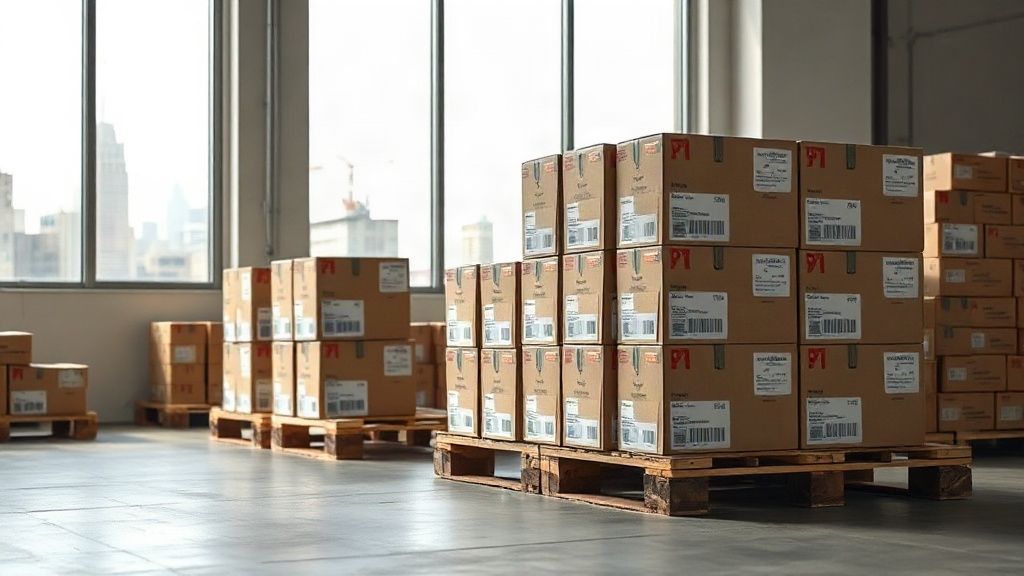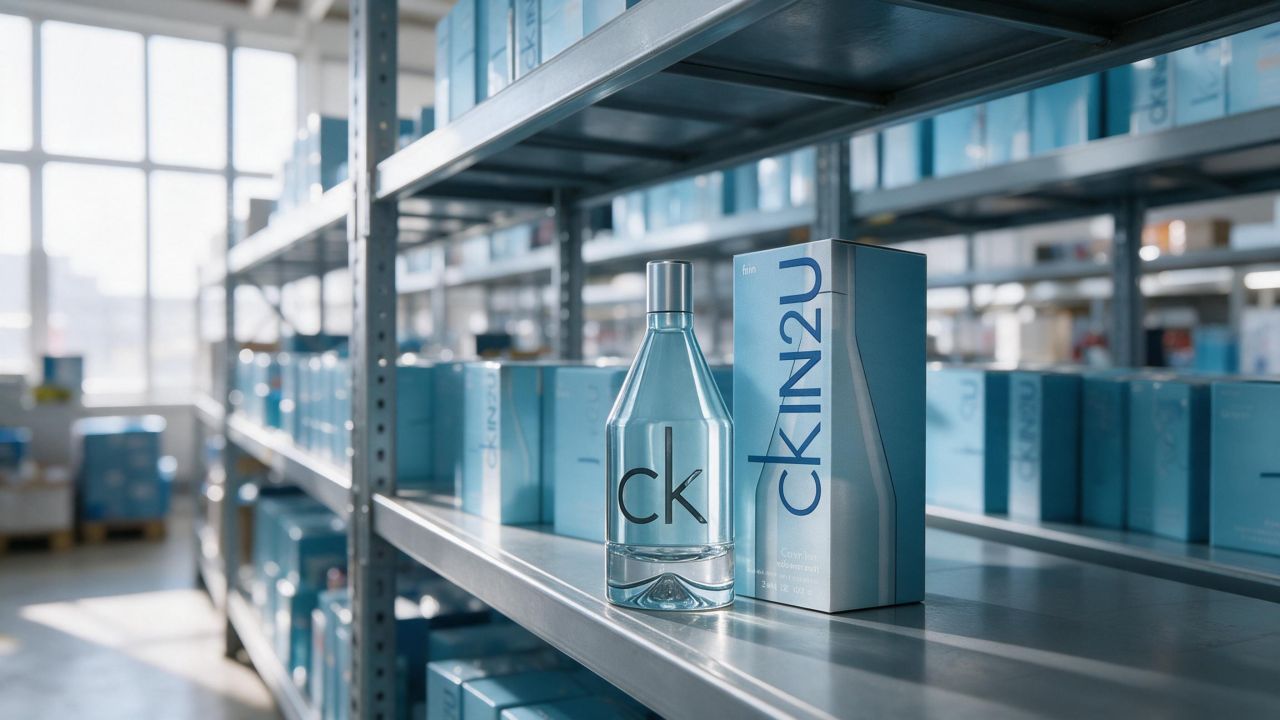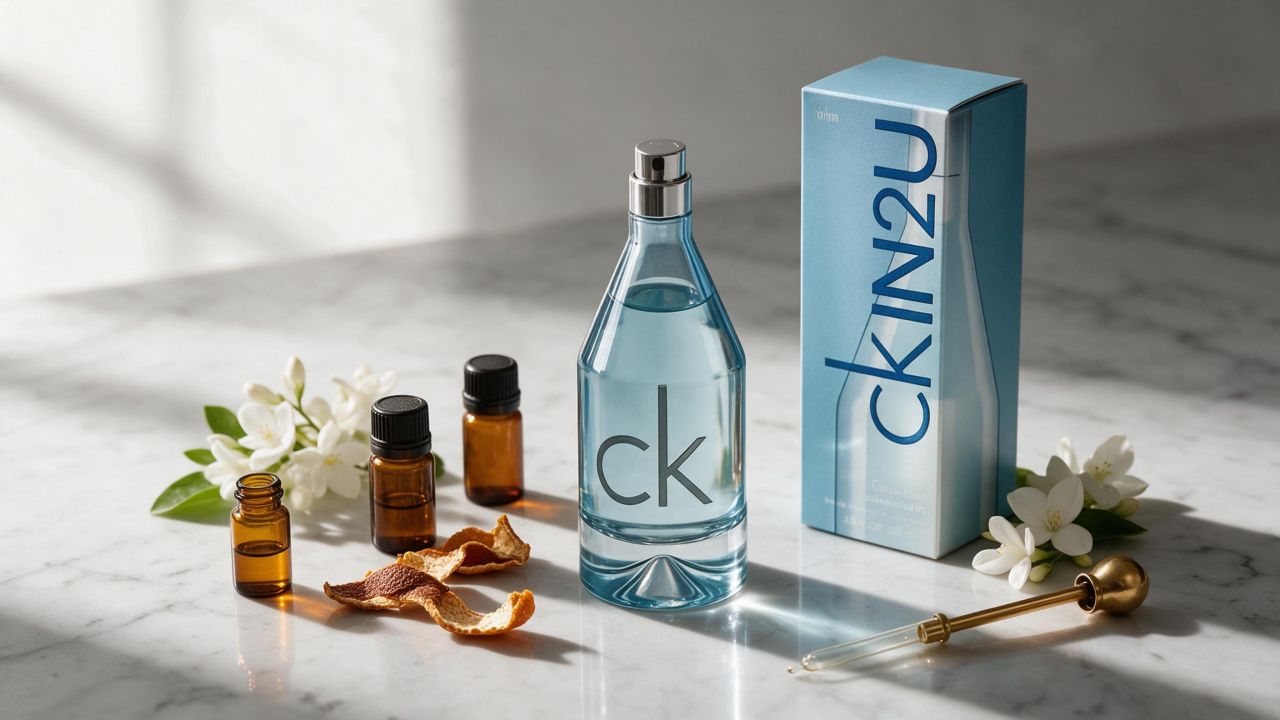
Businesses searching for new york perfume wholesale options are typically looking for B2B suppliers, importers, or showroom-based distributors connected to the New York fragrance trade who sell branded and niche perfumes in bulk at tiered, volume-based pricing rather than single-unit retail pricing. In practice, this means working with a supplier who can confirm minimum order quantities, provide trade documentation, and ship internationally with proper customs paperwork. For most retailers, distributors and importers, the real question is not just where to buy, but which supplier offers consistent stock, transparent terms and a dependable fulfillment process season after season.
Summary
- New York is one of the largest fragrance trading hubs in the world, which is why many wholesale buyers search for suppliers connected to it rather than sourcing locally.
- A genuine B2B perfume wholesaler quotes by minimum order quantity and volume tier, not by single-bottle retail price.
- Profit margin on wholesale perfume depends on brand mix, bottle size, and how efficiently your logistics and customs process is managed.
- Vetting a supplier on documentation, catalog depth, and fulfillment reliability matters more than chasing the lowest unit cost.
What New York Perfume Wholesale Means for B2B Buyers
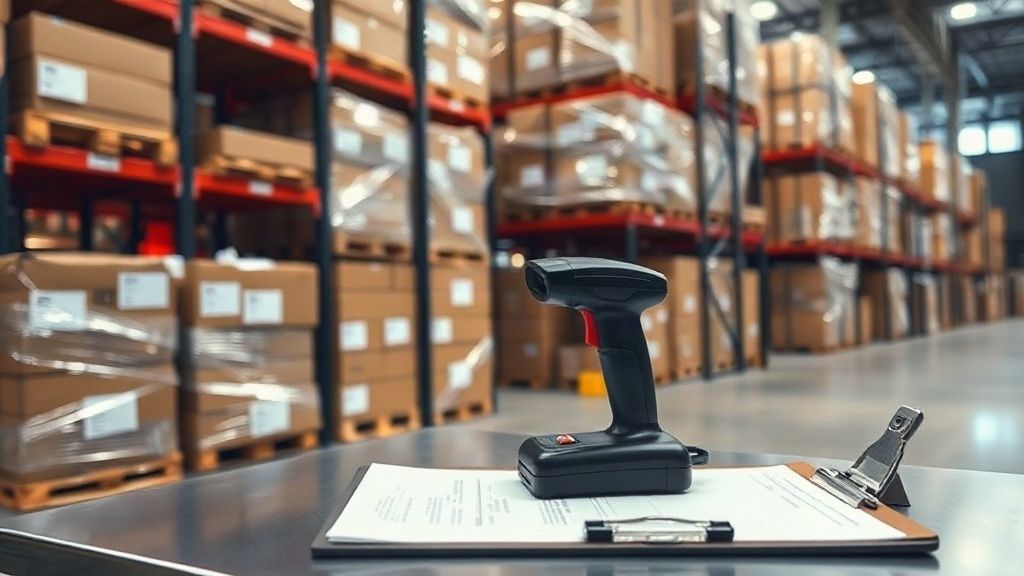
When buyers type new york perfume wholesale into a search engine, they are rarely looking for a single bottle to try. They are looking for a sourcing channel: a supplier, showroom, or trading company that can sell perfume in case quantities or pallet quantities, issue commercial invoices, and support a repeat purchasing relationship. New York has historically been a major entry and distribution point for fragrance brands moving between European manufacturers, Middle Eastern and Gulf markets, and retailers across the Americas, which is why the city's name is attached to so much of the wholesale fragrance trade even when the actual warehousing, bottling, or fulfillment happens elsewhere.
For a retailer, distributor or importer, this matters because the label new york perfume wholesale really describes a type of commercial relationship rather than a single physical location. The buyer needs a partner who understands export documentation, case-pack logistics, multi-brand catalogs, and the compliance requirements of shipping fragrance and alcohol-based products across borders. A supplier that can operate at this level, regardless of exactly where its warehouse sits, is the one that actually satisfies the intent behind the search.
Why Retailers and Distributors Source Perfume Through New York Suppliers
International buyers gravitate toward New York-linked fragrance suppliers for a few consistent reasons. First, the city concentrates import and export infrastructure, freight forwarders, and customs brokers experienced specifically with cosmetics and fragrance shipments, which reduces friction for first-time importers. Second, many wholesale trading companies operating out of or through New York maintain broad multi-brand catalogs, letting a single buyer place one consolidated order instead of managing a dozen separate manufacturer relationships. Third, English-language documentation, standardized export paperwork, and familiarity with US and EU trade norms make the onboarding process more predictable for distributors entering a new market.
For a retailer stocking a storefront, or a distributor supplying smaller shops across a region, this consolidation is the real value: fewer supplier relationships to manage, more predictable lead times, and a single point of contact for invoicing, returns, and reorders. The goal is not simply finding a New York address, but finding a supplier whose operations behave the way an experienced wholesale partner should.
Minimum Order Quantities and the Wholesale Purchasing Process
Every serious wholesale perfume relationship starts with a minimum order quantity, or MOQ. This is the threshold at which a supplier agrees to wholesale pricing instead of retail pricing, and it typically scales with product type: a request for a single niche line may carry a different MOQ than an order spanning dozens of SKUs across multiple brands. Buyers should expect to discuss MOQ early in any conversation with a supplier, since it directly shapes cash flow planning, warehouse space requirements, and how quickly a first order can be turned into a repeat order.
The purchasing process itself generally follows a consistent sequence. A buyer requests a catalog and wholesale terms, the supplier confirms available stock and lead times, the two sides agree on a purchase order and payment terms, and the supplier issues commercial invoices and shipping documentation needed for import. Established suppliers will typically support this with:
- A clear, regularly updated wholesale catalog organized by brand, concentration, and bottle size.
- Documented minimum order quantities per product line or per order, not vague verbal estimates.
- Defined payment terms for first orders versus repeat or trade-account orders.
- Consistent lead times communicated before the order is confirmed, not after.
Buyers who skip this groundwork and simply chase the lowest quoted unit price often discover that the real cost shows up later, in delayed shipments, inconsistent stock, or unclear paperwork at customs.
Profit Margins and Pricing Structures for Wholesale Perfume Buyers
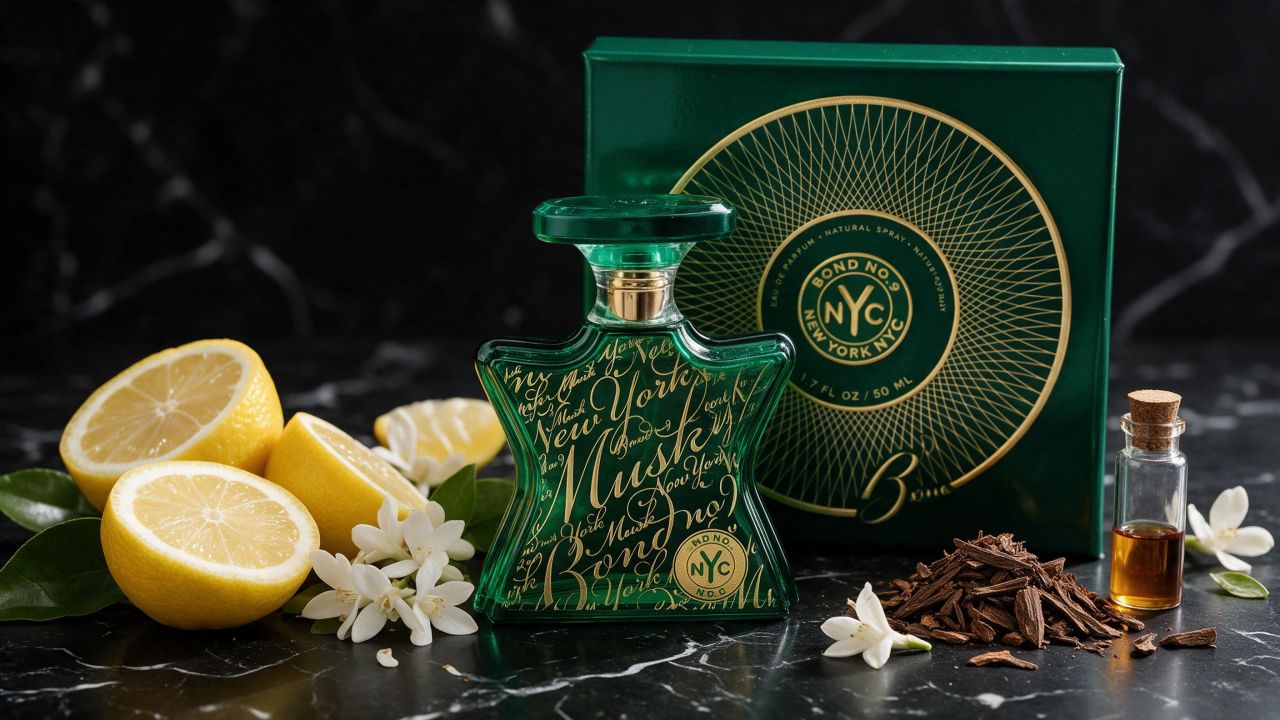
Profit margin in the wholesale perfume business is shaped less by the headline unit cost and more by the full cost structure a buyer assembles around it. Brand tier, bottle size, order volume, and shipping method all move the final landed cost, which in turn determines the margin available once the product reaches a retail shelf or a secondary distribution channel. A buyer working with larger formats, for example, is managing a different margin calculation than one working with smaller travel-size or premium formats, since packaging, shipping weight, and perceived retail value all shift with size.
Experienced importers build their margin model around landed cost, meaning the wholesale unit price plus freight, insurance, duties, and any domestic distribution cost, rather than the wholesale quote alone. This is also where volume tiers matter: a supplier offering better per-unit pricing at higher order volumes allows a distributor to improve margin without changing the retail price at all, simply by planning larger, less frequent orders instead of small, frequent ones. Buyers who negotiate purely on price without accounting for minimum order commitments and reorder frequency often end up with thinner margins than buyers who optimize the full purchasing cycle.
Logistics, Shipping and Customs Considerations for International Orders
Fragrance is a regulated commodity in international freight because most perfumes are alcohol-based and classified as dangerous goods for air transport, which affects how shipments must be packed, labeled, and documented. Buyers importing from a New York-linked wholesale supplier need to confirm early whether shipments will move by air or by sea, since this changes both lead time and the type of documentation required. Sea freight is typically more cost-efficient for large pallet orders, while air freight suits smaller, time-sensitive restocks.
Customs clearance adds another layer that B2B buyers cannot treat as an afterthought. Correct commercial invoices, harmonized system codes for cosmetics and fragrance products, and country-specific import permits all need to be in place before a shipment reaches the border, or it risks delay, additional inspection, or unexpected charges. A supplier experienced in export to multiple regions will typically provide this documentation as a standard part of the order process rather than requiring the buyer to assemble it independently. For distributors and importers, this is one of the clearest signals of supplier maturity: how smoothly the paperwork and compliance side of an order is handled before the product ever leaves the warehouse.
How to Choose a Reliable Wholesale Perfume Supplier

With the sourcing and logistics basics in place, the real differentiator between wholesale suppliers is reliability over time, not the pricing on a single order. A dependable partner should be able to show a structured catalog, confirm stock levels honestly rather than optimistically, and maintain consistent lead times across repeat orders rather than only on the first sample shipment. It also helps when a supplier's catalog spans multiple product categories, since a retailer or distributor building out a fragrance assortment often wants more than one format to work with. A catalog that includes niche perfume lines alongside mainstream branded fragrances gives a buyer more flexibility to differentiate their own retail or distribution offer rather than competing purely on commodity SKUs.
Buyers should also ask how a supplier handles bundled or gifting formats, since perfume gift sets are frequently requested by retail partners around seasonal buying periods and can move at different volumes than single bottles. The suppliers worth building a long-term account with are the ones who treat documentation, communication, and order accuracy as standard practice rather than something negotiated case by case.
Building a Balanced Wholesale Catalog: Formats, Sizes and Collections
A wholesale catalog that only offers one bottle size limits how a retailer or distributor can merchandise fragrance across different price points and customer segments. Many experienced buyers deliberately mix formats, combining 38ml perfume bottles for lower-entry retail price points with 50ml perfume bottles for a more standard, everyday retail assortment. This kind of format mix lets a distributor serve several shelf positions, from impulse-purchase placement to core assortment, using the same supplier relationship instead of splitting the order across multiple vendors.
Catalog depth matters just as much as format variety. A supplier that can support a retailer's core branded assortment while also offering niche and specialty lines gives a buyer room to build a more distinctive offer, rather than stocking the same commodity SKUs available everywhere. For distributors supplying multiple retail accounts, this flexibility is often what determines whether a single supplier can cover an entire territory's demand or whether the distributor is forced to manage several fragmented supplier relationships at once.
Common Sourcing Mistakes B2B Buyers Make with Wholesale Perfume
Even experienced buyers run into avoidable problems when sourcing perfume wholesale for the first time, or when switching suppliers after a previous relationship ended badly. The most frequent mistake is treating the lowest quoted unit price as the deciding factor, without checking whether that price depends on an unrealistic minimum order quantity, slower lead times, or weaker documentation support. A slightly higher unit price from a supplier with reliable stock and complete export paperwork is almost always cheaper in total cost than a lower price that leads to delayed or incomplete shipments.
A second common mistake is underestimating how much customs and import compliance can affect a timeline. Buyers who assume a shipment will clear the same way every time, regardless of changing regulations or product mix, are often surprised by delays on orders that combine multiple brands, concentrations, or bottle sizes in a single consignment. Working with a supplier that proactively manages documentation, rather than reacting to problems after a shipment is already in transit, removes most of this risk.
A third mistake is building a catalog around a single bottle size or a single brand tier. Retailers and distributors who diversify across concentrations, sizes, and both branded and niche lines are better positioned to respond to shifting demand, seasonal buying patterns, and differences between retail accounts, instead of being locked into one pricing bracket with one supplier relationship.
Partnering with Beyazit Parfum for Your Wholesale Program
Beyazit Parfum works with retailers, distributors and importers who need a dependable wholesale partner for branded and niche fragrance assortments, rather than a one-time spot supplier. The focus for B2B accounts is on clear catalog structure, documented order terms, and export-ready shipping, so that buyers evaluating new york perfume wholesale options can plan purchasing cycles with confidence instead of guessing at lead times order by order. Buyers exploring a long-term sourcing relationship are encouraged to review the current catalog and reach out directly to discuss account terms, available formats, and order planning for their specific market.
Frequently Asked Questions
What does MOQ mean in perfume wholesale, and why does it matter for a first order?
MOQ stands for minimum order quantity, the smallest volume a supplier will sell at wholesale pricing. It matters because it determines the initial capital a buyer needs to commit and shapes how warehouse space and cash flow should be planned before the first purchase order is placed.
Is it better to import perfume by air or by sea for a wholesale order?
Sea freight generally suits larger, planned pallet orders where cost efficiency matters more than speed, while air freight fits smaller, time-sensitive restocks. The right choice depends on order size, how urgently stock is needed, and how the supplier typically documents each shipping method.
How can a distributor verify that a wholesale perfume supplier is reliable before placing a large order?
Reliability shows up in the details available before any money changes hands: a structured and regularly updated catalog, clearly stated minimum order quantities, consistent lead time communication, and complete export documentation offered as standard rather than negotiated after the fact.
Do wholesale perfume buyers need different strategies for niche versus mainstream branded fragrance?
Yes. Mainstream branded fragrance typically competes on consistent supply and price, while niche lines compete on differentiation and story, which often means smaller order volumes but stronger margin potential when positioned correctly within a retail or distribution assortment.