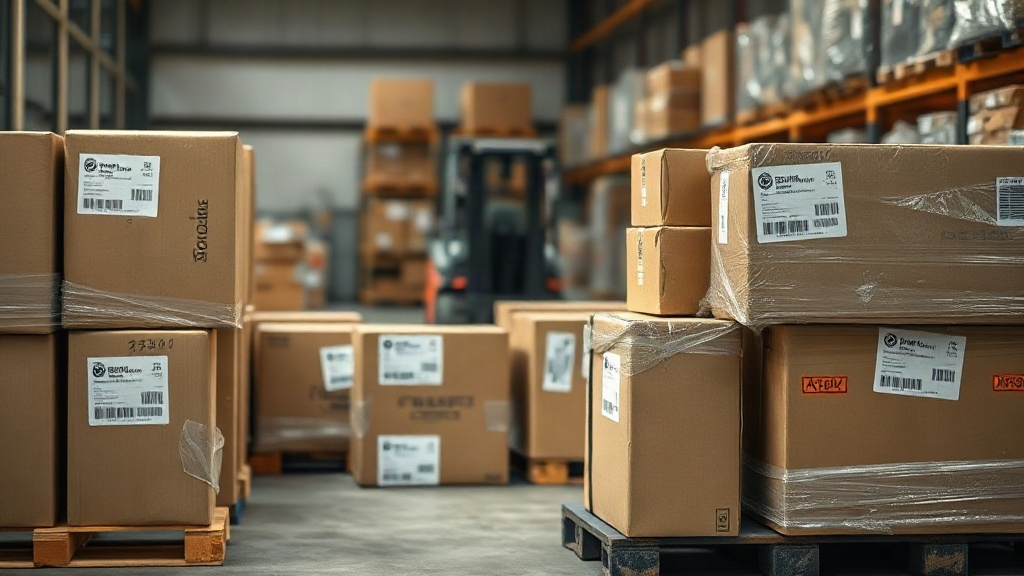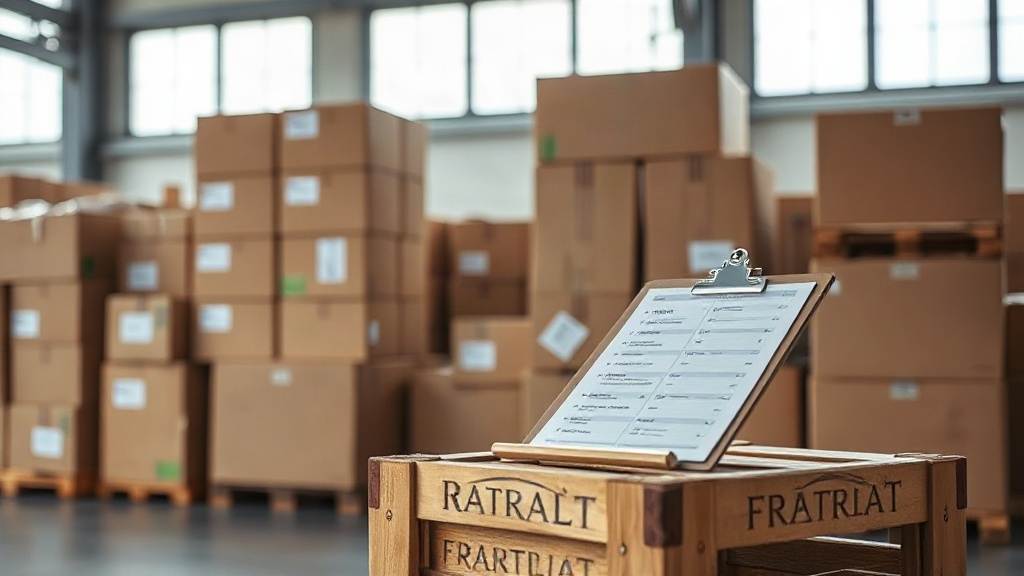
Wholesale perfume means buying fragrances directly from manufacturers, licensed distributors, or authorized resellers in bulk and at trade pricing, rather than purchasing single units at retail price. For retailers, distributors, and importers, sourcing wholesale perfume involves negotiating minimum order quantities, verifying authenticity and documentation, and structuring margins that support resale through boutiques, pharmacies, duty-free counters, or online stores. A dependable wholesale partner also manages logistics, customs paperwork, and consistent restocking so buyers can scale orders without supply gaps.
Summary
- Wholesale perfume buying means sourcing fragrances in bulk at trade pricing from verified manufacturers or distributors, not single retail units.
- Minimum order quantities, documented authenticity, and clear payment and shipping terms are the baseline requirements before signing any supplier agreement.
- Margins depend on order volume, bottle-size mix, and whether you buy niche or mainstream lines, so plan your retail pricing strategy before you order.
- Logistics, customs classification, and batch traceability determine how smoothly stock reaches your shelves or warehouse.
What Does "Wholesale Perfume" Mean for B2B Buyers?
In a business-to-business context, "wholesale" is not simply a discounted price tag. It describes an entire commercial relationship: a trade account with a supplier who sells in case quantities, issues commercial invoices rather than retail receipts, and expects the buyer to resell the goods rather than use them personally. Depending on where you sit in the supply chain, the arrangement looks slightly different. A retailer buying wholesale perfume is usually restocking a physical or online shelf and wants predictable reorder cycles. A distributor is buying to redistribute further down the chain to sub-retailers or regional resellers, so volume and territory terms matter more. An importer is often the first link bringing goods across a border, which means customs classification, labeling compliance, and freight terms become central to the deal.
Understanding which role you occupy changes what you should ask a supplier for. Retailers should prioritize assortment flexibility and fast replenishment. Distributors should prioritize pricing tiers tied to volume commitments and clear territory or exclusivity language. Importers should prioritize documentation that will satisfy customs authorities, including certificates of origin and accurate product declarations. A serious wholesale supplier will be able to speak to all three needs, because most B2B fragrance buyers fall somewhere on that spectrum rather than neatly into one category.
The typical B2B purchasing process for wholesale perfume follows a recognizable pattern regardless of which role you occupy. A buyer requests a quote or catalog, reviews pricing tiers against the intended order size, and requests samples or spec sheets before committing. Once terms are agreed, most suppliers work on a deposit-and-balance payment structure, with the remaining balance due on shipment or delivery depending on the trade terms negotiated. Established buyers may also be asked for trade references or prior import history, particularly when the order value or the destination market carries additional regulatory scrutiny. Treating this process as a structured evaluation, rather than a single email exchange, protects both sides and sets expectations for every subsequent order.
Minimum Order Quantities (MOQ) and Order Structures
Minimum order quantities are the first practical hurdle in any wholesale perfume negotiation. MOQs can be set per SKU (a fixed number of units of one specific fragrance), per carton (a standard packed case that cannot be broken up), or per total order value across a mixed assortment. Many suppliers who work with fragrance retailers offer assortment cartons that combine several best-selling scents in one case, which lets a buyer test a wider range without committing heavily to any single SKU. This is particularly useful for a new retail account that wants to gauge which fragrances perform best with its own customer base before scaling up.
Order structures typically scale with commitment. A first-time buyer may be offered a smaller introductory MOQ to build trust, while repeat buyers who demonstrate consistent reorder volume are moved into better pricing tiers. It is worth asking any prospective supplier directly how their tiers are structured, whether MOQs can be mixed across bottle sizes and product lines, and how reorders are handled once your business has an established purchase history. Clear, written answers to these questions early in the relationship prevent confusion once purchase orders start flowing regularly.
Buyers who need to move cautiously, for example when testing wholesale perfume demand in a new retail location or online storefront, should negotiate MOQ flexibility explicitly rather than assuming it exists. Some suppliers will lower the per-SKU threshold in exchange for a higher total order value across multiple fragrances, which keeps overall commitment manageable while still unlocking better unit pricing. Others tie flexibility to payment terms, offering smaller MOQs to buyers willing to pay in full upfront. Clarifying which trade-off a supplier is willing to make before the first purchase order avoids renegotiating terms mid-relationship.
How Wholesale Perfume Pricing and Margins Work

Wholesale pricing in the fragrance trade is shaped by several variables, and understanding them helps a buyer model realistic margins before placing an order. Concentration matters: eau de parfum formulations generally carry a different cost basis than eau de toilette because of oil content. Bottle size matters, since smaller formats cost less per unit but often yield a lower margin per unit than larger formats once packaging and handling are factored in. Brand positioning matters too, niche or prestige-style fragrances typically wholesale at different price points than mass-market designer-inspired lines, and packaging quality, outer box design, and whether the item is sold as a single bottle or as part of a set all affect landed cost.
Rather than anchoring to a fixed number, B2B buyers should build a landed-cost model: unit wholesale cost, plus freight, plus customs duties and any applicable taxes, plus handling, equals the true cost of getting a bottle onto your shelf. Only once that landed cost is clear does it make sense to set a retail markup. Margins also vary by sales channel, a boutique selling niche fragrances with personalized service can usually sustain a different pricing structure than a high-volume duty-free counter or an online store competing on price visibility. Mapping your intended sales channel to the right product tier before ordering avoids margin surprises later.
Vetting a Reliable Wholesale Perfume Supplier
Because fragrance is a category with real counterfeiting risk, supplier vetting deserves more attention than it would for a lower-risk product category. A reliable wholesale partner should be able to answer documentation questions quickly and without hesitation, and should welcome the kind of due diligence described below rather than discourage it.
Documentation and Certificates
Ask for proof of business registration and, where relevant, authorization letters confirming the supplier's right to distribute the brands or niche lines they offer. Request certificates of origin for customs purposes, batch or lot numbers on products so that stock is traceable back to a production run, and commercial invoices that accurately describe the goods being shipped. For markets with specific fragrance safety frameworks, ask whether formulations meet applicable industry conformity standards. A supplier that keeps this paperwork organized and readily available is signaling operational maturity.
Red Flags to Avoid
Be cautious of pricing that sits dramatically below the rest of the market with no clear explanation, suppliers who have no verifiable business address or landline, and any partner unwilling to provide samples before a full order. A vague or absent policy on returns and damaged goods is another warning sign, as is inconsistent or missing batch coding across shipments. Finally, treat pressure to wire payment to a personal account rather than a registered business account as a serious red flag, regardless of how attractive the quoted price appears.
Logistics, Shipping, and Customs for Bulk Perfume Orders

Perfume is classified as a dangerous good in most air and sea freight systems because of its alcohol content, which means shipments require the correct HS code, dangerous goods documentation, and compliant packaging to survive transit without leaking or triggering customs delays. Working with a freight forwarder who already has experience moving cosmetics and fragrance is far more efficient than discovering mid-shipment that your forwarder has never handled a flammable liquid declaration.
On the customs side, import duties, VAT or equivalent sales tax, and destination-market labeling requirements, such as ingredient listing or local-language text, all need to be confirmed before goods leave the supplier's warehouse, not after they arrive at port. Lead times should also be planned around seasonal demand spikes, since gifting periods compress both production schedules and freight capacity across the industry. Buyers who plan their purchase orders several weeks ahead of peak season consistently avoid the stock-outs that catch less-prepared competitors off guard.
Storage and Shelf Life Considerations
Once bulk stock clears customs, how it is stored matters almost as much as how it was shipped. Perfume should be kept away from direct sunlight and extreme temperature swings, both of which can degrade the fragrance and discolor the liquid over time. Warehouses and backroom storage areas should maintain a stable, moderate temperature, and cartons should be stacked in a way that avoids crushing outer packaging that customers will eventually see on the shelf. Retailers and distributors managing larger inventories should also track batch codes against receiving dates so that older stock is rotated to the front of the line before newer shipments, a simple first-in-first-out practice that keeps the assortment fresh across every reorder cycle.
Choosing the Right Wholesale Perfume Mix for Your Market
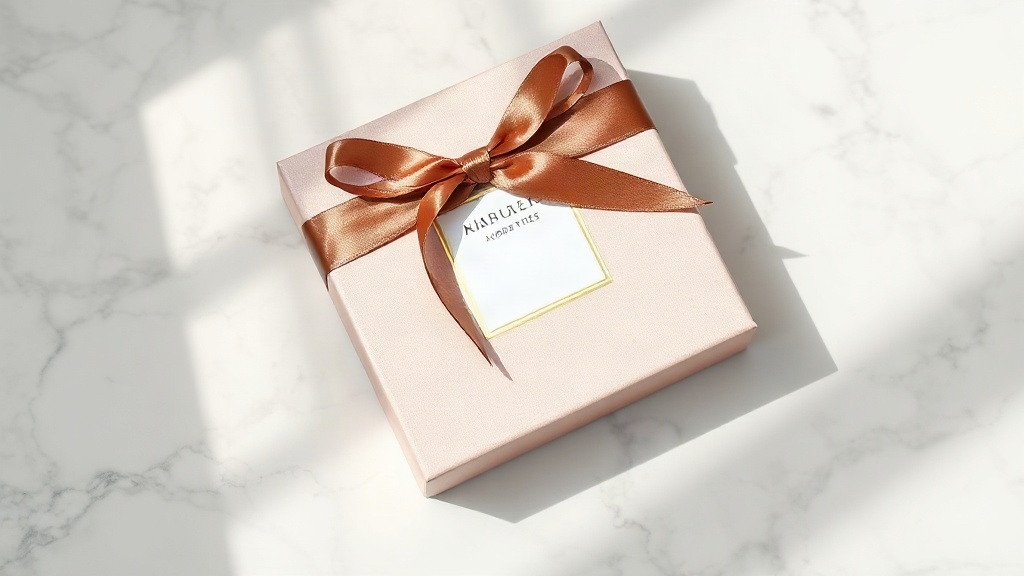
A strong wholesale assortment is built around the customer your retail business actually serves, not around whatever happens to be cheapest to source. Retailers looking to differentiate a boutique from mass-market competitors often lean on niche perfume collections, which tend to support a more premium shelf story and a different, often more defensible, margin structure than mainstream designer-inspired lines. For gifting seasons and promotional campaigns, bundled perfume sets typically lift average order value and give retail customers a ready-made gifting option without the buyer having to assemble bundles manually.
Bottle size is another lever worth planning deliberately. Smaller formats such as 38ml perfume work well for trial-size retail, travel sections, and lower price-point impulse purchases, while standard 50ml perfume formats tend to anchor the everyday shelf assortment that regular customers reorder. Matching this mix to your actual sales channel, duty-free, pharmacy, department store counter, or e-commerce, before placing a large purchase order reduces the risk of overstocking a format that does not move in your specific market.
Building a Long-Term Wholesale Partnership
The most efficient wholesale relationships are not transactional one-off purchases but ongoing partnerships built around predictable restock cycles. A supplier who assigns a dedicated point of contact for account management, rather than routing every order through a generic sales inbox, tends to resolve issues, damaged cartons, delayed shipments, mislabeled stock, far faster than one without that structure. As order volume grows, it is reasonable to raise questions about territory exclusivity, early access to new launches or seasonal collections, and whether pricing tiers can be renegotiated based on your trailing purchase history.
It also pays to establish, in writing, how the supplier handles after-sales issues: what happens if a carton arrives damaged, how quickly replacement stock ships, and what the process is for reporting a quality concern. Buyers who treat their wholesale supplier as a long-term operating partner, rather than a one-time vendor to be swapped at the first cheaper quote, generally end up with more stable supply, better communication during peak demand periods, and more favorable terms over time.
Scaling Your Order Volume Over Time
As a retail or distribution business grows, order volume with a trusted wholesale perfume supplier should grow in step rather than being renegotiated from scratch with every purchase order. Buyers who track their own sell-through data, which fragrances reorder fastest, which bottle sizes move at which time of year, are in a much stronger position to forecast upcoming orders and negotiate volume-based pricing improvements. Sharing general sales trends with a supplier, even informally, also helps that supplier plan production and allocate stock during high-demand periods, which benefits both sides of the relationship.
Frequently Asked Questions
What is the typical minimum order quantity for wholesale perfume?
Minimum order quantities vary by supplier and are usually set per SKU, per carton, or across a mixed assortment rather than as one fixed industry-wide number. Many suppliers offer a smaller introductory MOQ for new accounts and move repeat buyers into larger-volume tiers with better pricing once a reorder history is established. Always confirm the exact MOQ structure, including whether mixed-SKU cartons are allowed, before finalizing a purchase order.
How do I verify a wholesale perfume supplier is legitimate?
Request proof of business registration, authorization documentation for the brands or lines offered, certificates of origin, and consistent batch or lot coding on products. Ask for samples before committing to a full order, and confirm there is a clear written policy on returns and damaged goods. Be wary of suppliers who resist providing documentation, have no verifiable business address, or push for payment to a personal rather than business account.
Can I buy a mix of niche and mainstream wholesale perfume in one order?
Yes, most wholesale suppliers that serve retailers and distributors support mixed assortments, which allows a buyer to combine niche or prestige-style lines with mainstream, higher-turnover fragrances in a single purchase order. This approach lets a retailer test how niche positioning performs alongside everyday bestsellers without splitting the order across multiple suppliers or shipments.
Do wholesale perfume orders include customs and shipping, or are they extra?
This depends entirely on the shipping terms agreed with the supplier, so it should be clarified before an order is confirmed rather than assumed. Buyers should ask explicitly whether the quoted price is landed, including freight, duties, and customs clearance, or ex-works, with freight and customs handled separately by the buyer, since this single detail significantly changes the true cost of the order and the margin calculation that follows.