Wholesale designer perfume oil reviews are most reliable when they confirm repeat bulk orders rather than a single trial purchase: look for evidence of batch consistency, accurate paperwork, and on-time fulfillment across more than one shipment before treating a supplier as vetted. Combined with your own sample testing and a written pricing agreement, that pattern is a far stronger signal than an average star rating.
Summary
- Reliable wholesale designer perfume oil reviews focus on batch consistency, documentation, and repeat-order performance — not star ratings alone.
- Compare suppliers on minimum order quantity, lead time, customs paperwork, and sample policy before placing a first bulk order.
- Perfume oils and alcohol-based designer fragrances serve different retail shelves and margin structures, so match the format to your buyer base.
- A short due-diligence checklist — samples, references, and a small trial order — filters out unreliable suppliers faster than reading reviews alone.
What "Wholesale Designer Perfume Oils" Actually Means for Buyers
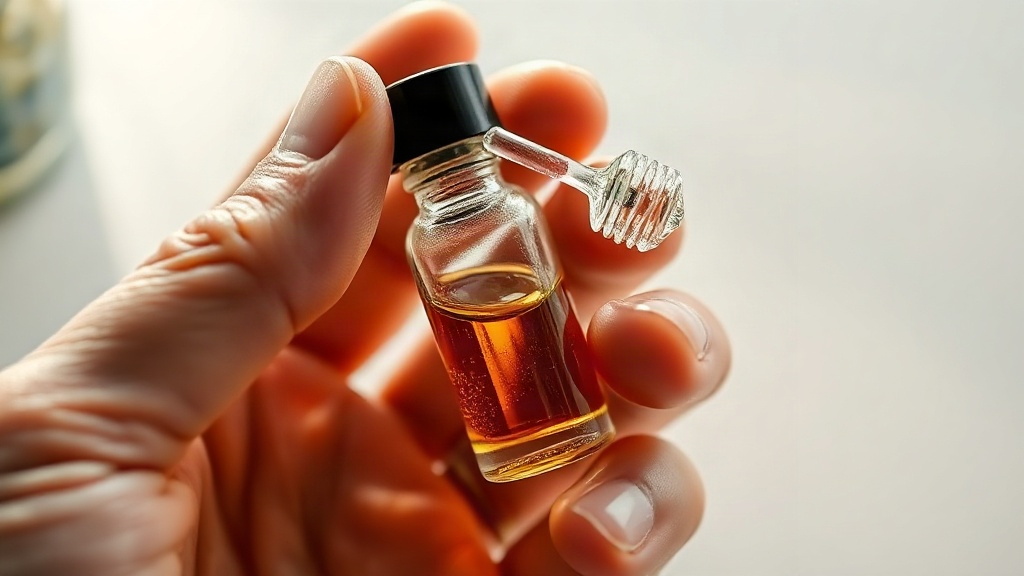
Perfume oils, sometimes called fragrance oils or attar-style concentrates, are alcohol-free interpretations of popular designer scents, blended at higher concentration and applied in smaller quantities than eau de parfum or eau de toilette. For wholesale buyers, this category sits in a different part of the catalog than licensed designer bottles: it is typically sourced as an inspired-by or compatible formulation rather than a brand-licensed product, which changes how you read supplier claims, labeling, and documentation.
This distinction matters before you even open a review. A supplier who blurs the line between "designer" as a licensed brand and "designer-inspired" as a scent profile is a labeling risk for your business, not just a marketing nuance. Trustworthy wholesale partners are explicit about which category a product falls into, provide ingredient and concentration data on request, and do not imply brand affiliation they cannot support with paperwork.
Terminology that signals a serious supplier
Terminology varies by region and platform, and that inconsistency is exactly where inexperienced buyers get caught out. Some catalogs use "perfume oil," "attar," and "concentrated oil" interchangeably, while others distinguish them by carrier base — for example, a synthetic carrier oil versus a traditional botanical base. Ask any shortlisted supplier to define their terminology in writing and to confirm the carrier and concentration percentage used in their formulation. This single question filters out a meaningful share of vague or inexperienced sellers before you invest further time in the relationship.

How to Read Wholesale Perfume Oil Reviews Without Being Misled
Public reviews for wholesale suppliers are useful, but they answer a narrower question than most buyers assume. A five-star rating tells you a single buyer was satisfied with a single shipment; it does not tell you whether the next 500-unit batch will match the sample that earned the review. When you evaluate wholesale designer perfume oils reviews, weigh them against three factors: recency, order size, and whether the reviewer describes a repeat purchase.
Recency and batch consistency
Fragrance oil blends can drift between production runs, especially with natural-derived notes like citrus or florals that vary by harvest. A glowing review from eighteen months ago says little about the current batch. Prioritize feedback dated within the last two or three quarters, and where possible, ask the supplier directly how they manage batch-to-batch consistency and whether they retain reference samples for comparison.
Order size and buyer type
A review left by a hobbyist who bought a single trial bottle carries different weight than feedback from a distributor who reordered a case. When a review platform allows it, filter for verified bulk or business purchases. If it does not, ask the supplier for trade references — established wholesale suppliers are generally willing to connect you with existing B2B customers, which gives you a more relevant data point than an anonymous star rating.
Key Criteria for Comparing Wholesale Perfume Oil Suppliers
Once you have shortlisted suppliers based on review quality, the comparison should move to operational fit. These are the criteria that most affect your landed cost and your ability to fulfill downstream orders reliably.
Minimum order quantity and pricing tiers
MOQ varies widely across the wholesale perfume oil market, from small trial cases intended for new accounts to pallet-level minimums built for established distributors. Ask for the full pricing ladder, not just the entry tier — unit cost at 100 pieces versus 1,000 pieces can differ enough to change your margin plan. Clarify whether pricing includes packaging, labeling, and any private-label options, since these are frequently quoted separately.
Lead time, logistics, and customs documentation
For importers, the supplier's paperwork discipline matters as much as the product itself. Confirm in writing what documentation accompanies each shipment — commercial invoice, packing list, certificate of origin, and safety data sheets where applicable — and ask about typical production-to-delivery lead times, including any seasonal slowdowns around peak gifting periods. A supplier that cannot answer logistics questions precisely is a higher operational risk regardless of how strong its reviews look.
Margin and positioning
Perfume oils generally offer a different margin structure than boxed designer eau de parfum, since packaging, component, and freight costs per unit differ. Model your landed cost against your expected sell-through channel — retail counter, online marketplace, or gift set bundling — before committing to a volume that assumes a specific margin outcome.
Perfume Oils vs. Alcohol-Based Designer Fragrances for Wholesale Buyers
Buyers frequently ask whether to stock perfume oils, alcohol-based designer fragrances, or both. The honest answer depends on your customer base and shelf format, not on which category is objectively "better."
Perfume oils tend to suit markets that favor longer wear from smaller volumes, gift and travel formats, and price points below full-size designer bottles. They also travel well logistically, since oil-based concentrates avoid some of the flammable-liquid shipping restrictions that apply to high-alcohol-content sprays, which can simplify freight and reduce compliance overhead for certain routes.
Alcohol-based designer fragrances remain the expected format for customers who associate a recognizable bottle and spray format with the category, and they pair naturally with structured gifting — for example, a curated perfume set aimed at holiday or corporate gifting programs. Many wholesale buyers run both formats side by side: perfume oils for value-tier and travel-size demand, and boxed sprays for the gifting and full-price segment of the same customer base.
Private Label and Custom Packaging Considerations
Private label and custom packaging options change both your margin and your minimum order commitment, so treat them as a separate line item in supplier comparisons rather than an automatic upgrade. A supplier offering private label typically requires a higher MOQ than their standard stock program, since custom labels, boxes, or cartons cannot be resold to another buyer if an order falls through. Confirm the incremental cost per unit at your target volume, the artwork and label specification requirements, and the lead-time impact of custom packaging versus stock packaging before assuming private label is the better long-term option for your business. For buyers still building order volume, starting with a supplier's standard packaging and revisiting private label once volume justifies the higher commitment is often the lower-risk path.
Building a Reliable Wholesale Sourcing Process
Reviews are a filtering tool, not a substitute for your own due diligence. A structured process protects your business from the gap between what a review promises and what a shipment actually delivers.
Request samples before committing volume
Before placing a bulk order, request a small paid sample batch that matches what you intend to reorder — not a curated "best of" sample pack. This is the fastest way to validate the scent profile, packaging quality, and shipping condition a supplier will actually deliver at scale.
Verify the supplier's catalog depth and export track record
Suppliers who maintain a broad, well-documented catalog — including niche and specialty fragrance lines alongside mainstream designer-inspired profiles — generally invest more in sourcing and quality control than single-SKU sellers. Catalog depth is also a practical signal: it means you can consolidate future orders with one vetted partner instead of managing multiple unverified suppliers as your assortment grows. Ask a shortlisted supplier how long they have shipped internationally, to which regions, and whether they can share a redacted example of past export documentation. A supplier with a thin or recent export history is not automatically a bad choice, but it does mean you should weight your own due diligence more heavily, since fewer past shipments means less publicly visible track record to verify against.
Start with a trial order and a written agreement
Even with strong reviews and good samples, begin with an order sized to test the full fulfillment cycle — production, documentation, freight, and delivery condition — before scaling to your full planned volume. Put agreed terms in writing: pricing tiers, lead time, defect or shortage remedies, and reorder timelines. This protects both sides and gives you a documented baseline to compare against future shipments.
Choosing the Right Product Mix for Your Market
Format and size selection is part of the sourcing decision, not an afterthought. Buyers stocking gift-oriented or travel retail typically look at smaller formats, while buyers serving full-price retail counters lean toward standard bottle sizes that match customer expectations at checkout.
A 38ml perfume format works well for travel retail, hotel amenity programs, and lower-price-point gifting, where a compact size supports a faster sell-through at a lower unit cost. A 50ml perfume format sits closer to standard retail expectations and suits buyers positioning stock as a primary rather than travel-size offering. Reviewing sell-through data from your own pilot order — not assumptions about what "should" sell — is the most reliable way to settle on a long-term size mix.

Common Red Flags When Vetting Wholesale Perfume Oil Suppliers
Certain patterns show up repeatedly among suppliers who generate complaints after the review is published. Watch for vague sourcing language that avoids stating whether a product is oil-based or alcohol-based, reluctance to provide a signed pricing sheet or written MOQ terms, and pressure to commit to full volume before any sample has shipped. Suppliers unwilling to discuss customs documentation, or who describe shipping timelines only in vague ranges, tend to be the same suppliers behind delayed or incomplete deliveries reported in later reviews.
Equally, treat unusually uniform five-star review clusters with some skepticism, particularly when they lack detail about order size or delivery experience. A healthy review profile usually includes a mix of feedback, including buyers who mention minor issues that were resolved — that pattern is often more trustworthy than a page of identical short praise. Also ask whether a supplier maintains liability or product insurance relevant to cosmetic or fragrance goods, and whether they can provide a compliance statement for the markets you sell into. This is a detail that rarely appears in public reviews but matters directly to your risk exposure as the importer of record. A supplier that answers this confidently, with named documentation, is a stronger long-term partner than one who can only point to positive review volume.
Frequently Asked Questions
Are wholesale designer perfume oils the same quality as licensed designer fragrances?
They are a different category by design — inspired-by concentrates rather than brand-licensed products — and quality varies by supplier. Reliable wholesale suppliers disclose this distinction clearly, define their terminology and carrier base in writing, and back their claims with consistent samples and documentation rather than implying brand affiliation they cannot support.
How many reviews should I read before contacting a supplier?
Focus on quality over quantity: a handful of recent, detailed reviews from verified bulk buyers is more useful than dozens of unverified single-item reviews. Use reviews to build a shortlist, then confirm fit through samples, references, and direct supplier questions about documentation and lead time.
What documentation should a wholesale perfume oil shipment include?
At minimum, expect a commercial invoice, packing list, and certificate of origin, with safety data sheets and any relevant compliance statements provided where applicable for your import jurisdiction. Confirm document requirements with the supplier and your customs broker before the first shipment ships, not after.
Should I order perfume oils, alcohol-based designer fragrances, or both?
It depends on your customer base and channel. Perfume oils often suit travel retail and value-tier gifting, while boxed designer sprays suit full-price and structured gifting programs — many wholesale buyers stock both formats to cover the full range of customer demand across their assortment.