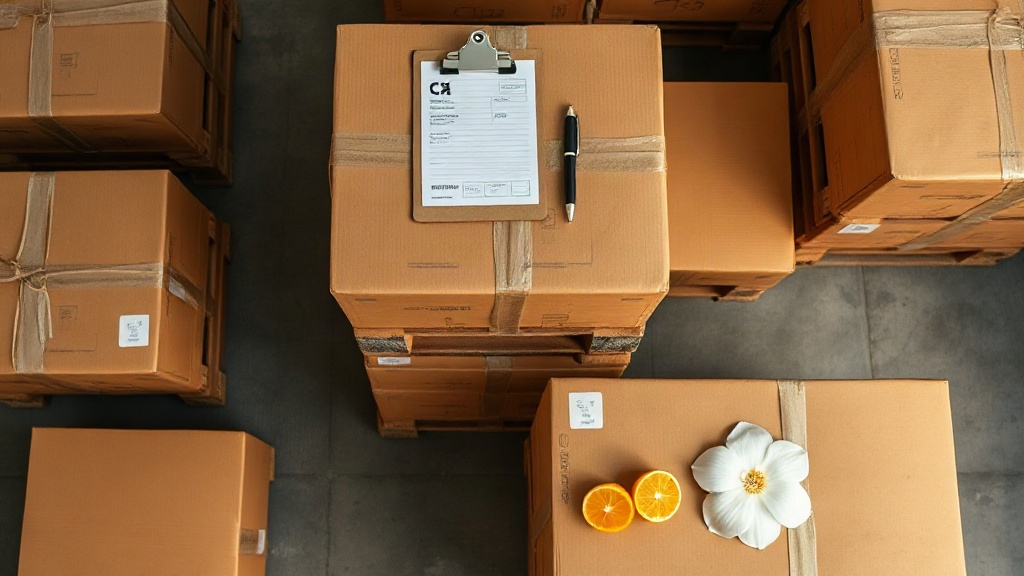
NYC perfume wholesale refers to sourcing fragrances in bulk from suppliers and distributors that serve the New York market, through minimum order quantities, tiered case pricing, and verified authenticity documentation rather than single-unit retail purchases. For retailers, distributors, and importers located outside the city, the same sourcing standards apply regardless of geography: a dependable wholesale partner, clear minimum order terms, and transparent shipping conditions matter far more than a New York street address. Today, most businesses access this model online, working with established wholesale fragrance suppliers that ship both nationally and internationally.
Summary
- NYC perfume wholesale buying is defined by minimum order quantities, tiered pricing, and supporting documentation, not by physical location.
- Vet any supplier on authenticity proof, consistent stock availability, and clear return or damage policies before placing a first order.
- A profitable wholesale assortment usually blends niche fragrance lines, gift sets, and smaller travel-friendly formats to serve different shelf price points.
- Customs classification, freight handling, and lead times must be factored into landed cost before committing to volume.
What "NYC Perfume Wholesale" Means for Buyers Outside New York
New York has long functioned as a distribution hub for the fragrance trade in the United States, which is why so many wholesale buyers search for suppliers under a city-specific term even when their store, warehouse, or online shop is based somewhere else entirely. In practice, the search phrase is a proxy for a broader need: access to a wholesale fragrance catalog with dependable stock levels, professional invoicing, and terms suited to resale rather than personal use. This holds whether the buyer is opening a single boutique location or managing purchasing for a multi-store regional chain.
For a retail buyer, a distributor building a regional territory, or an importer evaluating a new category, the actual city of the warehouse matters less than the supplier's ability to fulfill repeat orders on a predictable schedule. A wholesale fragrance partner that operates primarily online, with clear catalog data, case-pack options, and responsive account support, can usually serve a Brooklyn boutique and a buyer in another state with the same level of reliability. What should guide the decision is the supplier's track record, documentation standards, and shipping infrastructure, not the city named in the listing.
This is an important distinction because it reframes the sourcing question. Instead of asking which supplier is physically in New York, the more useful question for a buying team is which supplier can consistently deliver verified inventory, on wholesale terms, with the paperwork my business needs to resell it legally and confidently.
Why Retailers and Distributors Search for Wholesale Perfume Suppliers

Demand for wholesale fragrance sourcing comes from several distinct buyer types, and each has slightly different priorities. Independent boutiques and gift shops typically want a curated mix that differentiates them from mass retailers, which often means looking beyond mainstream designer names toward niche and artisanal houses. Duty-free and travel-retail operators prioritize compact, travel-ready formats that move quickly during peak shopping seasons. Salons, spas, and hospitality buyers often look for distinctive scents that reinforce a brand experience rather than chasing the most recognizable names on the market. Online resellers and marketplace sellers need a catalog broad enough to support frequent new listings without tying up excessive capital in a single product line.
Across all of these buyer types, the underlying motivation is the same: building a fragrance assortment that supports healthy margins while minimizing the operational risk of holding slow-moving stock. A wholesale supplier that offers a wide and well-documented catalog, flexible case quantities, and dependable restocking cycles allows a buying team to test new lines in smaller volumes before committing to larger reorders, which is particularly valuable for niche or emerging fragrance categories where sell-through can be harder to predict than with established designer staples.
How to Evaluate a Wholesale Perfume Supplier Before You Order
Choosing a wholesale fragrance partner is not simply a matter of comparing catalogs. Because perfume is a category where counterfeit product circulates widely, and where shelf life, batch consistency, and packaging condition directly affect resale value, buyers should treat supplier evaluation as a structured due-diligence process rather than a quick catalog scan.
Verifying Authenticity and Documentation
Before placing a first order, ask any prospective supplier how they verify the authenticity of the stock they sell, whether batch codes are traceable, and what documentation accompanies each shipment. A credible wholesale supplier should be able to answer these questions clearly and provide invoices that support your own resale compliance. This matters not only for your legal protection but also for your customers' trust: a retailer selling fragrances with inconsistent batch codes or missing documentation risks reputational damage that is far more costly than any short-term savings on unit cost.
It is also worth asking how the supplier handles damaged or mislabeled units, since breakage and packaging defects are a normal part of the fragrance supply chain. A supplier with a clear, written policy for replacements or credits signals operational maturity that a buyer can plan around.
Minimum Order Quantities and Tiered Pricing Structures
Wholesale fragrance suppliers typically structure pricing around minimum order quantities and case packs rather than single-unit pricing, and many offer tiered terms where larger or more frequent orders unlock better terms over time. Before committing to a supplier, a buying team should understand exactly how MOQs are defined, whether they apply per product, per order, or per account, and how reorder cadence affects pricing tier eligibility. Clarifying this upfront avoids surprises later, particularly for distributors who plan to split large purchase orders across multiple product lines or price points.
Checking References and Communication Responsiveness
A supplier's reputation is easier to verify today than it once was. Ask for references from other retail or distribution accounts, check how responsive the sales and support team is to detailed questions before you have even placed an order, and pay attention to whether the supplier is willing to put MOQ, pricing tier, and return terms in writing. A supplier who is transparent during the inquiry stage is far more likely to remain transparent once you are a recurring account.
Building a Profitable Assortment: Niche, Sets, and Travel Sizes
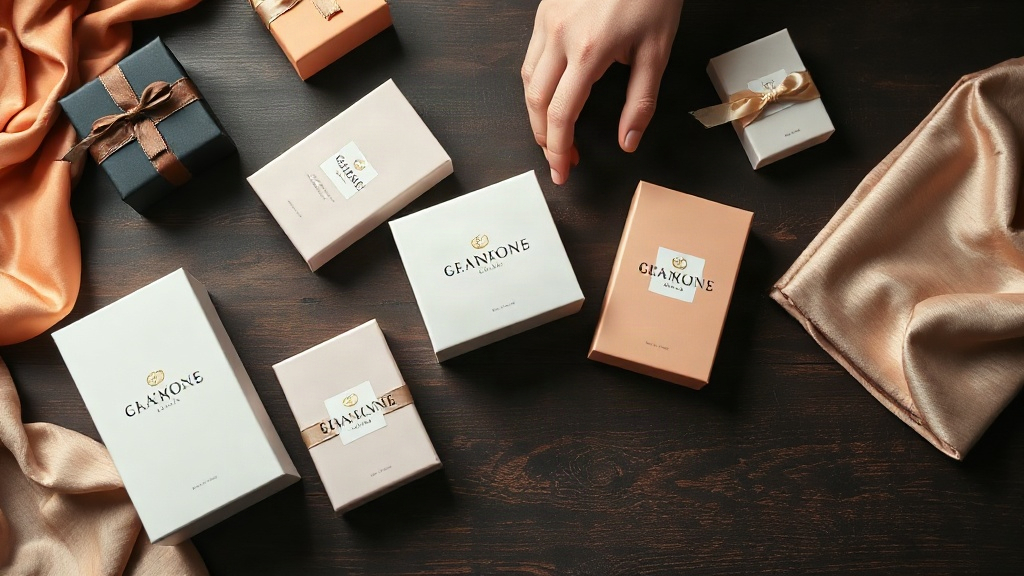
A wholesale assortment that leans entirely on one category of fragrance tends to underperform compared with a catalog that balances several formats and positioning tiers. Many successful retail and distribution partners structure their fragrance buying around three complementary pillars.
The first is niche and artisanal fragrance lines, which allow a retailer to differentiate from big-box competitors and justify a higher perceived value per unit. Buyers exploring this direction can review a curated niche perfume collection to understand how a wholesale catalog can be organized around distinctive, less mainstream compositions that appeal to customers seeking something beyond the usual designer shelf.
The second pillar is gift-ready bundling. A well-assembled perfume set gives retailers a higher-ticket option for seasonal gifting periods and corporate or hospitality gifting programs, and it is often easier to merchandise as a featured display item than individual bottles.
The third pillar is format flexibility. Smaller formats such as a 38ml perfume option work well for travel retail, sampling programs, and lower price-point entry items, while a 50ml perfume format often serves as the core, everyday-carry size that anchors a regular replenishment cycle. Carrying a mix of formats lets a buyer serve multiple customer segments from the same supplier relationship, which simplifies purchasing and consolidates freight.
Logistics, Customs, and Shipping Considerations for International Buyers

Fragrance is not a simple product to move through international freight and customs because most perfumes contain alcohol, which affects how shipments are classified and handled by carriers. Buyers sourcing wholesale fragrance across borders should confirm with their supplier how shipments are packaged and labeled for compliant transport, since improper classification can lead to delays, additional fees, or rejected shipments at customs.
Beyond classification, it is worth building a realistic picture of total landed cost before committing to a large order. That means accounting for freight charges, import duties, any applicable taxes, and the cost of holding inventory while a shipment clears customs. Buyers who are new to importing fragrance at wholesale volume should ask their supplier directly about typical lead times for international orders and whether consolidated shipments are available, since combining multiple product lines into a single freight movement can reduce per-unit logistics cost significantly compared with placing several smaller orders.
It is also sensible to plan reorder timing around customs clearance variability. Even with an experienced supplier, cross-border shipments can be subject to inspection or documentation requests that add days to a delivery window, so distributors with retail deadlines, such as a seasonal gifting launch, should build buffer time into their ordering schedule rather than ordering at the last possible moment.
Onboarding Process: From First Inquiry to Recurring Orders
Most wholesale fragrance relationships follow a fairly consistent onboarding path, and understanding this process in advance helps a buying team move efficiently from first contact to a stable reorder cycle. It typically begins with an initial inquiry, where the buyer shares basic information about their business type, target market, and expected order volume. The supplier then usually shares catalog access, pricing tiers, and MOQ terms relevant to that buyer profile.
From there, many buyers request samples or a small trial order before scaling up, which allows them to confirm packaging quality, authenticity documentation, and shipping reliability without committing significant capital. Once a trial order has been fulfilled satisfactorily, the relationship typically moves to a standing account setup, with agreed payment terms, a named point of contact, and an understood reorder cadence.
A supplier such as Beyazit Parfum, serving B2B buyers through its online wholesale catalog, generally structures this process so that retailers, distributors, and importers can move from initial inquiry to a predictable, recurring order schedule without needing an in-person visit or a local warehouse relationship. This online-first model is precisely why location-specific searches like wholesale fragrance sourcing in a single city are increasingly less relevant than finding a supplier with the right catalog, documentation, and logistics capability.
Avoiding Common Pitfalls in Wholesale Perfume Sourcing
Several recurring mistakes tend to cost wholesale fragrance buyers more than the savings they were originally chasing. The most serious is sourcing from suppliers who cannot provide clear authenticity documentation, since counterfeit or improperly sourced fragrance exposes a retailer to both legal risk and customer trust damage that can outlast any short-term margin gain.
A second common pitfall is treating an unusually low price as a signal of a good deal rather than a warning sign. In a category where legitimate wholesale pricing is tied to genuine supply chains, documentation, and compliant logistics, prices that sit well below what the rest of the market offers often indicate a problem with provenance, packaging condition, or product authenticity.
A third pitfall is relying on a single supplier for an entire category without a contingency plan. Diversifying across at least one or two verified suppliers protects a retailer from stockouts during peak demand periods and gives a buying team leverage when negotiating reorder terms. Finally, many new wholesale buyers underestimate the importance of storage conditions and shelf life once inventory arrives. Fragrance should be stored away from direct heat and light, and buyers should track batch dates so that older stock is rotated and sold before freshness becomes a concern for the end customer.
Frequently Asked Questions
What is the minimum order quantity for wholesale perfume purchases?
Minimum order quantities vary by supplier and by product line, and are typically defined in case packs rather than single units. Buyers should confirm MOQ terms directly with a supplier before finalizing a catalog selection, since some product lines may carry different minimums than others within the same wholesale account.
Do I need a business license to buy perfume wholesale?
Most wholesale fragrance suppliers require buyers to operate as a registered business, since wholesale terms are structured for resale rather than personal consumption. Requirements vary by supplier and by region, so it is best to confirm documentation expectations with a prospective supplier during the initial inquiry stage.
How long does international shipping take for wholesale fragrance orders?
Shipping timelines depend on the destination, the carrier used, and customs processing at the border, and perfume shipments can be subject to additional handling because of their alcohol content. Buyers planning around a seasonal launch should ask their supplier for realistic lead-time estimates and build in buffer time for customs variability.
Can I mix niche and designer fragrances in one wholesale order?
Yes, many wholesale buyers combine niche fragrance lines with more widely recognized designer options in a single order to balance differentiation with proven demand. A supplier with a broad catalog, including options like a curated niche perfume collection alongside sets and multiple formats, makes it easier to build this kind of balanced assortment within one ordering relationship.