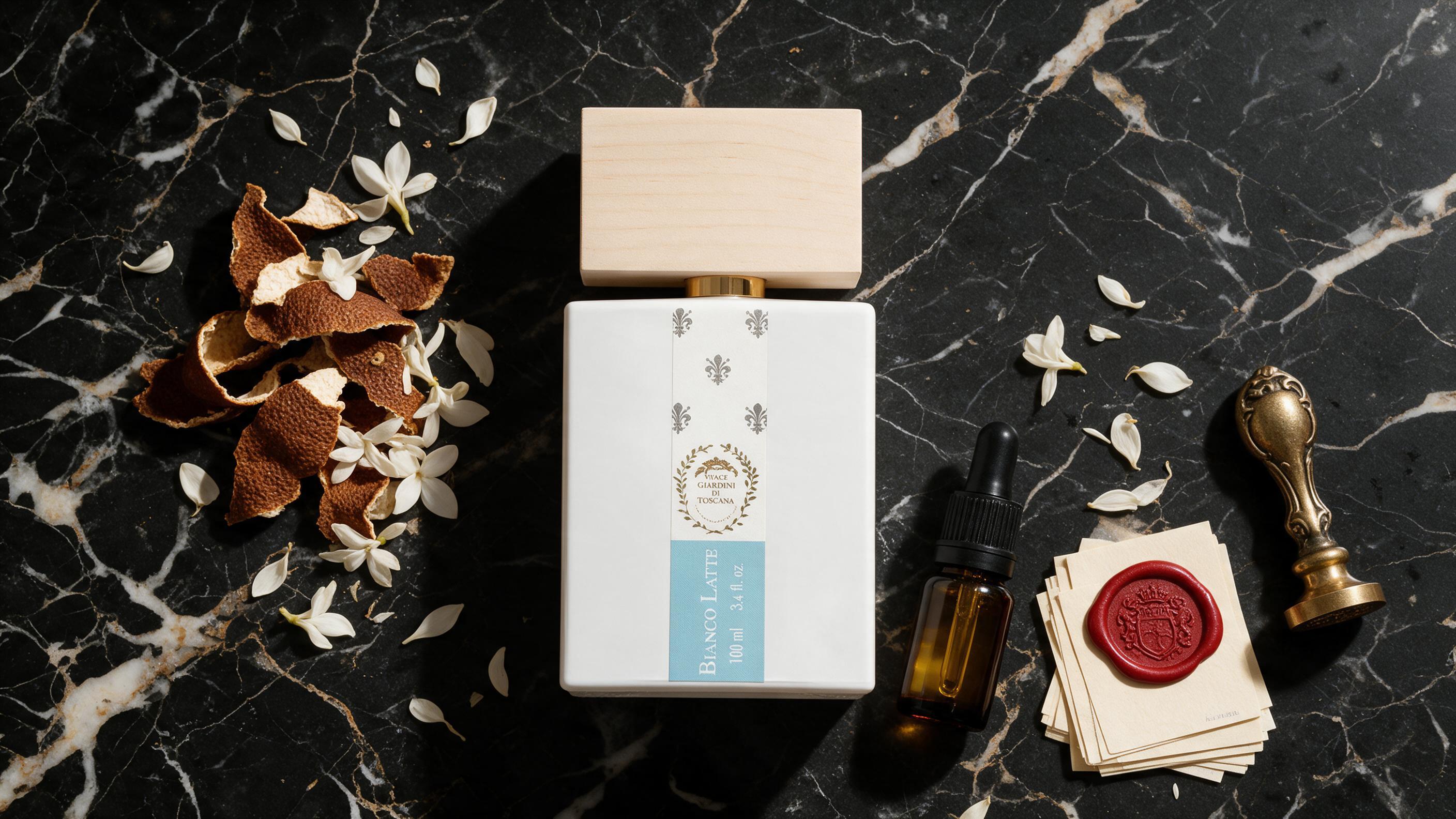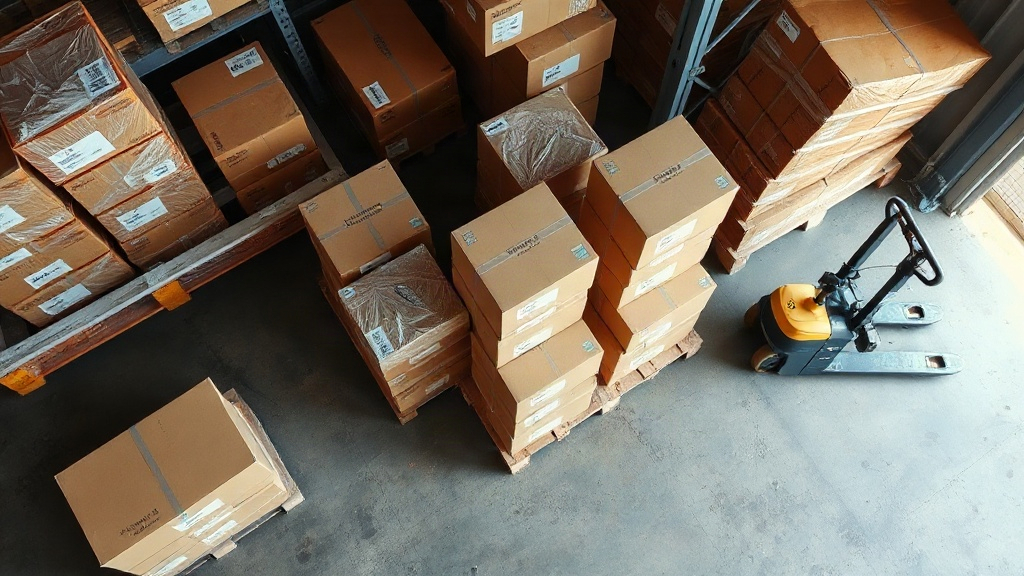
Perfume wholesale in NYC means buying fragrance inventory in bulk, directly from importers, licensed distributors, or brand-authorized wholesalers rather than at retail, so that retailers, online sellers, and regional distributors can resell at a margin. In practice this involves a resale certificate, a minimum order quantity (MOQ) that is typically set in units or cartons rather than single bottles, and a supplier relationship that covers authenticity documentation, consistent stock, and predictable lead times. For buyers outside New York, the same sourcing model applies online, which is why many wholesale fragrance buyers work with established suppliers like niche perfume wholesalers regardless of their physical location.
Summary
- Perfume wholesale NYC generally refers to bulk fragrance purchasing through importers, distributors, or wholesale suppliers that sell below retail in exchange for volume commitments.
- Buyers need a resale certificate, a clear MOQ structure, and documentation proving authenticity and legal import status before placing a first order.
- Customs, freight, and warehousing costs affect landed cost as much as the unit price itself, so logistics planning is part of sourcing, not an afterthought.
- A diversified assortment across sizes, sets, and niche lines helps retailers manage margin and reduce dependence on a single price point or category.
Why New York City Is a Major Hub for Wholesale Perfume Sourcing
New York's fragrance wholesale market grew around the city's role as a historic import and distribution gateway. The Flower District, parts of the Garment District, and the broader metro area host showrooms and warehouse-based wholesalers that supply discount retailers, duty-free shops, gift stores, and independent beauty boutiques across the Northeast and beyond. Many of these businesses operate as importer-distributors: they bring in bulk shipments from manufacturers and regional distribution centers, then break them down into smaller case quantities that retailers can actually absorb.
NYC wholesale fragrance buyers typically fall into a few recognizable categories: discount and off-price retailers looking for mainstream designer names at volume, gift and specialty shops that want a broader mix including niche and boxed sets, and regional distributors who break down pallet orders for smaller accounts across their own territory. Understanding which category a buyer falls into helps match them with the right supplier, since a supplier built around pallet-level designer closeouts is not necessarily the right fit for a boutique looking for a smaller, curated niche assortment.
The concentration of buyers and sellers in one metro area used to mean that wholesale effectively meant visiting a showroom in person, inspecting stock, and negotiating case pricing on the spot. That is still common, but it is no longer the only route. A growing share of wholesale perfume transactions now happen through supplier websites and B2B portals, which lets a retailer in Chicago, Miami, or Toronto access the same catalog and case pricing that a Manhattan-based shop would get, often with clearer documentation and a more consistent ordering process than a walk-in showroom visit provides.
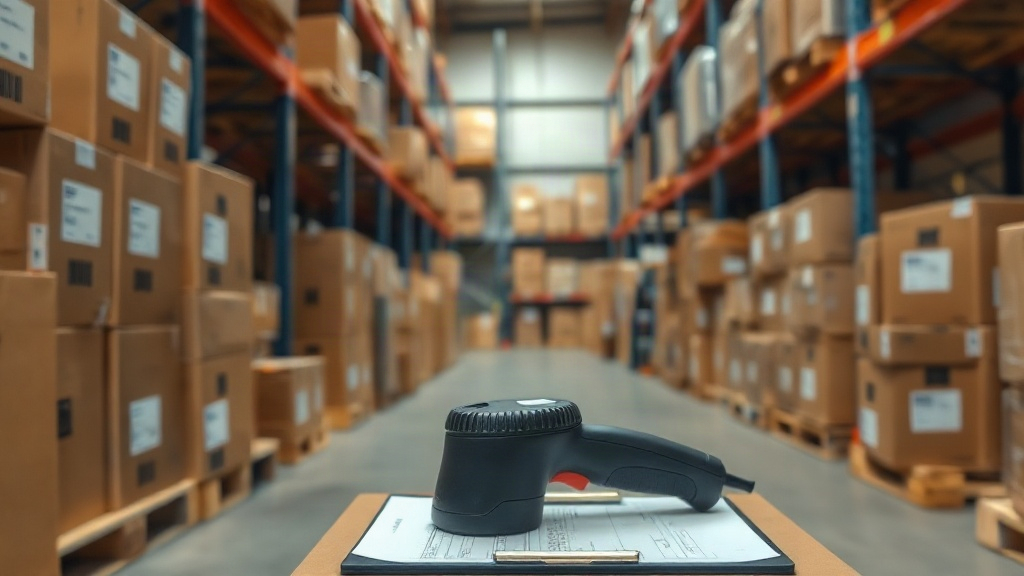
How Perfume Wholesale Works: MOQs, Pricing Tiers, and Order Structures
Unlike retail, wholesale perfume pricing is structured around volume, not per-bottle convenience. Most suppliers set tiered pricing: a base case or carton quantity unlocks the first wholesale tier, and larger pallet-level orders unlock lower per-unit costs. Instead of publishing a single retail price, serious wholesale suppliers quote pricing only after confirming the buyer's business status and intended order volume, which is why most B2B fragrance sites ask for a business account or direct inquiry rather than listing checkout prices publicly.
Wholesaler vs. Distributor vs. Drop-Ship Supplier
It is also worth distinguishing between a wholesaler, a distributor, and a drop-ship supplier before signing any agreement, since the terms are often used loosely in the fragrance trade. A wholesaler typically takes ownership of bulk stock and resells it in smaller case quantities. A distributor usually holds a formal agreement with a brand or manufacturer to supply a defined territory. A drop-ship supplier ships individual orders on a retailer's behalf without the retailer ever holding inventory. Each model carries different margin structures, minimum commitments, and risk levels, so buyers should confirm which model they are actually entering before negotiating price.
Minimum Order Quantities
MOQs vary by supplier and by product line. A single SKU might require a minimum carton quantity, while a mixed-case order across several SKUs can sometimes meet the same minimum. Buyers should clarify upfront whether the MOQ applies per SKU, per order, or per shipment, since this materially changes how much capital is tied up in a first purchase.
Payment and Account Terms
New wholesale accounts are commonly asked to pay upfront or on delivery for the first one or two orders before a supplier extends net payment terms. This is standard risk management on the supplier's side, not a sign of a disorganized vendor. Buyers building a long-term sourcing relationship should expect this phase and plan cash flow accordingly rather than treating it as a red flag.
Sourcing Process: From Supplier Discovery to First Shipment
A structured sourcing process protects both margin and reputation. Rushing into a large first order with an unverified supplier is one of the most common and costly mistakes new wholesale buyers make in the fragrance category, where counterfeit and gray-market stock is a known industry risk.
Vetting a Wholesale Perfume Supplier
Before committing to an order, confirm that the supplier can provide authenticity documentation, batch or lot information, and clear answers about whether stock is first-generation import, overstock, or close-out inventory. Ask how long the company has operated as a wholesale fragrance supplier, whether they hold relationships directly with brand distributors, and whether they can support reorders at consistent quality over time rather than a one-off lot.
Sample Requests and Quality Checks
Most established wholesale suppliers will accommodate a sample or small trial order before a full case commitment. Use this stage to check packaging condition, batch coding, box printing quality, and scent consistency against a known reference bottle. This step is especially important when sourcing niche perfume lines, where buyers are often less familiar with the catalog than they are with mainstream designer names and have less margin for error on a bad first impression with their own customers.

Logistics, Customs, and Import Compliance for Perfume Wholesale Buyers
Fragrance is a regulated commodity to transport and import, which adds steps that a generic wholesale goods purchase would not require. Perfumes are classified as hazardous materials for shipping purposes because of their alcohol content, which means freight carriers may apply dangerous goods handling fees and documentation requirements, particularly for air freight. Ocean freight is generally more cost-efficient for large pallet orders but comes with longer transit times that need to be factored into inventory planning.
For buyers importing from outside the United States, customs clearance requires accurate tariff classification, a commercial invoice, and often a certificate of origin. Partnering with a customs broker is standard practice for most wholesale importers rather than handling clearance independently, since misclassification or missing paperwork can hold a shipment at port and generate demurrage charges that erode the margin gained from the wholesale price itself. Buyers should also confirm state-level requirements, since some states apply additional rules to cosmetic and fragrance product labeling that differ from federal requirements.
Because landed cost includes freight, duties, brokerage fees, and warehousing, it is rarely equal to the quoted unit price. Experienced wholesale buyers calculate landed cost per unit before committing to volume, rather than comparing supplier quotes on unit price alone.
Storage and Shelf Life Considerations
Perfume is a flammable, alcohol-based product, which means it has specific storage requirements once it clears customs and reaches a warehouse. Stock should be kept away from direct heat and sunlight, ideally in a climate-controlled space, since temperature swings can affect both the fragrance and the packaging over time. Buyers placing large pallet orders should confirm they have adequate storage capacity before committing to volume, since holding excess inventory in unsuitable conditions can damage stock faster than it can be sold through.
Protecting Your Margins: Product Mix and Assortment Strategy
Margin in fragrance wholesale is shaped as much by assortment strategy as by the unit cost itself. Relying on a single bestselling SKU exposes a retailer to demand swings and makes it harder to differentiate from competitors buying from the same channel. A more resilient approach blends a few different product formats and categories so that no single price point carries the whole order.
Size tiering is one of the simplest levers available. Stocking both compact and full-size formats, such as 38ml perfume bottles alongside 50ml perfume bottles, lets a retailer serve customers with different budgets and use cases without carrying two entirely separate supplier relationships. Smaller formats tend to move faster at gift and impulse price points, while larger sizes build repeat-purchase loyalty among regular users.
Bundled offerings are another way to diversify margin structure. A curated perfume set can move slower-selling SKUs alongside bestsellers, improve average order value for retail customers downstream, and give a wholesale buyer a distinct seasonal promotion to run without renegotiating unit pricing. Finally, adding a niche perfume line to a predominantly mainstream assortment can open a higher-margin segment of shoppers who are specifically seeking fragrances they will not find at a mass retailer, which reduces direct price comparison with big-box competitors.
Seasonal demand is another factor that should shape purchasing volume and timing. Gifting occasions such as the winter holidays, Valentine's Day, and Mother's Day typically drive a spike in fragrance demand, particularly for gift sets and smaller formats that suit impulse or budget-conscious gift purchases. Planning wholesale orders around these cycles, rather than ordering a flat volume year-round, helps retailers avoid both stockouts during peak demand and excess inventory in slower months.

Choosing a Reliable Wholesale Perfume Partner Beyond NYC Showrooms
Geography matters less than it used to for sourcing wholesale fragrance, since documentation, freight, and account management now happen primarily online even for suppliers with a physical NYC presence. What should guide supplier selection is operational reliability: consistent stock availability, transparent MOQ and pricing tiers, clear authenticity guarantees, and a responsive account process for reorders and claims.
Buyers should also weigh how a supplier handles catalog breadth. A wholesaler that only offers a narrow set of mainstream names limits a retailer's ability to differentiate, while one that combines recognizable designer names with niche and gift-set options gives a retail buyer more flexibility to adjust assortment by season or by customer segment without switching vendors. Asking a prospective supplier for their full catalog, their reorder lead time, and references from existing retail or distributor accounts is a reasonable and standard request before committing to a first bulk order.
Finally, treat the first order as the start of a relationship rather than a one-time transaction. Suppliers that are easy to work with on a modest first order, that communicate clearly about lead times and documentation, and that stand behind the authenticity of their stock are the ones worth building a recurring purchasing schedule around, since consistency is ultimately more valuable to a wholesale buyer's business than a marginally lower price on a single shipment.
Common Mistakes Wholesale Buyers Make When Sourcing Perfume
A few recurring mistakes show up across new wholesale fragrance accounts, and most are avoidable with basic diligence. Overcommitting to a large first order before verifying a supplier's authenticity documentation is one of the most costly, since a problem is discovered only after capital is already tied up in stock that cannot be resold with confidence. Ignoring landed cost in favor of comparing unit prices alone is another common error, since freight, duties, and storage can change the real cost structure enough to erase an apparent discount. Finally, buyers sometimes treat a single supplier relationship as permanent rather than building a short list of two or three vetted sources, which leaves them exposed if one supplier runs into stock shortages or pricing changes.
Frequently Asked Questions
Is a resale certificate required to buy wholesale perfume in NYC?
Yes. Most wholesale fragrance suppliers, whether based in New York or elsewhere, require a valid resale or reseller certificate before opening a business account, since this confirms the buyer is purchasing for resale rather than personal use and allows the transaction to be handled without sales tax at the wholesale level.
What is a typical minimum order quantity for wholesale perfume?
MOQs vary by supplier and product line, and are usually expressed in case or carton quantities rather than single units. Some suppliers allow mixed-SKU cases to meet the minimum, while others require the minimum to be met per individual SKU, so it is worth confirming this detail before calculating total order cost.
How long does customs clearance take for imported perfume shipments?
Clearance time depends on the mode of transport, the completeness of documentation, and whether the shipment is selected for inspection. Air freight shipments generally clear faster than ocean freight, but both can be delayed by missing commercial invoices, incorrect tariff classification, or incomplete certificates of origin, which is why most wholesale importers work with a customs broker.
Can small retailers and online sellers buy perfume wholesale, or only large distributors?
Small retailers and online sellers can access wholesale perfume pricing as long as they meet a supplier's account requirements, typically a resale certificate and the applicable MOQ. Many wholesale fragrance suppliers structure tiered MOQs specifically so that independent retailers, not only large regional distributors, can place a first order and scale volume over time.