"Perfume wholesale NY" means buying fragrances in bulk, at trade pricing, from suppliers, importers, or distributors that operate in or ship from the New York market, rather than purchasing single bottles at retail. For a retailer, boutique owner, distributor, or import business, this typically means ordering by the case or pallet, working through pricing tiers based on volume, and sourcing from a partner who can verify authenticity and handle export paperwork. New York remains one of the busiest entry points for fragrance distribution in the United States, which is why so many B2B buyers start their supplier search there.
Summary
- Wholesale perfume sourcing in NY is built around case-pack ordering and volume-based pricing tiers, not retail-style single-unit purchases.
- Buyers generally choose among brand-direct distributors, multi-brand importers/wholesalers, and liquidation or overstock resellers, each with a different risk and margin profile.
- Minimum order quantities, shipping terms, and customs documentation determine your real landed cost, so confirm these before placing any deposit.
- A mixed catalog of designer, niche, and set or travel-size formats lets a retail buyer serve multiple price points and manage inventory turnover more effectively.
Why New York Is a Strategic Hub for Wholesale Perfume Sourcing
New York has functioned as a fragrance trading center for decades, and that history still shapes the wholesale market a B2B buyer encounters today. The city sits close to major East Coast ports and airports, which keeps inbound freight from overseas brand houses and outbound distribution to regional retailers relatively efficient. A wholesale buyer based anywhere in the Northeast, or shipping onward to the Caribbean, Latin America, or Canada, often finds that routing through a New York-based supplier shortens transit time compared to sourcing from a single-region factory abroad.
The density of suppliers matters as much as the geography. Decades of import activity have concentrated distributors, bonded warehouses, freight forwarders, and customs brokers who specialize specifically in fragrance and cosmetics within the metro area. That concentration gives a buyer more leverage: it is easier to compare quotes, negotiate case-pack composition, and find a supplier who already understands the regulatory requirements around alcohol-based products, rather than educating a new partner from scratch.
Finally, New York wholesalers tend to carry a wider spread of brand tiers than suppliers in smaller regional markets, from mainstream designer names to niche and independent houses. For a retail buyer trying to build a catalog that covers several customer segments at once, that breadth reduces the number of separate supplier relationships needed to stock a store or fill an online catalog.

Types of Wholesale Perfume Suppliers in the New York Market
Not every wholesale supplier operates the same way, and the type of supplier you choose will shape your pricing, your minimum order, and your exposure to authenticity risk.
Brand-Direct Distributors and Authorized Wholesalers
These are suppliers with a direct or licensed relationship to a fragrance house. They typically offer the most consistent authenticity and the cleanest paperwork, since stock moves through an authorized chain rather than a gray market. The tradeoff is usually a higher minimum order and less flexibility on case composition. Many of these distributors also carry niche perfume collections alongside mainstream designer lines, which gives a retail buyer a way to differentiate a storefront from competitors selling only the same handful of mass-market names.
General Importers and Multi-Brand Wholesalers
This category covers suppliers who import and hold inventory across many brands at once, rather than representing a single house. For a B2B buyer, this is often the most practical starting point: catalogs are broad, case-pack rules are usually more flexible, and a single purchase order can cover dozens of SKUs across designer and niche categories. A supplier operating this way can also usually advise on which formats are moving fastest in a given season, since they are watching demand across many retail accounts rather than just one brand's performance.
Liquidation, Overstock, and Closeout Resellers
Liquidation suppliers sell discontinued packaging, overstock, or closeout lots at steep discounts. This can work for a discount retailer chasing volume, but it carries more risk: stock availability is inconsistent, batch documentation is sometimes incomplete, and counterfeit product is more likely to slip into this segment than into authorized channels. Any buyer working with a liquidation source should budget extra time for authenticity verification before committing to a large order.
How to Vet a Wholesale Perfume Supplier Before You Order
Price is the easiest thing to compare between suppliers and the least reliable way to choose one. A lower quoted unit cost that comes with unverifiable stock, vague documentation, or an unreliable shipping schedule usually costs more in the end than a slightly higher price from a supplier who can back up every claim.
Authenticity, Batch Codes, and Documentation
Before committing to an order, ask for batch or lot codes on the specific units you would receive, and confirm the supplier can produce a commercial invoice, packing list, and, where relevant, a certificate of authenticity or importer-of-record information. A legitimate wholesale supplier should not hesitate to provide this. Reluctance to share sourcing documentation, or an inability to explain where stock originates, is one of the clearest warning signs in this industry.
Minimum Order Quantities and Tiered Pricing
Minimum order quantities in wholesale perfume are usually set by the case, not the unit, and pricing typically drops in tiers as order volume increases. Before you commit, clarify whether a case must contain a single SKU or can mix several, since a rigid single-SKU minimum can leave a smaller retailer overexposed to one scent if it doesn't sell as expected. Request a written quote that separates unit price, case-pack composition, and any volume discount thresholds, so you can compare offers from different suppliers on equal terms rather than relying on a verbal estimate.
Logistics, Customs, and Import Compliance for Wholesale Perfume
Fragrance is a regulated product category in international freight because most formulations are alcohol-based, which affects how shipments can be classified and transported. Air freight carriers often treat perfume as a limited or hazardous good, which can mean additional packaging requirements, carrier surcharges, or restrictions depending on alcohol concentration, while ocean freight is usually more flexible for larger volume orders and is the more common choice for bulk wholesale shipments.
A buyer importing from outside the US, or receiving domestic stock that originated overseas, should confirm a few things with the supplier up front: the HS/HTS classification being used for customs filing, whether duties and tariffs are included in the quoted price or billed separately, and which shipping term applies (FOB, CIF, or a delivered duty paid arrangement). These terms determine who is responsible for freight, insurance, and customs clearance at each stage, and getting this wrong is one of the most common ways a wholesale buyer ends up with a landed cost well above what was expected at the quoting stage.
Labeling compliance is worth checking as well. Cosmetic products sold in the US generally need accurate ingredient and country-of-origin labeling, and a buyer reselling through retail or e-commerce channels is ultimately responsible for the product meeting those requirements, even if a supplier handled the original import. Confirming this before the first shipment arrives avoids relabeling costs or delays later.

Structuring Your Product Mix for Margin and Turnover
A wholesale buyer rarely builds a profitable catalog around a single format or a single brand tier. Designer bestsellers move quickly because customers already recognize the name, but the margin on these names is usually tighter because competition on price is high. Niche and independent fragrances, like the collections found in a niche perfume catalog, typically carry a wider margin and help a retailer stand out, though they tend to turn over more slowly since the customer base is more selective.
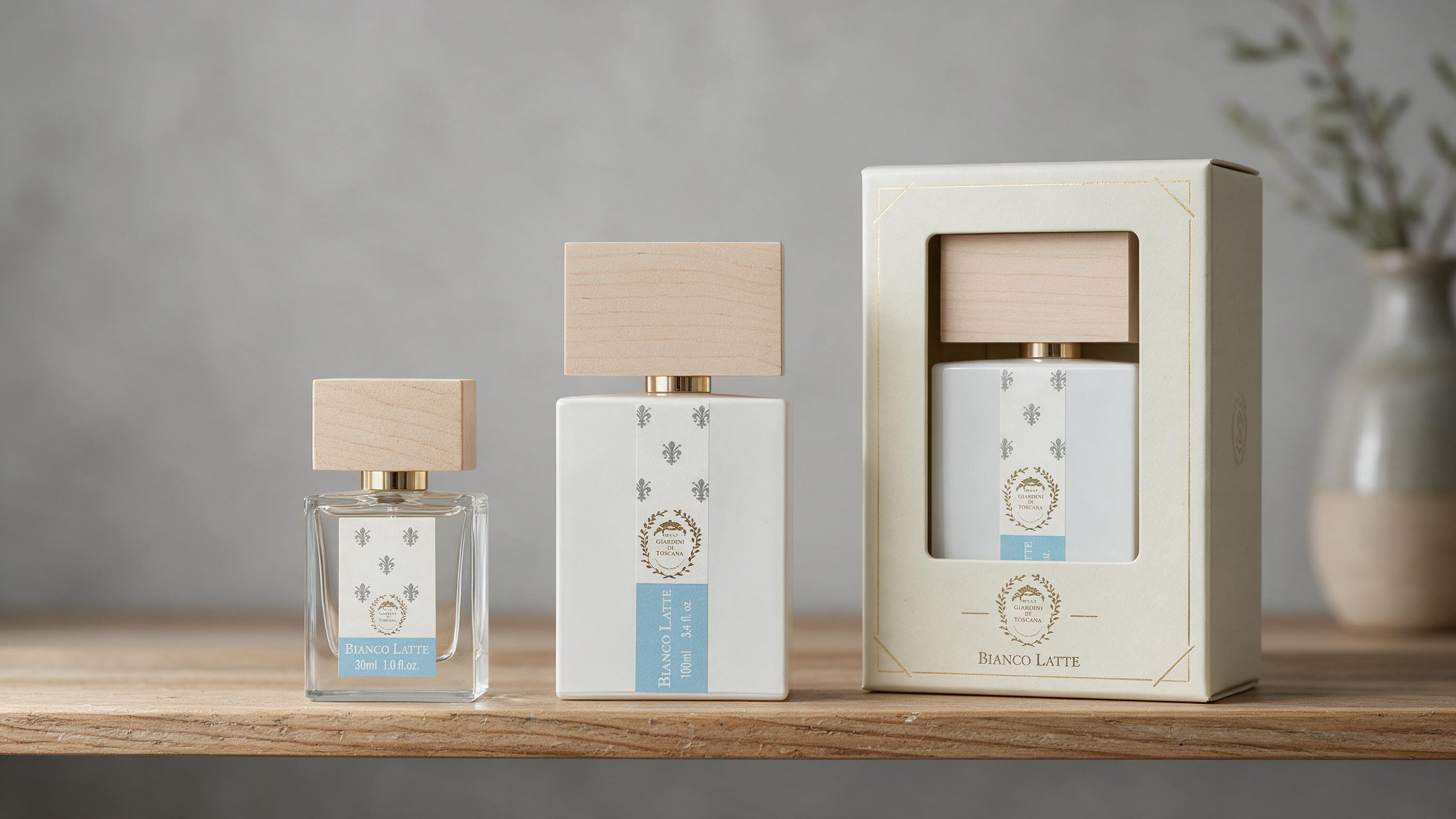
Format size is another lever worth planning deliberately rather than defaulting to one standard. A 50ml perfume format tends to work well as a core retail size across most sales channels, while a smaller 38ml perfume option gives a buyer a lower price-point entry item, useful for impulse purchases, travel retail, or gift-with-purchase promotions. Pre-assembled perfume sets are worth stocking heading into gifting seasons, since a bundled set often sells faster than the same fragrances would individually during that window, and it gives a retail buyer a higher average order value without needing to negotiate a separate SKU for every component.
Planning this mix before placing an order, rather than reacting to whatever a supplier happens to have in stock, makes it easier to balance fast-moving, lower-margin designer volume against slower, higher-margin niche and set inventory.
Common Mistakes B2B Buyers Make When Sourcing Wholesale Perfume
A few recurring mistakes show up across buyers who are new to fragrance wholesale, and most of them are avoidable with a bit of upfront diligence.
- Chasing the lowest unit price without verifying documentation. A deep discount is only a good deal if the stock is authentic and the paperwork holds up under scrutiny from customers or regulators.
- Ignoring case-pack composition. Committing to a single-SKU minimum order without checking demand first can leave a buyer holding slow-moving inventory in one scent while other formats sell out.
- Underestimating landed cost. Quoted unit price rarely includes duties, freight, and customs brokerage fees; leaving these out of a margin calculation can turn an apparently profitable order into a loss.
- Skipping the resale and compliance paperwork. Not having a resale certificate or import documentation ready before the first shipment arrives can delay receiving and selling that inventory.
- Over-concentrating in one brand or scent family. A catalog built around a handful of similar fragrances is more exposed to shifting demand than one spread across designer, niche, and set formats.
Frequently Asked Questions
What is the minimum order quantity for wholesale perfume from a NY supplier?
Minimum order quantities vary significantly by supplier type and are usually set at the case level rather than per unit. Brand-direct distributors tend to set higher minimums, while general importers and multi-brand wholesalers are often more flexible and may allow mixed-SKU cases. Always request the specific case-pack rules in writing before ordering, since this detail affects both your upfront cost and how much SKU diversity you can carry.
Is it cheaper to buy perfume wholesale from NY or directly overseas?
It depends on order volume and how comfortable your business is managing international freight and customs directly. A New York-based wholesaler has usually already absorbed the complexity of importing, which can mean a higher per-unit price than buying factory-direct overseas, but it also means lower minimum orders, faster delivery, and less exposure to customs risk. For buyers without an established import operation, working with an established wholesale supplier is often the more predictable option even if the headline unit price is slightly higher.
How do I verify that wholesale perfume is authentic and not counterfeit?
Ask the supplier for batch or lot codes before you order, and confirm those codes against the product line they correspond to. Request a commercial invoice and, where available, a certificate of authenticity or importer documentation. A reliable wholesale supplier will provide this without hesitation; resistance to sharing sourcing documentation is one of the strongest signals that stock may not be authentic.
Do I need a business license or resale certificate to buy perfume wholesale?
Most wholesale suppliers require proof that you are purchasing for resale, typically in the form of a business license, resale certificate, or sales tax permit, before they will extend wholesale pricing. Requirements vary by state and by supplier, so it's worth confirming exactly what documentation a given wholesaler needs before you begin the ordering process, to avoid delays once you're ready to place your first purchase order.