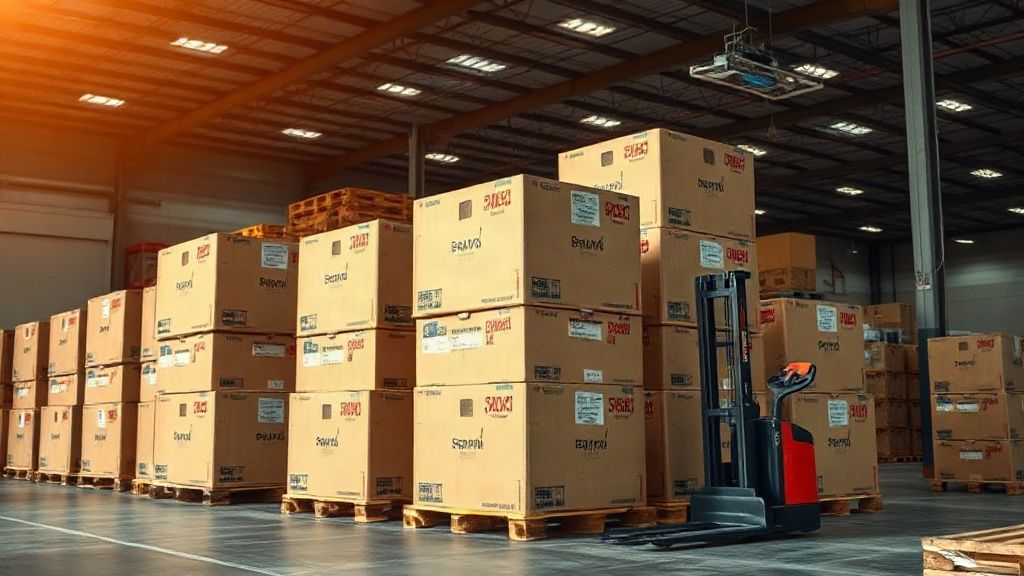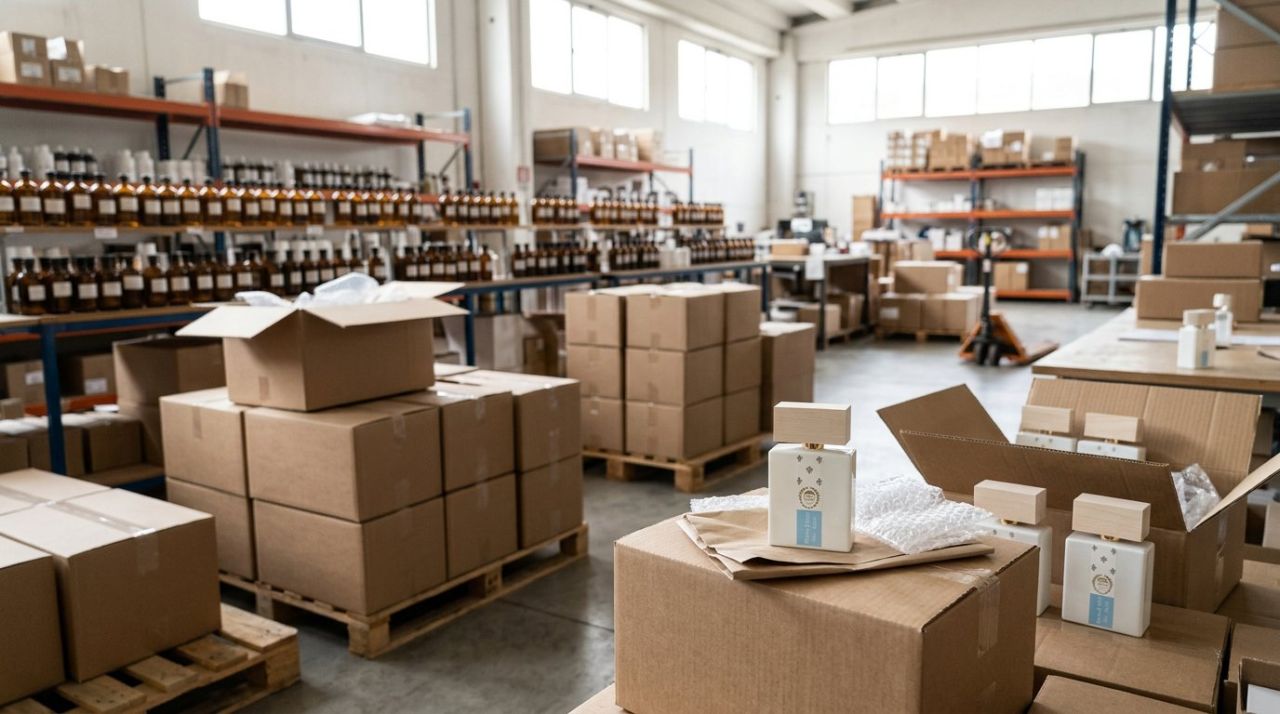
Perfume supply wholesale means sourcing fragrance inventory in bulk directly from manufacturers, licensed distributors, or authorized wholesalers instead of buying single units at retail price. For a retailer, distributor, or importer, it involves negotiating minimum order quantities, confirming authenticity and documentation, and setting up shipping and customs terms that keep landed cost predictable. Done well, it replaces inconsistent spot purchases with a repeatable supply chain that scales as sales volume grows.
Summary
- Perfume supply wholesale is the B2B practice of buying fragrance stock in volume, with pricing and terms structured around order size rather than single-unit retail purchases.
- Before comparing price, buyers should evaluate a supplier's minimum order quantity (MOQ), authenticity guarantees, documentation, and shipping terms.
- Margins depend on bottle size mix, brand tier, and how efficiently a buyer handles freight, duties, and customs clearance.
- Sustainable wholesale buying comes from building a relationship with one or two vetted suppliers rather than constantly switching for the lowest quoted unit price.
What Does Perfume Supply Wholesale Actually Involve?
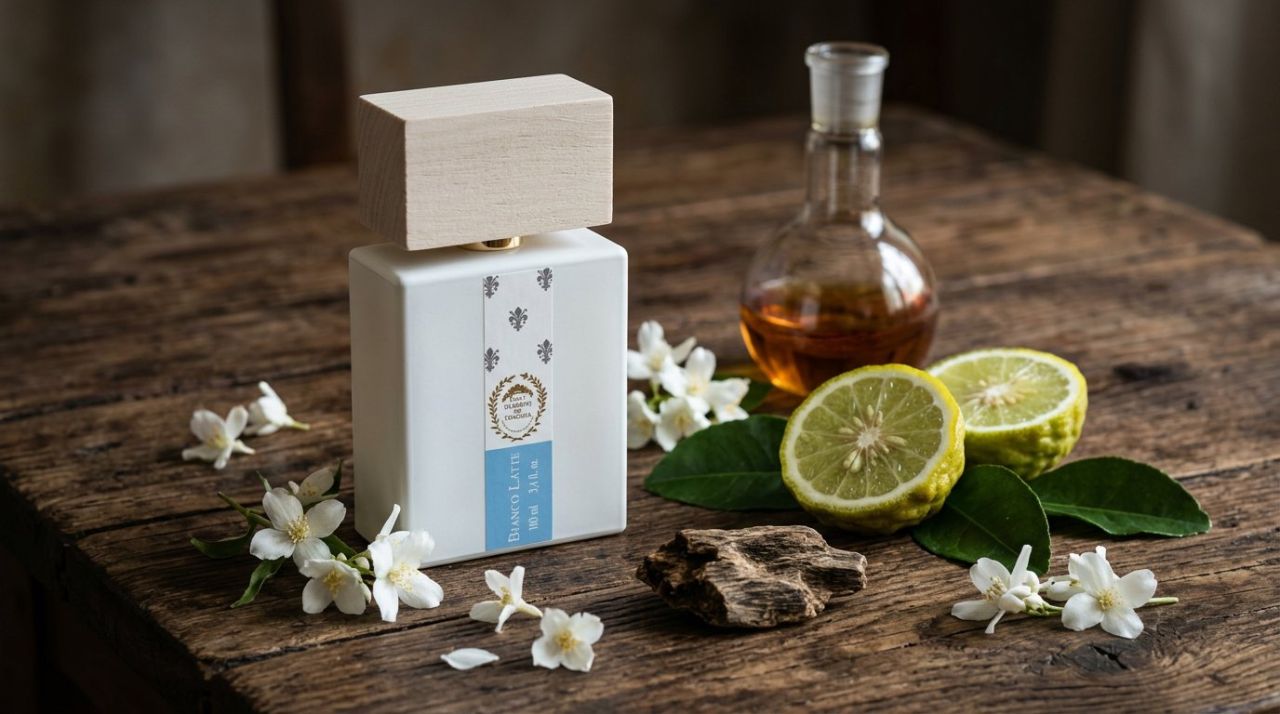
At its core, perfume supply wholesale is a business-to-business transaction: one company sells finished, packaged fragrance products to another company that intends to resell, distribute, or stock them, rather than to an individual end consumer. This distinction matters because wholesale agreements come with different expectations than retail purchases — buyers are expected to commit to a minimum volume, pay through commercial terms such as bank transfer or agreed invoicing, and often sign a reseller or distribution agreement rather than simply checking out on a consumer storefront.
A wholesale perfume supplier typically offers several tiers of product: designer-inspired and mass-market fragrances aimed at high-volume retail, and niche or specialty lines aimed at boutique or premium positioning. Many importers and retail buyers build a catalog that blends both, using well-known names to drive foot traffic or online conversion while using more distinctive, harder-to-find fragrances to differentiate their shelf or storefront from competitors who only stock mainstream names. Buyers evaluating a potential supplier's catalog should look closely at whether the range includes niche perfume collections, since these lines often carry healthier margins and face less direct price competition than mainstream bestsellers.
It is also worth understanding what supply covers beyond the bottles themselves. A serious wholesale partner should be able to provide outer packaging suited to retail display, batch and lot documentation for traceability, and consistent formulation from one shipment to the next. Inconsistent packaging or unlabeled stock is one of the clearest early warning signs that a supplier is not operating at a professional B2B standard.
Minimum Order Quantities and How to Structure Your First Purchase
Minimum order quantities exist because wholesale pricing is built around production and fulfillment efficiency. A supplier filling a single pallet or container load can offer a materially lower per-unit cost than one picking and packing a handful of bottles, so MOQs are the mechanism that makes wholesale pricing possible in the first place. For a new buyer, the MOQ is often the first real signal of how a supplier operates: a supplier with a rigid, unrealistically high MOQ for first-time buyers may be optimized for large distributors only, while one with no minimum at all may not actually be operating on genuine wholesale terms.
Why MOQs Exist and How They Scale
In practice, MOQs are rarely a single fixed number. Many suppliers structure pricing in tiers, where cost per unit decreases as order volume increases — for example, a small trial order at one price point, a mid-size restocking order at a better rate, and a container-level order at the best available pricing. For a buyer new to a supplier, it is reasonable to start with a trial order that is large enough to test sell-through and shipping reliability, but small enough to limit exposure if the relationship does not work out. This also gives a retailer or distributor real data — turnover rate, customer response, shelf performance — before committing capital to a much larger reorder.
Buyers should also ask whether MOQs apply per SKU or across a mixed order. A supplier that allows a mixed-case order across several fragrances and concentrations is generally easier to work with for a retailer that needs breadth rather than depth, since it reduces the risk of overstocking any single product.
The Sourcing Process: From Supplier Discovery to First Shipment
Sourcing perfume supply wholesale generally follows a predictable sequence: identifying candidate suppliers, requesting a catalog and pricing sheet, confirming authenticity and compliance documentation, agreeing on payment and shipping terms, and placing a trial order before scaling up. Skipping steps in this sequence is where most buyers run into trouble — particularly skipping the verification step in pursuit of a lower quoted price.
Verifying a Wholesale Supplier's Credentials
Before committing to any order, a buyer should confirm that the supplier can provide proof of authenticity for the brands it carries, such as invoices from an authorized distribution chain, batch codes that can be checked against manufacturer records, and clear country-of-origin information. This matters for two reasons: regulatory compliance at customs, and protecting your own business's reputation with the retailers or customers you ultimately sell to. A single shipment of unverifiable or counterfeit stock can damage a buyer's standing with customs authorities and with downstream customers far more than the cost of the goods themselves.
It is also worth asking a prospective supplier directly about their export experience: how many markets they currently ship to, how they package for international freight, and what happens if a shipment arrives damaged or short. Suppliers with established B2B operations will usually have ready answers and standard documentation for all of this, while newer or less formal sellers may not.
Profit Margins and Pricing Strategy for Wholesale Buyers
Profit margin in the wholesale perfume trade is driven less by the headline unit price and more by the total landed cost — unit price plus freight, insurance, duties, and any local handling fees — set against a realistic resale price in your own market. Two suppliers quoting similar per-bottle prices can produce very different margins once shipping terms, packaging quality, and minimum order size are factored in, which is why buyers should always request a full quotation rather than comparing bare unit prices across suppliers.
Brand tier and bottle size also shape margin structure. Mainstream, widely recognized fragrances tend to move faster but face tighter price competition, since customers can easily compare prices across retailers. Niche and specialty lines typically carry wider margins because fewer retailers stock them and customers have less basis for direct price comparison. Many experienced distributors deliberately balance a catalog between the two: fast-moving recognizable names to build traffic and reorders, and less common lines to protect margin and differentiate their offering. This is also where product bundling can help — offering a curated perfume set alongside single bottles gives a retailer a higher-margin, gift-oriented option that does not compete directly on a per-bottle price basis.
Buyers should also factor in holding cost and sell-through speed, not just margin per unit. A fragrance with a slightly lower margin but much faster turnover can be more profitable over a quarter than a higher-margin product that sits on a shelf for months, so margin planning should always be paired with a realistic view of demand in a specific market.
Logistics, Shipping, and Customs Considerations
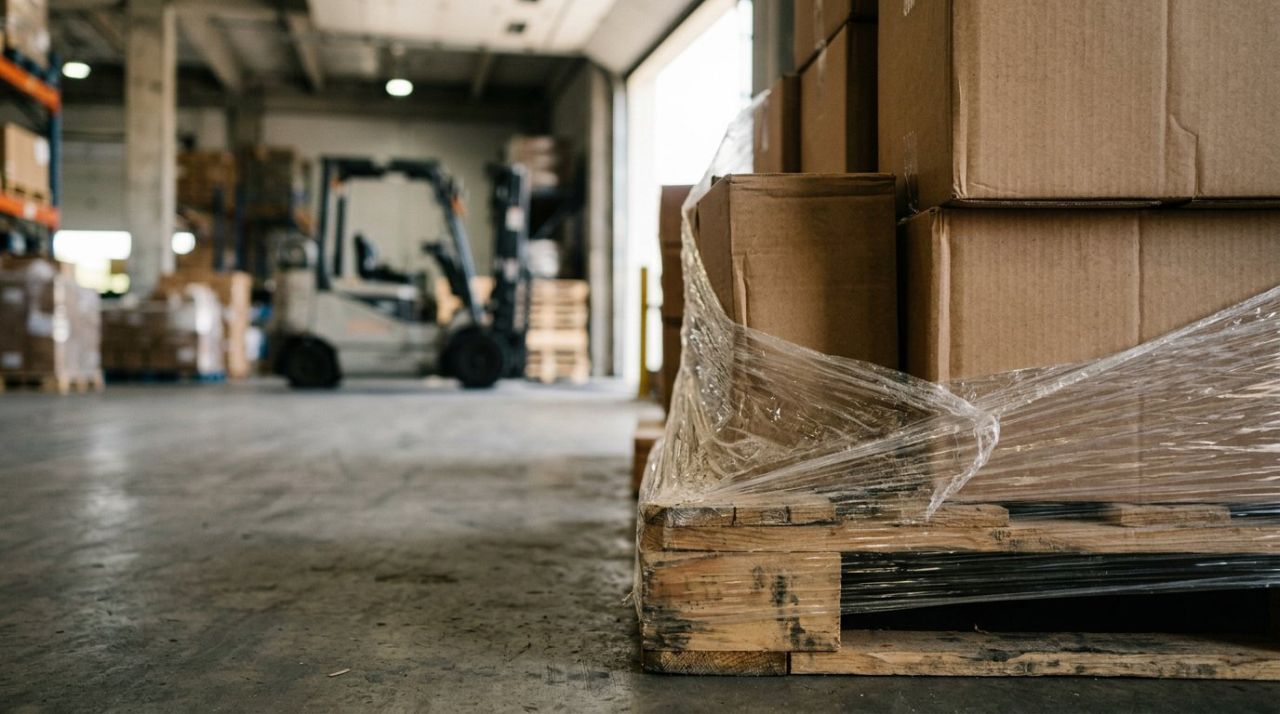
Fragrance is classified in most jurisdictions as a product containing flammable liquid and alcohol, which means it is typically subject to dangerous goods (DG) shipping regulations for air freight and specific documentation for sea freight. This affects both cost and lead time: DG-compliant air shipments carry surcharges and tighter packaging requirements, while sea freight is usually more economical for larger orders but takes considerably longer and ties up more working capital in transit inventory.
Before finalizing a shipping method, a wholesale buyer should confirm with the supplier exactly which Incoterm applies to the quoted price — whether it is EXW, FOB, CIF, or DDP — since this determines who is responsible for freight, insurance, and customs clearance at each stage. A supplier quoting a low unit price on EXW terms may end up costing more once a buyer arranges and pays for freight and customs independently, compared to a supplier offering a CIF or DDP price that already bundles those costs.
Customs classification and documentation also deserve attention well before a shipment leaves the supplier's warehouse. Buyers should confirm the correct HS code for cosmetic and fragrance products in their destination country, whether any import permits or cosmetic registration are required, and what commercial invoice and packing list details customs will expect. Addressing this upfront, rather than after a shipment is already in transit, avoids the delays and storage fees that come with customs holds.
Choosing Bottle Sizes and Building a Product Mix

Bottle size is one of the most practical levers a wholesale buyer has for shaping both margin and shelf presentation. Smaller formats generally work well for impulse purchases, travel retail, and gifting, while larger formats tend to suit customers who already know a fragrance and are restocking a favorite. A supplier that offers a range of formats, such as a 50ml bottle format alongside a more compact 38ml option, gives a retailer flexibility to price across different customer segments without having to work with multiple separate suppliers.
When planning an initial order mix, it helps to think in terms of role rather than just popularity: a handful of recognizable names to anchor the catalog, a selection of niche fragrances to support margin, and a smaller volume of gift-oriented formats or sets to capture seasonal and promotional demand. This kind of structured mix tends to perform more predictably than an order built purely around whichever single fragrance currently has the highest search volume, since it spreads risk across several customer motivations rather than betting on one trend.
Building a Long-Term Relationship with a Reliable Supplier
Many first-time wholesale buyers treat sourcing as a one-time price negotiation, but the businesses that scale successfully in this category tend to treat it as a relationship. A supplier who understands your reorder patterns, your market's seasonal demand, and your packaging or labeling preferences can move faster on restocks and is more likely to flag new product opportunities or pricing improvements proactively, rather than waiting for the buyer to ask.
Consistency also compounds over time in ways that are easy to underestimate. A supplier that reliably ships on schedule, provides accurate documentation, and maintains stable formulation batch after batch reduces the operational overhead on the buyer's side — fewer customs questions, fewer customer complaints about inconsistent scent, and fewer disruptions to inventory planning. These are the kinds of reliability advantages that rarely show up in a simple price comparison but have a direct impact on long-term profitability.
For buyers evaluating a potential long-term partner, it is reasonable to ask how the supplier handles order changes, what their standard lead time looks like during peak seasons, and whether they can support growing order volumes without renegotiating terms from scratch each time. A supplier that can answer these questions clearly, and that has a catalog broad enough to cover both everyday and niche fragrance demand, is generally a stronger long-term fit than one competing purely on the lowest unit price for a single order.
Frequently Asked Questions
What is the difference between perfume supply wholesale and retail buying?
Wholesale buying involves purchasing in bulk directly from a manufacturer, distributor, or authorized wholesaler under B2B terms, including a minimum order quantity and commercial invoicing, with the intent to resell. Retail buying involves purchasing single units at consumer pricing, with no volume commitment or resale agreement involved.
What documents should a wholesale perfume buyer request before ordering?
At minimum, a buyer should request a commercial invoice, packing list, proof of authenticity or authorized distribution, and batch or lot information for the products being ordered. Depending on the destination country, additional documentation such as import permits or cosmetic registration may also be required for customs clearance.
How do minimum order quantities typically work for new wholesale buyers?
Most suppliers structure MOQs in tiers, offering a smaller trial order for new buyers and progressively better pricing at higher volumes. Starting with a trial order allows a buyer to test product quality, shipping reliability, and sell-through before committing to a larger reorder.
Why do niche fragrances often carry better wholesale margins than mainstream names?
Niche fragrances face less direct price comparison because fewer retailers carry them, which gives resellers more control over pricing. Mainstream, widely recognized fragrances tend to drive volume and traffic but face tighter margins due to easier price comparison across competing retailers.