Perfume bottles wholesale refers to purchasing filled fragrance bottles in bulk, directly from a manufacturer or authorized distributor, at pricing and minimum order quantities structured for resellers rather than individual shoppers. For retailers, distributors, and importers, sourcing perfume bottles wholesale means securing consistent stock across standard formats such as 35ml and 50ml bottles, building a dependable supplier relationship, and planning logistics, customs clearance, and resale margins around bulk purchasing cycles instead of one-off retail transactions.
Summary
- Wholesale perfume bottle buying is about bulk, filled-product sourcing for resale, not retail-size purchases or empty glass packaging.
- Standard wholesale formats include compact travel sizes, 35ml and 50ml bottles, and curated perfume sets that suit different retail price points.
- Reliable sourcing depends on supplier transparency, consistent batch quality, realistic minimum order quantities, and clear lead times.
- Profitability for resellers hinges on landed cost planning: unit cost, freight, customs duties, and storage all factor into the final margin.
What "Perfume Bottles Wholesale" Means for B2B Buyers
In a B2B context, "perfume bottles wholesale" almost always describes finished, filled fragrance products bought in case quantities or pallet volumes, not empty glass vessels awaiting a filling line. Retail boutiques, pharmacy chains, duty-free operators, gift shops, and regional distributors use this sourcing model to stock shelves without carrying the overhead of in-house bottling, compounding, or fragrance formulation. The supplier handles production, quality consistency, and packaging; the buyer focuses on assortment planning, pricing strategy, and distribution.
This distinction matters because the procurement process looks very different from either retail shopping or industrial packaging sourcing. A wholesale buyer is negotiating case packs, requesting product data sheets, confirming batch traceability, and aligning delivery schedules with their own sales calendar. Understanding this upfront helps a purchasing team ask the right questions and avoid suppliers who are not actually equipped to serve B2B order volumes.
Many wholesale buyers use this sourcing model specifically because it lets them diversify a retail catalog quickly, without the capital investment or regulatory burden of fragrance manufacturing. A single purchase order can bring in multiple scent families, bottle sizes, and price tiers at once, which is far more efficient for a growing retail or distribution business than developing a private-label fragrance from scratch.
Common Wholesale Perfume Bottle Sizes and Formats
Wholesale fragrance catalogs are typically organized around a handful of standard bottle sizes, since consistent formats simplify both production and retail merchandising. The most widely stocked sizes for resale channels are compact bottles for travel-size or gift displays, and larger formats intended as the primary retail unit.
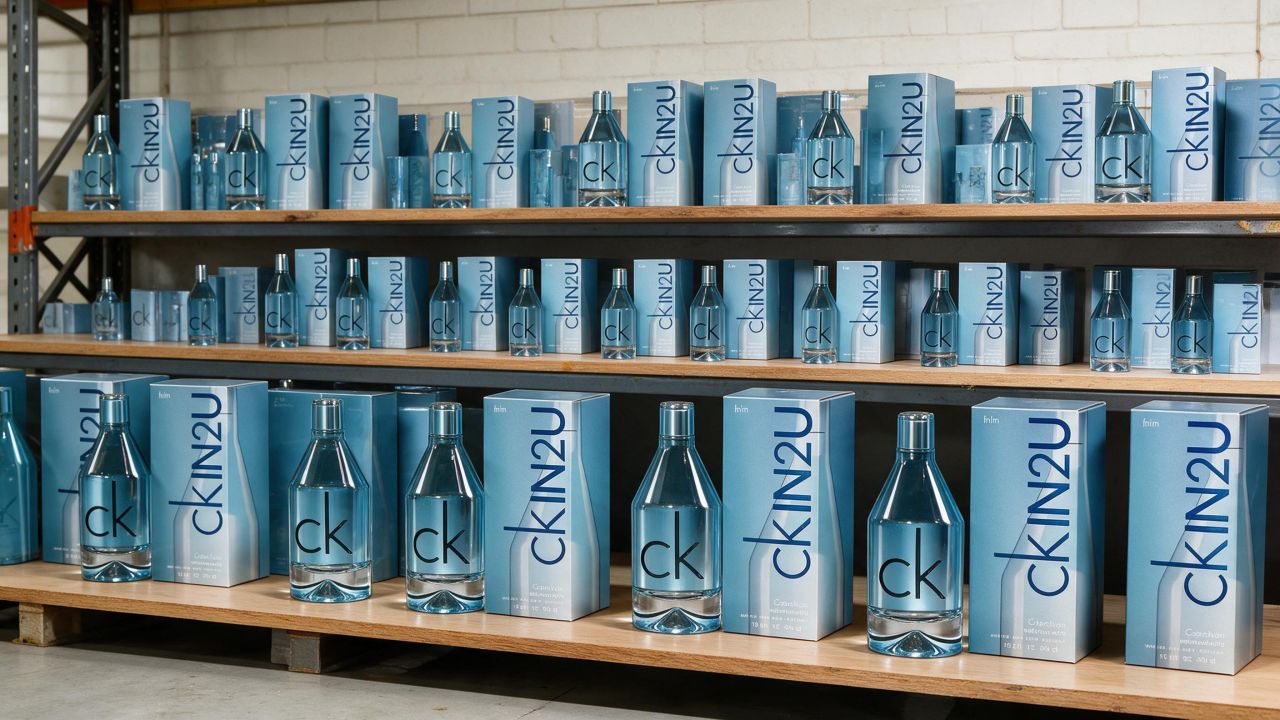
Many buyers build their core assortment around 38ml perfume bottles, which work well for impulse-purchase placement near checkout counters or as an accessible entry price point in a retail fragrance wall. For buyers targeting a more premium shelf position, 50ml perfume bottles are the standard full size format most consumers expect to find in a dedicated fragrance aisle. Beyond single bottles, perfume sets are a useful category for gifting seasons, bundling complementary scents or formats into one SKU that often performs well during holiday and seasonal promotions.
A well-planned wholesale order usually blends these formats rather than committing entirely to one size, since different retail environments and customer segments respond to different presentations.
Niche vs. Mainstream Fragrance Lines for Wholesale Assortment
Buyers sourcing perfume bottles wholesale generally need to decide how much of their catalog should lean toward mainstream, broadly recognizable scent profiles versus more distinctive, niche compositions. Mainstream lines tend to move faster and appeal to a wider customer base, making them a safer bet for high-volume retail environments. Niche fragrance lines, by contrast, often carry stronger perceived value and can support higher retail positioning, differentiation from competitors, and repeat purchasing from customers seeking something less common.
For distributors and boutique retailers who want to stand out from mass-market shelves, exploring a niche perfume collection alongside a core wholesale range can round out an assortment strategy. This combination allows a buyer to cover both the dependable, high-turnover segment of the market and the higher-margin, discovery-driven segment that niche fragrance buyers actively seek out.
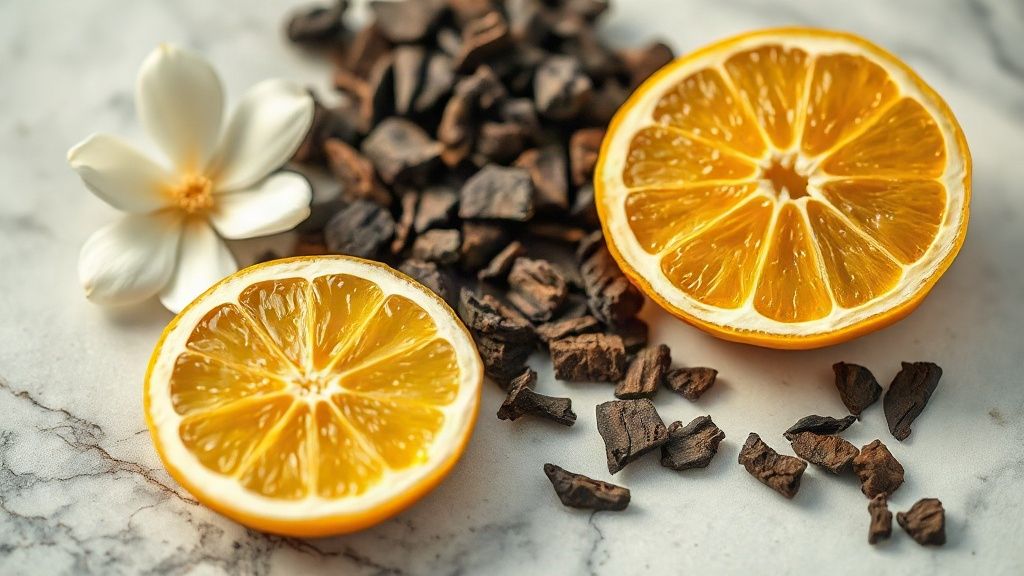
The ingredients behind these fragrance families are also worth understanding at a basic level when presenting a wholesale catalog to downstream retail staff. Classic notes such as bergamot, jasmine, and oud define much of what separates a mainstream citrus-forward scent from a deeper, more niche oriental composition, and this vocabulary helps retail buyers communicate value to their own customers.
Building a Balanced Wholesale Catalog for Different Retail Channels
Retail and distribution businesses rarely succeed by stocking a single bottle size or fragrance tier, since different customers shop with different budgets and expectations. A balanced wholesale catalog typically mixes accessible, fast-turnover formats with a smaller selection of premium or niche positioning, so that the overall assortment can serve walk-in retail traffic, gift buyers, and customers looking for something more distinctive all at once. Pairing core bottle sizes with ready-made perfume sets gives a buyer flexibility for seasonal promotions and gifting occasions without needing to source additional packaging separately, while a curated niche selection helps a retail or distribution partner differentiate their shelf from competitors carrying only mainstream names. Reviewing sell-through data by category on a regular basis helps a buying team fine-tune this mix over time, shifting future wholesale orders toward the formats and fragrance lines that are actually converting with their specific customer base.
How to Vet and Choose a Reliable Wholesale Perfume Supplier
Supplier selection is the single most consequential decision in wholesale perfume sourcing, since it determines product consistency, delivery reliability, and ultimately the buyer's own reputation with their retail customers. A few practical checkpoints help separate dependable partners from risky ones.
Documentation and Traceability
Ask for batch numbers, safety data sheets, and any compliance documentation relevant to the destination market before committing to a purchase order. A supplier that readily provides this paperwork is signaling an organized, export-ready operation.
Sample Evaluation
Requesting samples before a full wholesale order lets a buying team verify scent accuracy, bottle quality, cap and sprayer function, and packaging presentation. This step is especially important for a first order with a new supplier, since it is far cheaper to catch an issue on a sample than on a full pallet.
Communication and Responsiveness
How quickly and clearly a supplier answers pre-sale questions about MOQs, lead times, and customization options is a strong early indicator of how they will handle post-sale issues like delayed shipments or damaged stock.
Red Flags to Avoid
A practical way to avoid supplier risk is to watch for a few common warning signs: reluctance to provide samples, vague answers about production location or batch traceability, pricing that is dramatically below the rest of the market without a clear explanation, and pressure to pay the full order value upfront before any documentation is shared. None of these signs are automatically disqualifying on their own, but a supplier that shows several of them together is worth approaching with extra caution, and worth verifying through references or a smaller trial order first.
Buyers who take time on this stage consistently report fewer disputes and smoother reorder cycles down the line, since a vetted supplier relationship becomes the foundation for every future purchase order.
Minimum Order Quantities, Ordering Process, and Lead Times
Minimum order quantities (MOQs) in wholesale perfume sourcing are typically set at the case or carton level rather than by single unit, and they often vary by bottle size, fragrance line, and whether an order mixes multiple SKUs. Buyers new to a supplier relationship should expect to negotiate an initial trial order that is smaller than the supplier's standard MOQ, with the understanding that future orders will scale once trust and sales performance are established.
The ordering process generally follows a predictable sequence: an initial inquiry with requested SKUs and quantities, a formal quotation covering unit pricing and shipping terms, a purchase order confirmation, production or stock allocation, and then dispatch. Lead times depend heavily on whether the requested stock is held in ready inventory or requires a production run, so buyers planning around a specific retail launch date or seasonal promotion should confirm lead times explicitly rather than assuming standard shipping speed.
Clear communication about reorder cycles also matters. Retailers who plan ahead and share rolling forecasts with their supplier tend to secure better allocation priority during high-demand periods such as the holiday gifting season.
Margins and Profitability Planning for Resellers
Profitability in wholesale perfume resale is a function of landed cost, not just the unit price quoted by a supplier. A complete cost picture includes the wholesale unit price, inbound freight, insurance, customs duties and import taxes, warehousing, and any packaging or labeling adjustments required for the destination market. Buyers who price their retail or distribution offer based only on the supplier's quoted unit price frequently discover their actual margin is thinner than expected once these additional costs are factored in.
A disciplined approach is to build a landed-cost model for every SKU before committing to volume, factoring in realistic sell-through rates and the carrying cost of unsold inventory. Fragrance products with slower turnover, such as niche or limited-availability lines, may justify a higher margin target to offset the capital tied up in stock sitting on a shelf longer than a fast-moving mainstream bottle. Reviewing margin performance by format and fragrance line on a regular basis also helps a buying team adjust future wholesale orders toward the SKUs that are actually driving profitable turnover rather than simply reordering the same mix out of habit.
Payment terms and currency exposure also deserve attention in profitability planning. Buyers working with an overseas supplier should clarify whether pricing is quoted in a stable currency, what deposit is expected before production or shipment, and whether favorable payment terms are available for repeat orders. These details affect cash flow planning just as much as the headline unit price, and an experienced supplier will usually have standard terms they can walk a new buyer through during the quotation stage.
Logistics, Shipping, and Customs Clearance for Wholesale Perfume Imports
Fragrance products are classified as flammable liquids in most transport regulations because of their alcohol content, which has direct implications for how a wholesale shipment can move internationally. Air freight for perfume typically requires dangerous goods documentation and compliant packaging, which adds cost and lead time compared to shipping non-hazardous goods. Many wholesale buyers therefore default to sea freight for larger volume orders, accepting a longer transit time in exchange for substantially lower per-unit shipping costs.
Customs clearance adds another layer of planning. Import duties, applicable taxes, and any destination-market labeling requirements should be confirmed before the shipment leaves origin, not after it arrives at port. Working with a customs broker familiar with cosmetics and fragrance imports can prevent costly delays, and buyers should request the correct harmonized system code and commercial invoice details from their supplier in advance to keep the clearance process predictable.
Warehousing at the receiving end also deserves attention, since perfume stock should be stored away from direct heat and sunlight to preserve scent quality and packaging integrity until it reaches the final retail shelf.

Quality Control, Authenticity, and Packaging Standards
Consistency across every unit in a wholesale order is what protects a reseller's reputation with their own customers. Before finalizing a large purchase order, buyers should confirm that the supplier maintains batch-to-batch consistency in fragrance concentration, bottle fill levels, and cap or sprayer mechanisms, since even small variations can generate customer complaints once products reach retail shelves.
Packaging quality is equally important for wholesale buyers who plan to display products on open retail shelves rather than behind a counter. Outer carton durability, protective inserts, and tamper-evident sealing all affect how much product damage occurs in transit and storage. Buyers should also verify that any claims around authenticity, country of origin, and ingredient disclosure on the packaging match the destination market's labeling regulations, since mismatched documentation can cause shipments to be held at customs or rejected by retail partners who require compliant labeling.
Finally, maintaining a simple internal quality check on arrival, such as spot-checking a percentage of units from each shipment against the approved sample, gives a buying team an early warning system before a quality issue reaches the end customer.
Frequently Asked Questions
What is the difference between buying perfume bottles wholesale and buying empty bottles for filling?
Perfume bottles wholesale typically refers to finished, filled fragrance products purchased in bulk for resale, while empty bottle sourcing is a separate industrial packaging category aimed at brands that compound and fill their own fragrance. Most retail, distribution, and import businesses are looking for the former.
What bottle sizes are most common in wholesale fragrance orders?
Compact formats and larger standard sizes such as 38ml and 50ml bottles are among the most frequently stocked, alongside curated perfume sets that bundle multiple formats or scents into a single retail-ready offer.
How do minimum order quantities usually work for wholesale perfume?
MOQs are generally set at the case or carton level and can vary by fragrance line and bottle format. New buyers can often negotiate a smaller trial order before committing to a supplier's standard wholesale volume.
What should a B2B buyer check before choosing a perfume supplier?
Key checks include requesting samples, reviewing batch documentation and traceability, confirming realistic lead times, and evaluating how clearly the supplier communicates about shipping, customs requirements, and reorder logistics.