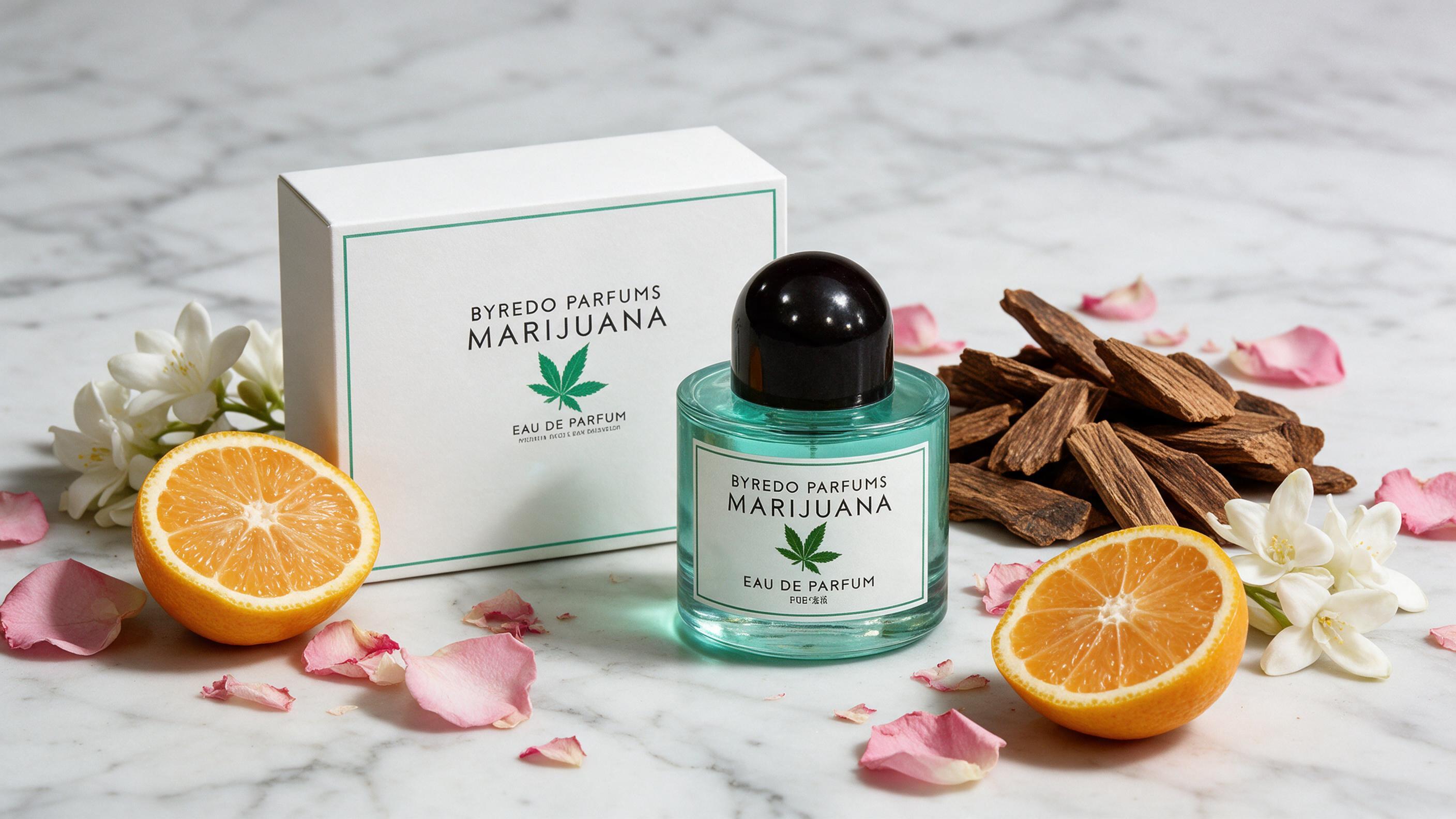
Perfume bottle wholesale refers to purchasing filled fragrance bottles in bulk, directly from a manufacturer or authorized distributor, at unit volumes and terms designed for retailers, distributors, and importers rather than individual shoppers. Buyers typically work from a minimum order quantity, select from standard fill sizes such as 38ml or 50ml, and negotiate pricing, packaging, and shipping terms as part of a single purchase order. This model lets a business stock a catalog of fragrances without paying retail markup on each unit.
Summary
- Wholesale perfume bottle sourcing is built around minimum order quantities (MOQs), tiered pricing, and standardized fill sizes rather than single-unit retail pricing.
- Fill size, concentration, and packaging format directly affect landed cost, shelf positioning, and the margin a retailer or distributor can realistically build in.
- Logistics, customs classification, and documentation are often the deciding factor in total cost and delivery reliability, not just the unit price quoted by a supplier.
- Vetting a supplier on production capacity, compliance documentation, and sample consistency matters more than chasing the lowest quoted price per unit.
Why Buy Perfume Bottles Wholesale Instead of Single Units
For a retailer, distributor, or importer, buying perfume one bottle at a time is not a viable business model. Wholesale purchasing exists precisely because fragrance has high per-unit production and packaging costs that only become efficient at volume. When a supplier fills, caps, labels, and boxes thousands of units in a single production run, the per-unit cost of glass, cap, pump, and secondary packaging drops substantially compared to small-batch or single-unit fulfillment. That saved cost is what makes a healthy wholesale margin possible once the product reaches a shelf, a marketplace listing, or a B2B catalog.
Buying wholesale also gives a business control over assortment. Instead of reselling whatever is available through a single-unit distributor, a buyer working directly with a wholesale supplier can build a catalog around specific concentrations, fill sizes, and fragrance families that match their customer base. This is particularly relevant for buyers who want to carry a consistent range across 38ml and 50ml formats, or who want to introduce a curated selection of niche fragrances alongside mainstream lines.
Finally, wholesale relationships tend to come with more predictable supply. A single-unit buyer has no leverage to request restocks on a schedule, while a wholesale account with an established minimum order quantity can plan inventory cycles, negotiate repeat production slots, and avoid the stockouts that damage a retail or distribution business.
Types of Wholesale Perfume Bottles and Packaging Formats
Not all wholesale perfume inventory looks the same, and understanding the common formats helps a buyer plan assortment and shelf space before placing an order.
Fill Sizes
Fill size is one of the first decisions a wholesale buyer makes, because it affects unit cost, shelf presentation, and how a product is positioned against competitors. Smaller formats are often used for travel-size or sampling programs, while mid-size formats strike a balance between affordability and perceived value. Many B2B buyers build their core assortment around a 38ml perfume range for everyday retail turnover, and complement it with a 50ml perfume line for customers who want a longer-lasting bottle at a slightly higher price point.
Single Bottles vs. Sets
Wholesale buyers can typically order individual SKUs or pre-assembled multi-piece sets. Sets bundle a fragrance with complementary products such as a body spray, deodorant, or a travel-size companion bottle, and they are frequently used for gifting seasons, promotional bundles, or higher-margin retail displays. A perfume set assortment can be a useful way for a retailer to increase average order value without having to source and package each component separately.
Mainstream vs. Niche Positioning
Buyers also need to decide how much of their catalog should sit in mainstream, widely recognized fragrance families versus more distinctive, niche-positioned scents. Niche fragrances generally carry a stronger margin story and appeal to a customer segment that is willing to pay more for a differentiated product, but they also require more selective, lower-volume ordering. A dedicated niche perfumes range can sit alongside a core wholesale catalog as a way to test demand for higher-end positioning without overcommitting inventory.

Perfume Concentrations and Raw Materials Every Buyer Should Understand
A wholesale buyer does not need to be a perfumer, but understanding concentration terminology is essential for setting accurate expectations with retail customers and for comparing suppliers fairly. Concentration refers to the percentage of aromatic compounds dissolved in the alcohol or carrier base, and it is the single biggest driver of how long a fragrance lasts on skin and how it is priced relative to competing products. Eau de toilette typically carries a lighter concentration and shorter wear time, while eau de parfum and parfum extrait formats use a higher concentration of aromatic compounds and are generally positioned as a more premium tier.
Raw material sourcing also affects both cost and marketing story. Natural extracts such as bergamot, jasmine absolute, and oud are prized for their complexity and are often used to anchor a fragrance's identity, but they are also more expensive and more variable in supply than synthetic aroma compounds. A wholesale buyer evaluating a new supplier or a new fragrance line should ask directly what concentration is being supplied, whether the formulation leans on natural extracts or a synthetic-dominant composition, and whether that composition is documented consistently from batch to batch. Inconsistent concentration or raw material substitution between production runs is one of the most common causes of customer complaints further down the retail chain, so this is worth confirming before committing to a large order.

Minimum Order Quantities and Wholesale Pricing Structures
Minimum order quantity, or MOQ, is the smallest number of units a supplier is willing to produce or release in a single order. MOQs exist because production runs, filling lines, and packaging setups have fixed costs that only make sense to absorb above a certain volume. For a B2B buyer, understanding MOQ is as important as understanding unit price, because an attractive unit price attached to an unreasonably high MOQ can tie up more working capital than a business is ready to commit.
Wholesale pricing is almost always tiered: unit cost decreases as order volume increases, and the pricing curve tends to flatten once a buyer reaches a certain volume threshold where the supplier's production efficiency is already maximized. When comparing quotes from different suppliers, a buyer should always request pricing at the same volume tier across suppliers, since comparing a low-volume quote from one supplier against a high-volume quote from another will produce a misleading picture of who actually offers the better deal.
It is also worth separating unit price from total landed cost. A quoted per-bottle price rarely includes packaging upgrades, custom labeling, freight, insurance, duties, and any compliance testing that may be required in the destination market. A buyer who only compares the headline unit price across suppliers, without normalizing for these additional line items, will frequently end up with a distorted sense of which supplier is genuinely more cost-effective once the order actually lands in their warehouse.
Supply Chain, Logistics, and Customs Considerations for Importers
Moving wholesale perfume across borders involves more regulatory complexity than most general merchandise, because fragrance products typically contain alcohol and are classified under specific customs codes that trigger additional documentation requirements. Before placing a large order, an importer should confirm the correct tariff classification for finished fragrance products in their destination country, and should ask the supplier whether they can provide the safety data sheets, ingredient declarations, and certificates of origin that customs authorities commonly request for this product category.
Freight mode is another decision that materially affects both cost and timeline. Sea freight is the standard choice for large wholesale volumes because it offers the lowest per-unit shipping cost, but it also requires longer lead times and more careful inventory planning to avoid stockouts while a shipment is in transit. Air freight is faster and sometimes necessary for smaller top-up orders or time-sensitive launches, but the cost premium usually makes it impractical for a full wholesale-volume order. Because glass packaging is fragile and alcohol-based liquid is classified as a dangerous good in many shipping frameworks, buyers should also confirm that a supplier has experience with compliant packing, palletizing, and labeling for international freight, since errors here can lead to shipment delays or rejected cargo at the border.
A reliable supplier will typically walk a new buyer through incoterms, provide a realistic production-to-delivery timeline, and flag any documentation the importer needs to prepare on their own side. Buyers who are new to importing fragrance products specifically should build in extra lead time for their first order, since customs clearance timelines can vary more for this category than for straightforward dry goods.

How to Choose a Reliable Wholesale Perfume Bottle Supplier
Price is the easiest variable to compare between suppliers, which is exactly why it should not be the only one a buyer relies on. A supplier offering the lowest unit price but inconsistent batch quality, unreliable lead times, or weak compliance documentation will almost always cost a buyer more in the long run through returns, customer complaints, and missed sales windows.
Production Capacity and Consistency
Ask a prospective supplier directly about their production capacity, their typical lead time from order confirmation to shipment, and how they handle quality control between batches. A supplier that can show a consistent filling, capping, and labeling process across multiple production runs is a stronger long-term partner than one that cannot clearly explain their own process.
Documentation and Compliance
Request safety data sheets, ingredient documentation, and any certifications relevant to the destination market before committing to a first order. A supplier that readily provides this documentation signals operational maturity; one that is vague or slow to respond on compliance questions is a warning sign worth taking seriously.
Samples Before Volume Commitment
Always request physical samples before placing a full wholesale order, and compare them against any previous batches if this is a repeat relationship. Sample evaluation should cover not just the fragrance itself, but the bottle, cap, pump mechanism, and secondary packaging, since defects in any of these components can affect sellability just as much as the scent.
Communication and Responsiveness
How a supplier handles pre-order questions is a reasonable proxy for how they will handle problems after the order ships. A supplier that answers sourcing, customization, and logistics questions clearly and promptly during negotiation is more likely to be responsive if an issue arises with a shipment.
Private Label and Custom Branding Opportunities
Many wholesale buyers eventually move beyond reselling existing fragrance lines and explore private label or custom branding arrangements, where a supplier fills a fragrance under the buyer's own brand name and packaging design. This path requires a higher MOQ than buying an existing line, since custom bottle molds, caps, or printed packaging typically need their own minimum production run, but it also allows a retailer or distributor to build brand equity rather than simply reselling a name the end customer could buy elsewhere.
Buyers considering private label should start with a smaller customization scope, such as custom labeling or custom secondary packaging on an existing bottle format, before committing to a fully custom bottle mold. This lets a business test market response to its own branding with a lower upfront investment, while still giving customers a distinct product. As the brand gains traction, moving into more customized formats, including curated assortments positioned alongside a niche perfumes range or bundled into gift-ready perfume set packaging, becomes a more viable next step.
Regardless of how far a buyer takes customization, the underlying wholesale fundamentals stay the same: confirm concentration and formulation details in writing, lock in fill size and packaging specifications before production starts, and treat the first order as a test of the supplier's consistency rather than assuming every future batch will automatically match the sample.
Frequently Asked Questions
What is a typical minimum order quantity for perfume bottle wholesale?
Minimum order quantities vary by supplier, fill size, and whether the order uses existing stock formulations or requires custom production. Rather than assuming a fixed number, buyers should request the MOQ directly from each supplier for the specific fill size and packaging configuration they are considering, since it can differ significantly between a standard catalog item and a custom-branded product.
What is the difference between 38ml and 50ml wholesale formats?
The main differences are unit cost, shelf positioning, and perceived value. A 38ml format is often used for everyday retail turnover and entry-level pricing tiers, while a 50ml format is positioned as a larger, longer-lasting option that can support a higher retail price point. Many B2B catalogs carry both sizes side by side to serve different customer segments.
Do I need special documentation to import perfume bottles wholesale?
Yes. Because fragrance products typically contain alcohol, they are usually classified under specific customs codes and may require safety data sheets, ingredient declarations, and certificates of origin. Requirements vary by destination country, so importers should confirm the exact documentation needed with their customs broker or freight forwarder before finalizing a purchase order.
How do I know if a wholesale perfume supplier is reliable?
Look beyond the quoted unit price and evaluate production capacity, consistency across batches, willingness to share compliance documentation, and responsiveness during pre-order communication. Requesting physical samples before committing to a full order is one of the most effective ways to verify that a supplier's actual product matches what is being promised.