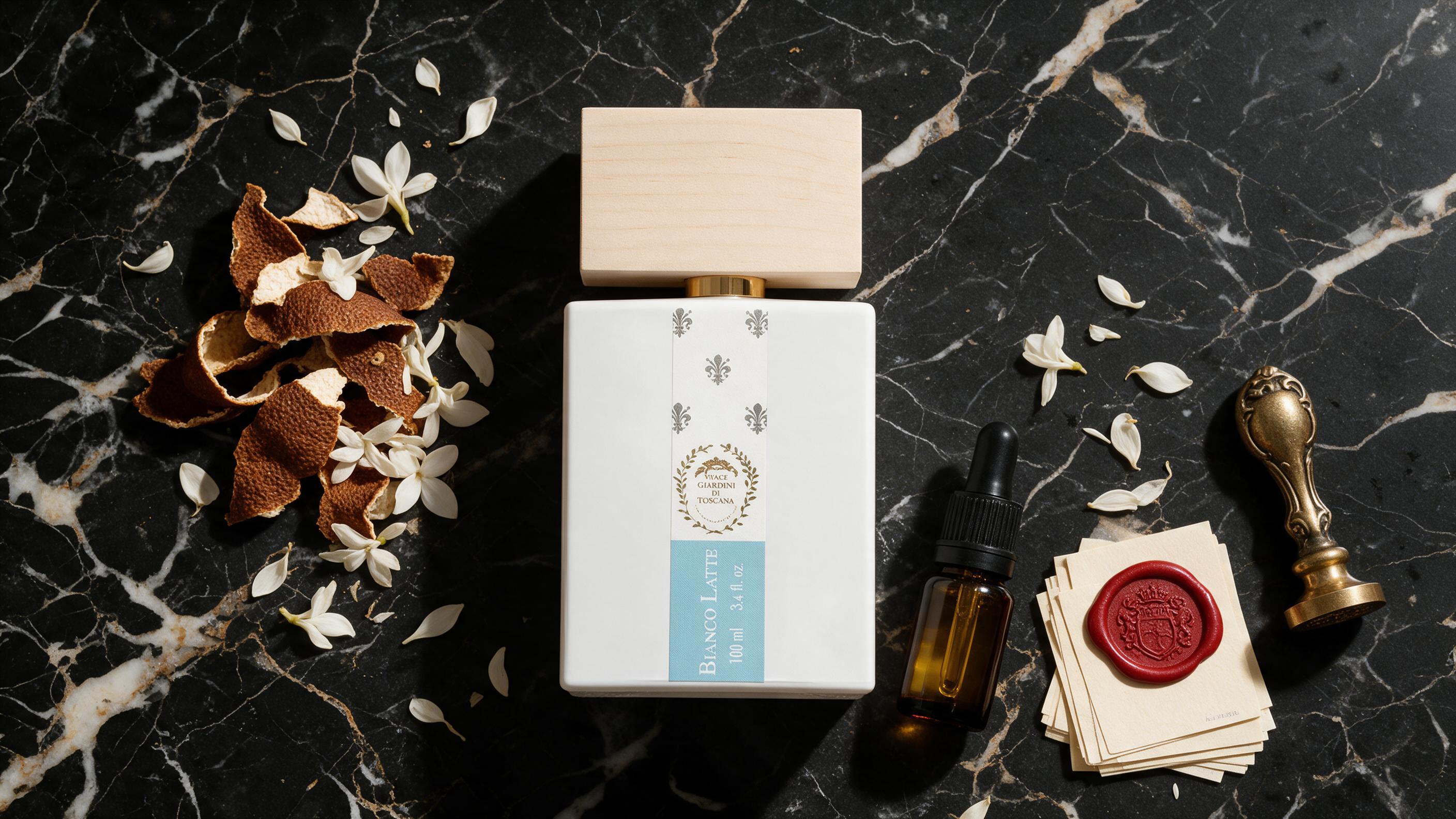
What Does Fragrance Perfume Wholesale Mean for B2B Buyers?
Fragrance perfume wholesale refers to purchasing perfumes in bulk, at reduced per-unit pricing, directly from manufacturers, brand distributors, or licensed export suppliers rather than from retail channels. For retailers, distributors, and importers, wholesale sourcing means access to minimum order quantities, tiered pricing based on volume, and supply agreements structured for resale rather than personal use. The right wholesale partner also handles documentation, packaging, and shipping logistics that individual consumers never need to think about.
Özet
- Wholesale fragrance sourcing is built around minimum order quantities (MOQs), tiered volume pricing, and resale-ready documentation — not single-unit retail purchases.
- Reliable suppliers provide authenticity guarantees, batch traceability, and compliance paperwork that protect your business during customs clearance and consumer disputes.
- Profit margins depend on assortment mix (niche vs. mainstream), order volume, and how efficiently you manage logistics and reorder cycles.
- Shipping perfume internationally involves dangerous goods (DG) classification due to alcohol content, so customs and freight planning must be built into your sourcing strategy from day one.
How the Wholesale Fragrance Supply Chain Works
Unlike consumer retail, where a shopper buys a single bottle at a fixed shelf price, wholesale fragrance transactions move through a structured supply chain designed for repeat, high-volume purchasing. A typical chain runs from raw material producers and fragrance houses, to licensed manufacturers or bottlers, to export-oriented wholesale suppliers, and finally to the retailer, distributor, or importer placing the order. At each stage, pricing is negotiated on volume, payment terms, and the buyer's ability to commit to recurring purchase cycles.
For a B2B buyer, understanding this chain matters because it explains why pricing varies so widely between suppliers claiming to sell the "same" product. A supplier sourcing directly from a manufacturer or an authorized regional distributor can typically offer more consistent stock, better batch documentation, and more predictable lead times than a reseller several layers removed from the source. When evaluating a wholesale fragrance partner, ask directly where in the chain they sit — this single question often reveals more about reliability than the quoted price itself.
Import-focused buyers face an additional layer of complexity: many fragrance brands operate through exclusive regional licensing agreements, which means a supplier authorized to distribute in one market may not hold the same rights elsewhere. Before finalizing a large order, confirm that your supplier's distribution rights actually cover the market you plan to sell into — this single check can prevent legal and customs complications that are far more costly to resolve after goods have shipped.
Minimum Order Quantities and the Ordering Process
Minimum order quantity (MOQ) is one of the first constraints a wholesale buyer encounters, and it varies significantly depending on the supplier, the product line, and whether the order is a first-time trial purchase or an established reorder. MOQs can be set per SKU, per product family, or as a blended total across a mixed order. Understanding how a supplier structures its MOQ policy helps you plan cash flow and warehouse space before committing.
Mixed Pallets and Assortment Orders
Many wholesale buyers, particularly smaller retailers and regional distributors, prefer mixed-assortment orders over single-SKU bulk purchases. A mixed pallet or carton might combine several fragrance families, gender lines, and bottle sizes in a single shipment, which reduces the risk of overstocking any one item while still meeting a supplier's overall MOQ. When sourcing this way, look for suppliers who publish clear assortment guidelines rather than negotiating each mix informally — this reduces miscommunication and order errors.
Reorder Cycles and Stock Planning
Once an initial order is placed and tested in-market, most B2B relationships move toward a recurring reorder cycle. Establishing this cadence early — whether monthly, quarterly, or seasonal — gives both the buyer and supplier better forecasting visibility. Seasonal demand spikes, particularly around gifting periods, should be planned several weeks ahead of the actual sales window, since production and freight lead times can stretch the gap between order placement and shelf-ready stock.
Choosing a Reliable Wholesale Perfume Supplier
Supplier vetting is arguably the single most important step in wholesale fragrance sourcing, because the financial and reputational risk of a bad supplier relationship compounds with every order. A reliable supplier should be able to answer questions about sourcing origin, batch traceability, and return policy without hesitation, and should be willing to provide documentation before the first order is finalized rather than only after a dispute arises.
Before committing to a full-volume order, many experienced wholesale buyers negotiate a smaller trial shipment with a new supplier. A trial order lets you evaluate packaging condition, delivery accuracy, and communication responsiveness at a manageable financial risk, and it gives you concrete performance data to reference if you later negotiate better terms for larger, recurring orders.
Verifying Authenticity and Quality
Counterfeit and gray-market fragrance products remain a persistent risk in the wholesale channel, and the financial damage from a single shipment of misrepresented stock can outweigh months of margin. Ask prospective suppliers for batch codes, certificates of authenticity, and — where relevant — brand authorization documentation. A supplier confident in their sourcing will not treat these requests as unusual; hesitation or vague answers on origin should be treated as a warning sign, not a negotiating point to push past.
Certifications, Compliance, and Documentation
Beyond authenticity, wholesale buyers should confirm that a supplier's products meet the regulatory requirements of the destination market, including ingredient labeling, safety data sheets (SDS), and any regional cosmetic or chemical compliance standards. Retailers and importers are ultimately responsible for the compliance of the goods they sell, so pushing this diligence upstream to the supplier — and getting it in writing — protects your business well before goods reach a customs checkpoint or a retail shelf.

Profit Margins and Pricing Strategy for Wholesale Buyers
Margin planning in fragrance wholesale depends on several variables working together: the wholesale unit cost, order volume discounts, freight and customs costs landed into your market, and the competitive pricing of your specific retail or distribution channel. Rather than fixating on a single target margin figure, experienced buyers model a range based on product tier — mainstream, designer-adjacent, and niche fragrance lines typically carry different margin structures because of how each is positioned to the end consumer.
A useful practice is to separate "volume movers" from "margin builders" within your assortment. Volume movers are widely recognized fragrance families that sell reliably but at thinner margins due to competitive pricing pressure; margin builders are more distinctive or niche perfume selections that command stronger margins because fewer competitors stock them. Balancing both categories in a single order protects cash flow while still building a differentiated catalog.
Bundled formats also play a role in margin strategy. A curated perfume set can increase average order value for your downstream customers while allowing you to move slower-selling individual SKUs as part of a package, improving overall sell-through without discounting core bestsellers.
Logistics, Customs, and International Shipping for Perfume Wholesale
Fragrance is classified as a dangerous goods (DG) item in most international freight systems because of its alcohol content, which places it under stricter shipping regulations than most consumer goods. This affects which carriers can transport it, how it must be packaged and labeled, and what documentation must accompany each shipment. Buyers new to fragrance wholesale are often surprised by this requirement, so it is worth confirming with any prospective supplier whether they routinely handle DG-compliant export shipments or whether this will be a new process for them as well.
Customs Documentation and Import Requirements
A complete wholesale fragrance shipment should include a commercial invoice, packing list, and — depending on destination — a certificate of origin and safety data sheet. Import duties and taxes vary by country and by how the goods are classified under the relevant harmonized system (HS) code, so confirming the correct classification with your customs broker before the first shipment avoids costly reclassification delays later. Working with a supplier experienced in cross-border fragrance exports significantly reduces the administrative burden on your side, since they will already have templates and processes for this documentation.
Freight Planning and Lead Times
Because of DG handling requirements, freight costs and transit times for fragrance shipments can differ meaningfully from standard cargo. Air freight offers speed but at a higher DG surcharge, while sea freight is more cost-effective for large-volume orders but requires longer lead-time planning. Buyers should build these realities into their reorder calendar rather than treating freight as a fixed, predictable variable — port congestion, seasonal demand, and carrier DG capacity can all extend timelines beyond the initial quote.

Building a Balanced Wholesale Fragrance Assortment
A well-planned wholesale catalog balances recognizable, fast-moving fragrance families with a selection of distinctive options that differentiate your business from competitors selling the same mainstream names. Retailers who stock only the most widely available fragrances often find themselves competing purely on price, which compresses margin over time. Introducing a curated niche perfumes selection alongside your core range gives customers a reason to buy from you specifically rather than comparison-shopping elsewhere.
Bottle size and format also affect assortment planning. Smaller formats, such as a 38ml perfume option, work well for trial-focused retail environments, gifting sections, or lower price-point entry into a fragrance line, while larger formats like a 50ml perfume size suit customers already loyal to a specific scent and looking for better value per use. Offering both sizes across your top-performing fragrance families lets you serve a wider range of customer intent without expanding your total SKU count dramatically.
When building this assortment as a wholesale buyer, request full product line sheets from your supplier rather than ordering based on a partial catalog. A complete view of available concentrations, sizes, and packaging options makes it far easier to plan a balanced order that serves multiple customer segments in a single shipment.
Raw Materials, Concentration, and Product Knowledge for Resellers
Wholesale buyers who understand fragrance composition are better equipped to communicate value to their own downstream customers, whether that is a retail shopper or another business client. Fragrance concentration — commonly labeled as eau de parfum, eau de toilette, or parfum extrait — directly affects both scent longevity and price positioning, and mismatched expectations here are a common source of returns and disputes.
Raw material quality also plays a role in how a fragrance line is perceived and priced. Ingredients such as bergamot and citrus notes typically anchor lighter, everyday fragrances, while heavier materials like jasmine, amber, and oud are associated with richer, longer-lasting compositions often positioned at a higher price tier. Being able to explain these distinctions — even briefly — helps retail and distribution partners justify pricing differences across a wholesale catalog rather than treating every bottle as interchangeable.

Building Long-Term Wholesale Partnerships
The most successful wholesale fragrance relationships extend beyond a single transaction. Suppliers who consistently deliver accurate stock, on-time shipments, and transparent communication become long-term partners who can offer more favorable terms as order history builds — including better MOQ flexibility, priority stock allocation during high-demand periods, and more responsive support when issues arise. Buyers should treat the first few orders with a new supplier as a trial period for the relationship itself, not just the product quality.
Clear communication channels matter as much as pricing. A supplier who responds promptly to questions about stock availability, shipping delays, or documentation requests reduces operational risk across your entire fragrance category, especially during peak seasonal ordering windows when delays elsewhere in the supply chain are more likely. Establishing a single point of contact on both sides early in the relationship helps prevent miscommunication as order volume and complexity grow.
Sık Sorulan Sorular
What is the difference between wholesale and retail perfume pricing?
Wholesale pricing is structured around bulk purchase volume and is intended for businesses that will resell or distribute the product, while retail pricing reflects a single-unit purchase by an end consumer. Wholesale buyers typically negotiate tiered pricing based on order quantity, payment terms, and the length of the ongoing supplier relationship, none of which apply to a standard retail transaction.
What documentation should I request before placing a wholesale fragrance order?
At minimum, request a commercial invoice template, packing list format, certificate of authenticity or origin, and safety data sheets for the products you intend to order. Confirming these documents exist and are provided consistently — before your first shipment — is one of the clearest indicators of a supplier's reliability.
How do minimum order quantities typically work in fragrance wholesale?
MOQs can apply per individual SKU, per product family, or as a blended total across a mixed assortment order. Many suppliers offer mixed-pallet or mixed-carton options that let buyers combine several fragrance lines and sizes to meet the overall MOQ, which is particularly useful for retailers testing a new supplier relationship before committing to larger single-SKU volumes.
Why is fragrance shipped as dangerous goods, and what does that mean for buyers?
Fragrance products are classified as dangerous goods in most freight systems because of their alcohol content, which subjects them to stricter packaging, labeling, and carrier requirements than standard cargo. Buyers should confirm that their supplier has experience with DG-compliant export documentation, since this affects both shipping costs and realistic delivery timelines.