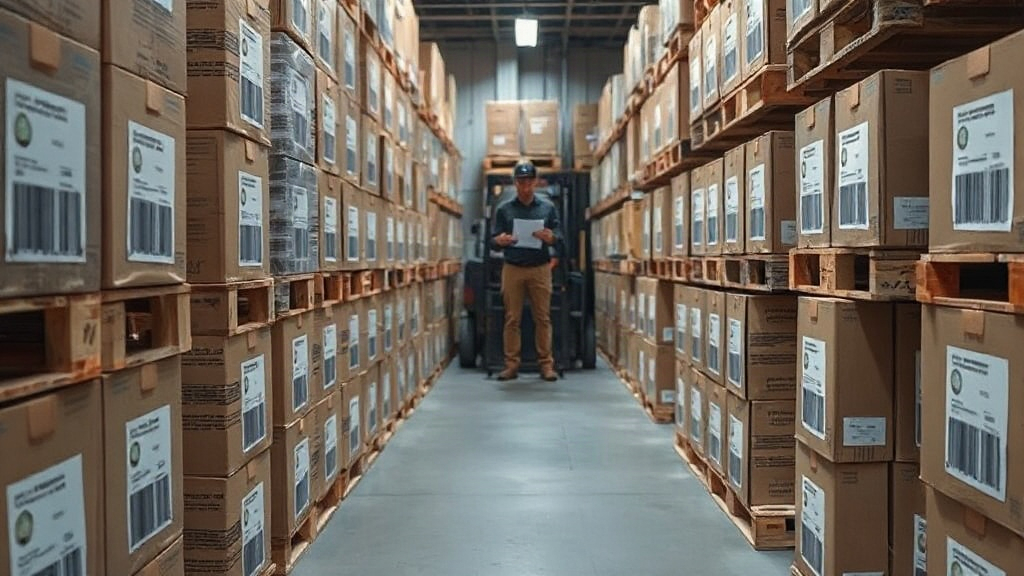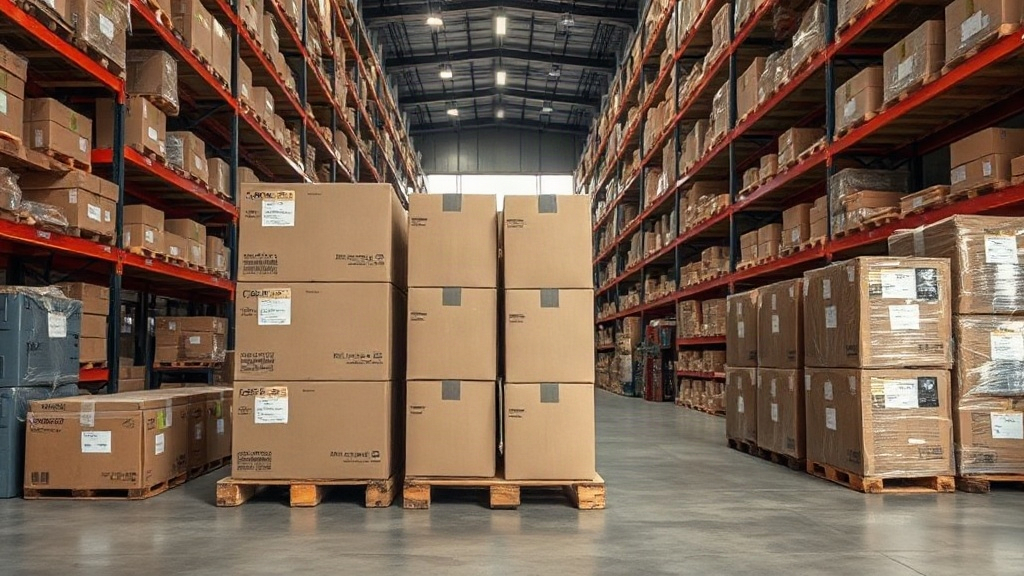
Dallas perfume wholesale means sourcing fragrances in bulk, at business-only pricing, from importers, distributors, or brand-authorized suppliers who serve the Dallas-Fort Worth retail and export corridor. Wholesale buyers in this category work through minimum order quantities, tiered case pricing, and verified B2B accounts rather than single-unit retail checkout. For a retailer, distributor, or importer evaluating this market, the real decision is not simply where to buy, but which supplier structure, documentation standard, and logistics setup will protect margin and keep shelves stocked without interruption.
Summary
- Dallas functions as a major U.S. distribution and logistics hub for wholesale perfume buyers, thanks to its trucking corridors and DFW air cargo access.
- Reliable wholesale sourcing depends on supplier verification, clear minimum order quantities, and consistent lead times, not the lowest unit price alone.
- Assortment planning across niche lines, gift sets, and multiple bottle sizes helps wholesale buyers serve different retail price points and customer segments.
- Import compliance, landed-cost math, and inventory turnover are the operational pillars that decide whether a wholesale perfume account stays profitable long-term.
Understanding the Dallas Perfume Wholesale Market
When business buyers search for perfume wholesale in Dallas, they are usually one of a few types of operators: independent retailers restocking a boutique or gift shop, discount and off-price stores building a rotating fragrance assortment, regional distributors buying in volume to resupply smaller accounts, or importers and exporters using Dallas as a staging point for onward shipments across Texas, the broader Southwest, and Latin America. What separates all of these buyers from a typical consumer is the purchasing structure: wholesale transactions are governed by case packs, tiered pricing based on order volume, resale documentation, and a supplier relationship rather than a one-time purchase.
This distinction matters because wholesale is not simply a discount tier bolted onto a retail catalog. A genuine wholesale channel is built around predictable unit economics, consistent packaging, and a supplier that can answer questions about authenticity, shipping documentation, and reorder timelines. Buyers who treat wholesale sourcing as a long-term supply relationship, rather than a single transaction, are the ones who build stable margins and avoid the stockouts that come from chasing one-off deals.
Demand for wholesale fragrance in a market like Dallas also tends to follow a retail calendar, with heavier ordering ahead of major gifting periods and steadier baseline demand the rest of the year. Buyers who plan purchase orders around this rhythm, rather than reacting to it, are better positioned to negotiate volume pricing and avoid rushed, higher-cost replenishment orders when a popular line sells through faster than expected.
Why Dallas Is a Strategic Hub for Wholesale Perfume Distribution
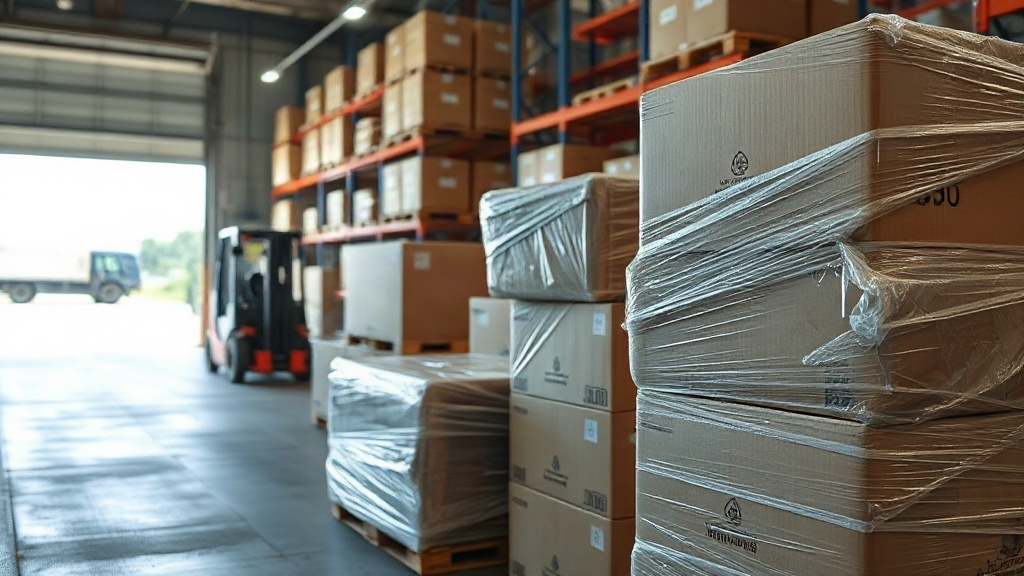
Dallas-Fort Worth sits at the intersection of major interstate corridors, including I-35, I-20, and I-30, giving wholesale buyers efficient truck access to Texas metros, the broader South Central region, and cross-border routes into Mexico. DFW International Airport adds meaningful air cargo capacity, which matters for buyers who need faster replenishment cycles or who are consolidating shipments before re-exporting to other markets. Combined with a deep base of warehousing and third-party logistics providers, this infrastructure is a large part of why so many wholesale fragrance buyers, distributors, and import-export businesses use Dallas as a base of operations rather than a coastal port city alone.
For a retailer or distributor comparing suppliers, this logistics advantage translates into practical benefits: shorter transit times to store shelves, more flexibility to consolidate orders from multiple product lines into a single shipment, and easier access to bonded warehousing if customs clearance is part of the supply chain. Buyers sourcing from overseas manufacturers should ask any prospective Dallas-area supplier or freight partner how shipments are typically routed, and whether they have experience clearing fragrance and cosmetics shipments specifically, since these categories carry their own labeling and documentation requirements.
How to Evaluate a Wholesale Perfume Supplier
The difference between a dependable wholesale account and a recurring headache almost always comes down to supplier evaluation before the first purchase order is signed. A few areas deserve close attention.
Authenticity, Licensing, and Documentation
Any wholesale perfume supplier should be able to provide clear information about product sourcing, whether that means direct manufacturing, licensed distribution, or authorized import channels. Ask for documentation that supports authenticity claims, and be cautious of suppliers who cannot explain their own supply chain in specific terms. This is especially important for buyers who plan to resell under retail brand names or represent products as genuine designer or niche fragrances to their own customers.
Minimum Order Quantities and Case-Pack Pricing
Wholesale pricing is almost always tied to volume tiers and case-pack structures rather than flat per-unit discounts. Before committing, buyers should map out how minimum order quantities align with their storage capacity, cash flow, and expected sell-through rate. A supplier offering a lower headline price but requiring a much larger minimum order is not automatically the better deal once carrying costs and shelf space are factored in.
Lead Times and Reorder Reliability
A supplier's stated lead time only matters if it holds up across repeat orders. Ask about typical production or fulfillment timelines, how backorders are communicated, and what happens during peak demand periods such as the holiday gifting season. Consistent reorder reliability is often more valuable to a wholesale account's profitability than a marginally lower unit cost.
Communication and Account Support
A wholesale relationship generates far more back-and-forth than a single retail purchase: order confirmations, shipping updates, documentation requests, and occasional issue resolution. Suppliers that assign a consistent point of contact and respond predictably to B2B inquiries tend to prevent the small miscommunications that otherwise turn into delayed shipments or mismatched paperwork at customs.
Building a Wholesale Assortment That Sells
A strong wholesale fragrance assortment usually spans more than one product category, since different customers and price points respond to different formats. Niche and designer-inspired lines give retailers a way to differentiate from mass-market discounters, while curated niche perfumes collections can anchor a premium shelf section that justifies a higher price point and stronger margin. Gift-focused buyers, particularly ahead of holiday and seasonal promotions, often see strong turnover from bundled options such as a perfume set, which lets a single SKU serve as a ready-made gifting solution without the retailer needing to assemble bundles in-house.
Bottle size is another lever wholesale buyers can use to segment their assortment. Smaller formats, such as a 38ml perfume option, work well for travel-size displays, sampling programs, or lower price-point impulse purchases near checkout. Larger formats, including a 50ml perfume size, tend to serve customers looking for a primary everyday fragrance and typically anchor the core of a retail fragrance section. Carrying a mix of sizes and categories allows a wholesale buyer to test demand at low risk before committing deeper inventory to any single line.

Import, Customs, and Compliance Considerations for Wholesale Buyers
Fragrance and cosmetics shipments carry specific compliance requirements that wholesale buyers should understand before placing a large purchase order, whether sourcing domestically or importing internationally. Products crossing U.S. borders typically require accurate harmonized tariff codes, ingredient and safety documentation, and labeling that meets applicable federal requirements. Buyers working with an experienced supplier or customs broker can avoid costly delays, since incomplete paperwork is one of the most common reasons wholesale shipments get held at a port of entry or bonded warehouse.
It is worth asking any supplier directly how they handle export documentation, including commercial invoices, packing lists, and any certificates relevant to cosmetics or fragrance products in the destination market. A supplier that routinely ships to wholesale buyers in the United States, including the Dallas-Fort Worth region, should be able to walk through this process clearly and provide consistent documentation on every order, not just the first one.
Margin Planning and Inventory Management for Wholesale Perfume
Profitability in wholesale fragrance sourcing depends on more than the initial unit price. Buyers need to calculate a full landed cost, factoring in freight, duties, insurance, and any warehousing fees, before comparing supplier quotes against each other. A lower quoted unit price can quickly lose its advantage once these additional costs are included, particularly for international shipments routed through multiple logistics stages before reaching a Dallas-area warehouse or storefront.
On the inventory side, fragrance is a category where overstocking a single SKU ties up working capital for months, since consumer fragrance preferences shift with seasons and trends. Wholesale buyers generally do better by diversifying across a moderate number of SKUs at varied price tiers, tracking sell-through rate closely, and reordering in smaller, more frequent batches once a product proves itself, rather than placing one large order upfront. This approach also reduces exposure if a particular scent or product line underperforms with a buyer's specific customer base.
Diversifying across more than one supplier relationship, once volume justifies it, is also a practical way to manage risk. Relying on a single source for an entire wholesale assortment leaves a buyer exposed if that supplier faces a production delay, a shipping disruption, or a documentation issue at customs. A secondary or complementary supplier relationship can smooth out these gaps without requiring a full renegotiation of existing terms.
Choosing an International Wholesale Partner for the Dallas Market
Many Dallas-area retailers and distributors ultimately source part of their fragrance assortment from established international exporters rather than relying solely on domestic distribution. This approach can widen access to niche and designer-inspired lines, broaden the available range of bottle sizes and gift formats, and often improve pricing at higher order volumes compared to buying exclusively through domestic middlemen. Beyazit Parfum works with wholesale buyers on this basis, supplying a catalog that spans niche fragrance collections, ready-made gift sets, and multiple bottle sizes suited to different retail price points, with the export documentation and account structure that a B2B buyer needs to bring inventory into the Dallas market smoothly.
When evaluating any international partner, wholesale buyers should request sample documentation, clarify minimum order quantities and case-pack options in advance, and confirm how the supplier supports reorder cycles once an initial account is established. A supplier that treats a wholesale account as an ongoing relationship, rather than a single transaction, is generally better positioned to support a retailer's growth over multiple seasons.

Frequently Asked Questions
What is a typical minimum order quantity for wholesale perfume in Dallas?
Minimum order quantities vary by supplier and are usually structured around case packs rather than individual units. Buyers should request the specific minimum order and tiered pricing structure directly from each supplier, since these terms differ based on product line, bottle size, and whether the order is a first-time or repeat purchase.
Do I need a business license to buy perfume wholesale?
Most wholesale suppliers require buyers to operate as a registered business and provide resale or business documentation before opening a wholesale account. This is standard practice across the wholesale fragrance industry and helps confirm that pricing tiers are being extended to legitimate B2B buyers rather than individual consumers.
Can I import perfume wholesale from overseas suppliers into the Dallas area?
Yes, many Dallas-based retailers and distributors import fragrance products from international suppliers, using DFW's air cargo capacity and the region's trucking infrastructure to move shipments efficiently once they clear customs. Buyers should confirm that any overseas supplier can provide complete export documentation, including commercial invoices and packing lists, to avoid delays at the port of entry.
How should I think about profit margin when buying perfume wholesale?
Margin planning should start with full landed cost, including freight, duties, and any warehousing fees, rather than the supplier's quoted unit price alone. From there, buyers can compare landed cost against their intended retail pricing and expected sell-through rate to judge whether a given product line or supplier relationship supports a sustainable margin over repeated reorders.