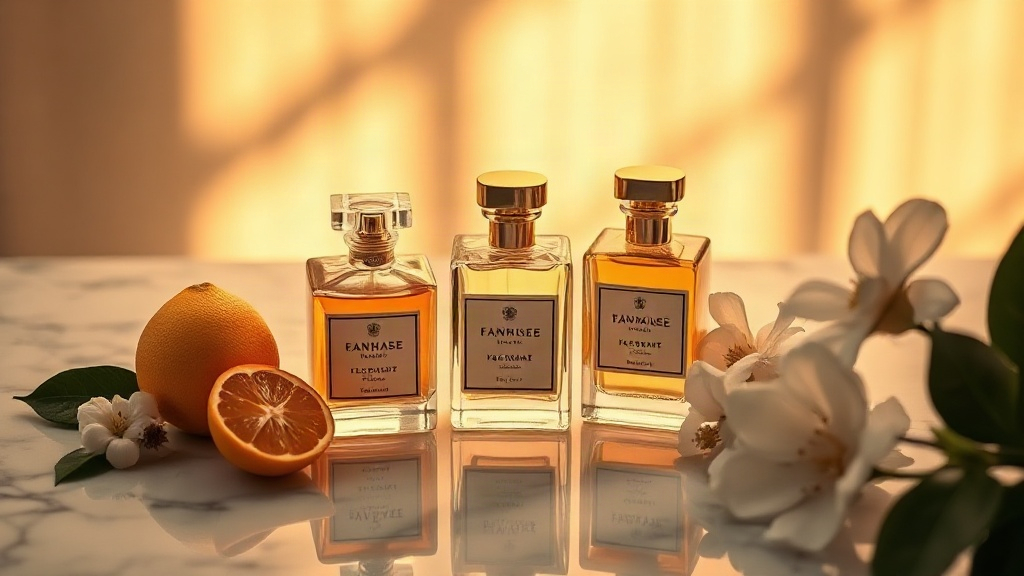
Classic wholesale perfume refers to timeless, universally recognized fragrance profiles — amber-oriental, floral-aldehyde, chypre, and classic citrus-woody blends — sourced in bulk directly from manufacturers or authorized distributors rather than retail channels. For B2B buyers, sourcing classic wholesale perfume means working with suppliers who can guarantee consistent formulation, compliant packaging, and volume-based terms suited to resale rather than individual consumption. The right wholesale partner reduces per-unit cost through minimum order quantities while safeguarding authenticity, documentation, and delivery timelines that retailers and distributors depend on.
Summary
- Classic wholesale perfume covers enduring fragrance families (oriental, floral, chypre, citrus-woody) bought in bulk for resale, not single-unit retail purchase.
- Buyers should evaluate minimum order quantities, payment terms, and margin structure before committing to a supplier relationship.
- Logistics, customs documentation, and compliance directly affect landed cost and delivery reliability.
- Supplier vetting — authenticity guarantees, batch consistency, and clear communication — matters more in classic perfume than in trend-driven categories, since buyers expect long product life cycles.
What Does "Classic Wholesale Perfume" Mean in B2B Sourcing?
In the wholesale fragrance trade, "classic" does not describe a single scent but a category of enduring fragrance families that have remained commercially relevant across decades: oriental-amber compositions, aldehydic florals, chypre blends, and citrus-woody structures. These are the profiles that anchor a retailer's core catalog because they sell consistently across seasons and demographics, unlike trend-driven niche releases that can lose momentum within a year or two. For a wholesale buyer, sourcing classic perfume means identifying a supplier who can reproduce the same olfactory profile, bottle finish, and packaging specification order after order — consistency is the defining requirement, not novelty.
This distinction matters commercially. A retailer stocking classic wholesale perfume is building a dependable, repeat-purchase assortment rather than chasing a single viral product. Buyers in this category typically look for suppliers who manufacture or control their own formulation, since third-party resellers often cannot guarantee batch-to-batch consistency at wholesale volume.
Why Classic Fragrances Remain a Core Category for Wholesale Buyers

Classic fragrances occupy a stable position in wholesale catalogs because they do not depend on influencer trends or seasonal marketing cycles to sell. A floral-aldehyde composition or an amber-oriental blend appeals to a wide cross-section of end consumers and tends to have a long shelf presence in retail, which reduces the risk of dead stock for a distributor or retailer carrying bulk inventory.
For buyers managing multiple SKUs, this predictability simplifies reordering. Instead of forecasting demand for a fragrance that might fall out of fashion within a quarter, classic perfume allows more stable reorder cycles, which in turn supports better negotiation on minimum order quantities and payment terms over time, since the supplier can also forecast demand with more confidence.
A Lower-Risk Entry Point for New Wholesale Accounts
For retailers or importers entering the fragrance category for the first time, classic profiles are generally a safer starting assortment than niche or highly experimental scents. The buying decision is easier to justify internally — classic perfume has recognizable reference points that make it easier to explain to retail staff and end customers alike, without requiring extensive fragrance education at the point of sale.
Key Considerations Before Placing a Wholesale Order
Before committing to a bulk purchase, a B2B buyer should evaluate more than just the per-unit cost. The structure of the order — quantity flexibility, packaging options, and the margin the product can realistically support at retail — determines whether the purchase will be profitable once logistics and holding costs are factored in.
Minimum Order Quantities and Order Flexibility
Minimum order quantities (MOQs) vary significantly depending on the supplier's production model and whether the fragrance is sold in standard or private-label packaging. Buyers should ask directly whether MOQs are set per SKU or across an entire order, since mixed-SKU flexibility can make it easier to test a broader classic assortment without overcommitting capital to a single scent. It is also worth clarifying whether smaller trial orders are available before scaling to a full container or pallet volume, particularly for a new distributor relationship where both sides are still establishing trust.
Profit Margins and Retail Positioning
Margin planning for wholesale perfume should account for landed cost — unit cost plus freight, duties, and any local compliance fees — rather than the factory quote alone. Classic fragrances, because they are positioned as recognizable and dependable rather than exclusive, usually compete on consistent availability and reliable quality rather than premium pricing alone. Buyers should model their expected sell-through rate against holding costs before finalizing order size, since tying up working capital in slow-moving inventory erodes margin even when the per-unit purchase price looks favorable.
Payment Terms and Order Security
Payment structures for wholesale perfume orders typically range from upfront deposits with the balance due before shipment, to more flexible net terms extended once a track record is established between buyer and supplier. New importers should expect to cover a larger share upfront until a trusted history exists, while repeat buyers with consistent order volume are often able to negotiate improved terms over time. It is reasonable to ask a prospective supplier about their standard payment structure, accepted payment methods, and whether any form of order verification, such as inspection before final payment, is available for first-time shipments.
Supply Chain, Logistics, and Customs for Importers

Once pricing and margin expectations are aligned, logistics becomes the next variable that determines whether a wholesale perfume order is actually profitable. Fragrance products carry specific handling requirements because many formulations are classified as flammable liquids for transport purposes, which affects both shipping method and documentation.
Shipping Methods and Lead Times
Sea freight is the standard method for bulk wholesale perfume orders due to cost efficiency, though it requires longer lead times that buyers must plan into their inventory cycle. Air freight is sometimes used for smaller or urgent restocks but adds meaningfully to landed cost, especially for products classified under hazardous goods transport rules. Buyers should request a realistic lead time estimate from the supplier that accounts for production, documentation preparation, and transit — not just transit time alone — to avoid stockouts during peak retail periods.
Customs Documentation and Compliance
Importing perfume requires accurate commercial invoices, packing lists, and often a safety data sheet (SDS) or equivalent compliance documentation, since alcohol-based fragrances are frequently subject to dangerous goods regulations during international transport. Ingredient and labeling requirements also differ by destination market, so buyers should confirm in advance that the supplier can provide documentation matching the regulatory expectations of their country, including any required language on packaging. A supplier experienced in B2B export to multiple regions will typically have this documentation process standardized, which reduces delays at customs clearance.
Working with Freight Forwarders and Customs Brokers
Many wholesale buyers, particularly those importing for the first time, work with a freight forwarder or customs broker rather than managing international shipping independently. A broker familiar with cosmetic and fragrance imports can help classify the shipment correctly under the applicable dangerous goods category, prepare the required paperwork, and anticipate any inspection requirements specific to the destination country. This added layer of support is often worth the cost for buyers who do not yet have in-house logistics expertise, since documentation errors are one of the most common causes of shipment delay at customs.
How to Choose a Reliable Classic Perfume Wholesale Supplier
Supplier selection is the single factor that most affects long-term success in this category, because classic perfume buyers are optimizing for repeat reliability rather than one-time novelty. A few concrete criteria help separate a dependable wholesale partner from a higher-risk one.
Quality Control and Authenticity Checks
Ask for details on how the supplier controls batch consistency — concentration levels, bottling specifications, and quality testing before shipment. For buyers reselling to retail, authenticity and a consistent scent profile across reorders protect brand reputation with end customers far more than a marginally lower unit price. Request samples before committing to a full order size, and compare them against any previous batches if this is a repeat relationship.
Supplier Transparency and Communication
A reliable wholesale supplier should be able to clearly communicate MOQs, lead times, payment terms, and documentation support without requiring the buyer to chase for basic information. Responsiveness during the sourcing stage is often a reasonable indicator of how the relationship will function once an order is in production or transit, which matters considerably when a shipment delay needs to be communicated quickly to downstream retail partners.
Contracts and Order Confirmations
Before funds are transferred, buyers should request a clear, written order confirmation that specifies the fragrance, packaging specification, quantity, agreed price, and delivery terms. A supplier willing to put these details in writing before payment is generally a stronger long-term partner than one who prefers informal arrangements, since a documented order confirmation also provides a reference point if a discrepancy arises once the shipment arrives.
Common Mistakes B2B Buyers Make When Sourcing Classic Perfume
Even experienced retail buyers can run into avoidable problems when sourcing classic wholesale perfume for the first time. Recognizing these patterns in advance helps protect both margin and the retail relationship downstream.
- Committing to a full container or pallet order before requesting samples or a smaller trial batch, which leaves little room to correct course if the scent or packaging does not match expectations.
- Focusing exclusively on unit price while ignoring landed cost — freight, duties, and documentation fees can significantly change the real cost per unit.
- Overlooking customs and labeling requirements until the shipment is already in transit, which can cause costly delays at the border.
- Building an assortment around a single classic fragrance rather than a small, balanced range, which increases exposure if that one scent underperforms at retail.
Building a Balanced Classic Perfume Assortment for Resale
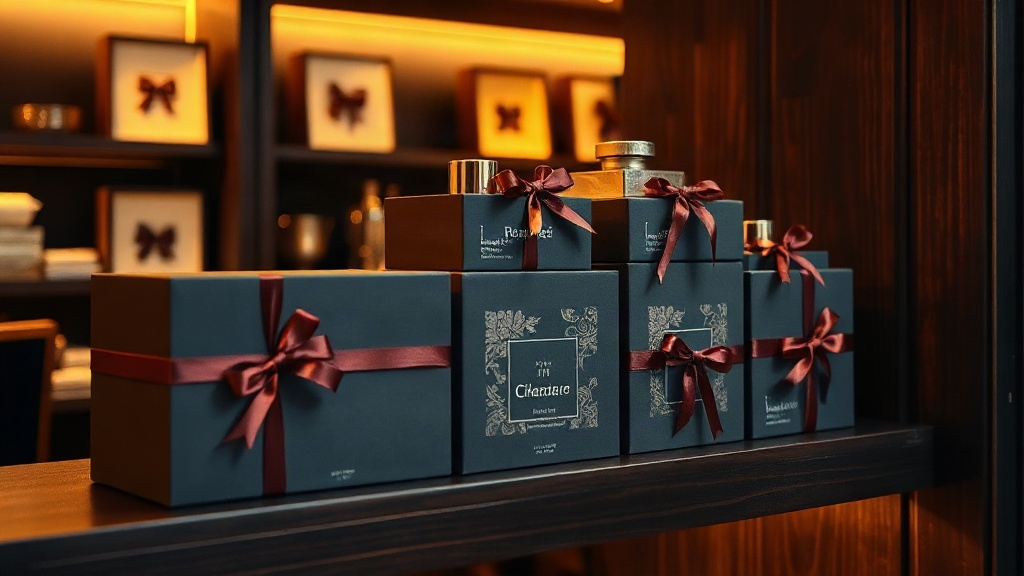
Most successful wholesale buyers do not build a catalog around a single classic fragrance; they structure an assortment that spans several recognizable olfactory families so that retail customers have genuine choice without the buyer overextending into too many low-volume SKUs. A practical approach is to anchor the catalog with two or three strong, broadly appealing classic profiles, then round out the assortment with complementary formats.
Packaged perfume sets are a useful addition to a classic wholesale assortment because they allow retailers to offer a gifting option alongside standalone bottles, which can support seasonal sell-through without requiring the buyer to source an entirely separate product line. Sets also tend to carry a different margin structure than single-unit sales, giving retail partners more pricing flexibility at the point of sale.
Private Label Considerations for Classic Fragrance Lines
Some wholesale buyers choose to sell classic fragrance formulations under their own retail or store brand rather than a recognizable name. This can work well for classic profiles specifically, since the underlying scent family is already familiar to consumers regardless of branding. Buyers considering this route should confirm with their supplier whether private-label packaging is available at the same MOQ as standard packaging, and whether minimum order requirements change when custom labeling, box printing, or carton branding is involved.
Classic vs Niche Perfumes: Positioning Your Wholesale Catalog
Buyers frequently ask whether they should build their wholesale catalog around classic fragrances, niche compositions, or a blend of both. The honest answer depends on the target retail customer: classic wholesale perfume serves a broad, dependable customer base and supports stable reorder cycles, while niche perfumes typically serve a smaller, more discerning segment willing to pay for exclusivity and a less common scent profile.
Many distributors run both categories side by side rather than choosing one exclusively. Classic perfume generates consistent, predictable turnover that stabilizes cash flow, while a curated niche selection can differentiate a retailer's offering and support higher per-unit positioning for customers seeking something less mainstream. The ratio between the two should be guided by the buyer's own customer data — how much of their current retail traffic responds to familiar versus distinctive scent profiles — rather than assumptions about the wholesale market overall.
Perfume Sizes and Packaging Options for Wholesale Buyers
Bottle size selection affects both price point flexibility and how a retailer can merchandise classic perfume at different customer touchpoints. Smaller formats, such as 38ml perfume, work well for impulse purchase displays, travel-size retail sections, or as an accessible entry point for customers unfamiliar with a given classic fragrance. Larger formats, including 50ml perfume, typically serve as the primary full-size retail offering and are often the format buyers lean on for everyday shelf stock.
When planning a wholesale order, it is worth requesting both formats across the same classic fragrance line rather than committing the full order to a single size. This gives retail partners the flexibility to merchandise the same scent across multiple price points and customer segments, which can improve overall sell-through compared to carrying only one bottle size per fragrance.
Frequently Asked Questions
What is the difference between classic and designer wholesale perfume?
Classic generally refers to a fragrance family or style — such as oriental, chypre, or aldehydic floral — that has remained popular across a long period, regardless of brand. Designer wholesale perfume refers specifically to products associated with a named fashion or luxury brand. The two categories overlap, since many designer releases are built on classic fragrance structures, but "classic" is a scent-profile description while "designer" is a branding description.
What minimum order quantity should a new wholesale buyer expect for classic perfume?
MOQs vary by supplier and by whether the order uses standard packaging or private-label customization. Rather than assuming a fixed number, buyers should request the supplier's MOQ policy directly and ask whether smaller trial orders are available before scaling to full pallet or container volume, especially for a first order.
How can a wholesale buyer verify the authenticity of classic perfume before a bulk order?
Request product samples ahead of the full order, compare batch consistency against any prior shipments if applicable, and ask the supplier directly about their quality control process and documentation, including safety data sheets. A transparent supplier will typically provide this information without hesitation.
Do classic wholesale perfume shipments require special customs documentation?
Yes. Because most fragrances are alcohol-based and classified as flammable liquids for transport, shipments typically require a safety data sheet alongside standard commercial invoices and packing lists. Labeling and ingredient disclosure requirements also vary by destination market, so buyers should confirm documentation requirements with their supplier before the order ships.