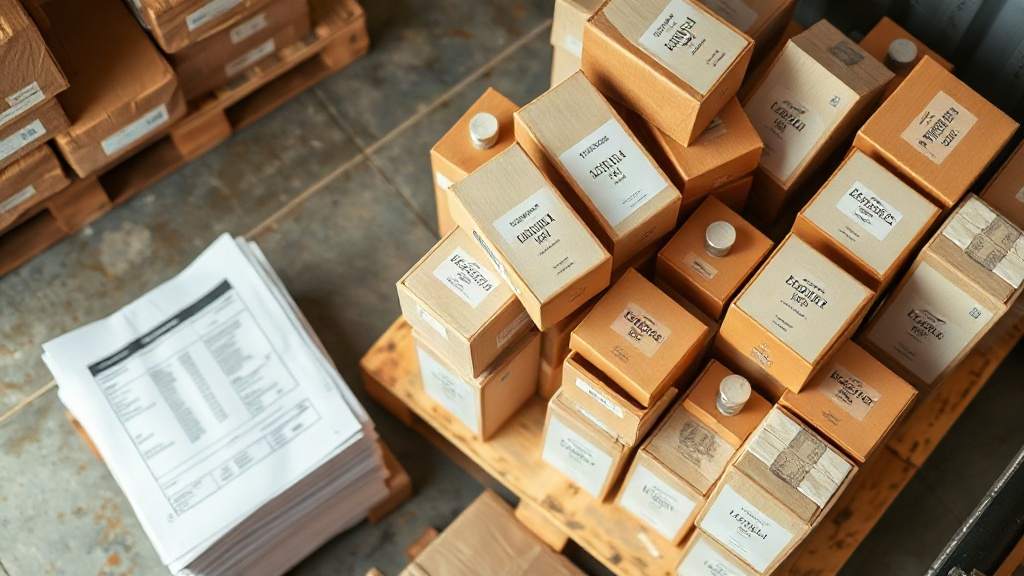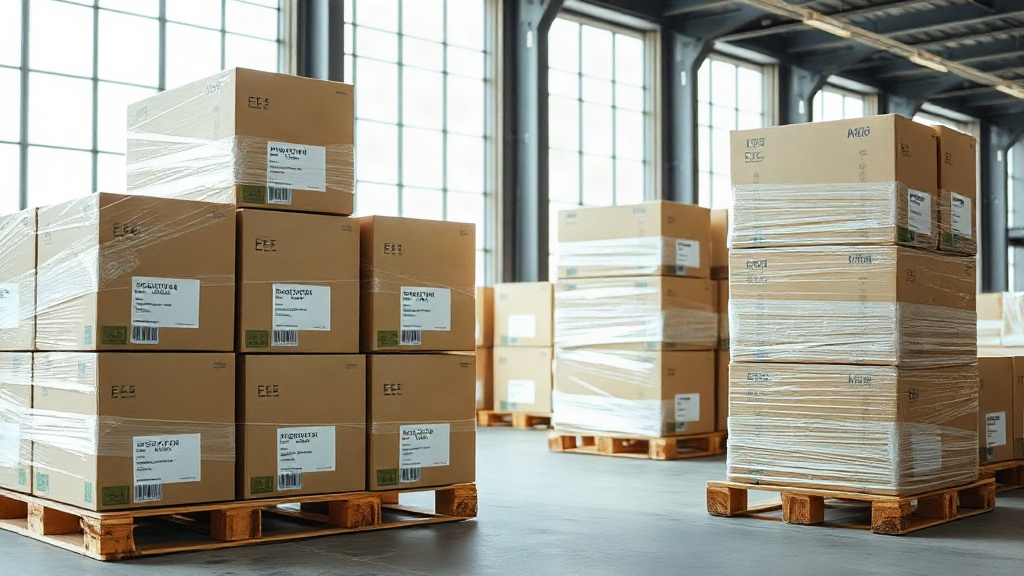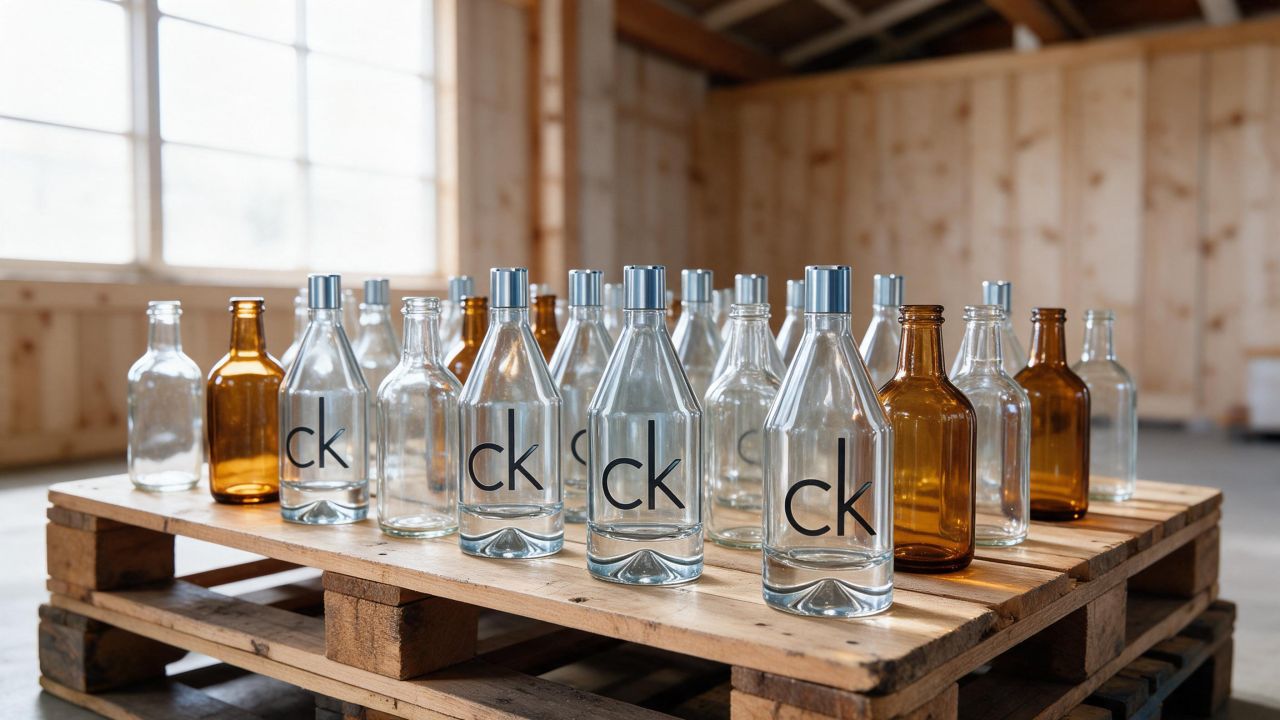
Bottles for perfume wholesale are empty glass or acrylic flacons sold in bulk, with or without printing, caps, and sprayers, to retailers, distributors, and brand owners who fill or resell them. Buyers typically choose from stock shapes and sizes, from 10ml rollerballs to 100ml sprays, against a minimum quantity set by the manufacturer. For most B2B buyers the practical path is either sourcing bottles directly from a glass factory for private-label filling, or working with an established perfume wholesaler that already supplies finished, bottled fragrance in standard formats.
Summary
- "Bottles for perfume wholesale" covers both empty glass components for private labeling and finished, pre-filled bottles sold in bulk by fragrance wholesalers.
- Bottle choice depends on glass weight, cap and sprayer compatibility, finish, and the target retail price tier.
- Minimum order quantities, lead times, and freight costs change significantly based on whether you buy raw bottles, decorated bottles, or filled finished product.
- Vetting a supplier on quality control and documentation matters more than unit price alone when margins depend on breakage rates and customs clearance.
Why Wholesale Bottle Sourcing Looks Different for B2B Buyers
Retail shoppers buy one bottle at a time and care about the brand on the label. Wholesale buyers need a repeatable supply of consistent units that survive freight, clear customs without delay, and arrive in a format their own customers expect. The relevant questions become: what is the piece weight and wall thickness, is the neck finish standard enough that alternative cap suppliers can be swapped in, and does the exporter provide the paperwork a freight forwarder and customs broker will need.
This is also why many retailers and importers searching for bottles for perfume wholesale are not actually looking to run a bottling line themselves. They are comparing the cost and complexity of private-label bottle sourcing against simply buying finished, pre-filled fragrance in bulk from a wholesaler that has already solved the bottle, cap, juice, and compliance problem. Both paths are legitimate, and the right one depends on your volume, margin target, and whether you want a filling and quality-control operation.
Types of Perfume Bottles Available for Wholesale Buyers
Glass Spray Bottles
Most wholesale fragrance volume moves in glass spray bottles, generally 30ml to 100ml, with a crimp-on or snap-on atomizer. These are the default choice for eau de parfum and eau de toilette formats sold through boutiques, pharmacies, and department counters.
Rollerball and Travel Formats
Smaller formats, typically 5ml to 15ml, use a rollerball or dab applicator instead of a sprayer. These suit distributors building gift sets or impulse-purchase displays, since unit cost is lower and breakage risk in transit is reduced.
Decant and Sample Vials
Vials from 1ml to 3ml are used mainly for sampling programs and testers distributed to retail staff. Buyers running a sampling business usually source vials separately, since the molds and fill equipment differ from full-size bottles.
Refillable and Travel-Size Atomizers
A growing segment of demand covers refillable metal or glass atomizers aimed at travel retail and gifting. These carry a higher per-unit cost but can justify a better margin because of the reusable, premium feel.
Materials and Build Quality: Glass, Cap, and Sprayer Considerations
Not all glass is the same, and the difference matters once you are ordering pallets rather than single units.
Glass Weight and Wall Thickness
Heavier, thicker-walled glass costs more per unit but survives freight and handling better, which lowers effective cost once breakage is factored in. Lightweight glass is fine for short domestic routes but a poor choice for long ocean freight or multiple cross-docking points.
Cap and Collar Compatibility
The neck finish determines which caps, pumps, and sprayers fit. Buying bottles and caps from different factories is common and often cheaper, but only works if both suppliers build to the same specification. Mismatched tolerances are a frequent cause of leaking or loose sprayers, and catching this at the sample stage saves a costly rejection later.
Surface Finish and Decoration
Clear glass, frosted glass, UV coatings, metallic spraying, and silk-screen printing all add cost and lead time, roughly in that order. A buyer targeting a mid-range shelf has more room to negotiate decoration cost against volume than one targeting a premium niche shelf, where the finish is part of the product story.

Standard Bottle Sizes and Why They Matter for Retail Assortment
Bottle size is a merchandising decision, not just a packaging detail. A distributor stocking only one size limits which price points and customer segments they can serve. Most wholesale catalogs are built around a few recurring sizes because retailers expect them and downstream packaging is standardized to match.
Common Size Tiers
Entry-size bottles, often 30ml to 50ml, drive volume for most retail assortments because they hit an accessible price point while still reading as a real bottle. Full-size formats extend up to 100ml for customers who want the best per-ml value. Buyers assembling an assortment rather than a single SKU should review ready-made options such as a 38ml perfume format for compact, accessible price points, alongside a 50ml perfume option for a fuller-size bottle without moving into the largest format tier.
Why Size Consistency Matters for Repeat Ordering
Once a retail customer has shelf space allocated to a specific bottle silhouette, swapping it mid-contract creates friction: planograms change, display boxes no longer fit, and customers who recognize the shape may assume the product changed. Buyers get more value from a supplier who guarantees the same mold and size across repeat orders than from one offering a marginally lower price on a size that is not consistently available.
Minimum Order Quantities and Wholesale Pricing Structures
Minimum order quantity, or MOQ, is usually the first filter that narrows a buyer's supplier list, and it works differently depending on what is being ordered.
Empty, Undecorated Bottles
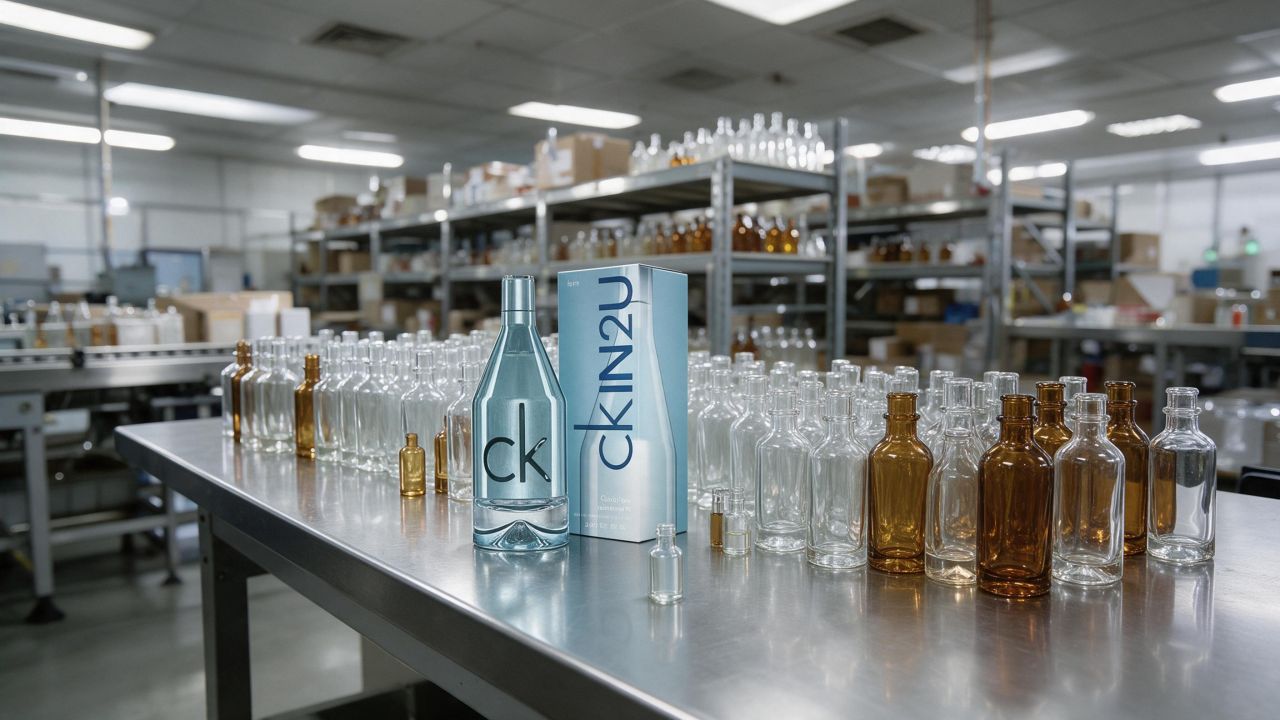
Plain glass bottles, with no printing or custom mold, typically carry the lowest MOQ because the supplier is drawing from existing stock molds. This is the entry point for smaller importers or new private-label brands testing a format before committing to custom tooling.
Decorated or Custom-Mold Bottles
Adding silk-screen printing, a custom color, or a brand-exclusive mold raises the MOQ substantially, because the factory runs a dedicated batch and, for custom molds, amortizes tooling cost. Buyers should confirm whether a quoted MOQ applies per color and print combination or to the total order.
Finished, Filled Product
Buyers who prefer to skip bottle sourcing and quality control entirely can order finished fragrance in bulk directly from a wholesaler, where the MOQ is expressed in cases or units of boxed product rather than bottle tooling runs. This generally carries a lower operational burden for a retailer that does not want to manage filling or cap-sourcing logistics.
How Order Size Affects Unit Economics
Price per unit drops as volume rises, but not in a straight line. The steepest discount usually appears between a trial order and the first full production run, because tooling and setup costs spread across more units. Beyond that, discounts tend to track freight consolidation, a full container versus a partial load, more than production cost. Ask a supplier for pricing at two or three volume tiers rather than a single quote, so breakpoints are visible before committing.
Packaging, Branding, and Customization Options
The box, cap color, and any printed branding affect both perceived retail value and the logistics of getting a wholesale order through customs and onto a shelf undamaged.
Private Label and White-Label Paths
Buyers building their own brand usually ask for a plain bottle with a blank cap, then handle labeling closer to their own market, either to control local regulatory text or to keep tooling cost down. A white-label approach, where the supplier applies a buyer's logo to a standard bottle and box, sits in the middle: faster than a fully custom mold, more differentiated than a plain bottle.
Secondary Packaging for Freight Protection
Unit boxes, shrink sleeves, and shipper cartons are the main defense against breakage during a multi-leg freight journey. Specify carton configuration and dividers at the quoting stage rather than as an afterthought, since repackaging after the fact is far more expensive than planning for it up front.
Sourcing Process: From Supplier Vetting to Delivery
A reliable wholesale order follows a fairly predictable sequence, and skipping steps is where most first-time importers run into avoidable problems.
Step One: Request Samples Before Committing
Any supplier unwilling to send a paid sample before a bulk order is a warning sign. Samples let a buyer check glass clarity, cap fit, sprayer actuation, and print quality before thousands of units are in production.
Step Two: Confirm Specifications in Writing
Neck finish, glass weight, color tolerance, and decoration method should be confirmed in a written specification sheet or purchase order, not just discussed verbally. This becomes the reference point if a shipment arrives out of spec.
Step Three: Agree on Quality Control Checkpoints
For larger orders, a pre-shipment inspection checks a statistical sample of the finished batch against the agreed specification before goods leave the factory. This is standard practice in packaging sourcing and far cheaper than discovering a defect after customs clearance.
Step Four: Confirm Incoterms and Documentation
Buyers should know exactly which Incoterm, FOB, CIF, EXW, and so on, applies to their quote, since it determines who is responsible for export clearance, insurance, and import documentation. This single point is frequently the source of unexpected costs for first-time importers.
Logistics, Customs, and Import Considerations for International Buyers
Glass bottles are heavy and fragile relative to their value, which makes freight and customs planning a bigger share of total landed cost than for lighter goods.
Shipping Mode: Sea, Air, and Weight Thresholds
Sea freight is the default for bulk bottle orders because of weight and volume; air freight is reserved for urgent, smaller restocks. Buyers should weigh per-unit freight cost against the breakage risk differential between modes, since more handling touchpoints generally mean higher breakage exposure for glass.
Customs Classification and Duties
Empty bottles, decorated bottles, and filled fragrance typically fall under different customs classifications, with different duty rates and, for filled perfume, alcohol content declarations. A freight forwarder or customs broker familiar with cosmetic imports can confirm the correct classification before shipment to avoid delays at the border.
Regulatory Documents for Finished Fragrance
Buyers importing finished perfume rather than empty bottles should expect to handle safety data sheets, ingredient documentation, and, depending on the market, cosmetic product notification requirements. This is a reason some wholesale buyers prefer to source already-compliant finished product rather than building and filling bottles themselves in a new market.
Quality Control and Working With a Reliable Perfume Bottle Supplier
Price is the easiest variable to compare between quotes and the least reliable one to decide on alone. Two suppliers at the same price per unit can have very different total costs once breakage, communication delays, and after-sales responsiveness are factored in over a year of repeat orders.
What to Check Before the First Order
Ask for the supplier's defect rate history, their standard response time for quality disputes, and whether they offer replacement units or credit for a failed batch. A supplier that answers specifically and in writing is generally more dependable than one offering only reassurance.
Building a Long-Term Supplier Relationship
Repeat buyers generally get better terms, faster sample turnaround, and more flexibility on MOQ once a supplier has a track record with them. Treating the first order or two as a vetting phase, even at a slightly less favorable price, tends to pay off once the relationship moves to standing purchase orders with predictable lead times.

Choosing Between Ready-Made Collections and Bulk Bottle-Only Orders
Not every wholesale buyer needs to manage bottles, caps, and filling as separate line items. For many retailers and distributors, the more efficient path is sourcing finished, already-bottled fragrance in bulk from a wholesaler that has already solved sourcing, filling, and compliance.
When Ready-Made Finished Product Makes Sense
If your business model is reselling rather than private-label manufacturing, buying pre-filled, pre-packaged fragrance removes the entire bottle-sourcing problem. This is particularly relevant for buyers assembling gifting assortments, where a perfume set format lets a distributor offer a complete, ready-to-sell package instead of coordinating bottles, boxes, and fragrance separately. Buyers targeting a higher-margin, specialty segment may find it more efficient to source from a curated range of niche perfume collections already built for wholesale distribution, rather than developing a competing line from empty bottles and bulk fragrance oil.
When Bottle-Only Sourcing Makes Sense
Private-label brand owners, or distributors with an exclusive formulation they want to bottle under their own name, are the clearest case for sourcing bottles separately. This path requires more operational capability but gives full control over brand presentation and margin structure.
A Practical Way to Decide
Ask whether your business adds value primarily through brand-building and formulation, or through distribution and retail relationships. The first group tends to be better served by bottle-only sourcing; the second usually gets to market faster by sourcing finished, wholesale-ready product.
Common Mistakes to Avoid
Ignoring Cap and Sprayer Lead Times
Buyers often focus on the glass bottle and treat caps and sprayers as an afterthought, only to find the cap supplier has a longer lead time than the glass factory. Confirming both lead times together avoids an avoidable bottleneck.
Underestimating Breakage in Multi-Leg Freight
A shipment that clears the first leg of freight undamaged can still break during a second transfer or last-mile delivery. Specifying robust secondary packaging at the quoting stage is cheaper than absorbing breakage losses after the fact.
Treating MOQ as Fixed
Many buyers accept a quoted MOQ as non-negotiable when it is often a starting point. Suppliers frequently have flexibility for repeat customers, for orders combining multiple SKUs, or for buyers willing to accept a longer lead time for a smaller run.
Frequently Asked Questions
What is a typical minimum order quantity for wholesale perfume bottles?
Minimum order quantities vary depending on whether bottles are plain stock items or custom-decorated. Plain, undecorated bottles from an existing mold carry the lowest minimums, while custom colors, prints, or exclusive molds raise the minimum because the factory runs a dedicated batch. Confirm whether a quoted minimum applies per color and finish or to the total order.
Is it cheaper to buy empty bottles and fill them myself, or buy finished perfume wholesale?
It depends on your operational capability. Buying empty bottles only makes sense if you have, or are willing to build, a filling and quality-control process, plus the regulatory documentation the fragrance itself needs. Retailers without an in-house filling operation are usually faster to market buying finished, pre-filled product wholesale, even if the headline unit cost looks higher.
What documentation should I request before placing a bulk bottle or perfume order?
Request a written specification sheet covering glass weight, neck finish, color tolerance, and decoration method for bottles, or safety data sheets and ingredient documentation for finished fragrance. Confirm the Incoterm that applies to your quote, since it determines who handles export clearance, insurance, and import paperwork.
How do I reduce breakage when importing glass perfume bottles?
Specify adequate secondary packaging, individual unit boxes, dividers, and a shipper carton rated for the freight mode, at the quoting stage rather than after a damaged shipment arrives. Choosing heavier-walled glass and confirming cap and sprayer fit through a pre-production sample also reduces the risk of damage in transit.