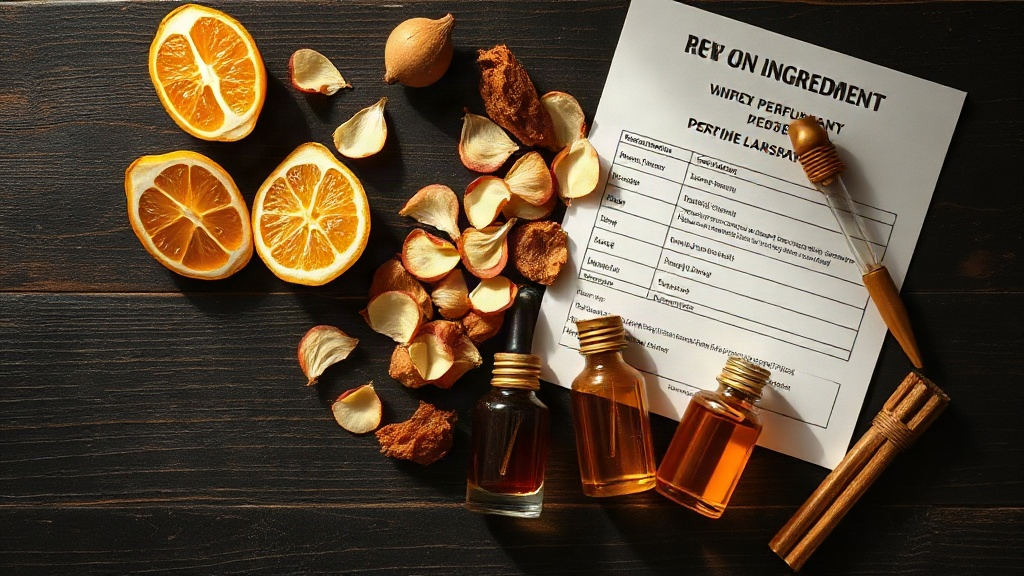
The best wholesale perfume supplier for a B2B buyer is not simply the one with the lowest unit price — it is the one that combines verifiable authenticity, workable minimum order quantities, transparent margins, and dependable logistics into a relationship you can scale. For retailers, distributors, and importers, that usually means working with a partner who offers flexible formats such as full-size bottles, 35ml, 50ml, and testers, clear documentation for customs, and consistent stock availability rather than a one-off deal. This guide breaks down the criteria that separate a reliable long-term supplier from a risky short-term source.
Summary
- A strong wholesale perfume supplier is judged on authenticity guarantees, minimum order quantity (MOQ), documented pricing tiers, and shipping reliability — not on price alone.
- Buyers should compare manufacturers, authorized distributors, and liquidation resellers, since each carries a different risk, margin, and lead-time profile.
- Product mix matters: a supplier that stocks full sizes alongside sets, 35ml and 50ml formats, and testers gives a buyer more flexibility to serve different retail channels.
- Logistics, customs paperwork, and communication responsiveness are frequently the real differentiators between suppliers that look similar on paper.
What “Best” Actually Means for a B2B Buyer
When a consumer searches for a perfume supplier, they are usually comparing prices on a single bottle. When a business buyer searches for the best wholesale perfume supplier, the calculation is entirely different. You are not evaluating one transaction — you are evaluating a relationship that will affect your inventory planning, cash flow, and customer satisfaction for months or years.
For a retailer, distributor, or importer, “best” typically means a supplier who scores well across several dimensions simultaneously: product authenticity that protects your brand reputation, pricing structures that leave room for a sustainable margin after landed costs, minimum order quantities that match your working capital, and a track record of shipping accurately and on schedule. A supplier that excels in only one of these areas — say, rock-bottom pricing but inconsistent stock — is rarely the right long-term partner, even if a single order looks attractive.
It also means thinking beyond the first purchase order. Wholesale buying is a repeat process: reorders, seasonal restocks, and new product introductions all depend on the supplier maintaining the same standard of service over time. Vetting a supplier properly at the outset saves you from renegotiating your entire supply chain six months later.
Types of Wholesale Perfume Suppliers and How They Compare
Not all “wholesale” sources are structured the same way, and understanding the category a supplier falls into helps you set realistic expectations for pricing, documentation, and service level.
Brand-Authorized Distributors
These suppliers hold direct agreements with fragrance houses or brand owners. They typically offer the strongest authenticity guarantees and the most consistent product availability, but may require larger minimum orders or account applications before you can place your first purchase order.
Specialized B2B Fragrance Wholesalers
This category includes suppliers built specifically around bulk fragrance sales to retailers, distributors, and gift businesses. They tend to offer a wider assortment of formats — including sets, smaller sizes, and testers — and are generally more accessible to small and mid-sized buyers than large brand-side distributors.
Liquidation and Overstock Resellers
These sources sell excess inventory, closeouts, or returns at aggressive discounts. Pricing can be attractive, but assortment is unpredictable, documentation is sometimes incomplete, and authenticity verification requires extra diligence.
Dropship-Style Aggregators
These platforms connect buyers to multiple upstream suppliers without holding inventory themselves. They can be useful for testing demand with minimal commitment, but margins are typically thinner and quality control is harder to audit directly.

Core Evaluation Criteria for Choosing a Supplier
Once you have identified a shortlist of candidates, evaluate each one against the same checklist so comparisons are consistent rather than anecdotal.
Authenticity and Sourcing Transparency
Ask directly where the supplier sources their inventory and whether they can provide documentation confirming the product is genuine. A supplier that answers vaguely, avoids the question, or cannot explain its own supply chain is a signal to move cautiously. This matters more in fragrance than in many other categories, because counterfeit and grey-market stock circulates widely in this industry.
Minimum Order Quantity and Order Flexibility
MOQ determines how much capital you tie up in a single order and how quickly you can test a new product line. Some suppliers set MOQs by unit count, others by order value, and others by case pack. Compare these against your own storage capacity and sell-through rate before committing.
Pricing Structure and Margin Potential
Wholesale pricing is rarely a single number — most suppliers offer volume-based tiers, where the per-unit cost drops as order size increases. Rather than chasing the lowest headline price, model your landed cost (product cost plus shipping, duties, and any handling fees) against your expected resale price to confirm the margin actually works for your business, not just on the invoice.
Lead Times and Stock Reliability
A supplier who quotes a fast lead time but frequently misses it is more costly to work with than one who is upfront about a longer but dependable timeline. Ask for their average fulfillment window and how they communicate delays, and where possible, check reviews or references from other business buyers.
Communication and Account Support
B2B purchasing involves recurring questions — restock timing, custom quotes for larger volumes, invoicing, and returns. A supplier with a responsive, dedicated point of contact for business accounts will save you significant time compared to one that treats every inquiry as a new conversation.
Matching Product Mix to Your Sales Channels
A supplier’s assortment should map to how you actually sell. Retailers serving gift-focused customers often move well with curated perfume sets, which bundle complementary scents at a price point suited to gifting occasions. Buyers stocking a broader catalog with more price-tier options typically benefit from sourcing both 35ml perfume formats for entry-level or travel-size positioning and 50ml perfume formats for shoppers seeking better value per milliliter.
For businesses that sell through sampling programs, subscription boxes, or in-store discovery displays, tester perfumes are a distinct wholesale category worth sourcing separately, since they serve a different purpose than full-size retail stock and often carry different pricing and packaging conventions. A supplier who can fulfil all of these formats from a single account reduces the administrative overhead of managing multiple vendor relationships, consolidates your shipping, and simplifies reorder planning.
Before finalizing a supplier, request their full catalog structure rather than just a price list for the items you already know you want. You may find format options — smaller sizes for impulse purchases, sets for holiday promotions, testers for sampling campaigns — that open up sales channels you had not planned for initially.
Logistics, Customs, and Cross-Border Considerations
For importers and international distributors, logistics performance is often the deciding factor between two suppliers with otherwise similar pricing and product quality.
Shipping Documentation
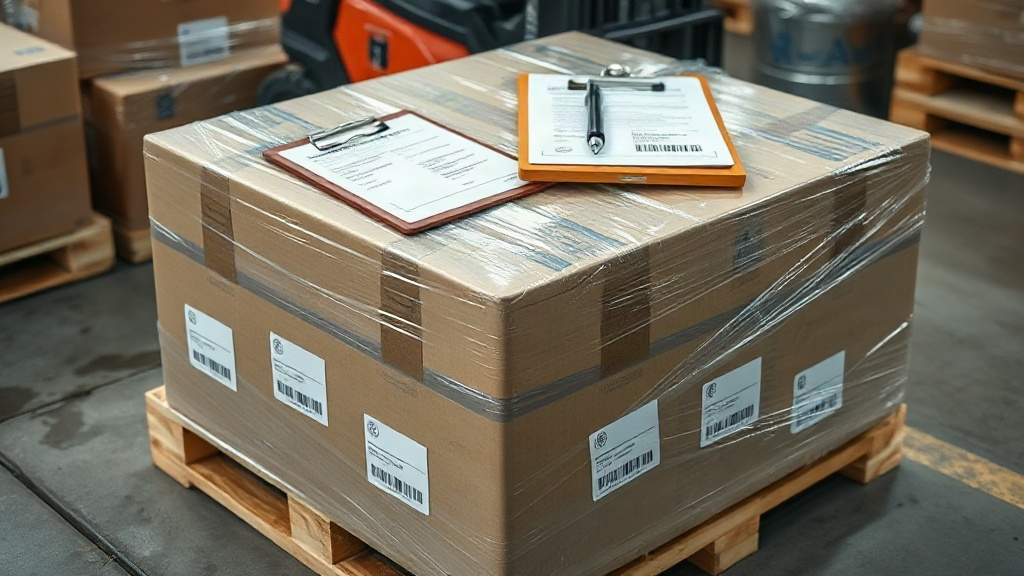
Confirm in advance what documentation the supplier provides with each shipment — commercial invoices, packing lists, and certificates of origin where applicable. Incomplete paperwork is one of the most common causes of customs delays for fragrance shipments, since perfumes may be subject to additional scrutiny due to alcohol content classification in some jurisdictions.
Duties, Taxes, and Landed Cost
Duty rates and import taxes on fragrance products vary by destination country and trade agreement status. Build these costs into your sourcing comparison from the start rather than discovering them after goods arrive at customs — a supplier’s unit price only tells part of the total cost story.
Packaging for Transit
Glass bottles and liquid contents require sturdier packaging than many other wholesale goods. Ask how the supplier packs shipments for international transit and what their process is if breakage occurs in transport — a clear damage policy protects you from absorbing losses that were not your fault.
Freight Options and Consolidation
Depending on order size, air freight, sea freight, or courier services may each make sense at different volumes. Suppliers experienced in B2B export can usually advise on the most cost-effective method for your order size and destination, and some offer consolidation options that reduce per-unit shipping cost as your order volume grows.
Red Flags That Signal a Risky Supplier
Even experienced buyers occasionally get drawn into a bad sourcing decision because a price looked too good to pass up. A few warning signs are worth treating as deal-breakers rather than minor concerns.
- No verifiable business registration or trade references. A legitimate wholesale supplier should be able to provide business documentation and, ideally, references from other buyers.
- Pricing dramatically below market norms with no clear explanation. Unusually low pricing without a stated reason — such as a closeout or overstock — often indicates counterfeit product or unreliable sourcing.
- Reluctance to provide samples or product documentation before a large order. A confident supplier will not hesitate to support a due-diligence request from a serious buyer.
- Payment terms that only accept irreversible methods with no contract or invoice. Formal invoicing and standard payment protections are a baseline expectation in legitimate B2B trade.
- Inconsistent communication or unclear points of contact. If getting a straight answer during the sales process is difficult, expect the same during fulfillment and after-sales support.
A Practical Checklist for Vetting and Onboarding a Supplier
Before committing to a first order, or before consolidating your sourcing with a single supplier, work through a structured evaluation rather than relying on a single conversation or price sheet.
- Request business registration details and, where relevant, brand authorization documentation.
- Ask for a sample order to physically verify quality, packaging, and authenticity before scaling volume.
- Compare MOQ and pricing tiers across at least two or three suppliers for the same product categories.
- Clarify lead times in writing, including how delays are communicated.
- Confirm what shipping documentation will accompany each order and who is responsible for customs clearance.
- Review the supplier’s policy on damaged goods, shortages, and returns.
- Start with a moderate first order rather than your full projected volume, and evaluate the experience before increasing commitment.
This process takes more time upfront than simply accepting the first quote you receive, but it is significantly less costly than discovering supply chain problems after you have already committed shelf space, marketing budget, or customer promises to a product line.

Building a Long-Term Wholesale Relationship
Once you identify a supplier that meets your criteria, treat the relationship as an ongoing partnership rather than a series of isolated transactions. Share forecasted demand where possible so the supplier can plan stock accordingly, and give feedback on packaging, delivery timing, or product performance — reliable suppliers use this input to serve repeat business buyers better over time.
It is also reasonable to maintain a secondary supplier relationship even after finding a strong primary partner. Single-source dependency carries risk if your main supplier experiences a stock shortage, price change, or logistics disruption. A secondary source does not need to carry the bulk of your volume, but it protects your business continuity if your primary relationship is temporarily unable to fulfil an order.
Finally, revisit your supplier evaluation periodically rather than assuming the relationship that worked well at launch will remain optimal indefinitely. Pricing, lead times, and product assortment can shift as a supplier’s own business grows or changes, and a periodic review keeps your sourcing decisions aligned with your current sales volume and channel mix.
Frequently Asked Questions
What is a reasonable minimum order quantity when sourcing wholesale perfume?
MOQs vary widely depending on the supplier type and product format. Specialized B2B fragrance wholesalers often offer more accessible minimums than brand-authorized distributors, particularly for buyers starting with a narrower product selection such as sets or smaller sizes before scaling into a broader catalog.
How can a buyer verify that wholesale perfume stock is authentic?
Request documentation on the supplier’s sourcing, ask for a sample order before committing to volume, and be cautious of pricing that sits significantly below typical wholesale market levels without a clear explanation, such as a documented closeout or overstock situation.
Should a business buyer work with one supplier or several?
Most experienced buyers maintain a primary supplier for the bulk of their volume and at least one secondary relationship as a contingency. This protects against disruption if the primary supplier faces a stock shortage, pricing change, or logistics delay.
What documentation should accompany an international wholesale perfume shipment?
At minimum, expect a commercial invoice and packing list, with additional documentation such as certificates of origin depending on the destination country’s customs requirements. Confirming this in advance with the supplier reduces the risk of delays at the border.