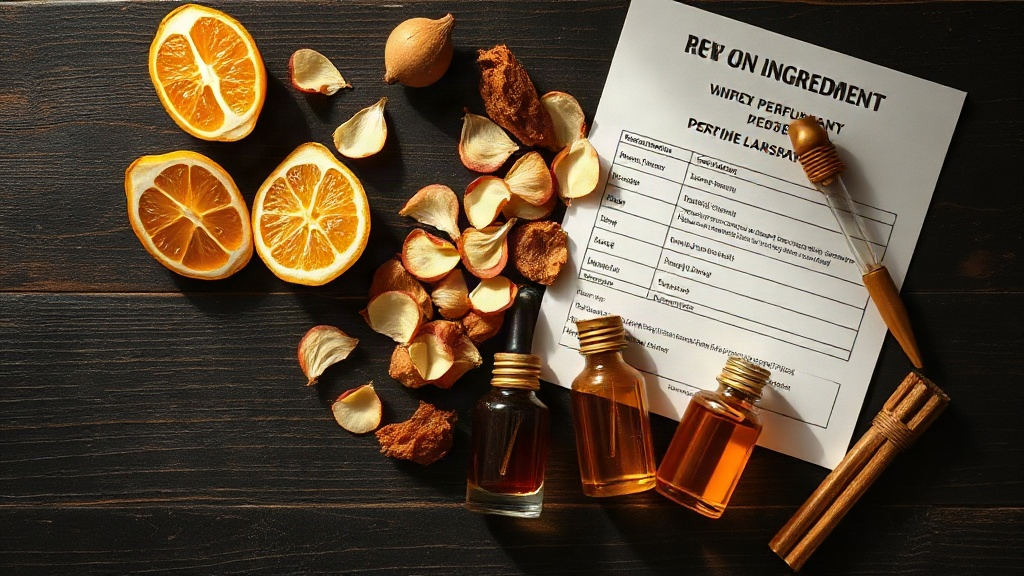
Wholesale oil perfume refers to concentrated, alcohol-free fragrance oils sold in bulk to retailers, distributors, and importers rather than individual consumers, typically through minimum order quantities, tiered pricing, and formal B2B supply agreements. Buyers source it directly from manufacturers or vetted wholesale suppliers who can guarantee batch-to-batch consistency, proper documentation, and flexible packaging options for resale. For a wholesale business, the decisions that actually move the needle are supplier reliability, MOQ structure, shipping and customs logistics, and the margin the category can sustain once it reaches your shelves.
Summary
- Oil perfumes are alcohol-free, long-lasting, and in growing demand across retail, gifting, and alcohol-restricted markets, making them a resilient wholesale category.
- Minimum order quantities for wholesale oil perfume vary by supplier and packaging format; many suppliers offer smaller trial orders before buyers commit to larger volumes.
- A structured procurement process — sampling, documentation review, contract terms, and staged payments — protects your margin and reduces supply risk.
- Logistics, customs classification, and supplier vetting influence your landed cost and reliability far more than the quoted unit price alone.
What Is Wholesale Oil Perfume?
Oil perfume, sometimes called perfume oil or attar-style fragrance, is a concentrated scent blended into a carrier oil rather than diluted with alcohol. Because there is no alcohol content to evaporate off the skin quickly, oil perfumes tend to develop more slowly and sit closer to the skin, which many buyers position as a longer-wearing alternative to traditional eau de parfum or eau de toilette. For wholesale buyers, this format opens up customer segments that specifically look for alcohol-free fragrance, including markets where alcohol-based cosmetics face cultural or religious restrictions, as well as consumers with sensitive skin who prefer gentler formulations.
From a merchandising standpoint, oil perfume also lends itself well to smaller, more affordable units — roll-on vials, decant bottles, and travel-size formats — which can sit alongside your existing fragrance assortment without requiring a dedicated new fixture or display. That flexibility is one reason the category has become attractive to retailers, gift shops, and distributors looking to diversify beyond standard spray perfumes.
Oil-Based vs Alcohol-Based: Why the Distinction Matters for Resale
The practical differences between oil-based and alcohol-based perfume go beyond scent projection. Oil perfumes are generally non-flammable, which can simplify certain shipping and storage classifications compared with high-alcohol-content sprays. They also tend to have a different shelf-life profile, since there is no alcohol evaporation to manage, though quality still depends heavily on how the base oil and aromatic compounds were sourced and blended. When you are building a wholesale assortment, it is worth asking each supplier how they test stability and consistency across production runs, since inconsistent oil-to-fragrance ratios are one of the most common quality complaints in this category.
Minimum Order Quantities and Wholesale Pricing Structures
Minimum order quantity, or MOQ, is usually the first practical constraint a new wholesale buyer runs into. Suppliers structure MOQs differently depending on packaging format, whether the product is a standard catalog item or a private-label run, and how established the buyer-supplier relationship already is. A standard reorder of an existing SKU will usually carry a lower MOQ than a brand-new private-label formulation, since custom blending, labeling, and packaging all add setup cost that the supplier needs to recover across a larger batch.
It is common for serious wholesale suppliers to offer a smaller trial or sample order before asking a new buyer to commit to a full MOQ. This lets you test sell-through, gather customer feedback, and confirm quality consistency before scaling into larger purchase orders. If a supplier refuses to offer any trial path and insists on a large first order with no sampling stage, treat that as a signal to negotiate harder or look elsewhere, since it shifts nearly all of the risk onto you as the buyer.
Pricing in wholesale oil perfume is typically tiered: unit cost decreases as order volume increases, and further discounts may apply for recurring or annual purchase commitments. Rather than anchoring only on the lowest per-unit price, experienced buyers compare pricing tiers against their own cash flow, storage capacity, and expected sell-through rate, since overbuying to hit a lower price bracket can quietly erase the margin gain through excess inventory carrying costs.

The Wholesale Procurement Process, Step by Step
A disciplined procurement process is what separates a profitable wholesale relationship from a costly one. While details vary by supplier, most B2B oil perfume purchases follow a recognizable sequence: request for quotation, sample evaluation, contract and terms negotiation, production or allocation, and then shipping and receiving. Treating each stage deliberately, rather than rushing to a purchase order, reduces the chance of quality surprises after the goods have already shipped.
Requesting Samples and Verifying Quality
Before any bulk commitment, request physical samples rather than relying on a product description or a single photo. Evaluate longevity on skin, how the scent develops over several hours, and whether the batch matches any reference sample or specification sheet the supplier provided. If you plan to reorder the same product repeatedly, ask the supplier how they maintain consistency between production batches, and request documentation such as safety data sheets or ingredient declarations where relevant to your market's import requirements.
Negotiating Contracts, Terms, and Payment Milestones
Once quality is confirmed, the commercial terms deserve the same scrutiny. Clarify the shipping incoterm being quoted — whether pricing is ex-works, free on board, or cost-insurance-freight — since this determines who is responsible for freight, insurance, and risk at each stage of transit. Payment structures commonly involve a deposit to confirm the order followed by a balance payment before or upon shipment; larger or first-time orders may warrant a staged payment schedule tied to production milestones or third-party inspection. Put reorder expectations, lead times, and any agreed pricing tiers in writing so both sides are working from the same reference point on future purchase orders.
Profit Margins and Positioning Oil Perfume for Your Market
Margin in wholesale oil perfume is shaped less by the headline unit price and more by landed cost: unit price plus freight, duties, insurance, and any packaging or labeling work needed to prepare the product for your market. Buyers who only compare quoted unit prices across suppliers frequently find their actual margin eroded once shipping and customs costs are added, so it is worth requesting a landed-cost estimate, not just a factory-gate price, before comparing offers.
Bundling is one of the most effective margin levers available to wholesale buyers in this category. Rather than reselling single units, many distributors build curated assortments that pair a few complementary scents together, which raises average order value for end retailers and gives your buyers a reason to choose your catalog over a single-SKU competitor. If you are sourcing through Beyazit Parfum, the Perfume Set collection is a practical reference point for how a multi-piece assortment can be structured for resale, and it can serve as a model for how you package your own bundled offers downstream.
Size tiering is another practical way to manage margin across different customer segments. Smaller formats support a lower price point for impulse or gift purchases, while larger formats suit buyers who want a better per-milliliter value and are willing to commit to a higher upfront spend. Reviewing options such as the 38ml Perfume range alongside the 50ml Perfume range can help you decide which size tiers make sense for your own distribution channels before you finalize an order.
Logistics, Shipping, and Customs Considerations for Oil Perfume Imports
Because oil perfumes are typically non-flammable, they can sometimes be easier to ship by air than high-alcohol-content sprays, which are often subject to dangerous goods restrictions and additional carrier surcharges. That said, every shipment should still be classified correctly under the customs code applicable to cosmetics or fragrance oils in your destination market, since misclassification can lead to delays, fines, or goods being held at the border. Confirm with your freight forwarder or customs broker how perfume oil is classified in your country before the shipment leaves the supplier's facility, not after it arrives at port.
Documentation is where many first-time wholesale importers lose time. Commercial invoices, packing lists, certificates of origin, and any required safety or ingredient documentation should match exactly across all paperwork; discrepancies are one of the most common reasons shipments get flagged for manual customs review. It is also worth confirming labeling requirements in advance — some markets require ingredient lists, batch numbers, or country-of-origin marking directly on the retail packaging before goods can clear customs or be legally resold.
Finally, build batch and lot traceability into your receiving process. If a quality issue or a customer complaint arises after the product reaches retail shelves, being able to trace the affected units back to a specific production batch and shipment makes it far easier to resolve the issue with your supplier and limit the impact to a single lot rather than your entire inventory.

How to Choose a Reliable Wholesale Oil Perfume Supplier
Supplier selection is the single decision that most affects whether your wholesale oil perfume program is profitable or painful. A reliable supplier should be able to demonstrate consistent production capacity, a track record of exporting to your region, and clear communication throughout the quoting and sampling process. Ask directly about their experience shipping internationally, their typical lead times from order confirmation to dispatch, and how they handle quality disputes if a batch arrives outside specification.
Questions to Ask Before You Commit
Useful questions include: What is the standard MOQ for this product, and is a smaller trial order available? What documentation accompanies each shipment? What are the standard payment terms, and are staged payments available for larger orders? Can the supplier support private-label packaging and labeling if you want to build your own brand on top of their formulations? Their answers, and how transparently they are given, often reveal as much as the answers themselves.
Red Flags That Signal Supply Risk
Be cautious of suppliers who refuse to provide samples, avoid written contracts or purchase terms, or pressure you into unusually large first orders without any trial period. Inconsistent responses about production capacity, an unwillingness to share documentation, or reluctance to discuss how they handle batch quality control are all signs worth taking seriously before you commit working capital to a large purchase order.

Building a Wholesale Oil Perfume Product Line
Once you have a reliable supplier relationship in place, the next step is deciding how to structure your own assortment for resale. Many wholesale buyers anchor their line with a small number of best-selling scent profiles, then expand into a broader catalog once sell-through data confirms demand. If your positioning leans toward a more exclusive or distinctive catalog, exploring a Niche Perfumes range can help differentiate your offer from generic mass-market fragrance lines that many competing distributors already carry.
Consider how your assortment will be presented to your own retail or distribution customers. A mix of single-item SKUs and bundled sets gives downstream buyers flexibility, while consistent sizing across your catalog — for example, standardizing around a couple of core volume formats — simplifies your own inventory planning and makes reordering more predictable. Reviewing how size and set options are organized on a supplier's own catalog pages can give you a practical template for structuring your resale assortment before you place your first bulk order.
Frequently Asked Questions
What is the typical minimum order quantity for wholesale oil perfume?
MOQs vary by supplier, packaging format, and whether the order is a standard catalog item or a custom private-label run; private-label and custom-blended orders generally carry higher minimums because of setup costs. Ask any prospective supplier directly about their MOQ structure and whether a smaller trial order is available before you commit to a full batch.
Is oil-based perfume easier to ship internationally than alcohol-based perfume?
Oil perfumes are typically non-flammable, which can simplify some aspects of air and ground freight compared with high-alcohol-content sprays that are often classified as dangerous goods. Even so, correct customs classification and complete shipping documentation remain essential regardless of format, so confirm requirements with your freight forwarder before shipment.
Can I order private-label wholesale oil perfume under my own brand?
Many suppliers in this category support private-label arrangements, including custom scent profiles, packaging, and labeling, though these orders usually carry a higher MOQ than standard catalog SKUs. Discuss private-label capability, lead times, and minimum volumes directly with the supplier during your initial inquiry.
How do I evaluate perfume oil quality before placing a bulk order?
Request physical samples and test longevity, scent development, and consistency against any reference standard the supplier provides. Ask how the supplier maintains batch-to-batch consistency in production, and request relevant documentation so you can verify quality claims before committing to a full wholesale purchase order.