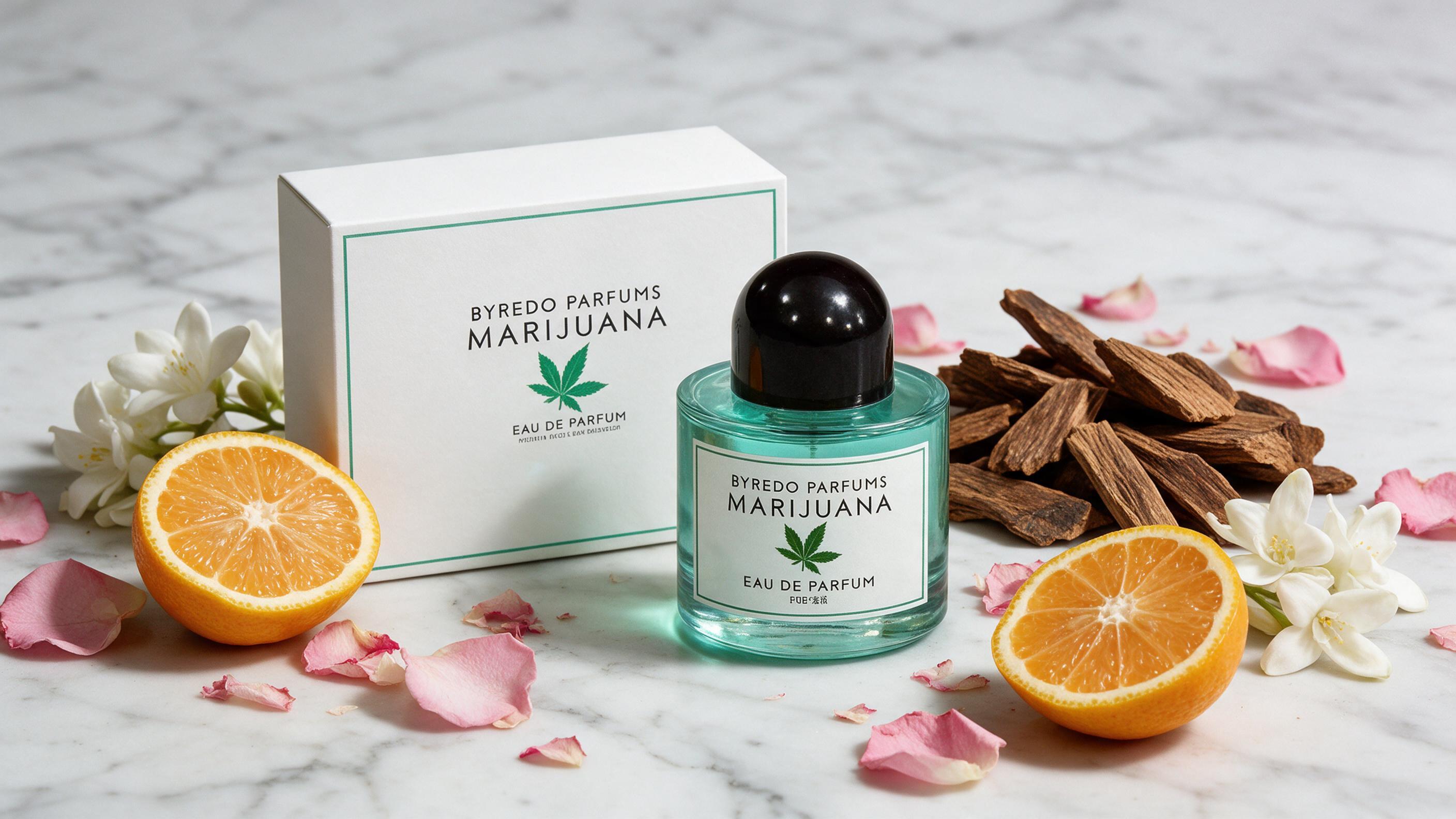
The best mini perfume wholesale suppliers combine verified product authenticity, transparent minimum order quantities, and dependable logistics support for cross-border shipping and customs clearance. For B2B buyers — retailers, distributors, and importers — the right partner is not the one with the lowest unit price alone, but the one offering consistent supply, private-label flexibility, and documentation that keeps shipments moving without delays. Evaluating suppliers against these criteria, rather than price in isolation, is what separates a dependable wholesale partner from a one-time transaction.
Summary
- Prioritize suppliers who provide batch documentation and consistent minimum order quantities (MOQs) over suppliers who compete on unit price alone.
- Compare sourcing models — direct manufacturer, established wholesale distributor, or B2B marketplace — based on your order volume, budget, and need for private labeling.
- A balanced mini perfume assortment spanning niche fragrances, gift sets, and multiple bottle sizes reduces reorder risk and appeals to a wider retail customer base.
- Factor customs classification, import duties, and carrier lead times into your landed cost calculation before committing to a supplier, not after the first shipment arrives.
Why Mini Perfumes Are a High-Margin Wholesale Category
Mini perfumes occupy a distinct place in the wholesale fragrance market because they lower the barrier to purchase for the end consumer while giving retail buyers a fast-turning, low-risk product line. A smaller format means a lower shelf price for the shopper, which in turn drives impulse purchases at checkout counters, travel retail outlets, hotel gift shops, and boutique perfumeries. For a wholesale buyer, that translates into quicker inventory turnover compared to full-size bottles, which often sit longer on the shelf while a customer decides whether to commit to a full purchase.
Mini formats also function as a discovery tool. Retailers use them to introduce customers to niche or unfamiliar scent families without asking for a large upfront spend, which supports cross-selling into full-size bottles and gift sets later. This is particularly relevant for stores that want to expand beyond mainstream designer names into more distinctive, story-driven fragrances. Because the category serves both gifting and self-purchase occasions, demand tends to stay comparatively stable across the year, with predictable peaks around major gifting seasons.
From a working-capital perspective, mini perfumes let a distributor or retailer diversify SKUs within a limited budget. Instead of committing capital to a handful of full-size bottles, a buyer can stock a broader range of scent profiles, brands, and packaging formats, which supports merchandising strategies such as sampler sets, travel kits, and counter displays.

Key Criteria for Choosing the Best Mini Perfume Wholesale Supplier
Because "best" is subjective and depends on your business model, the most useful approach is to score potential suppliers against a consistent set of criteria rather than comparing headline prices. The following factors matter most to retailers, distributors, and importers sourcing at scale.
Product Authenticity and Formulation Quality
Authenticity is the single most important filter for any B2B buyer entering the fragrance category. Ask potential suppliers for batch documentation, ingredient compliance information, and clear evidence of where and how the fragrances are formulated. A supplier that hesitates to share this information, or that cannot explain its sourcing of raw materials and concentrates, should be treated as a red flag regardless of how attractive the pricing looks. Consistency between batches matters just as much as the initial sample quality — a scent that performs well in a sample order but drifts in later shipments will damage your relationship with downstream retail customers.
Minimum Order Quantities and Pricing Tiers
MOQs should align with your storage capacity, cash flow, and the pace at which you expect to sell through a given SKU. The most buyer-friendly suppliers offer graduated pricing tiers, allowing a new partner to start with a smaller trial order to validate sell-through before committing to larger volumes. Be wary of suppliers who only offer a single, high-volume MOQ with no path to scale gradually — this structure works against businesses that are testing a new category or a new market.
Packaging, Labeling and Private Label Options
For distributors and importers serving multiple markets, the ability to source neutral packaging or private-label options is a meaningful differentiator. Multilingual labeling, compliant ingredient disclosures for the destination country, and secondary packaging suited to retail display or gifting all affect how quickly your inventory moves once it reaches the shelf. Suppliers who can accommodate these requests without extending lead times significantly are generally better long-term partners than those who only offer a single fixed packaging format.
Comparing Wholesale Sourcing Models: Manufacturer, Distributor, or Marketplace
B2B buyers generally choose between three sourcing paths, each with distinct trade-offs. Understanding these differences up front helps you avoid switching suppliers mid-cycle, which disrupts both your catalog consistency and your customers' trust in your assortment.
- Direct manufacturer: Typically the lowest per-unit cost at scale, but usually paired with higher MOQs, longer production lead times, and more responsibility placed on the buyer to manage quality control, compliance documentation, and freight forwarding independently.
- Established wholesale distributor: Offers a consolidated catalog spanning multiple brands, scent families, and bottle sizes under one account. Distributors generally provide faster turnaround than manufacturers, more flexible MOQs, and a single point of contact for logistics, documentation, and after-sales support — a structure that suits retailers and importers who want to reduce the number of supplier relationships they manage.
- B2B marketplace or aggregator platform: Provides the widest selection and fastest initial access, but quality control and authenticity verification can vary significantly between listed sellers. Buyers often find it harder to build a consistent restocking relationship, and support during customs issues or shipment disputes tends to be slower.
For most small-to-mid-size retailers, distributors, and first-time importers, an established wholesale distributor offers the most balanced combination of price, reliability, and support. Manufacturers become more attractive once order volumes justify the higher MOQ and the buyer has the internal capacity to manage logistics directly. Marketplaces are best suited to buyers running quick trials or filling short-term gaps in an existing assortment, rather than as a primary sourcing channel.
Building a Balanced Mini Perfume Assortment for Resale
A wholesale buyer's assortment strategy has as much impact on sell-through as the supplier relationship itself. Rather than stocking a single scent family or a narrow price band, the most resilient retail assortments blend several categories that appeal to different customer motivations.
Distinctive, story-driven fragrances give a retail assortment its point of difference. Buyers looking to move beyond mainstream designer names often source from a curated niche perfumes range, which tends to attract customers seeking something less widely available and more suited to gifting or personal discovery. Pairing these with more accessible, familiar scent profiles helps balance risk across the catalog.
Gift-ready formats are another pillar of a strong mini perfume assortment, particularly ahead of major gifting periods. A well-curated perfume set bundles complementary scents or sizes together, giving retail customers a higher perceived value at the point of purchase and giving wholesale buyers a higher average order value per transaction. Sets also reduce the pressure to discount individual units, since the bundle itself is the value proposition.
Finally, consider building a size ladder rather than relying on mini formats alone. Once a scent proves popular at the mini size, offering a step-up option such as a 38ml perfume or a 50ml perfume gives your retail customers a clear upgrade path and gives your business a natural upsell mechanism without introducing an entirely new SKU family. This ladder structure also helps smooth demand across price points, since not every customer is ready to commit to a full-size bottle on the first purchase.

Logistics, Shipping and Customs Considerations
Fragrance products carry logistics complexities that many first-time wholesale buyers underestimate. Because perfumes typically contain alcohol, they are often classified under dangerous goods regulations for air freight, which affects carrier options, packaging requirements, and documentation such as Material Safety Data Sheets (MSDS). Sea freight is often more flexible for larger volumes but requires longer lead time planning, particularly around gifting seasons when demand and carrier capacity both tighten.
Customs clearance depends heavily on accurate HS code classification, which determines the duty rate applied in the destination country. Errors here can lead to costly delays or reclassification at the border. Work with suppliers who are experienced in export documentation and who can provide a commercial invoice, packing list, and any certificates required by your country's import regulations well in advance of shipment.
Incoterms also deserve attention during supplier negotiations. Whether a shipment is quoted FOB, CIF, or DDP significantly changes who bears responsibility for freight cost, insurance, and customs clearance at each stage of the journey. Buyers new to importing fragrance products often benefit from starting with a DDP arrangement, which shifts more of the customs complexity onto the supplier, before graduating to FOB or CIF terms once their own logistics capabilities mature.
Pricing, Margins and Positioning for Retail Partners
Wholesale pricing for mini perfumes typically follows a tiered structure tied to order volume, and the most reliable suppliers make that structure transparent from the first quote rather than negotiating case by case. When comparing offers, calculate landed cost — meaning unit price plus freight, insurance, and duties — rather than comparing headline unit prices alone, since two suppliers with identical quoted prices can produce very different total costs once shipping method and customs treatment are factored in.
Buyers who chase the lowest headline price without accounting for consistency of supply often end up eroding their own margin later, either through stockouts that force rush reorders at higher freight cost, or through quality drift that leads to returns and customer complaints. A supplier who can guarantee consistent restocking at a stable price tier is often more valuable to your margin over a full sales cycle than one offering a marginally lower price with unpredictable availability.
Bundling is one of the most effective tools available to a retail partner for protecting margin without raising per-unit prices. Offering mini perfumes as part of a curated set, or pairing them with a step-up size for a limited period, increases average order value and gives the retailer more room to manage promotional pricing without discounting core inventory.
Due Diligence: How to Vet a Wholesale Perfume Supplier
Before committing to a long-term account, run every prospective supplier through a structured vetting process rather than relying on a single conversation or catalog review.
- Request physical samples before placing a bulk order, and evaluate both scent performance and packaging quality over several days, not just at first impression.
- Verify business registration, export licensing, and any relevant trade certifications that apply to your import market.
- Ask for references from other B2B buyers, particularly those operating in a similar market or sales channel to your own.
- Review the supplier's return and damage policy in detail — how disputes are handled after a shipment arrives says a great deal about how the relationship will hold up over time.
- Assess responsiveness and clarity of communication during the inquiry stage, since this is a strong predictor of how support will function once you are a paying, recurring account.
- Confirm the supplier's capacity for consistent restocking, especially for SKUs you intend to feature as core parts of your catalog rather than one-off promotional items.
Suppliers who welcome this level of scrutiny, and who can answer these questions clearly and promptly, are generally the ones best positioned to support a growing wholesale account over multiple order cycles.
Frequently Asked Questions
What is a typical minimum order quantity for mini perfume wholesale?
MOQs vary widely depending on the supplier, the specific product line, and whether packaging is standard or private label. Rather than assuming a fixed figure, ask each supplier for their tiered pricing structure so you can compare how MOQ scales with unit cost and identify an entry point that matches your current order volume.
How do I verify a mini perfume wholesale supplier is authentic?
Request batch documentation, ask direct questions about sourcing and formulation, and order samples before committing to a bulk purchase. A supplier's willingness to provide this information transparently, along with references from existing B2B customers, is one of the clearest signals of legitimacy.
Is it better to buy mini perfumes from a manufacturer or a distributor?
It depends on your order volume and internal logistics capacity. Manufacturers can offer lower per-unit pricing at scale but typically require higher MOQs and more hands-on management of shipping and compliance. An established distributor generally offers more flexible MOQs, a broader catalog, and consolidated support, making it a more practical starting point for most retailers and importers.
What customs documents are needed to import perfume wholesale?
Typical requirements include a commercial invoice, packing list, and a Material Safety Data Sheet (MSDS) given the alcohol content in most fragrances. Accurate HS code classification is essential for determining applicable duties, and some destination markets may require additional certificates — confirm specific requirements with your customs broker or the supplier's export team before shipment.