Wholesale perfume in NYC refers to bulk fragrance sourcing through importers, distributors, and licensed wholesale suppliers based in or shipping out of New York City, rather than single-unit retail purchases. For retailers, distributors, and online sellers, buying wholesale perfume in NYC typically means working with a supplier who can provide verifiable sourcing documentation, flexible case-pack minimums, and consistent inventory across popular designer and niche fragrance lines. The right partner reduces landed cost per unit, protects against counterfeit risk, and gives a buying business the assortment depth needed to compete on shelf or online.
Summary
- Wholesale perfume NYC sourcing works best when buyers vet suppliers on documentation, case-pack flexibility, and fulfillment speed rather than price alone.
- New York remains a major fragrance trading hub because of its port access, density of importers, and proximity to major retail and e-commerce buyers.
- Successful B2B buyers plan for minimum order quantities, customs and duty exposure, and a diversified assortment across formats such as 35ml perfume and 50ml perfume bottles.
- Margin protection depends on supplier reliability and repeat-order consistency, not just the first invoice price.
What "Wholesale Perfume NYC" Means for B2B Buyers
When a retailer, distributor, or importer searches for wholesale perfume in NYC, they are usually trying to solve one of three problems: finding a dependable source of authentic inventory, replacing an unreliable supplier, or expanding an existing catalog with new brands or formats. Wholesale, in this context, is distinct from bulk discount retail shopping. It implies a business-to-business relationship built around purchase orders, case packs, repeat buying cycles, and documentation that supports resale, invoices, certificates of authenticity where applicable, and consistent SKU availability.
New York City functions as a sourcing hub rather than a single warehouse address. Buyers searching this term are often comparing several supplier types at once: direct importers who bring fragrance stock through East Coast ports, regional distributors who break larger pallets into smaller case quantities, and specialized online wholesalers who ship nationally or internationally from an NYC-based operation. Each model has different strengths depending on whether a buyer needs small, frequent restocks or larger, less frequent container-level orders.
For a retail buyer stocking a boutique or multi-brand store, the priority is usually assortment breadth and fast reorder turnaround. For a distributor reselling to other retailers, the priority shifts toward volume pricing tiers and reliable lead times. Importers bringing stock into the US for the first time care most about customs compliance and documentation that will hold up if a shipment is inspected. Understanding which profile a business falls into helps narrow the supplier search considerably.
Why New York City Is a Hub for Wholesale Fragrance Sourcing
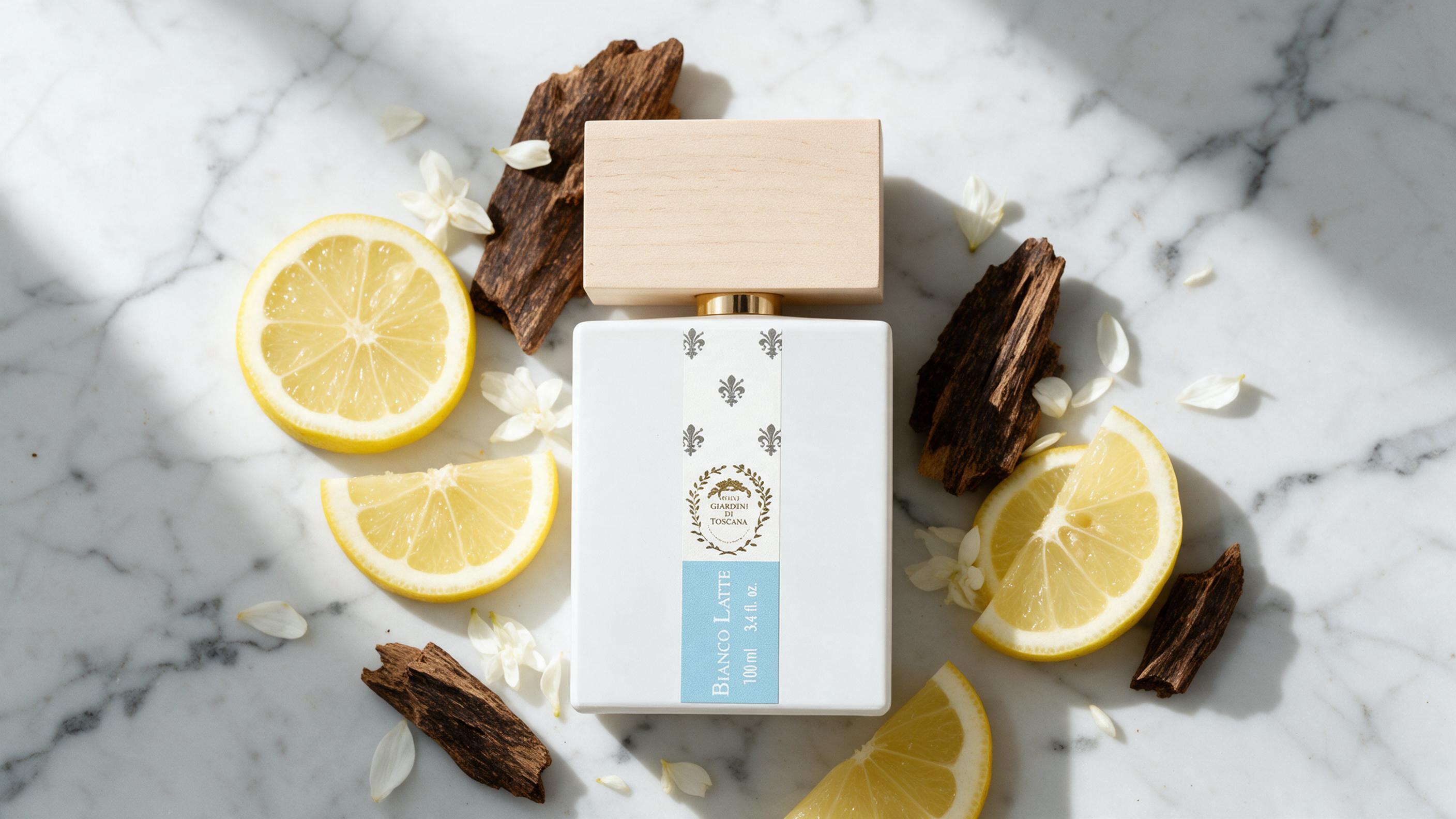
New York's position as a global trade and retail center is the main reason the city has such a dense network of fragrance importers and wholesalers. Proximity to major East Coast ports simplifies the logistics of bringing fragrance stock into the country, and the sheer concentration of retail buyers, from independent boutiques to larger multi-door retail groups, creates enough demand to support specialized wholesale suppliers that smaller markets cannot sustain.
This density also means buyers have more room to compare. A retailer or distributor sourcing wholesale perfume in NYC can usually find multiple suppliers carrying overlapping brand portfolios, which creates competitive pressure on service quality, order minimums, and fulfillment speed. That competition benefits buyers, but it also means supplier vetting matters more, not less: when several wholesalers claim to offer the same designer or niche lines, documentation and consistency become the real differentiators.
It is also worth noting that NYC wholesale perfume sourcing does not have to mean a buyer is limited to suppliers with a physical New York address. Many businesses searching this term are comparing NYC-based wholesalers against established e-commerce wholesale suppliers that ship nationwide, since digital sourcing has made geography less of a constraint than it was a decade ago. What still matters is whether the supplier can demonstrate authentic sourcing and consistent fulfillment, regardless of where their warehouse sits on a map.
Buyers comparing options should also weigh direct relationships against general B2B marketplaces. A direct relationship with an established wholesale fragrance supplier typically offers better visibility into sourcing and more consistent account management than placing one-off orders through a broad marketplace listing, which matters once order volume and reorder frequency increase.
How to Evaluate a Wholesale Perfume Supplier
Choosing a wholesale fragrance supplier is a due-diligence exercise, not a one-time price comparison. The following criteria matter most for a B2B buyer building a long-term sourcing relationship rather than a single opportunistic purchase.
Authenticity and Documentation
Authenticity risk is the single biggest exposure in wholesale fragrance buying. Counterfeit or diverted gray-market stock can expose a retailer to returns, chargebacks, brand disputes, and reputational damage with customers. A credible wholesale supplier should be able to answer direct questions about sourcing chain and provide invoices that support the legitimacy of the goods. Buyers should be cautious of suppliers who cannot explain where their stock originates or who discourage questions about sourcing.
Minimum Order Quantities and Case-Pack Flexibility
Every wholesale relationship starts with a minimum order quantity, or MOQ, and this is where many new B2B buyers underestimate the planning required. A supplier with rigid, high MOQs may be a poor fit for a smaller boutique retailer testing new SKUs, while a supplier offering only small case packs may not serve a distributor that needs container-level volume. The right fit depends on matching supplier flexibility to a buyer's actual sell-through velocity, not simply choosing the lowest unit price available.
Fulfillment Speed and Reorder Reliability
Fulfillment speed matters as much as price once a retailer moves from a one-time purchase to a repeat buying relationship. A supplier that quotes an attractive case price but takes weeks to confirm stock availability can leave a retailer with empty shelves during peak selling periods. Buyers should ask directly about typical turnaround from purchase order to shipment, and if possible, test a smaller initial order before committing to a larger reorder schedule. Consistency across repeat orders, meaning the same SKU availability, the same packaging, and the same lead time, is often a better predictor of a good long-term wholesale partner than the first quoted price.
Product Range and Packaging Formats
Assortment depth is a practical differentiator between wholesale suppliers. A buyer building a well-rounded catalog typically wants access to a range of bottle formats and fragrance families rather than a narrow selection. Suppliers that carry diverse formats, such as 35ml perfume bottles for gifting and travel-size demand alongside standard 50ml perfume options, make it easier for a retailer to merchandise across price points. Buyers who also want to differentiate from mass-market retail competitors often look for a supplier that stocks niche perfume collections, since niche fragrance lines typically carry stronger margins and less direct price comparison than mainstream designer names.
Supply Chain, Logistics, and Customs Considerations
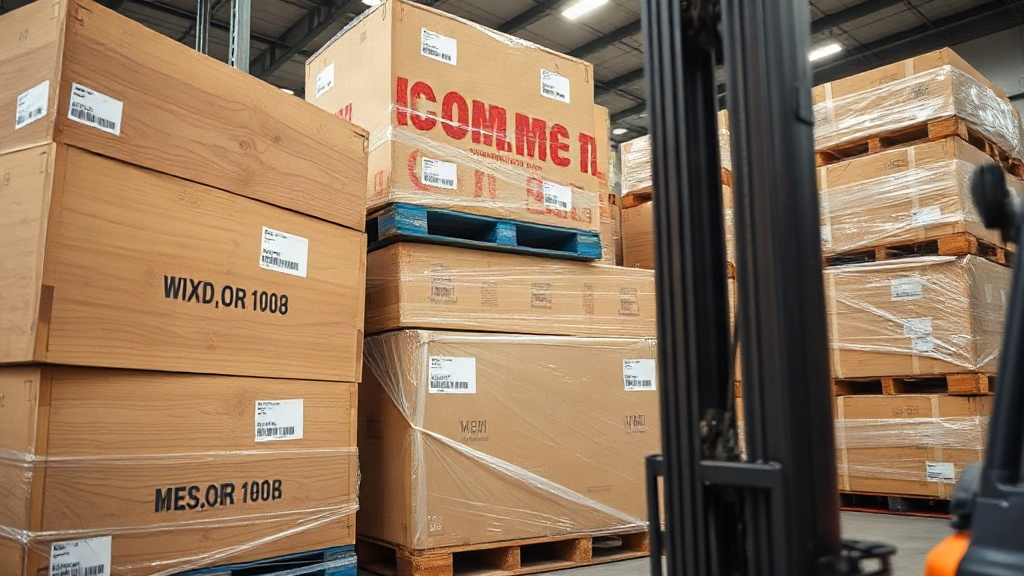
Fragrance is a regulated category in international trade because of its alcohol content and classification as a cosmetic or consumer good, which means logistics planning cannot be an afterthought for importers and distributors. Buyers bringing stock in from overseas, or working with a domestic wholesaler who imports on their behalf, need to understand how customs classification, duty exposure, and shipping restrictions affect total landed cost and timeline.
Three planning areas consistently matter most for B2B fragrance buyers:
- Customs classification and duties. Perfume typically falls under specific harmonized tariff codes, and duty rates can vary depending on the product's classification and country of origin. Buyers should confirm with their supplier or customs broker how a given shipment will be classified before committing to volume.
- Shipping and carrier restrictions. Because many fragrances contain flammable alcohol, they are frequently treated as hazardous materials for air freight and some parcel carriers, which can affect shipping method, cost, and lead time. Ocean freight is common for larger wholesale volumes for this reason.
- Lead time buffers. Even with a reliable supplier, customs inspection and port congestion can add unpredictable delay. Distributors and retailers planning seasonal assortments, such as holiday gift sets, should build in buffer time rather than ordering at the last possible moment.
Some distributors who both import and re-export fragrance, for example supplying retailers in Canada or the Caribbean from a US base, also look into bonded warehousing or duty drawback programs to reduce the cost of carrying inventory that will eventually leave the country. This is a more advanced strategy that usually requires a customs broker's guidance, but it is worth asking an established wholesale supplier whether they already operate through a bonded facility, since that can simplify multi-country distribution considerably.
Working with a wholesale supplier that already has established import procedures and documentation in place removes much of this complexity for the buyer. This is one of the clearest advantages of sourcing through an experienced NYC-based or US-based wholesale fragrance distributor rather than attempting direct overseas sourcing without an existing compliance process.
Building Margin Through Smart Assortment Strategy
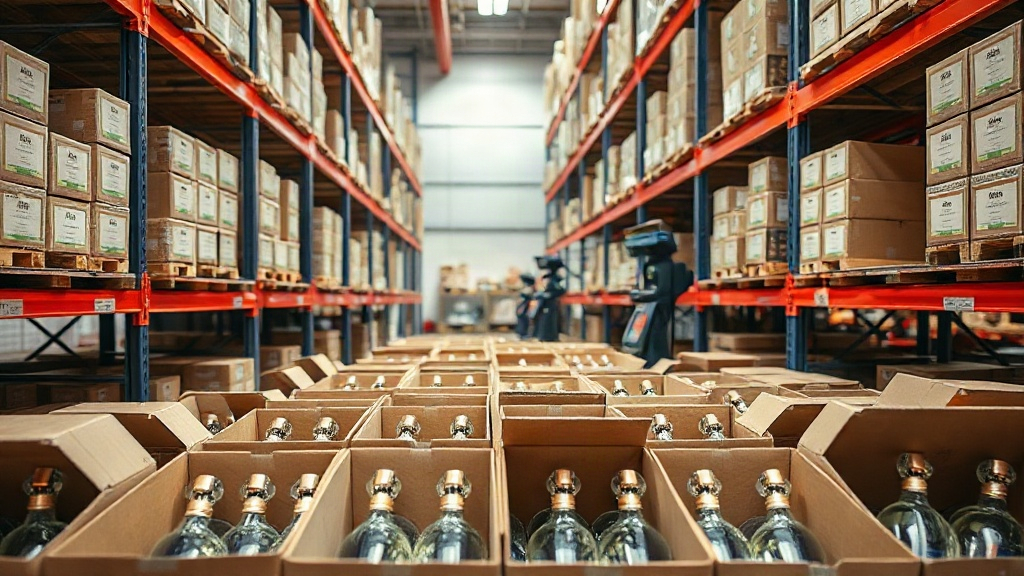
Margin in wholesale fragrance retailing is less about negotiating the lowest unit cost and more about building an assortment that sells through predictably and avoids markdowns. A buyer who stocks only the most commonly discounted designer names is competing directly on price with every other retailer carrying the same SKUs. Diversifying into less commoditized categories protects margin and differentiates a storefront or catalog.
A few assortment strategies consistently help B2B buyers protect margin over time:
- Blend mainstream and niche. Carrying recognizable designer names drives traffic and trust, while adding niche perfume lines gives a retailer products that are harder for customers to price-compare across competitors.
- Diversify bottle formats. Offering both smaller formats like 35ml perfume and full-size options such as 50ml perfume allows a retailer to serve gifting, travel, and everyday-use customer segments without duplicating SKUs unnecessarily.
- Use gift sets for seasonal lift. A curated perfume set assortment is a practical way for retailers and distributors to capture holiday and gifting demand with a higher average order value than single bottles.
- Match reorder cadence to sell-through. Ordering larger volumes of proven, fast-moving SKUs while testing new fragrances in smaller case quantities reduces the risk of dead stock.
This kind of layered assortment also gives a retailer more pricing flexibility at the shelf or storefront level, since niche and gift-set products are typically less exposed to the aggressive price comparison that affects widely distributed designer bottles.
Common Pitfalls When Buying Wholesale Perfume in Bulk
Even experienced buyers run into avoidable problems when scaling up wholesale fragrance purchases. Being aware of these pitfalls in advance makes supplier negotiations and inventory planning considerably smoother.
Chasing the lowest unit price without checking supply consistency. A supplier offering an unusually low price on a popular SKU is not automatically the best long-term partner if they cannot guarantee the same stock is available for the next three or four reorder cycles. Reorder reliability is often more valuable to a retail business than a marginally lower first invoice.
Ignoring minimum order quantities until after negotiating price. Buyers sometimes agree on pricing before confirming whether the supplier's MOQ structure actually fits their cash flow and storage capacity. This should be one of the first questions asked, not the last.
Underestimating customs and duty exposure. Importers new to the category sometimes calculate landed cost based on unit price and freight alone, without factoring in duties, brokerage fees, or potential inspection delays, which can erode margin on an otherwise well-priced order.
Over-concentrating in one fragrance category. Retailers who stock only the handful of most heavily advertised designer perfumes compete on price with every other seller of the same SKUs. Balancing designer names with niche and gift-set assortments, as discussed above, reduces this exposure.
Skipping supplier verification. Any wholesale supplier, NYC-based or otherwise, should be able to answer direct questions about sourcing and provide documentation supporting the authenticity of their stock. A buyer who skips this step is taking on unnecessary brand and legal risk for the sake of saving time upfront.
Frequently Asked Questions
What is the typical minimum order for wholesale perfume in NYC?
Minimum order quantities vary by supplier and by product line, and there is no single standard across the industry. Smaller boutique retailers should look for suppliers offering flexible case-pack minimums suited to testing new SKUs, while distributors planning larger volume should confirm tiered pricing and minimums directly with each supplier before committing to a purchase order.
How can a retailer verify that a wholesale perfume supplier is legitimate?
Ask directly about sourcing chain, request invoices or documentation that support the authenticity of the stock, and be cautious of any supplier who is vague or evasive about where their inventory originates. A legitimate wholesale supplier should be comfortable answering these questions as part of building a long-term buying relationship.
Do wholesale perfume buyers need to worry about customs and duties?
Yes, especially importers bringing stock in from overseas. Fragrance is typically classified under specific tariff codes and is often treated as a regulated or hazardous good for shipping purposes due to its alcohol content, which can affect duty rates, carrier options, and lead times. Working with a supplier that already manages compliant import procedures reduces this burden for the buyer.
Is it better to source only designer perfume brands, or add niche lines too?
Most B2B buyers benefit from a blended assortment. Designer names build trust and foot traffic, but they are also the most price-compared category in the market. Adding niche perfume lines and curated gift sets alongside standard designer stock helps a retailer or distributor protect margin and stand out from competitors carrying the same mainstream SKUs.