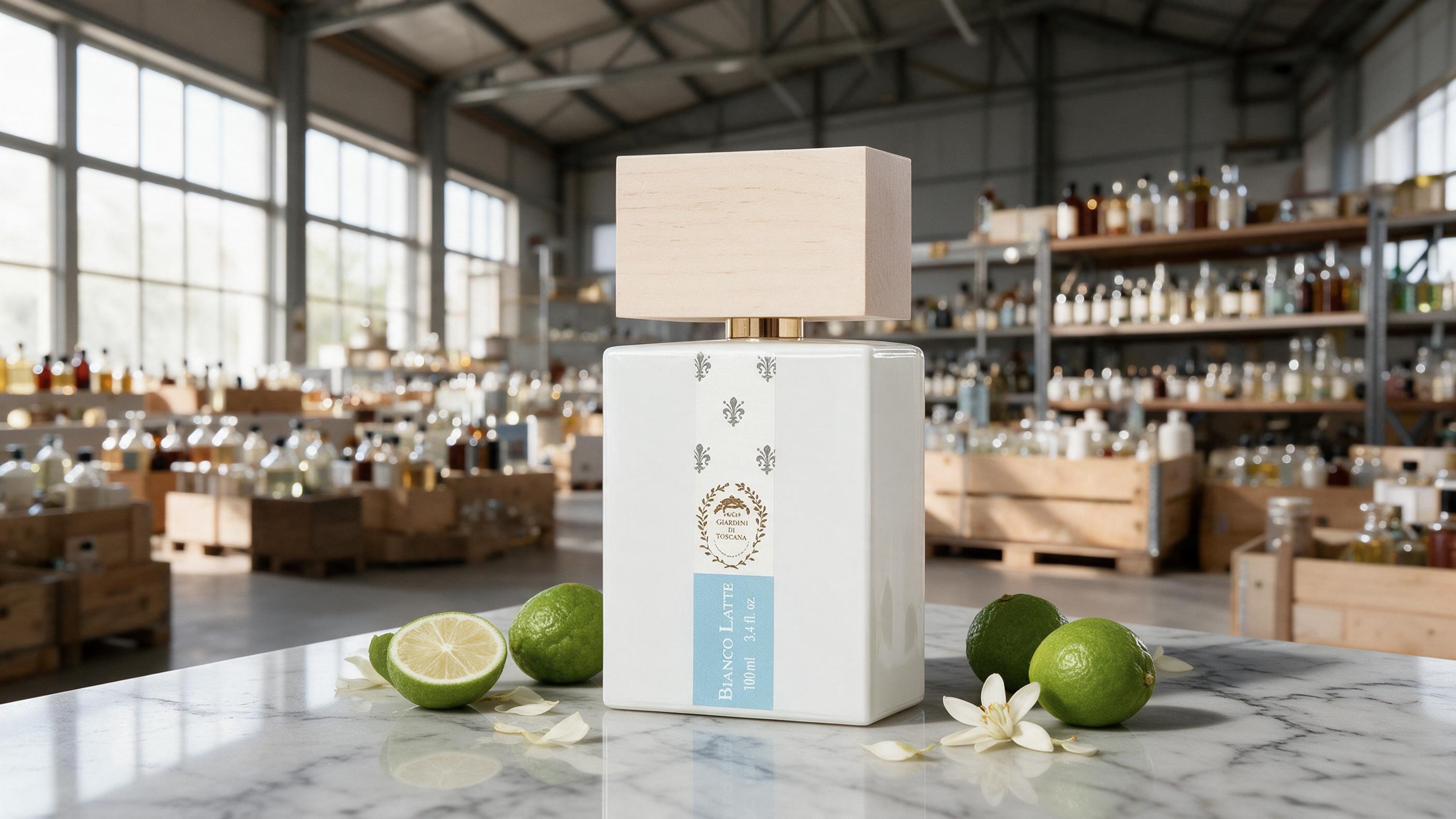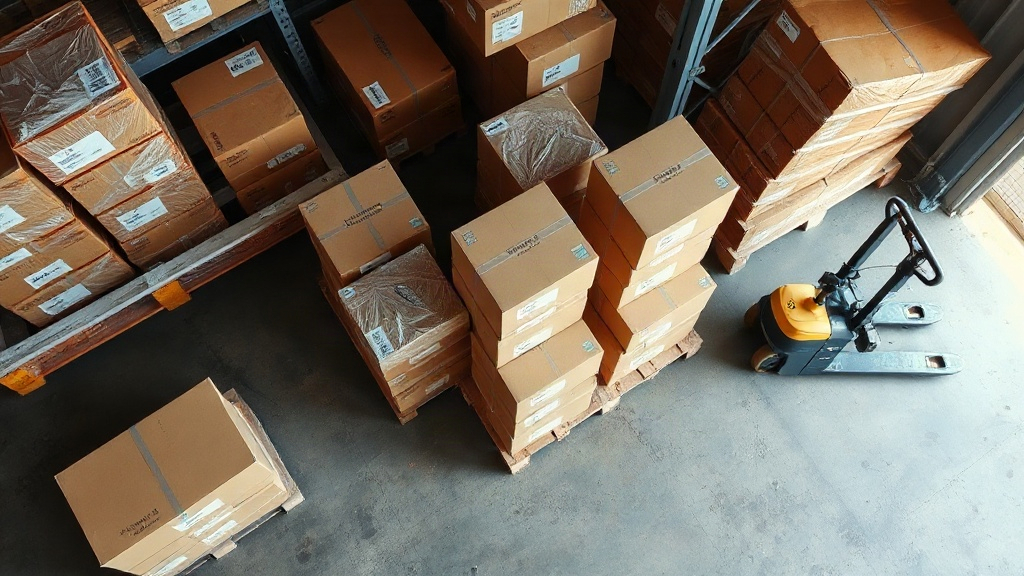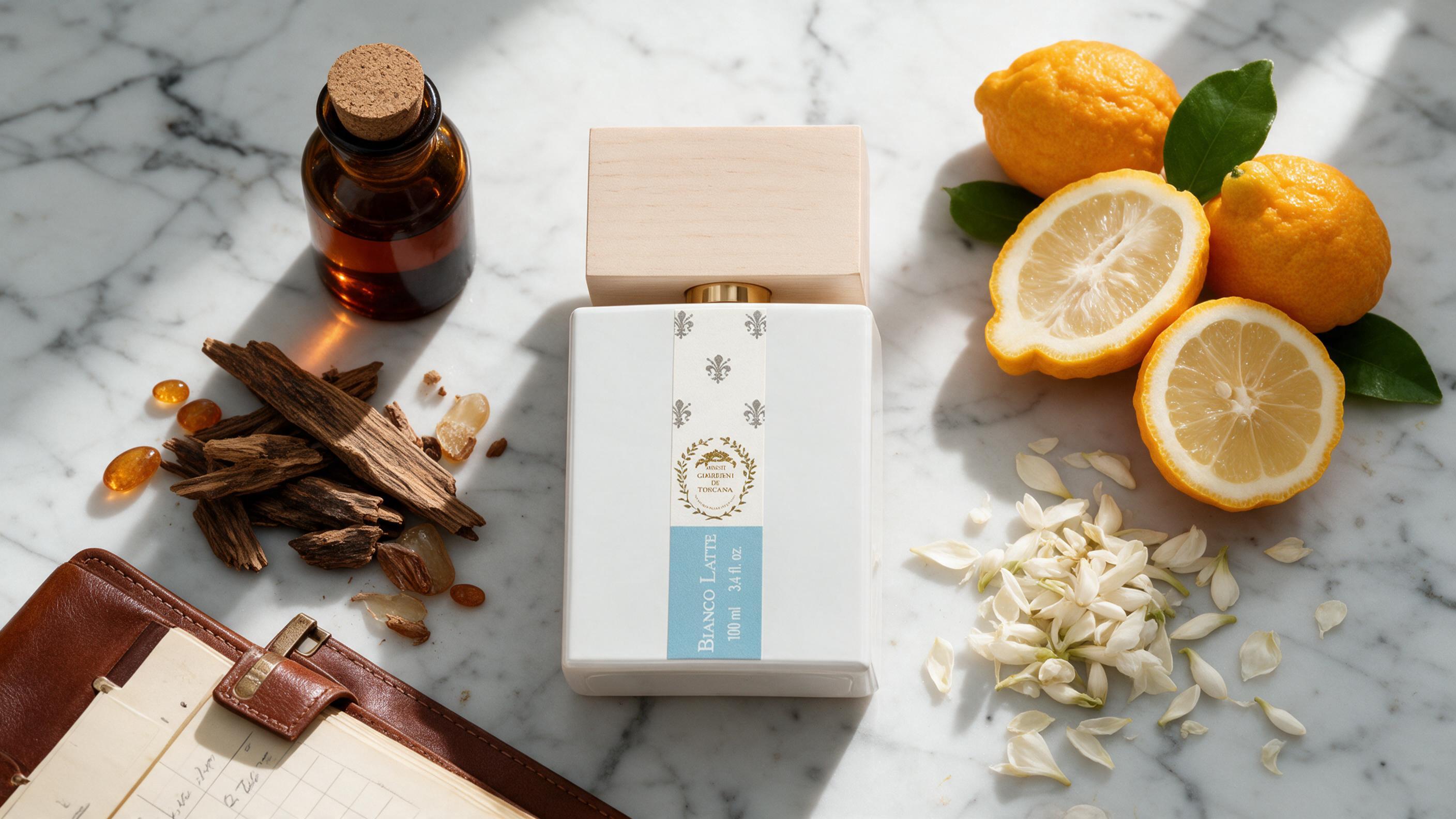
Wholesale perfume manufacturers are production facilities and B2B suppliers that formulate, bottle, and ship fragrances in bulk volumes to retailers, distributors, and importers under business-to-business terms rather than retail pricing. They typically offer private label, white label, or ready branded catalog lines, along with minimum order quantities, compliance documentation, and support for packaging and labeling. For a buying business, the right manufacturer determines product consistency, delivery reliability, and ultimately the margin available once the goods reach a shelf or warehouse.
Summary
- Wholesale perfume manufacturers produce and bottle fragrances in bulk for retailers, distributors, and importers, usually offering private label, white label, or ready-made catalog lines.
- Reliable manufacturers are judged on formulation consistency, IFRA compliance, packaging capability, minimum order quantities (MOQs), and proven export experience.
- Procurement typically moves through sampling, MOQ negotiation, documentation, and a production lead time before shipment, so buyers should budget several weeks for the full cycle.
- Margin, logistics cost, and customs classification should all be modeled before committing to a supplier or an order volume.
What Does a Wholesale Perfume Manufacturer Actually Offer?
A wholesale perfume manufacturer is not simply a seller of finished bottles — it is a production partner that can formulate fragrance oils, source packaging components, fill and label bottles, and prepare shipments sized for business buyers rather than individual consumers. For a retailer, distributor, or importer, this distinction matters: you are not buying a single bottle at a markup, you are buying production capacity, consistency across batches, and a documented supply chain that you can rely on season after season.
Most manufacturers in this space operate across a spectrum of service models. Some offer a fixed catalog of ready-made fragrances that buyers can order under their own label. Others accept custom formulation briefs and build a scent from scratch, which usually requires higher order volumes and longer lead times. A smaller group focuses on niche and designer-inspired concentrations aimed at specialty retail, where buyers want a differentiated assortment rather than mass-market scents. Before approaching any manufacturer, it helps to know which of these models fits your retail strategy, since pricing structures, MOQs, and timelines differ significantly between them.
How the B2B Sourcing Relationship Works
Unlike consumer purchasing, sourcing from a wholesale perfume manufacturer is a negotiated, document-heavy process. Buyers typically start with a request for samples, move into a pricing and MOQ discussion, confirm packaging and labeling specifications, and only then place a production order. Payment terms, incoterms such as FOB or CIF, and delivery windows are agreed upfront and formalized in a purchase order or contract.
Communication expectations also differ from retail. A professional manufacturer should be able to provide safety data sheets, allergen declarations, and batch documentation on request, not after the fact. Buyers who skip this step often discover compliance gaps only when a shipment is held at customs or rejected by a retail partner's quality team. Building this verification into your sourcing checklist from the first inquiry saves far more time than trying to fix it later.
Typical Steps in a First Order
- Share your target assortment, price tier, and expected order volume with the manufacturer.
- Request samples of the specific formulations and packaging you are considering.
- Negotiate MOQ, lead time, and payment terms once samples are approved.
- Confirm labeling, barcoding, and any private label branding requirements in writing.
- Place the purchase order and track production against the agreed timeline.
Key Criteria for Choosing a Reliable Wholesale Perfume Manufacturer
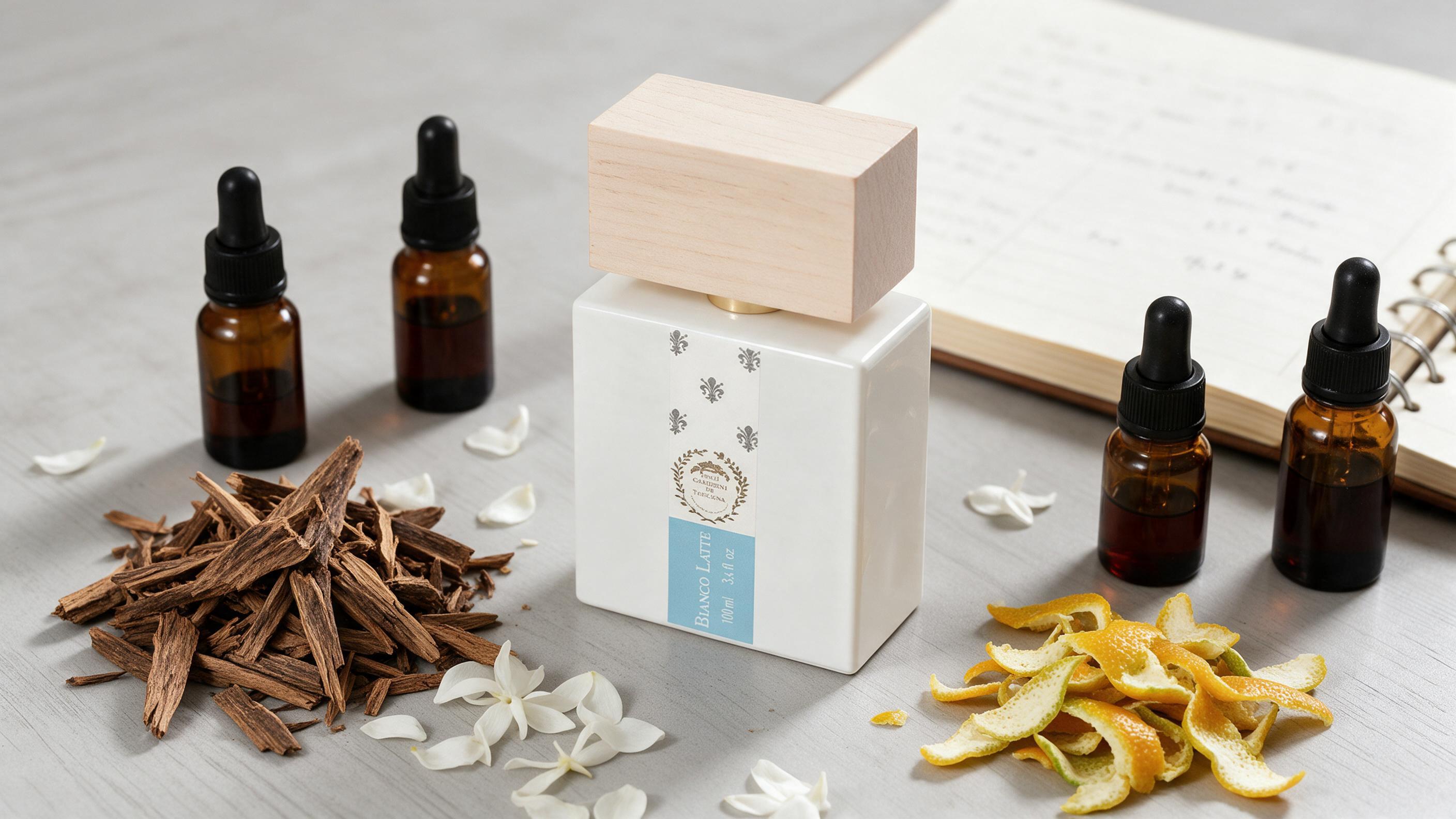
Not every manufacturer that advertises wholesale pricing is equipped to serve a long-term B2B relationship. Buyers evaluating suppliers should look past the price list and assess a handful of structural factors that predict reliability over multiple orders rather than a single transaction.
Formulation Consistency and Compliance
Fragrance houses that batch-test their concentrations and document compliance with IFRA (International Fragrance Association) standards are far less likely to produce inconsistent scent profiles between orders. Ask any prospective manufacturer how they manage batch-to-batch quality control and whether they can supply compliance documentation for the markets you sell into.
Production Capacity and Lead Times
A manufacturer's stated MOQ is only useful if it can actually hit the lead time it quotes. Request references or trade history where possible, and treat vague answers about capacity or scheduling as a warning sign, particularly if you plan to scale order volume over time.
Packaging and Private Label Flexibility
Retail and distribution buyers frequently need flexibility in bottle size, cap style, and labeling to match their own branding or shelf strategy. Manufacturers that can accommodate formats such as 50ml or smaller travel-size bottles, or that can bundle multiple scents into a perfume set for gifting and promotional retail, give buyers more merchandising options without needing a second supplier relationship.
Minimum Order Quantities and the Procurement Process
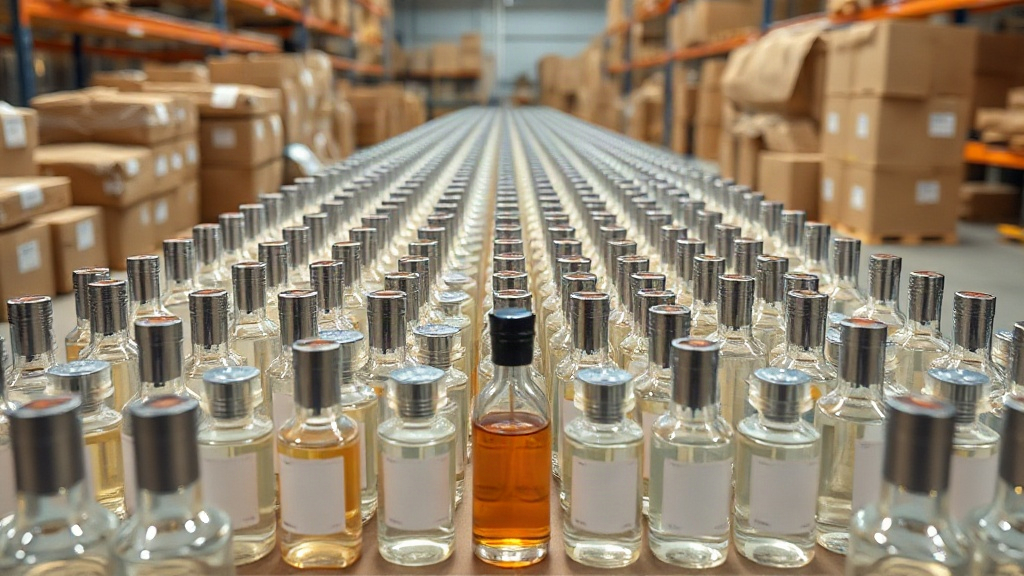
Minimum order quantities are one of the first filters that determine which manufacturers are realistic options for a given business. Some manufacturers set MOQs per SKU, others set a combined MOQ across an entire order, and some adjust their minimums based on whether the buyer wants a stock formulation or a custom one. Clarifying this early avoids wasted negotiation time on a supplier whose minimums do not match your current order volume.
Smaller retailers and newer distributors are often better served starting with a manufacturer's existing catalog rather than requesting a fully custom formulation, since stock scents usually carry lower MOQs and shorter lead times. As order history builds and the buyer-supplier relationship matures, it becomes easier to negotiate smaller minimums, better payment terms, or an expanded product range, including specialty or niche perfumes that can differentiate a retail assortment from mass-market competitors.
Documents Buyers Should Request Before Ordering
- Safety data sheets (SDS) for each formulation under consideration.
- IFRA compliance statements and allergen declarations.
- Certificates of origin, where relevant for preferential customs treatment.
- A formal pro forma invoice outlining price, quantity, and shipping terms before production begins.
Private Label vs. Branded Wholesale Options
Buyers generally choose between two broad paths when sourcing from a wholesale perfume manufacturer: ordering under their own private label, or distributing an already-branded product line. Private label orders give retailers and distributors full control over naming, packaging, and positioning, but usually require higher MOQs and more upfront coordination on artwork and labeling approval. Branded distribution, by contrast, lets a buyer move faster to market since the packaging and brand identity are already finalized, though it offers less differentiation against competitors carrying the same line.
The right choice depends on the buyer's channel strategy. A distributor supplying many smaller retail accounts may prefer branded lines for faster turnover, while a retailer building a distinct in-store or online identity often leans toward private label, particularly when it can be paired with flexible formats such as a compact 38ml perfume size for travel retail or a larger 50ml perfume format for standard shelf placement. Many buyers ultimately run a mixed assortment, using private label for flagship scents and branded or niche lines to round out the catalog.
Logistics, Shipping, and Customs Considerations
Perfume is a regulated commodity in most jurisdictions because it typically contains alcohol and classifies as a flammable liquid for shipping purposes. This has direct consequences for B2B buyers: freight must usually move under dangerous goods (DG) shipping protocols, which affects carrier selection, documentation, and cost compared to a standard cargo shipment.
Buyers should confirm with their manufacturer, freight forwarder, and customs broker, ideally before the first order is placed, how the shipment will be classified, which HS code applies in the destination country, and what import documentation will be required on arrival. Air freight is faster but more expensive for DG cargo, while sea freight is more economical for larger volume orders but requires longer planning for lead times and inventory coverage. Getting these details wrong after production is complete is one of the most common and costly mistakes new importers make, so it is worth resolving before signing a purchase order rather than after goods are already in transit.
Questions to Clarify With Your Freight Partner
- Is the shipment classified as dangerous goods, and which carriers in your lane accept DG cargo?
- What import duties and taxes apply under the relevant HS code in your country?
- Does the manufacturer handle export documentation, or is that the buyer's responsibility?
- What is the realistic door-to-door lead time, including customs clearance, not just production time?
Profit Margins and Pricing Strategy for B2B Buyers
Wholesale pricing from a manufacturer is only the starting point of a retailer's or distributor's margin calculation. Buyers need to account for freight, customs duties, warehousing, any secondary packaging or labeling costs, and the working capital tied up between placing an order and selling through inventory. A fragrance that looks attractively priced at the factory gate can erode most of its margin by the time it reaches a shelf if logistics and holding costs are not modeled in advance.
Experienced buyers typically build a landed cost model before committing to an order: unit price plus freight, duties, and handling, divided across the full order quantity, compared against the realistic sell-through price in their market. This exercise also helps buyers decide between a stock formulation, which generally has a lower landed cost and is faster to source, and a custom or niche line, which carries higher cost and longer lead time but stronger differentiation and typically better margin per unit once established. Running this comparison before negotiating MOQs with a manufacturer prevents committing capital to a product category that cannot clear the margin threshold a business needs.
Quality Control, Regulatory Compliance, and Red Flags to Avoid
Regulatory compliance is not optional for B2B fragrance buyers, particularly when importing into markets with strict cosmetic and chemical regulations. Formulations must align with IFRA guidelines on restricted and allergenic substances, and labeling must meet the destination market's disclosure requirements, including ingredient lists where mandated. A manufacturer unwilling or unable to provide this documentation on request should be treated as a significant risk, regardless of how competitive its pricing appears.
Beyond paperwork, buyers should watch for a few recurring red flags when vetting new suppliers: reluctance to provide physical samples before a large order, inconsistent answers about production location or capacity, pressure to pay the full order value upfront with no documented production milestones, and an unwillingness to put MOQ, lead time, and specification details in writing. A manufacturer confident in its own quality and capacity will generally welcome these questions rather than resist them, since clear documentation protects both sides of the transaction.
Building a Long-Term Relationship With Your Manufacturer
A first order with a wholesale perfume manufacturer is best treated as a trial run rather than a final decision. Buyers who track delivery accuracy, batch consistency, and responsiveness across the first two or three orders have much better data for deciding whether to expand volume, negotiate better terms, or diversify into a wider assortment such as a niche line or a bundled perfume set. Manufacturers, in turn, often reward buyers who place consistent, well-documented repeat orders with improved payment terms, priority production scheduling, or lower per-unit pricing at higher volumes.
It is also worth maintaining a second qualified manufacturer relationship even after finding a reliable primary supplier. Single-source dependency is a common point of failure for importers and distributors, particularly when a manufacturer experiences a raw material shortage, a compliance issue, or a shipping delay that is outside either party's control. A secondary supplier does not need to carry regular volume, but having the relationship, documentation, and sample history already in place shortens the time needed to shift production if the primary source becomes unavailable.
Frequently Asked Questions
What is a typical minimum order quantity for wholesale perfume manufacturers?
MOQs vary widely by manufacturer and by whether the order is for a stock formulation or a custom one. Stock lines from an established catalog generally carry lower minimums than fully custom formulations, which require dedicated production runs. Buyers should always confirm MOQ per SKU and per total order before negotiating price.
How long does it take to receive a wholesale perfume order after placing it?
Lead time depends on whether the formulation is already in production or needs to be developed, plus packaging, labeling, and shipping method. Buyers should request a written production and shipping timeline at the purchase order stage rather than relying on a verbal estimate, since dangerous-goods shipping requirements can add time compared to standard freight.
Should a new importer start with private label or an established branded line?
Many new B2B buyers start with an established branded or stock catalog line because it typically has a lower MOQ, faster turnaround, and no artwork approval cycle. Private label becomes more attractive once order volume and channel strategy are established enough to justify the additional coordination and typically higher minimums.
What documentation should a buyer request before finalizing an order?
At minimum, buyers should request safety data sheets, IFRA compliance statements, a pro forma invoice detailing price and shipping terms, and clarity on which party handles export documentation. These documents protect the buyer during customs clearance and reduce the risk of compliance issues after the shipment has already left the manufacturer.