Wholesale perfume in NYC is sourced through licensed importers, brand-authorized distributors, and bulk fragrance suppliers based in the city's garment and fragrance districts, who sell cases of authentic eau de parfum and eau de toilette to retailers, discount stores, gift shops, and online resellers at volume-based pricing. Buyers typically contact a supplier's sales team directly, provide a resale certificate or business license, and commit to a minimum order quantity rather than buying single units. For most B2B buyers, the real decision is not simply finding a seller located in New York, it is confirming authenticity, consistent stock levels, and dependable shipping before a purchase order is ever signed.
Summary
- New York City concentrates import, distribution, and showroom activity for fragrance, making it one of the busiest wholesale perfume markets in the United States.
- Reliable sourcing depends on verified authenticity documentation, not just a low unit cost or a Manhattan address.
- Minimum order quantities, case-pack sizes, and lead times vary by supplier and should be confirmed before any deposit is paid.
- A diversified catalog across niche lines, gift sets, and multiple bottle sizes helps retailers protect margin across different customer segments.
Who Buys Wholesale Perfume in NYC
Wholesale perfume buyers in the New York market generally fall into a few recognizable profiles, and each one orders differently. Independent retailers and specialty beauty shops tend to place smaller, recurring orders across a curated mix of SKUs, prioritizing brand variety and seasonal rotation over the absolute lowest unit cost. Discount and value retail chains usually order larger case volumes across a narrower SKU list, focused on consistent cost-per-unit across repeat purchase orders rather than breadth.
Distributors and sub-wholesalers buy at the highest volume tiers specifically to resell further down the supply chain to smaller retail accounts, so their supplier relationships need to support both bulk pricing and a reliable restock cadence. Online resellers and marketplace sellers sit somewhere in between, often needing smaller, more frequent shipments paired with strict authenticity documentation to satisfy marketplace brand-gating policies. Recognizing which of these profiles matches your business helps when negotiating minimum order quantities, payment terms, and shipment frequency with a prospective supplier.
Why New York City Is a Hub for Wholesale Perfume Sourcing
New York has functioned as a distribution chokepoint for the fragrance industry for decades, and that legacy still shapes how wholesale perfume moves today. The city's ports, airports, and warehouse corridors in the boroughs give importers fast access to inbound shipments from European and Middle Eastern fragrance houses, while its density of retail buyers, from Fifth Avenue specialty stores to discount chains in outer boroughs, creates constant local demand. This combination means a wholesale buyer searching for perfume in NYC is not just looking for a single storefront, they are tapping into a logistics and distribution network that touches showrooms, bonded warehouses, and sales representatives who service accounts across the entire Northeast.
For a retailer or distributor evaluating the market, this concentration is an advantage only if it is used correctly. Many buyers assume that because inventory is plentiful in the city, any seller offering a low case price is a safe bet. In practice, the sheer volume of sellers also means the market includes resellers of gray-market goods, closeout liquidators, and brokers with no direct supplier relationship. The opportunity in NYC wholesale perfume sourcing lies in identifying which suppliers actually carry documented, authorized inventory rather than simply the lowest quoted price.
New York's fragrance trade also has a long-standing showroom culture that predates most e-commerce sourcing. Buyers from across the Northeast have historically traveled to the city's garment and wholesale districts to view sample lines in person, negotiate seasonal allocations, and build relationships with sales representatives who manage specific brand portfolios. That showroom tradition has shifted heavily online over the past decade, but many suppliers still maintain a physical New York presence precisely because retail and distribution buyers expect it as a signal of stability and longevity in the market.
How Wholesale Perfume Purchasing Works for Retailers and Distributors
Buying perfume at wholesale is fundamentally different from retail shopping, and understanding the mechanics protects your margin before you ever place a first order.
Minimum Order Quantities and Buying in Bulk
Wholesale suppliers set a minimum order quantity, or MOQ, that reflects their case-pack structure and the economics of bulk discounting. This might be expressed as a minimum number of units per SKU, a minimum dollar value per order, or a minimum number of cases per shipment. New buyers should ask for the MOQ in writing before negotiating on price, since a supplier's best per-unit rate is almost always tied to a specific order threshold. Smaller retailers that cannot meet a large MOQ on their own sometimes pool orders with other buyers or start with a supplier's lowest published tier before scaling up as sell-through data proves out demand.
Typical Lead Times and Supply Chain Considerations
Lead time is the gap between placing a purchase order and receiving sellable inventory, and it is shaped by whether stock is already sitting in a domestic warehouse or needs to be imported for the order. Domestic wholesale stock, already cleared through customs and held in a US facility, generally ships faster than orders that require new importation. Distributors and importers should build a buffer into their own retail calendars, particularly ahead of peak gifting periods, since fragrance demand spikes sharply around major holidays and a late shipment can mean missed shelf-ready windows. Asking a prospective supplier for their average fulfillment window, and whether that window changes during high-demand seasons, is a reasonable question during supplier vetting.
Choosing a Reliable Wholesale Perfume Supplier
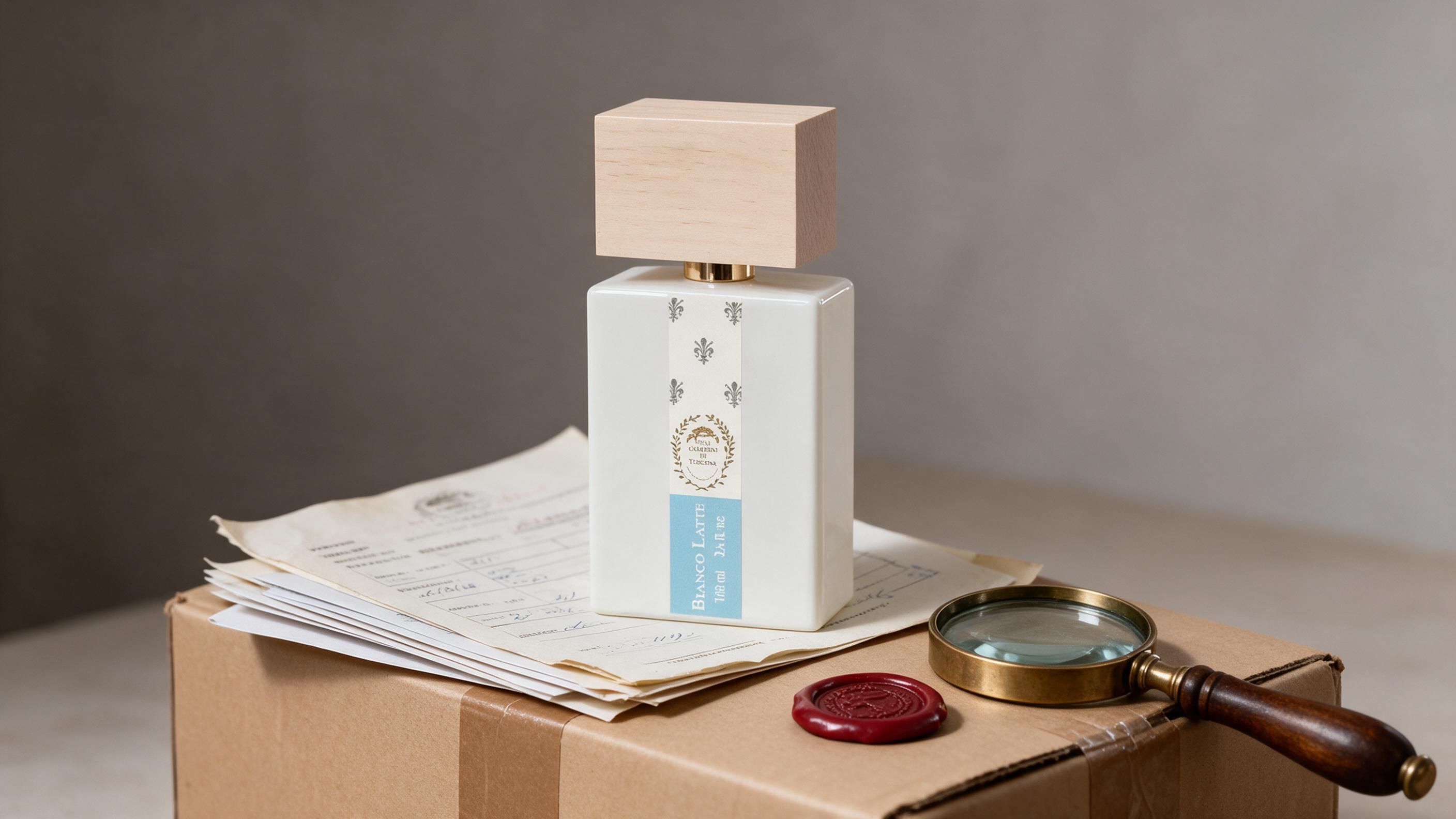
The single biggest risk in wholesale fragrance buying is not price, it is authenticity, and NYC's size as a market means buyers need a clear vetting process.
Authenticity, Licensing, and Documentation
A trustworthy wholesale supplier should be able to explain where their inventory originates, whether through direct brand authorization, licensed distribution agreements, or verified import channels, and should provide documentation that supports those claims on request. Retailers reselling fragrance, especially through marketplaces with brand-authenticity policies, increasingly need to show a chain of custody back to an authorized source. Before committing to a supplier relationship, ask for business registration details, import records or customs documentation where relevant, and references from other retail or distribution accounts that have ordered recurring volume.
Red Flags to Avoid When Vetting Suppliers
Certain patterns should raise immediate concern during supplier evaluation. Prices that sit dramatically below what any legitimate distributor could offer, given standard import duties and brand licensing costs, often signal counterfeit or diverted gray-market goods. Suppliers who refuse to provide a formal invoice, will not share a business address, or pressure buyers into wire transfers without a written agreement are showing classic signs of an unreliable or fraudulent operation. A legitimate wholesale perfume supplier expects scrutiny from B2B buyers and should welcome questions about sourcing, because repeat business depends on retailers trusting the product they are reselling.
Understanding Margins, Pricing Structures, and Profitability
Profitability in wholesale fragrance retailing depends less on finding the single cheapest unit price and more on how a buyer structures their overall purchasing strategy. Suppliers commonly offer tiered pricing, where the per-unit cost drops as order volume increases, which rewards retailers who can commit to larger purchase orders or recurring restocks. Buyers should also factor in costs that are easy to overlook during initial negotiations, including inbound freight, any applicable duties, storage, and the capital tied up in inventory that has not yet sold. A wholesale price that looks attractive in isolation can erode margin quickly if it requires holding slow-moving stock for months.
Diversifying across price points and product categories is one of the most reliable ways retailers protect margin over a full selling season. A catalog built entirely around one fragrance family or one bottle size leaves a retailer exposed if consumer preference shifts or a specific SKU goes out of stock with the supplier. Many successful wholesale accounts instead build a mix of designer-inspired volume sellers alongside higher-margin niche selections, balancing fast turnover against better per-unit profitability.
Case Packs and Volume Discounts
Most wholesale fragrance suppliers structure pricing around case packs rather than individual units, since packaging, handling, and freight costs are calculated per case long before they are allocated per bottle. A buyer ordering a single case of a SKU typically pays a higher per-unit rate than a buyer ordering a full pallet of the same item, and many suppliers publish or offer tiered discounts at specific case-count thresholds. Retailers planning annual purchasing should map their expected sell-through against these thresholds, since ordering just below a volume-discount tier for the sake of smaller upfront spend can mean leaving meaningful margin on the table over a full year of reorders.
Import, Customs, and Logistics for Wholesale Perfume Buyers

Fragrance is a regulated commodity for import purposes because it typically contains alcohol and sometimes falls under hazardous materials shipping rules, which affects how it can legally move through customs and via different carriers.
Shipping Within the US vs. International Import
Buyers sourcing from a domestic NYC-based wholesaler that already holds cleared inventory in the US avoid direct exposure to customs clearance, since that step was completed before the goods reached the warehouse. Buyers importing directly from overseas fragrance houses, by contrast, need to account for customs duties, import documentation, and the hazardous-materials shipping classification that alcohol-based fragrance often requires for air and some ground carriers. Working with a supplier who already manages this import process removes a significant operational burden from a retailer's own logistics team, and it is one of the practical reasons many distributors prefer to source through an established NYC-based wholesale partner rather than attempting first-time direct import themselves.
Documentation to Keep on Hand
Retailers and distributors should keep a standard documentation set for every wholesale fragrance order, both for their own inventory records and in case a marketplace, landlord, or auditor requests proof of legitimate sourcing. This typically includes the supplier's commercial invoice, a packing list matching the shipment contents, your own resale certificate or business license on file with the supplier, and any authenticity or distribution documentation the supplier has provided. Keeping this paperwork organized by purchase order, rather than only by shipment date, makes it far easier to respond quickly if a specific SKU's sourcing is ever questioned.
Building a Profitable Product Mix Across Categories and Bottle Sizes
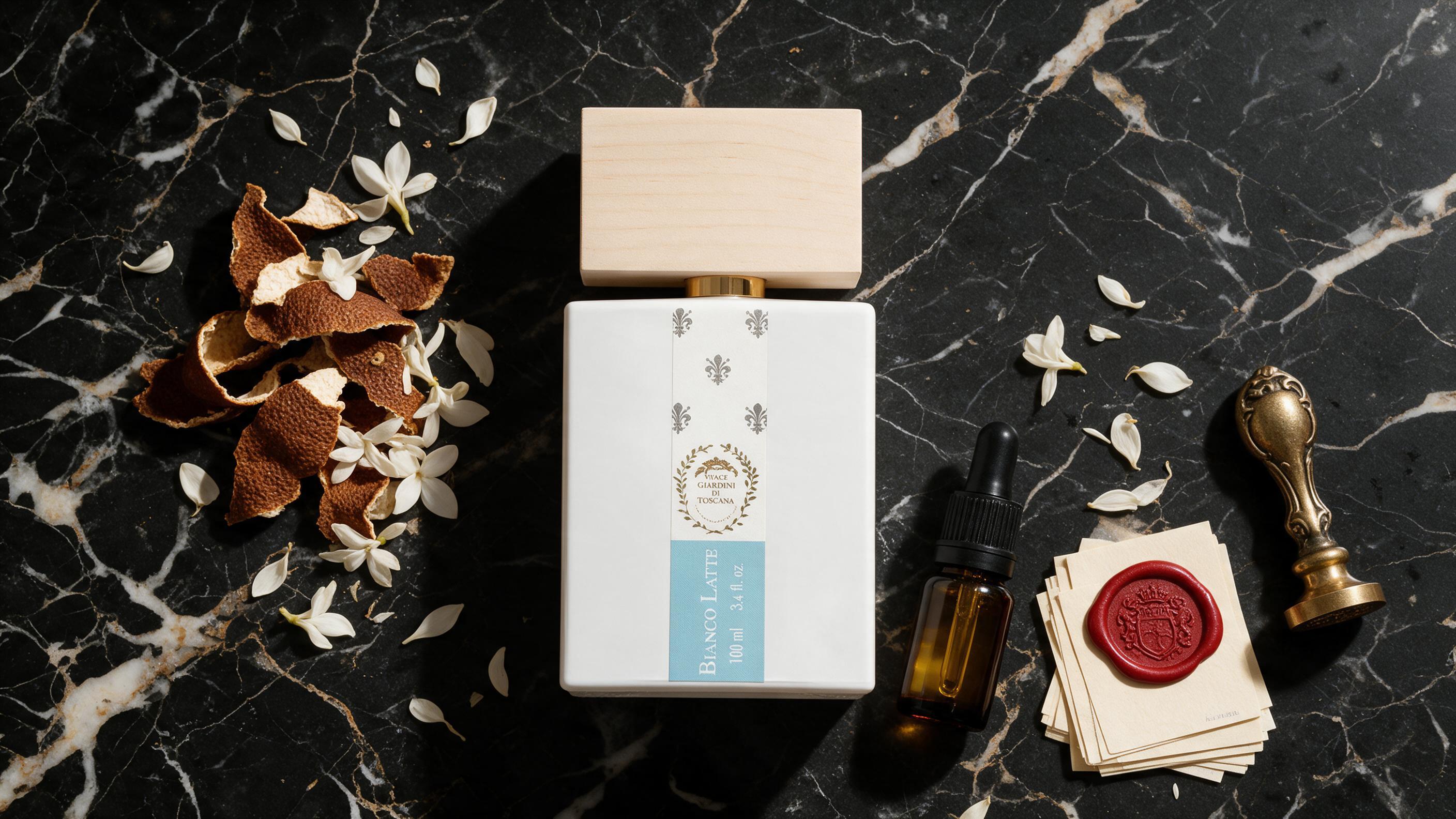
A well-balanced wholesale catalog gives retail and distribution partners room to serve multiple customer segments without constantly renegotiating supplier terms. Retailers chasing higher per-unit margins often look toward a niche perfume collection, since niche and specialty fragrance lines typically carry different positioning and price expectations than mass-market designer names, letting a buyer differentiate their shelf from competitors selling the same mainstream SKUs. Gift-focused retail windows, particularly around major holidays, also perform well with curated perfume gift sets, which bundle complementary products into a single sellable unit and tend to move efficiently during concentrated seasonal demand.
Bottle size is another lever retailers can use to manage both price point and inventory turnover. Smaller formats, such as 38ml perfume bottles, give buyers an accessible price point for gifting, travel-size demand, and impulse purchase placement near checkout, while larger 50ml perfume bottles suit core fragrance customers who are already loyal to a specific scent and want better cost-per-use value. Carrying both formats across a catalog lets a distributor serve a wider range of retail accounts, from gift shops favoring smaller units to specialty fragrance retailers whose customers prefer full-size bottles.
Working With an Established Wholesale Partner
For retailers, distributors, and importers evaluating where to place recurring orders, the strongest long-term partnerships come from suppliers who treat the relationship as ongoing rather than transactional. Beyazit Parfum works with B2B buyers across designer-inspired and niche fragrance categories, supporting retail and distribution accounts that need consistent case availability, documented sourcing, and a catalog broad enough to cover multiple price tiers and bottle sizes within a single purchase order. Buyers evaluating a new supplier relationship should treat the first order as a trial of responsiveness, documentation, and fulfillment accuracy before scaling to larger recurring volume, since those early signals typically predict how the relationship will perform once order sizes grow.
Frequently Asked Questions
What is considered a minimum order for wholesale perfume in NYC?
Minimum order requirements vary significantly by supplier and are usually expressed as a case quantity, a unit count per SKU, or a minimum order value, so retailers should request this figure directly from any prospective supplier rather than assuming a standard across the market.
How can a retailer confirm a wholesale perfume supplier is legitimate?
Ask for business registration information, documentation supporting the authenticity and sourcing of inventory, and references from other retail or distribution accounts, and treat unusually low pricing or refusal to provide invoices as warning signs.
Do wholesale perfume buyers in NYC need to handle customs themselves?
Only if importing directly from an overseas brand or manufacturer, since domestic suppliers who already hold cleared inventory in US warehouses have completed that process before the goods reach a buyer.
Is it better to stock one bottle size or multiple sizes for resale?
Carrying multiple formats generally serves a wider range of retail customers, since smaller bottles support gifting and impulse purchases while larger bottles appeal to loyal fragrance customers seeking better cost-per-use value.