What "Wholesale Perfume" Really Means for B2B Buyers
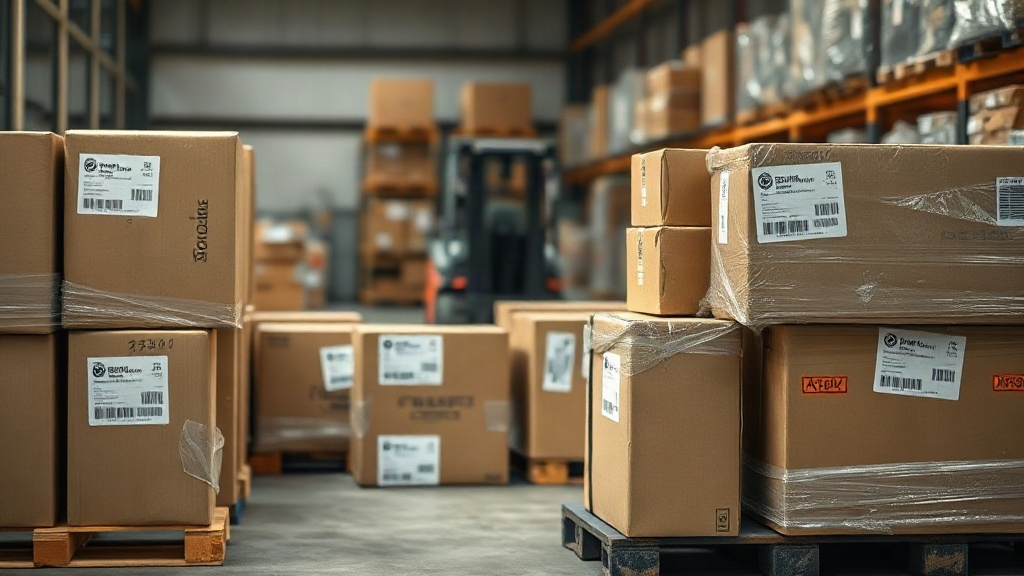
Wholesale perfume refers to purchasing fragrances in bulk, directly from a manufacturer or authorized distributor, at volume-based terms rather than single-unit retail pricing. For retailers, distributors, and importers, this means placing larger orders — often by the carton or pallet — in exchange for better unit economics, consistent stock availability, and a direct relationship with the supply source rather than a middleman reseller.
Unlike a single-item retail purchase, a wholesale perfume order is structured around a commercial agreement: minimum order quantities, agreed packaging, lead times, and sometimes exclusivity terms for a specific market or region. Understanding how this process works — and what to look for in a supplier — is the first step toward building a profitable fragrance assortment.
Özet
- Wholesale perfume buying means sourcing fragrances in bulk directly from a manufacturer, at volume pricing tied to minimum order quantities rather than single-unit retail cost.
- Profit margins in this category depend on landed cost — product cost plus freight, duties, and handling — not just the headline unit price quoted by a supplier.
- Reliable suppliers are defined by consistent production capacity, clear documentation for customs clearance, and transparent communication about lead times and order status.
- A diversified assortment — spanning niche fragrances, gift sets, and multiple bottle sizes — helps retailers serve different shelf price points and customer segments.
How Wholesale Perfume Sourcing Works in Practice
For a retail buyer, distributor, or importer, the wholesale sourcing process generally follows a predictable sequence. First comes supplier discovery and vetting, where a buyer evaluates a manufacturer's catalog, production capabilities, and trade references. Next is sample review — requesting physical samples to assess scent quality, bottle finish, and packaging before committing to a production run. Only after this stage does a buyer typically move to quoting, where pricing is discussed against specific quantities, packaging configurations, and shipping terms.
Once terms are agreed, a purchase order is issued, production or allocation from existing stock begins, and the supplier coordinates shipping documentation for export. Throughout this cycle, communication matters as much as price: a supplier who is slow to confirm order status or vague about production timelines introduces risk into a retailer's own inventory planning and customer commitments.
Many B2B buyers also start with a smaller trial order before scaling to larger volumes. This lets a retailer test sell-through on a limited batch, confirm that the supplier's quality is consistent across a full shipment (not just the sample), and validate the entire logistics chain — from factory to warehouse — before locking in a recurring purchasing schedule.
Minimum Order Quantities: Planning Your First Wholesale Order
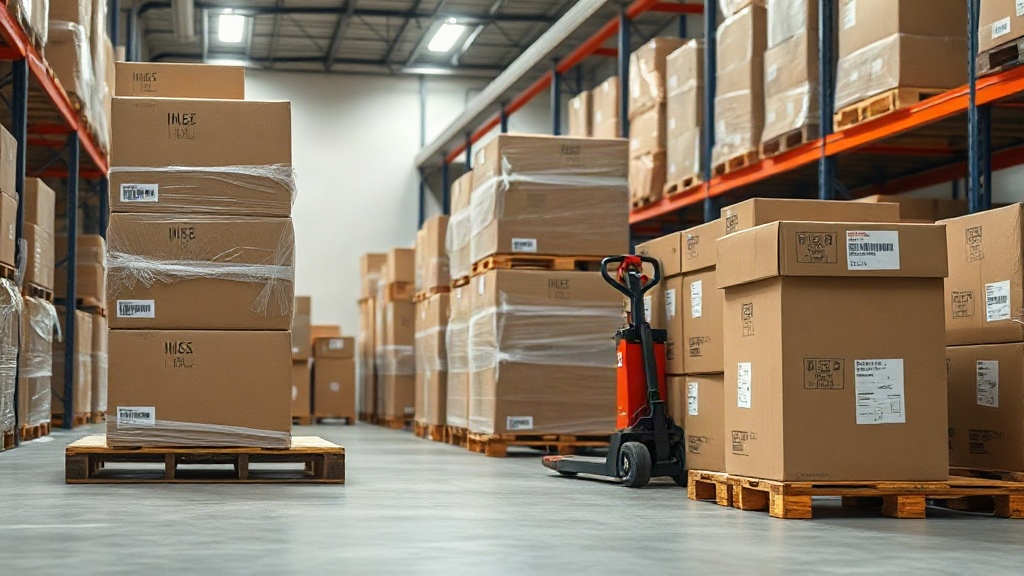
Minimum order quantity, or MOQ, is one of the first practical constraints a new wholesale buyer encounters. MOQs exist because manufacturers need production runs and packaging batches to be economically viable — filling, labeling, and boxing a handful of units is rarely efficient on an industrial production line. For a retailer or distributor evaluating a new supplier, understanding the MOQ structure is essential before any pricing conversation makes sense.
MOQs are not always expressed as a single number. A supplier might set a minimum per fragrance variant, per carton, or as a total order value across an assorted selection. This flexibility matters for retailers who want to test multiple scents or formats rather than committing to a single SKU in bulk. When evaluating a new supplier, it is worth asking directly whether the MOQ can be met with a mixed assortment — for example, combining different fragrance families, or blending bottle sizes such as a 38ml perfume format with a larger 50ml perfume option — rather than forcing a single-item bulk purchase.
Buyers planning their first order should also factor in how MOQ interacts with storage capacity and expected sell-through rate. Ordering well above realistic demand to "unlock" a better unit rate can tie up working capital and warehouse space longer than planned, particularly for a new retail account still building sales history with a given fragrance line.
Understanding Profit Margins in Wholesale Perfume Distribution
Margin planning in wholesale perfume distribution starts with a simple but often overlooked principle: the quoted unit price from a supplier is not the true cost of the product sitting on a shelf. The real figure that matters for margin calculation is landed cost — the wholesale unit price plus freight, insurance, import duties, customs clearance fees, and any domestic handling or storage costs incurred before the product reaches a point of sale.
Retailers and distributors who calculate margin based solely on the factory-gate or FOB price frequently find their actual profitability lower than projected once a shipment clears customs. This is particularly relevant for cross-border wholesale purchases, where duty rates, VAT, and clearance agent fees can vary significantly depending on the destination country and the product's customs classification.
Factors That Influence Wholesale Margin
Several variables shape the margin a retailer or distributor can realistically expect: order volume and the corresponding unit price tier, payment terms (upfront versus staged payments can affect cash flow and financing cost), shipping method (air freight is faster but more expensive per unit than sea freight for bulk orders), and how quickly inventory turns over once it reaches a retail or distribution point. A fragrance line that sells through quickly ties up less capital and reduces the carrying cost embedded in the effective margin.
Because these variables compound, experienced B2B buyers typically build a landed-cost model before finalizing a purchase order, rather than relying on a single quoted price to estimate profitability. This discipline becomes especially important when comparing offers from multiple suppliers, since a lower unit price from one supplier can be offset by higher freight costs, a larger MOQ, or less favorable payment terms.
Supply Chain, Logistics, and Customs Considerations for Importers

For importers and distributors bringing wholesale perfume across borders, logistics and customs planning deserve as much attention as product selection. Fragrance products typically fall under specific customs classifications and may be subject to regulations related to flammable liquids, given that most perfumes are alcohol-based. This affects which freight carriers can handle a shipment, how it must be packaged and labeled for transport, and what documentation is required at the border.
A reliable wholesale supplier should be able to provide complete and accurate export documentation — commercial invoices, packing lists, certificates of origin, and safety data sheets where applicable — without requiring the buyer to chase down missing paperwork after a shipment has already left the warehouse. Incomplete documentation is one of the most common causes of customs delays, which can disrupt a retailer's inventory planning and, in seasonal categories like fragrance, cause a shipment to miss its intended selling window entirely.
Choosing Between Air and Sea Freight
Air freight is generally faster and better suited to smaller, time-sensitive orders or initial trial shipments, while sea freight offers lower per-unit shipping costs for larger, planned volume orders. Distributors managing recurring purchase cycles often use a combination: air freight for urgent restocks or new product launches, and sea freight for bulk replenishment ordered well in advance of anticipated demand.
Working with a freight forwarder experienced in handling alcohol-based cosmetic products can also reduce friction, since these shipments sometimes require specific handling classifications that a generalist logistics provider may not be familiar with.
How to Choose a Reliable Wholesale Perfume Supplier

Supplier reliability is the single factor that most affects a wholesale buyer's long-term success in the fragrance category. Unlike a one-off purchase, a wholesale relationship is ongoing, and a supplier's consistency directly shapes a retailer's ability to keep shelves stocked and commitments to its own customers reliable.
When evaluating a prospective supplier, B2B buyers should look beyond the catalog and price list to assess several operational indicators: how clearly the supplier communicates about production timelines and potential delays, whether sample quality matches what is delivered in bulk production runs, how the company handles quality control across a fragrance range, and whether their export documentation process is organized and complete. A supplier that is transparent about capacity constraints — rather than overpromising on lead times — is generally a safer long-term partner than one that agrees to every request without qualification.
Questions Worth Asking Before Placing a First Order
Before committing to a new supplier relationship, it is worth clarifying: What is the standard production lead time, and how does it change during high-demand periods? Can the MOQ be met with a mixed product assortment rather than a single SKU? What quality control steps are applied before a shipment leaves the facility? And what happens, procedurally, if a shipment arrives with a discrepancy versus the purchase order? Suppliers with clear, confident answers to these questions tend to be the ones that perform reliably once an order is placed.
Trade credibility also matters. A supplier with an established export history, verifiable business registration, and a track record of serving international retail and distribution partners offers more assurance than one without a documented trading history, particularly for buyers placing a first order at meaningful volume.
Building a Wholesale Assortment: Categories Worth Stocking
A well-rounded wholesale fragrance assortment typically spans more than a single product type, since retail and distribution customers have different price points, gifting needs, and brand preferences. Retailers sourcing wholesale perfume often diversify across a few core categories to serve a broader customer base and smooth out seasonal demand fluctuations.
Niche and distinctive fragrances appeal to customers seeking something beyond mainstream mass-market scents, and can command stronger loyalty once a shelf has established a reputation for a curated selection; exploring a niche perfumes range is a common way for retailers to differentiate their offering from competitors carrying only standard commercial lines. Gift-oriented formats, such as a perfume set, are particularly valuable for distributors and retailers serving seasonal gifting periods, since bundled formats often move faster during holiday and promotional windows than single bottles. Multiple bottle sizes also matter for assortment planning — smaller formats support lower price-point entry purchases and trial-size retail strategies, while larger sizes serve customers who have already committed to a fragrance and are restocking a favorite.
Balancing these categories within a single wholesale order can also help a retailer meet a supplier's MOQ more efficiently, since an assorted purchase order spreads the minimum quantity requirement across several product lines rather than concentrating risk in a single scent that may or may not perform well with the retailer's specific customer base.
Building a Long-Term Wholesale Partnership
The most successful wholesale relationships in the fragrance trade tend to move beyond transactional, order-by-order purchasing toward a structured, recurring partnership. This typically involves agreeing on a forecasted purchasing cadence, establishing consistent payment terms, and maintaining open communication about upcoming product launches or formulation changes that could affect existing retail listings.
For distributors and importers, a long-term relationship with a dependable manufacturer also creates room for negotiation on pricing tiers as order volume grows, priority allocation during periods of high demand, and earlier access to new fragrance releases before they are offered more broadly. These benefits compound over time and are rarely available to buyers who source opportunistically from a different supplier with each order.
Ultimately, treating a wholesale perfume supplier as a strategic partner — rather than a one-time vendor — tends to produce better outcomes for retailers and distributors alike: steadier supply, more predictable margins, and a stronger foundation for scaling a fragrance category within a broader retail or distribution business.
Frequently Asked Questions
What is the typical minimum order quantity for wholesale perfume?
Minimum order quantities vary by supplier and are often structured per fragrance variant, per carton, or as a total order value across an assortment. Many suppliers allow the MOQ to be met with a mixed selection of scents or bottle sizes rather than requiring bulk purchase of a single SKU, which makes it easier for new retail buyers to build a diversified first order.
How should a retailer calculate real profit margin on wholesale perfume?
Margin should be calculated using landed cost rather than the quoted unit price alone. This means adding freight, insurance, import duties, customs clearance fees, and domestic handling costs to the supplier's unit price before comparing it against the intended resale level, since these additional costs can meaningfully change the actual margin achieved.
What documentation is needed to import wholesale perfume?
Standard export documentation typically includes a commercial invoice, packing list, certificate of origin, and, because most perfumes are alcohol-based, documentation related to the product's classification as a flammable liquid for freight and customs purposes. A reliable supplier should provide this documentation proactively rather than requiring the buyer to request it after shipment.
How can a buyer verify that a wholesale perfume supplier is reliable?
Useful indicators include clear and consistent communication about production lead times, sample quality that matches bulk production output, an organized export documentation process, and a verifiable trading history with other international retail or distribution partners. Starting with a smaller trial order before committing to larger volumes is also a practical way to validate reliability firsthand.