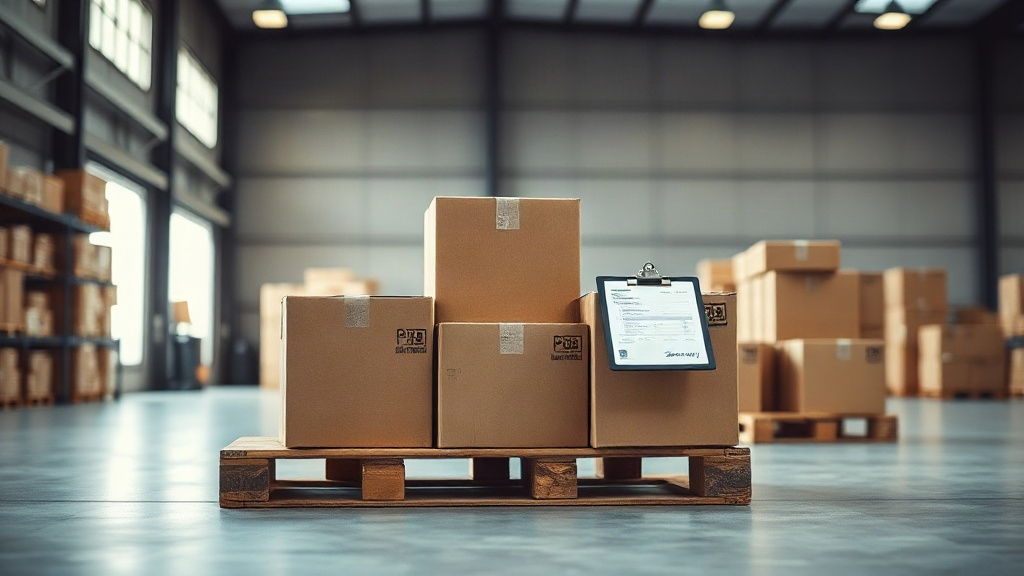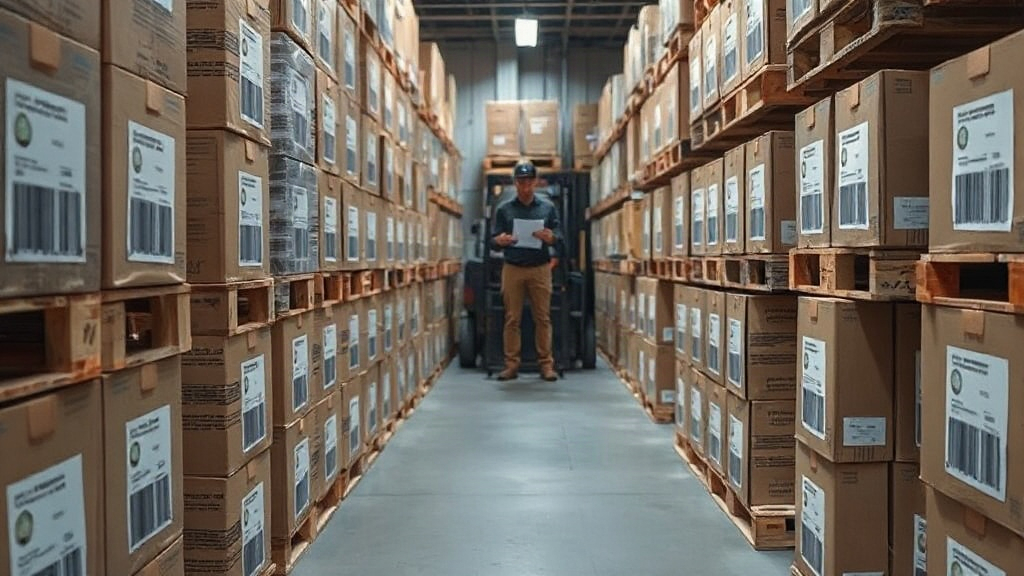
Wholesale perfume fragrance refers to purchasing branded and niche fragrances directly from an authorized distributor or manufacturer in bulk quantities, at prices and terms structured for resale rather than single-unit consumption. For retailers, distributors, and importers, sourcing wholesale perfume fragrance means lower per-unit costs at volume, dependable stock availability, and access to a curated catalog of eau de parfum and eau de toilette lines suited for shelf, e-commerce, or gifting channels. The process generally involves selecting a verified supplier, meeting a minimum order quantity, agreeing on payment and shipping terms, and managing documentation and customs clearance for cross-border delivery.
Summary
- Wholesale perfume fragrance buying means sourcing fragrances in bulk from verified suppliers at B2B pricing structured for resale, not single-bottle retail purchase.
- Minimum order quantities, supplier verification, and clear payment and shipping terms are the three pillars of a dependable wholesale fragrance supply process.
- Profit margins for wholesale buyers depend on sourcing cost, freight, import duties, storage, and the sales channel chosen for resale.
- Reliable suppliers provide authenticity documentation, consistent batch quality, and flexible order sizes across concentrations and bottle volumes.
What "Wholesale Perfume Fragrance" Means for B2B Buyers
In a business-to-business context, wholesale perfume fragrance is not simply "buying a lot of perfume." It describes a structured commercial relationship between a buyer and a supplier where pricing, packaging, documentation, and delivery are all configured for resale rather than personal use. A wholesale buyer is typically a retail shop owner, an online marketplace seller, a regional distributor, an importer serving a specific country or region, or a hospitality or gifting business that needs a steady supply of fragrance products under one account.
Unlike a single retail purchase, a wholesale relationship usually spans multiple orders over time. The supplier expects the buyer to commit to a minimum order quantity per purchase or per product line, and in exchange the buyer gains access to trade pricing, batch consistency, and a catalog that can include designer-inspired compositions, niche and artisanal lines, and curated gift sets. Understanding this distinction matters before reaching out to any supplier, because it shapes the questions a buyer should ask: not how much does one bottle cost, but what is the order structure, the lead time, and the documentation that comes with a bulk purchase.
For companies exploring the category for the first time, it also helps to think in terms of catalog breadth. A dependable wholesale fragrance partner will typically offer more than a single product line, spanning different olfactory families, concentrations, and price tiers so that a retailer can build a balanced assortment rather than depending on one bestseller.
Why Retailers and Distributors Source Fragrance Wholesale
The core motivation for sourcing wholesale perfume fragrance is straightforward: buying in volume from a single accountable supplier reduces the cost and complexity of stocking a fragrance assortment compared to purchasing piecemeal from multiple retail channels. Beyond unit economics, there are several operational reasons B2B buyers favor a wholesale supply model.
Consistency of supply. A retailer that sells fragrance year-round needs predictable restocking, especially around gifting seasons when demand for perfume spikes. A wholesale account with agreed lead times removes the guesswork of last-minute sourcing. Catalog depth. Wholesale suppliers with a wide product range let a buyer diversify an assortment across niche and designer-inspired fragrances, various bottle sizes, and curated sets, which helps a retailer serve different customer budgets without opening accounts with dozens of separate vendors. Bundling and merchandising flexibility. Many wholesale suppliers offer fragrance sets designed for gifting, allowing a distributor to merchandise a higher-value bundle rather than only single bottles. Private label and regional positioning. Some importers use a wholesale relationship to build a private assortment tailored to their local market's scent preferences and price expectations.
Taken together, these advantages explain why sourcing wholesale perfume fragrance is the standard model for any business planning to resell fragrance at scale, rather than relying on retail purchases that offer no trade pricing, no supply guarantees, and no documentation trail for resale.
Minimum Order Quantities and the Wholesale Supply Process
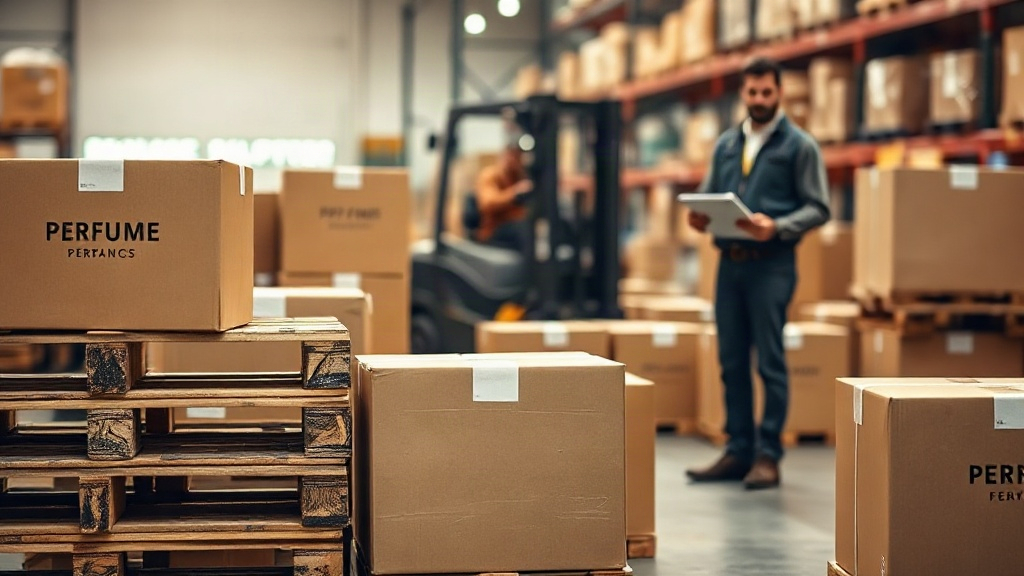
Every wholesale fragrance relationship is anchored around a minimum order quantity, commonly referred to as an MOQ. The MOQ is the smallest order size a supplier will accept, and it can be defined per product, per product line, or as a combined order value across a mixed selection. MOQs exist because production, packaging, and export documentation carry fixed costs that only make commercial sense above a certain volume threshold.
The supply process itself tends to follow a predictable sequence. It begins with an inquiry, where the buyer shares the target market, expected order volume, and preferred product categories. The supplier then shares a catalog or price list along with applicable MOQs. Many buyers request samples at this stage to evaluate scent quality, packaging, and presentation before committing to a bulk order. Once terms are agreed, the buyer issues a purchase order, and the supplier confirms production or pick-and-pack timelines, quality control checks, and an estimated shipment date. Finally, the order is packed for export, documentation is prepared, and the shipment is dispatched according to the agreed delivery terms.
For new B2B buyers, it is worth asking whether MOQs can be met with a mixed assortment rather than a single fragrance, since this flexibility makes it far easier to test a new supplier relationship without overcommitting to one product. It is also worth clarifying whether the MOQ scales down after an initial order, since many suppliers reward repeat buyers with lower thresholds and improved terms once a track record of reliable purchasing is established.
Understanding Profit Margins in Wholesale Perfume
Profit margin in the wholesale fragrance trade is shaped by more than the purchase price alone, and B2B buyers benefit from mapping out the full cost structure before setting resale strategy. The landed cost of a wholesale order includes the unit price agreed with the supplier, international freight, insurance, import duties and any applicable taxes, and the cost of warehousing until the goods reach the point of sale. Only after accounting for all of these components can a distributor calculate a realistic margin on the eventual resale price.
Channel choice also affects margin. Goods sold through a company's own retail storefront or website typically retain more margin than goods placed through a third-party marketplace or wholesale-to-wholesale arrangement, since marketplace and platform fees reduce the net return per unit. Bundling strategies, such as reselling curated fragrance sets rather than single bottles, can also improve average order value and margin per transaction, since a set is often perceived as higher value by the end customer while requiring proportionally less additional handling from the reseller.
Buyers should also factor in the cost of maintaining inventory. Fragrance products generally have a long shelf life compared to many other consumer goods, but capital tied up in stock still carries an opportunity cost. A disciplined approach to ordering, matched to actual sell-through data and seasonal demand patterns, protects margin far more effectively than simply chasing the lowest unit price from a supplier. In short, sustainable margin in wholesale perfume comes from the full picture of sourcing cost, logistics, channel economics, and inventory discipline, not from unit price alone.
Logistics, Shipping and Customs for International Wholesale Orders
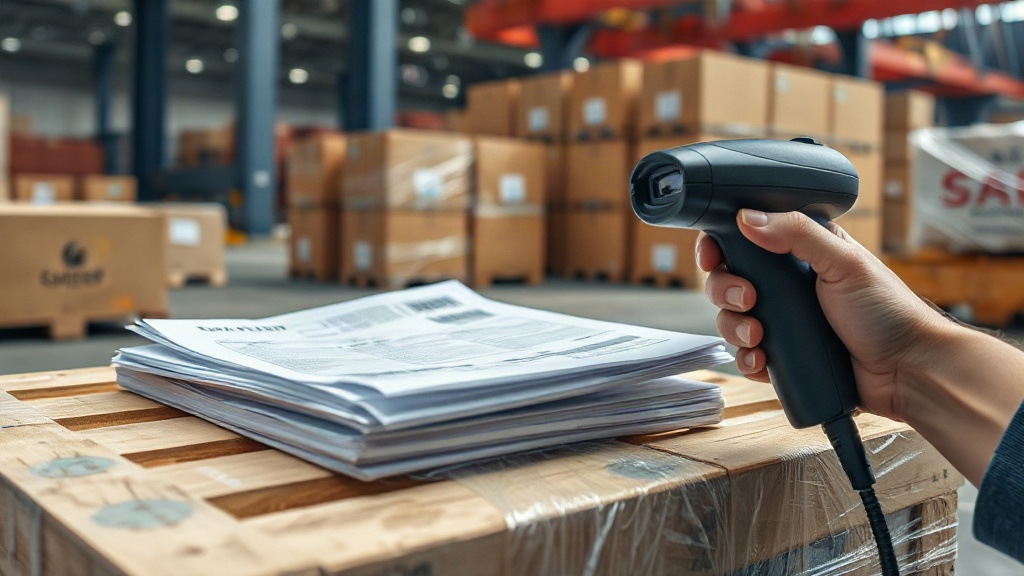
Because finished fragrances are alcohol-based, international shipments are typically classified as dangerous goods for transport purposes, which affects how they can be packaged, labeled, and carried. B2B buyers should expect their supplier to provide a Safety Data Sheet and the correct hazard classification documentation alongside the standard commercial invoice and packing list, since freight forwarders and customs authorities require this paperwork to process the shipment correctly.
Two freight options dominate wholesale fragrance logistics: sea freight, which is more economical for large volume orders but slower, and air freight, which costs more but suits smaller or time-sensitive orders such as restocking ahead of a peak season. The right choice depends on order size, budget, and how urgently the buyer needs the stock on shelf.
Incoterms define who is responsible for which stage of the journey and where the risk transfers from seller to buyer. Common terms in this trade include EXW, where the buyer arranges pickup from the supplier's facility; FOB, where the supplier handles export formalities and loading onto the vessel or aircraft; and CIF, where the supplier also covers freight and insurance to the destination port. Clarifying Incoterms in advance avoids disputes over unexpected costs once the shipment is already in transit.
On the customs side, import duties, VAT, and any fragrance- or cosmetics-specific regulations vary significantly by destination country, and some markets require product registration or labeling in the local language before goods can be sold. Working with an experienced customs broker, and confirming with the supplier that all required certificates of origin and compliance documents will be provided, prevents shipments from being held at the border and helps a distributor plan realistic delivery timelines for retail partners.
How to Vet and Choose a Reliable Wholesale Fragrance Supplier
Choosing the right wholesale partner is the single decision that most affects long-term success in this category, since a supplier failure mid-season can leave a retailer without stock during peak demand. A structured vetting process should look at several dimensions before any purchase order is placed.
Authenticity and quality assurance come first. A credible supplier should be able to explain their sourcing and manufacturing process and provide consistent batch quality across repeat orders, so that a customer buying the same fragrance twice receives the same experience. Documentation is closely related: ask whether the supplier can provide the export paperwork, safety data sheets, and any compliance certificates required for the destination market.
Catalog breadth and flexibility matter next. A supplier offering a wide range of concentrations, bottle sizes, and both designer-inspired and niche fragrance lines gives a buyer more room to build a differentiated assortment and to test new products without switching suppliers. Order flexibility, including the ability to mix products within a single MOQ and the availability of samples before a full commitment, reduces risk for a buyer entering a new market segment.
Responsiveness and communication are practical but important signals. A supplier that answers inquiries promptly, provides clear quotations, and communicates proactively about production or shipping delays is far easier to build a long-term relationship with than one that goes quiet between orders. Finally, payment terms and export experience round out the checklist: an established wholesale partner with a track record of shipping internationally will typically offer clearer terms, more predictable timelines, and fewer surprises at customs than a supplier new to cross-border trade.
Exploring Beyazit Parfum's Wholesale Product Range
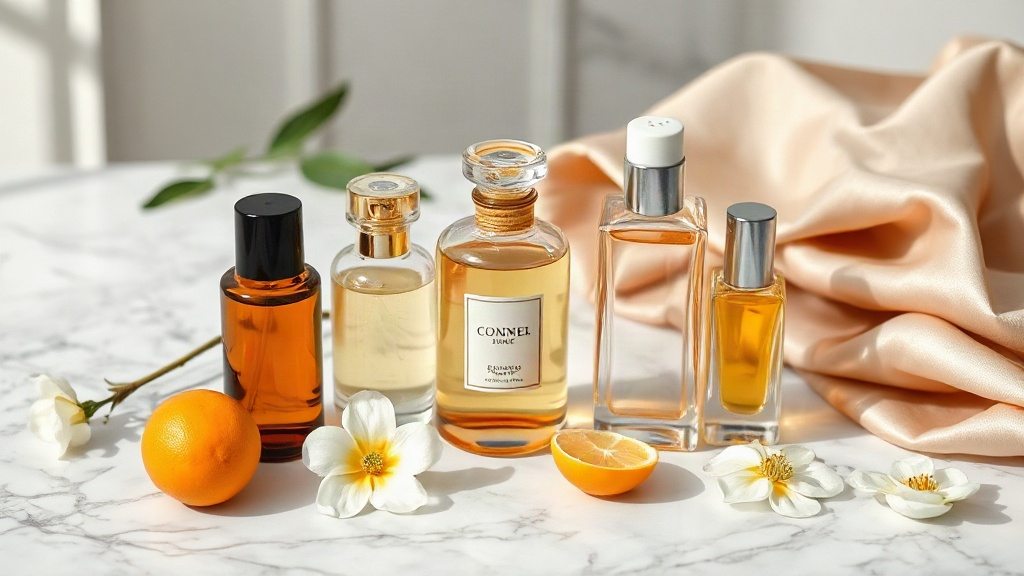
A well-structured wholesale catalog should give a B2B buyer room to build an assortment rather than a single product. For buyers researching wholesale perfume fragrance sourcing, it helps to look at how a supplier organizes its range across style, format, and price positioning.
On the style side, buyers often want to offer their customers both familiar, designer-inspired compositions and something more distinctive. A dedicated niche perfume collection gives a retailer or distributor a way to differentiate their assortment from mass-market competitors and to appeal to customers seeking a more exclusive scent profile.
Format and bottle size also shape how a wholesale buyer positions products for resale. Smaller formats such as 38ml perfume bottles work well for travel-sized retail offers, sampling programs, or lower entry-price shelf placements, while 50ml perfume bottles suit buyers targeting a standard full-size retail segment. Having both formats available from a single supplier makes it easier to build a tiered assortment without splitting orders across multiple vendors.
Finally, gifting and bundling remain one of the strongest sales drivers in fragrance retail, particularly around holiday and seasonal periods. Sourcing ready-made perfume sets as part of a wholesale order gives distributors a higher-perceived-value item to merchandise alongside single bottles, without requiring any additional packaging work on the buyer's side. Reviewing a supplier's full catalog across these three dimensions, style, format, and bundling, is a practical way to plan a wholesale order that serves more than one customer segment at once.
Frequently Asked Questions
What is the minimum order quantity for wholesale perfume fragrance?
Minimum order quantities vary by supplier and by product line, and many suppliers allow the MOQ to be met with a mixed selection of fragrances rather than a single product. It is best to confirm the exact MOQ, and whether it can be split across a mixed assortment, directly with the supplier before placing a first order.
Are wholesale perfumes authentic and legally sourced?
A reliable wholesale supplier should be able to explain their sourcing and production process and provide consistent batch quality across orders. B2B buyers should request documentation and clarify authenticity practices as part of the supplier vetting process before committing to a purchase order.
How long does international shipping take for bulk perfume orders?
Shipping timelines depend on the freight method chosen, with sea freight generally taking longer but costing less for large volumes, and air freight being faster but better suited to smaller or urgent restocking orders. Actual transit time also depends on the origin and destination countries and on customs clearance procedures at the border.
Can I order mixed fragrance sets in a single wholesale purchase?
Yes, most wholesale fragrance suppliers with a varied catalog allow buyers to combine single bottles, different sizes, and pre-assembled gift sets within one purchase order, as long as the combined order meets the overall minimum order quantity. This flexibility helps distributors build a balanced assortment without opening multiple supplier accounts.