Wholesale perfume refers to buying fragrances in bulk, tester, or case-pack quantities directly from a supplier or distributor at trade pricing rather than single-unit retail pricing. For retailers, distributors, and importers, it means working with a vendor that can support minimum order quantities, provide consistent stock of designer and niche lines, and handle documentation for cross-border shipping. The right wholesale partner turns fragrance into a repeatable, margin-friendly category rather than a one-off purchase.
Summary
- Wholesale perfume buying is built around minimum order quantities (MOQs), tiered case pricing, and consistent access to tester and full-size stock.
- Retailers and distributors should evaluate suppliers on authenticity guarantees, documentation, and fulfillment reliability — not on price alone.
- Margin planning depends on landed cost: unit price plus freight, insurance, and customs duties, not the wholesale invoice figure alone.
- Starting with tester-format bottles from recognizable designer and niche houses is a common way for new buyers to test demand before committing to larger case orders.
What Does "Wholesale Perfume" Mean for B2B Buyers?
In a B2B context, wholesale perfume is not simply buying a large number of bottles. It is a supply relationship: a business buyer places recurring or case-based orders with a supplier that holds inventory, documentation, and logistics capability at scale. The buyer — a retail shop, an online reseller, a regional distributor, or an importer bringing stock into a new market — is purchasing at a trade rate that reflects volume, not the per-bottle price a walk-in consumer would pay.
This distinction matters because sourcing decisions in wholesale perfume are driven by different variables than consumer shopping. A consumer compares scent notes and price. A business buyer compares supplier reliability, batch consistency, minimum order thresholds, packaging condition for resale, and how a supplier documents the authenticity and origin of each unit. Getting these fundamentals right is what allows a buyer to move from a single test order to a dependable, repeatable line item in their own catalog.
Minimum Order Quantities and Wholesale Pricing Tiers
Almost every wholesale perfume supplier structures pricing around minimum order quantities (MOQs) and volume tiers. Instead of a flat per-bottle price, buyers typically see pricing that improves as order size increases — by case, by carton, or by total order value. Understanding this structure before requesting a quote helps a buyer negotiate from an informed position.
Typical Tiering Logic
Suppliers commonly organize wholesale pricing around a few recurring factors:
- Order volume: larger case-pack commitments generally unlock better per-unit rates.
- Format: tester units (plain packaging, without the outer gift box or cellophane wrap) are often priced differently from retail-boxed units, since they are positioned for resale at a lower shelf price point.
- Product mix: a buyer combining several SKUs — designer and niche, EDP and EDT — into one order may reach a volume threshold faster than ordering a single fragrance repeatedly.
- Repeat commitment: buyers who set up recurring restocking cycles are frequently offered more favorable terms than one-time purchasers.
Rather than asking a supplier for the wholesale price, a more productive question is what the MOQ tiers are and how pricing changes between them. This gives a buyer a full picture instead of a single number that may not reflect their actual order size.
Sourcing Process: From Tester Units to Full Case Orders
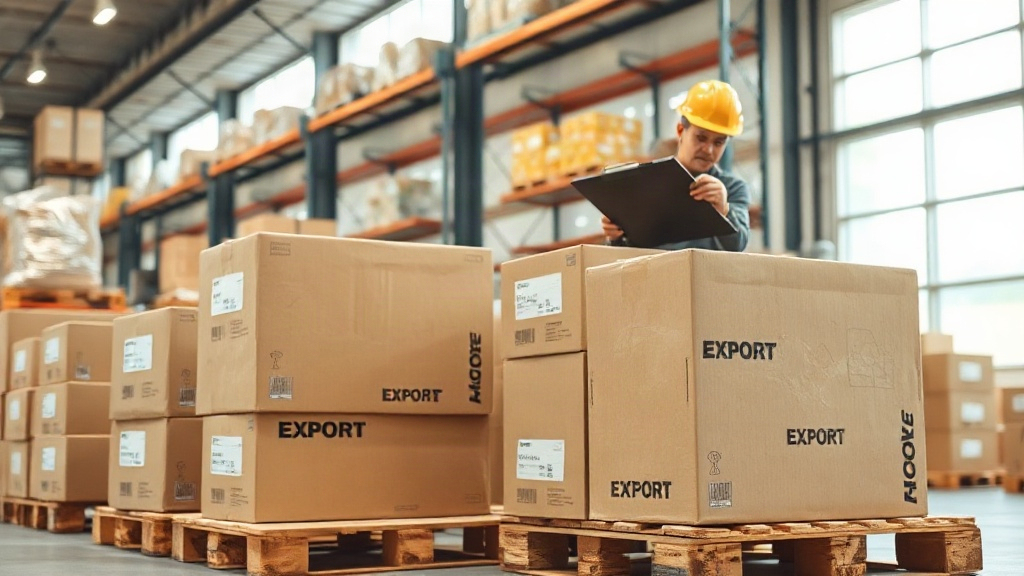
A structured sourcing process protects margin and reduces the risk of dead stock. Most experienced buyers move through a few consistent stages before scaling an order.
1. Request Samples or Tester-Format Units
Tester bottles — full-size fragrance in simplified packaging — are a practical way to validate a fragrance's performance, sillage, and shelf appeal before committing to a large case order. Because tester units are typically priced below fully boxed retail sets, they also let a buyer trial a new SKU with lower upfront risk.
2. Confirm Documentation and Authenticity
Before scaling any order, a buyer should confirm batch or lot information and ask how the supplier sources its stock. This is especially important for designer and niche fragrance houses, where counterfeit product can circulate in lower tiers of the supply chain. A supplier that can speak clearly to sourcing and provide consistent batch documentation is a stronger long-term partner than one offering only a low headline price.
3. Scale to Case-Pack Ordering
Once a fragrance has proven sell-through — whether in a physical store, an online storefront, or through a distributor network — buyers typically move to case-pack or carton-level ordering to reach better pricing tiers and reduce per-unit freight cost.
4. Set a Restocking Cadence
Recurring orders on a fixed cycle, whether monthly or quarterly depending on sell-through velocity, reduce the administrative overhead of renegotiating terms each time and often improve a buyer's standing with the supplier.
Profit Margins and Retail Positioning for Wholesale Perfume
Margin planning in wholesale perfume starts with landed cost, not the wholesale invoice price. Landed cost includes the unit purchase price plus freight, insurance, any import duties, and handling — the true cost of getting a unit onto a shelf or into a fulfillment center. Buyers who price their resale purely off the supplier invoice frequently underestimate their true cost of goods and compress their own margin without realizing it.
Beyond landed cost, positioning matters. Tester-format units are generally positioned as a value entry point for price-sensitive shoppers, while fully boxed retail sets support a premium shelf presentation. A buyer building a balanced catalog often stocks both formats of a given fragrance: testers to capture volume and boxed sets to capture buyers who want a gift-ready presentation. Mixing designer staples with a smaller number of niche or specialty fragrances can also help a retailer differentiate from competitors who only stock the most common designer names.
Avoiding Common Margin Mistakes
- Ordering a wide catalog of low-volume SKUs instead of concentrating budget on fragrances with proven sell-through.
- Ignoring freight and customs cost when comparing two suppliers' headline wholesale prices.
- Underestimating the working capital tied up in slow-moving inventory, which reduces the cash available for restocking fast sellers.
Logistics, Customs, and Shipping for Bulk Perfume Orders
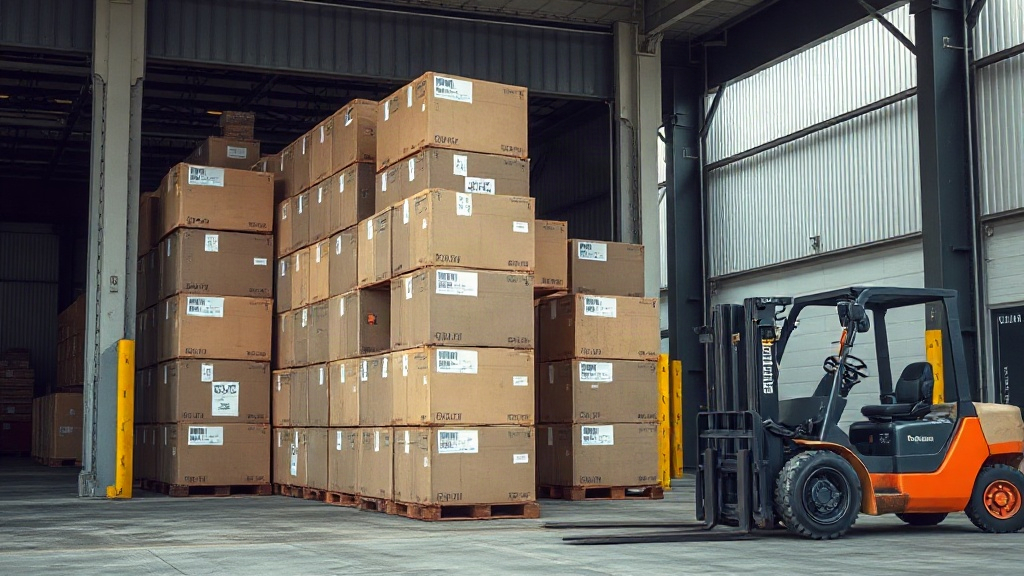
Perfume is classified as a dangerous goods item for freight purposes in most jurisdictions because of its alcohol content, which affects how it can be shipped and what documentation is required. Business buyers — particularly importers bringing stock across a border for the first time — should confirm several logistics points before finalizing an order.
Key Logistics Questions to Ask a Supplier
- Can the shipment be prepared and labeled correctly for dangerous goods (DG) air or sea freight?
- What commercial documentation, such as invoice, packing list, and certificate of origin where applicable, will accompany the shipment for customs clearance?
- What packaging standard is used to prevent breakage across multi-leg freight routes?
- What are realistic lead times from order confirmation to delivery, including customs processing at the destination port?
Import duties and taxes vary by destination market and product classification, so a buyer should confirm applicable rates with their own customs broker or authority rather than relying solely on a supplier's estimate. Building this cost into the landed-cost calculation from the outset, rather than after the shipment clears customs, keeps margin projections accurate.
How to Choose a Reliable Wholesale Perfume Supplier

Supplier selection is the single most consequential decision in wholesale perfume sourcing, since it determines product authenticity, delivery consistency, and how a buyer's own customers experience the brand. A few practical checks help separate a dependable long-term partner from a short-term, price-driven vendor.
Track Record and Transparency
A supplier that has operated in the trade for a sustained period, works with recognizable designer and niche houses, and is willing to explain its sourcing and quality-control process is generally a safer long-term partner than one offering the lowest price with limited transparency.
Range and Consistency of Stock
A supplier carrying a broad, consistently available catalog — spanning designer classics and specialty niche fragrances, in both tester and retail-boxed formats — reduces the operational burden of managing multiple vendors and helps a buyer fulfill varied customer demand from a single source.
Communication and Order Support
Responsive communication around MOQs, lead times, and documentation is a strong practical signal. A buyer placing a first order should expect clear answers on case-pack options, restock timelines, and export paperwork before committing to volume.
For buyers exploring what a well-stocked wholesale catalog looks like in practice, browsing tester-format listings such as the Kilian Intoxicated EDP 50ml Tester Parfum or the Mancera Red Tobacco EDP 120ml Tester Parfum can be a useful way to see how niche houses are positioned alongside designer stock in a single supplier's range.
Best-Selling Categories to Stock: Designer, Niche, and Tester Lines
New wholesale buyers often ask which categories to prioritize first. While demand varies by market, a few general patterns hold across most retail and distribution channels.
Designer Staples
Long-established designer fragrances tend to have the most consistent, predictable demand and the shortest learning curve for end customers, since shoppers already recognize the names. Stocking recognizable men's designer lines — such as the Jean Paul Gaultier Le Male Elixir Parfum 125ml Tester Parfum — gives a catalog an anchor category that supports steady turnover.
Niche and Specialty Fragrances
Niche houses appeal to shoppers looking for something distinct from mass-market designer names, and they often carry stronger margin potential due to lower market saturation. Fragrances built around rich, distinctive notes — such as the Tom Ford Vanilla Sex EDP 100ml Tester Parfum — are a common way for retailers to add a differentiated, higher-interest option alongside standard designer stock.
Tester-Format Entry Points
Across every category, tester-format units remain one of the most effective ways to introduce a wider audience to a fragrance line at an accessible shelf price, while preserving the option to upsell into fully boxed retail sets as customer loyalty to a scent grows.
A balanced wholesale catalog typically blends all three: dependable designer volume, a curated niche selection for differentiation, and tester formats to lower the entry barrier for new customers.
Building a Long-Term Wholesale Perfume Strategy
Sourcing wholesale perfume successfully is rarely about a single great order — it is about building a repeatable system. That means selecting a small number of trusted suppliers rather than chasing the lowest price across many vendors, tracking sell-through by SKU so restocking decisions are based on data rather than guesswork, and revisiting landed-cost math whenever freight rates or duty schedules change. Buyers who treat wholesale sourcing as an ongoing operational discipline, rather than a series of one-off purchases, are the ones who build the most resilient fragrance category over time.
It also pays to review supplier terms periodically. As order volume grows, a buyer that started at an entry-level MOQ tier may qualify for improved pricing or added services, such as more flexible case-pack customization or priority restocking during high-demand periods. Revisiting these terms once or twice a year ensures a buyer's cost structure keeps pace with their growth rather than staying anchored to the terms negotiated at the very first order.
Frequently Asked Questions
What is the minimum order quantity for wholesale perfume?
Minimum order quantities vary by supplier and by product format — tester units, boxed retail sets, or mixed cartons typically carry different thresholds. Rather than assuming a fixed number, buyers should request a supplier's specific MOQ tiers for the formats and SKUs they intend to order, since pricing usually improves at higher volume brackets.
What is the difference between tester and retail-boxed wholesale perfume?
Tester units are full-size, genuine fragrance presented in simplified packaging, typically without the outer gift box or cellophane wrap used on retail display sets. They are commonly used by wholesale buyers as a lower-cost entry point into a fragrance line, while boxed retail sets support a more premium, gift-ready shelf presentation.
How do customs and import duties affect wholesale perfume orders?
Because perfume typically contains alcohol, it is classified as a dangerous goods item for freight, which affects packaging and shipping documentation requirements. Import duties and taxes vary by destination market, so buyers should confirm exact rates with their own customs broker and factor freight, insurance, and duty into their landed-cost calculation rather than relying on the wholesale invoice price alone.
How can a new B2B buyer evaluate whether a wholesale perfume supplier is reliable?
Look for a supplier with a sustained track record in the trade, transparency about sourcing and batch documentation, a consistent and broad catalog spanning designer and niche fragrances, and responsive communication around MOQs and lead times. Starting with a smaller tester-format order is a practical way to evaluate a new supplier's reliability before committing to full case-pack volume.