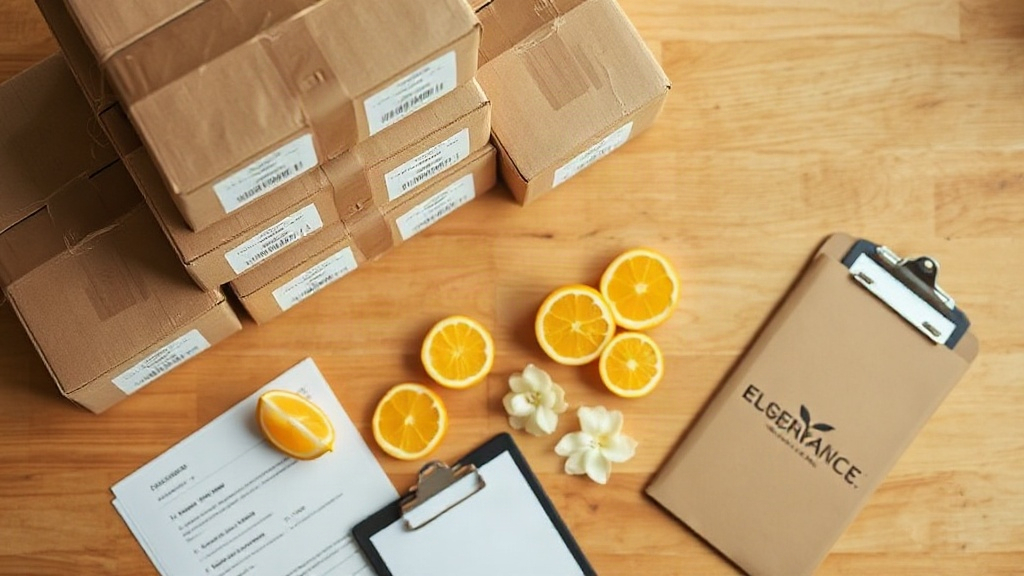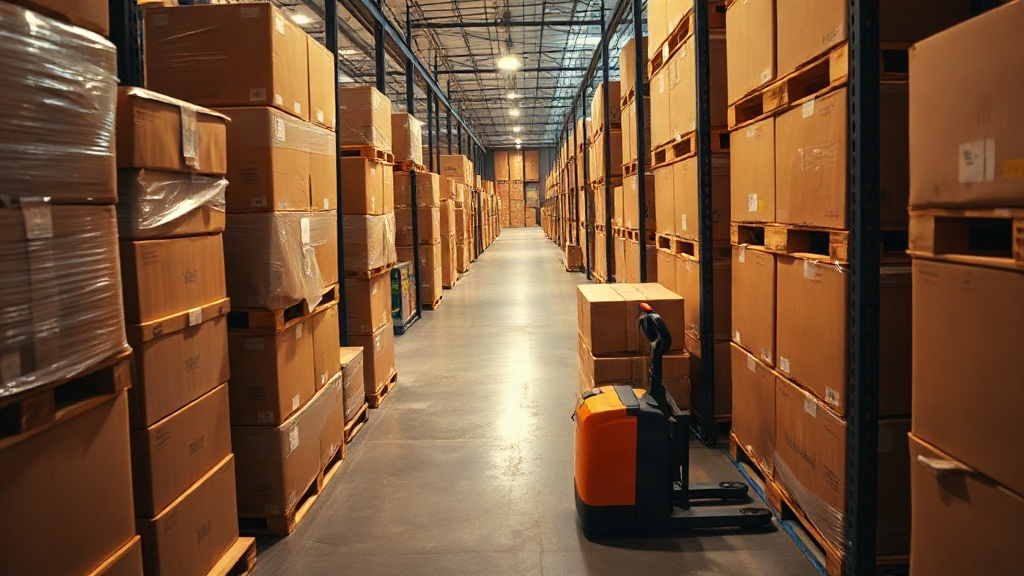
Wholesale for perfume means purchasing fragrances directly from a manufacturer, brand-owner, or authorized distributor at bulk pricing tiers designed for resellers rather than individual shoppers. Buyers typically commit to a minimum order quantity, agree on supply terms covering authenticity and batch documentation, and receive stock packed for retail, gifting, or hospitality distribution rather than single-unit sale. For retailers, importers, and distributors, wholesale sourcing is the standard route to secure consistent supply, protect margins, and build a fragrance assortment that scales with demand.
Summary
- Wholesale perfume purchasing is built around minimum order quantities (MOQs) and tiered pricing that reward larger, recurring orders rather than one-off purchases.
- Reliable suppliers provide batch documentation, authenticity guarantees, and consistent availability across both niche and mainstream fragrance lines.
- Shipping perfume internationally involves dangerous-goods handling for alcohol-based liquids, correct customs codes, and paperwork that differs from ordinary cargo.
- A profitable assortment usually blends niche perfumes, gift-ready sets, and multiple bottle sizes so a business can serve different customer segments and price points.
What Does Buying Perfume Wholesale Actually Mean?
In the fragrance trade, "wholesale" describes a business-to-business transaction: a supplier sells finished perfume in bulk quantities, at unit prices lower than retail, to a company that intends to resell it rather than use it. This is fundamentally different from retail purchasing or dropshipping single units. Wholesale buyers typically order by the carton, case, or pallet, and they enter into a commercial relationship with the supplier that covers pricing tiers, delivery terms, and after-sale support such as returns or restocking.
For a boutique, department store buyer, or online marketplace seller, wholesale is the mechanism that makes margin possible. Buying at bulk pricing and reselling at market rates only works if the sourcing side is efficient, which is why serious B2B buyers spend as much time vetting suppliers and negotiating terms as they do choosing which fragrances to carry.
In practice, wholesale supply can come through three main channels: directly from the brand or manufacturer, through an authorized regional distributor, or through an unauthorized reseller offering gray-market stock. The first two protect a buyer with traceable batch records and legitimate authenticity guarantees; the third often looks attractive on price but carries a much higher risk of inconsistent quality, expired stock, or products never intended for your destination market.
Who Buys Perfume at Wholesale Prices?
Wholesale perfume buyers come from several distinct business categories, and each has slightly different priorities when sourcing stock:
- Independent perfume boutiques and specialty retailers who want curated, differentiated assortments rather than mass-market lines.
- Department store and multi-brand retail buyers who need consistent supply across a wide catalog.
- Duty-free and travel retail operators who prioritize recognizable brands and reliable restocking cycles.
- Online marketplace sellers and e-commerce distributors who resell across multiple digital storefronts.
- Gift shop owners and corporate gifting companies who buy in bulk around seasonal demand.
- Hotels, spas, and hospitality buyers sourcing amenity or retail-corner fragrances.
- Regional distributors and importers who purchase at scale and resell to sub-distributors or smaller retailers in their territory.
Each of these buyer types approaches the same core questions differently: how much do I need to order, what will it cost to land the goods in my country, and can I trust this supplier to deliver the same quality batch after batch.
Minimum Order Quantities and Wholesale Pricing Structures
Every wholesale perfume relationship starts with a minimum order quantity, or MOQ. This is the smallest volume a supplier is willing to sell at wholesale rates, and it exists because bulk pricing only makes commercial sense above a certain production and shipping threshold. MOQs are usually expressed in units per SKU, per carton, or as a total order value, and they vary depending on whether you are buying a single fragrance or a mixed assortment.
How MOQs Scale with Order Volume
Most suppliers structure pricing in tiers: the more you commit to per order, or per year, the lower your unit cost. A first-time buyer testing a new market might start at the base MOQ tier, while an established distributor placing recurring container-level orders can typically negotiate better terms, extended payment windows, or exclusivity on certain fragrances or regions. It is common for suppliers to allow mixed-SKU cartons once a buyer crosses a certain total quantity, which lets a retailer test multiple scents without over-committing to any single one.
Payment terms typically follow the order size: smaller first orders are often paid in full upfront, while larger recurring orders may be split into a deposit due at confirmation and a balance due before or upon shipment. As order volume grows, some suppliers also open the door to private-label or custom packaging options that are not available at entry-level MOQs.
Understanding Margins in the Perfume Trade
Margin in wholesale perfume is driven less by the raw cost of liquid and more by brand positioning, packaging quality, and how many intermediaries sit between the manufacturer and your business. Buying directly from a source that manufactures or holds authorized distribution rights, rather than through several layers of resellers, is usually the single biggest lever a B2B buyer has to protect margin. This is one reason experienced buyers look closely at supplier catalogs, including specialized categories such as niche perfumes, where exclusivity and differentiation can support healthier retail margins than heavily discounted mass-market lines.
How to Choose a Reliable Wholesale Perfume Supplier
Supplier selection is the single most important decision a wholesale buyer makes, because it determines product quality, delivery consistency, and legal exposure for years of orders to come. A checklist worth applying to any prospective supplier includes the following.
- Verifiable business registration and export history, so you know you are dealing with a legitimate trading entity, not an intermediary reselling unverified stock.
- Authenticity guarantees and batch documentation for every fragrance line, allowing you to trace stock back to its production batch if a quality question ever arises.
- Willingness to provide samples before a bulk commitment, so your team and early customers can evaluate scent quality and packaging before you place a full order.
- Transparent MOQs and pricing tiers published or shared clearly, rather than vague quotes that shift after you have committed time to the relationship.
- A catalog broad enough to build a real assortment, covering niche houses, gift-ready sets, and a range of bottle sizes, so you are not forced to manage multiple supplier relationships just to cover your product mix.
Buyers who take the time to review a supplier's full range, for example checking whether they offer curated collections like a perfume set alongside individual bottles, tend to end up with fewer supplier relationships to manage and more consistent quality control across their assortment.
A few warning signs are worth treating as red flags during supplier vetting: pricing that sits far below what the rest of the market charges for the same fragrance house, reluctance to share batch documentation or an authenticity guarantee in writing, no verifiable business address or export history, and pressure to commit to a large order before any sample has been reviewed. Walking away from a supplier that shows several of these signs is usually cheaper than the stock they are offering.

The Wholesale Procurement Process Step by Step
While every supplier relationship differs in detail, the wholesale perfume procurement process generally follows the same sequence for B2B buyers:
- Define your assortment and budget. Decide which categories, price points, and volumes fit your customer base before contacting suppliers.
- Request a catalog and formal quotation. Ask for MOQs, tiered pricing, and lead times in writing.
- Request samples. Evaluate scent quality, packaging, and box condition before committing to a bulk order.
- Negotiate MOQ, payment terms, and mixed-SKU flexibility. Confirm whether you can combine fragrances within one order to meet the minimum.
- Confirm authenticity and documentation. Ask specifically what paperwork accompanies each shipment, including batch codes.
- Place the purchase order and confirm production or dispatch timelines.
- Arrange shipping, insurance, and customs clearance for your destination market.
- Receive and quality-check stock against your original sample and purchase order before releasing it into your own sales channels.
Skipping the sampling step is one of the most common errors first-time wholesale buyers make; a supplier's photos and description are not a substitute for physically checking scent, packaging, and box quality before a full container or pallet order arrives.
Logistics, Shipping, and Customs Considerations for Wholesale Perfume Orders
Perfume is not treated as ordinary cargo. Because most fragrances are alcohol-based, they are classified as a dangerous or hazardous good for transport purposes, which affects how they can be packed, labeled, and shipped, particularly by air. B2B buyers need to plan for this rather than discover it after a shipment is delayed at a carrier's warehouse.
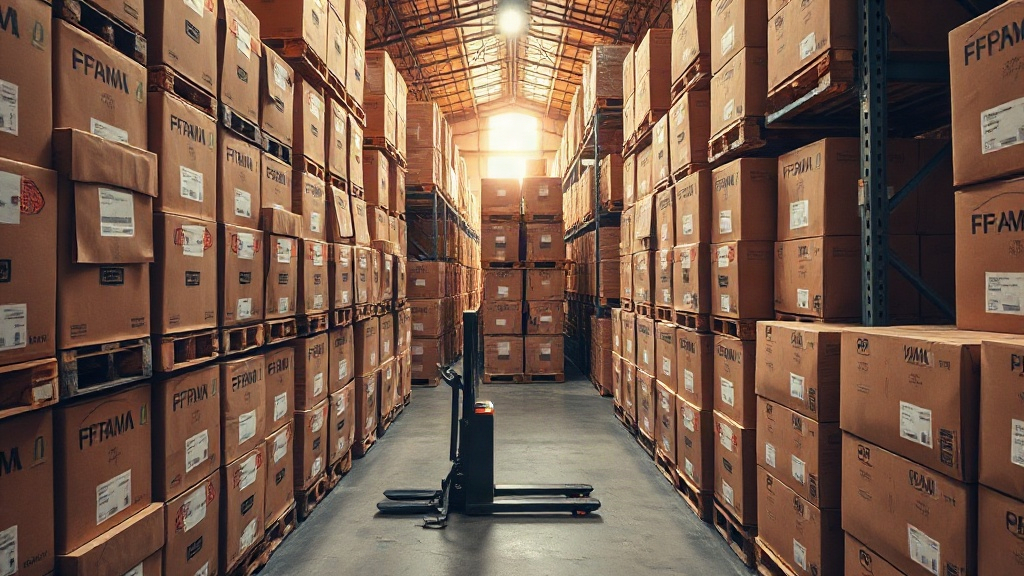
Air freight for perfume typically requires dangerous-goods packaging, specific labeling, and documentation confirming the alcohol content and classification of the liquid. This adds cost and lead time compared to shipping non-hazardous goods. Sea freight is generally more economical for large-volume wholesale orders and is the default choice for distributors and importers moving container-level quantities, though transit times are longer and need to be built into inventory planning.
Documentation Required for Customs Clearance
A wholesale perfume shipment crossing an international border usually needs a specific documentation set, including a commercial invoice, a detailed packing list, a certificate of origin, and a safety data sheet describing the product's chemical composition and hazard classification. Depending on the destination country, cosmetics and fragrance products may also require an import license, ingredient disclosure, or local labeling in the destination language before they can be legally sold. Working with a customs broker who has specific experience with cosmetics and dangerous-goods classifications, rather than a general freight agent, significantly reduces the risk of a shipment being held at the border.
Understanding Incoterms for Wholesale Perfume Shipments
International wholesale orders are usually quoted under a specific Incoterm, and it is worth confirming which one applies before agreeing on price. EXW (Ex Works) means the buyer arranges and pays for freight from the supplier's facility onward. FOB (Free on Board) has the supplier handling costs up to the port of origin, with the buyer covering freight from there. CIF (Cost, Insurance, and Freight) bundles freight and insurance into the supplier's quote up to the destination port, while DDP (Delivered Duty Paid) has the supplier covering duties and delivery all the way to the buyer's door. Comparing quotes on the same Incoterm basis is essential, since a lower unit price under EXW terms can end up costing more once freight, insurance, and duties are added on the buyer's side.

Building a Profitable Wholesale Perfume Assortment
A well-built wholesale assortment gives a retailer or distributor multiple ways to serve customers rather than relying on a single price point or category. Combining niche and more widely recognized fragrance houses allows a buyer to cover both aspirational, higher-margin sales and steadier, higher-turnover volume. Gift-ready packaging is worth planning for separately from single bottles, since a perfume set sells through different channels and seasonal peaks than an individual fragrance does, particularly around holidays and corporate gifting programs.
Bottle size is another lever that is easy to overlook when building a wholesale order. Stocking a range that includes a compact format such as a 38ml perfume alongside a fuller-size option like a 50ml perfume lets a retailer address both price-sensitive buyers and customers looking for a longer-lasting bottle, without changing suppliers or fragrance lines. This kind of size and format diversity is often what separates an assortment that only moves at discount from one that supports full margin across the shelf.
Common Mistakes B2B Buyers Make When Sourcing Wholesale Perfume
A few recurring mistakes account for most of the problems wholesale buyers run into after placing their first large order:
- Ordering at maximum volume before testing sell-through. It is safer to start near the minimum order quantity, confirm customer response, and scale up on repeat orders.
- Skipping documentation checks. Missing batch codes or safety data sheets can delay customs clearance or create problems if a quality issue arises later.
- Relying on a single supplier for an entire assortment. A single point of failure in your supply chain can leave shelves empty if one shipment is delayed or a product line is discontinued.
- Underestimating logistics lead time. Dangerous-goods shipping and customs clearance for cosmetics can take longer than standard freight, and this needs to be reflected in reorder timing, not discovered after stock runs out.
- Ignoring destination-market regulations. Labeling, ingredient disclosure, and import licensing requirements differ by country and should be confirmed before goods are ordered, not after they arrive at port.
Avoiding these mistakes generally comes down to treating supplier selection and logistics planning as seriously as the fragrance selection itself, since a strong assortment sourced through an unreliable process will still create costly delays and margin erosion.
Frequently Asked Questions
What is the minimum order quantity for wholesale perfume?
MOQs vary widely by supplier and by whether you are ordering a single fragrance or a mixed assortment. Niche or limited fragrance lines often carry higher per-SKU minimums than mainstream lines, while many suppliers allow mixed-SKU cartons once a total order threshold is reached. Contact the supplier directly with your target assortment to get an accurate MOQ for your specific order.
Is it legal to import perfume for resale?
Yes, importing perfume for resale is legal in most markets provided the shipment is properly declared, correctly classified as a dangerous good where required, and compliant with the destination country's cosmetics labeling and import regulations. Requirements differ by country, so it is worth confirming local rules, or working with a customs broker experienced in cosmetics, before your first shipment.
How do I verify a wholesale perfume supplier is legitimate?
Check the supplier's business registration and export history, request samples before committing to a bulk order, ask for batch documentation and an authenticity guarantee, and request references from other B2B buyers if possible. A legitimate supplier will not hesitate to provide this information in writing.
Can I mix niche and mainstream perfumes in one wholesale order?
In many cases, yes. Suppliers that carry a broad catalog often allow mixed-SKU cartons once a buyer's total order reaches a certain volume, which makes it possible to combine niche perfumes with more widely recognized lines, plus gift sets and different bottle sizes, in a single purchase order. Review the supplier's full catalog and ask specifically about mixed-order policies before finalizing quantities.