The best perfume wholesale suppliers are licensed distributors or brand-authorized wholesalers who can provide verifiable sourcing documentation, transparent minimum order quantities, consistent batch quality, and export-ready logistics support. For retailers, distributors, and importers, choosing a supplier is less about finding the lowest unit cost and more about securing a dependable, long-term partner who protects margin, brand reputation, and supply continuity. A supplier that cannot answer basic questions about authenticity, lead times, or customs documentation is a liability, not a bargain.
Summary
- Reliable wholesale fragrance sourcing depends on verified authenticity, clear MOQs, and transparent pricing tiers rather than the lowest headline price.
- Buyers should distinguish between manufacturers, authorized distributors, and liquidation resellers, since each carries a different risk and margin profile.
- Logistics, customs classification, and documentation determine landed cost as much as the unit price does.
- A diversified catalog — niche lines, gift sets, and multiple bottle formats — helps retailers serve different price points and shelf strategies.
What Defines a Reliable Perfume Wholesale Supplier
Before negotiating pricing, a wholesale buyer needs to confirm that a supplier can actually deliver what a retail or distribution business depends on: consistency. A reliable wholesale fragrance partner typically operates with a registered business entity, maintains traceable stock (batch codes, invoices, and country-of-origin documentation), and is willing to put order terms in writing. Suppliers who resist documentation requests, insist on cash-only payment with no invoice, or cannot explain where their inventory originates are a red flag regardless of how attractive their price list looks.
Reliability also shows up in communication patterns. A supplier that responds promptly to order inquiries, clearly states lead times, and proactively flags stock shortages before an order is confirmed is signaling operational maturity. For a buyer who is building a repeat purchasing relationship — rather than a single opportunistic order — this operational discipline matters more over a year of reorders than a one-time discount.
Finally, reliability includes catalog depth. A supplier that can service a growing account needs enough breadth across brands, concentrations, and formats to let a retailer expand its assortment without constantly onboarding new vendors. This is where it helps to work with a supplier whose range spans mainstream designer names alongside niche and luxury fragrance lines, since diversified catalogs reduce the operational overhead of managing multiple wholesale relationships.

Types of Wholesale Perfume Suppliers and the Risk Profile of Each
Brand-Authorized Distributors
These are companies with a formal agreement to distribute a brand's products within a territory or channel. Buying from an authorized distributor gives a retailer the strongest assurance of authenticity and consistent packaging, since the goods move through an audited supply chain from the brand itself. Margins on authorized stock tend to be tighter than on gray-market goods, but the trade-off is lower risk of counterfeit complaints, customer returns, or marketplace account suspensions, which is a serious issue for sellers on platforms with strict authenticity enforcement.
Parallel-Market and Gray-Market Wholesalers
Parallel import wholesalers source genuine products through secondary markets — often overstock, regional surplus, or decommissioned retail inventory — and resell them outside the brand's official distribution network. These goods are typically authentic but may carry different packaging languages, missing cellophane, or regional barcodes. Pricing is usually more competitive, which makes this channel attractive to volume buyers, but due diligence on the supplier's own sourcing chain becomes more important here, since traceability is weaker by design.
Liquidation and Closeout Resellers
Liquidators acquire inventory from retail closures, discontinued lines, or damaged-but-sellable stock. This channel can offer the deepest discounts, but lot quality is inconsistent — buyers often receive a mixed pallet rather than a curated selection. This model suits buyers with the operational capacity to sort, grade, and merchandise mixed inventory, but it is a poor fit for a retailer trying to build a predictable, repeatable catalog.
Manufacturer-Direct and Private Label Suppliers
Some wholesale suppliers manufacture fragrances directly or offer white-label and private-label programs. This path gives a buyer the most control over formulation, packaging, and exclusivity, and can be attractive to businesses building their own house brand. It typically requires larger minimum order quantities and longer lead times than buying finished branded inventory off the shelf.
Minimum Order Quantities, Pricing Tiers, and Margin Planning
Minimum order quantity, or MOQ, is one of the first filters a wholesale buyer should apply when shortlisting suppliers. MOQs vary widely depending on the supplier type: authorized distributors often set MOQs by case pack or carton rather than by unit, while liquidators may sell by pallet weight or mixed-lot count. A buyer should map MOQ against their own cash flow and storage capacity before committing — an attractively priced lot that ties up working capital for months is not actually a good deal.
Pricing structures in wholesale fragrance typically scale in tiers: a lower per-unit price at higher volume commitments, sometimes with additional discounts for recurring purchase agreements or exclusivity within a region. When comparing quotes across suppliers, buyers should normalize for what is actually included — packaging condition, outer carton protection, palletization, and whether freight is factored into the quoted price. Two suppliers quoting the same per-unit number can have very different landed costs once these variables are accounted for.
Margin planning should also account for the realistic sell-through rate of each SKU. Fast-moving, broadly recognized fragrances may justify thinner per-unit margins because of turnover velocity, while slower-moving or niche SKUs need a wider margin cushion to offset the carrying cost of inventory that sits longer on the shelf. This is one reason many wholesale buyers deliberately mix catalog depth — pairing high-turnover designer names with select niche perfume collections that carry a higher margin ceiling even at lower unit volume.
Logistics, Customs, and Import Compliance for B2B Buyers
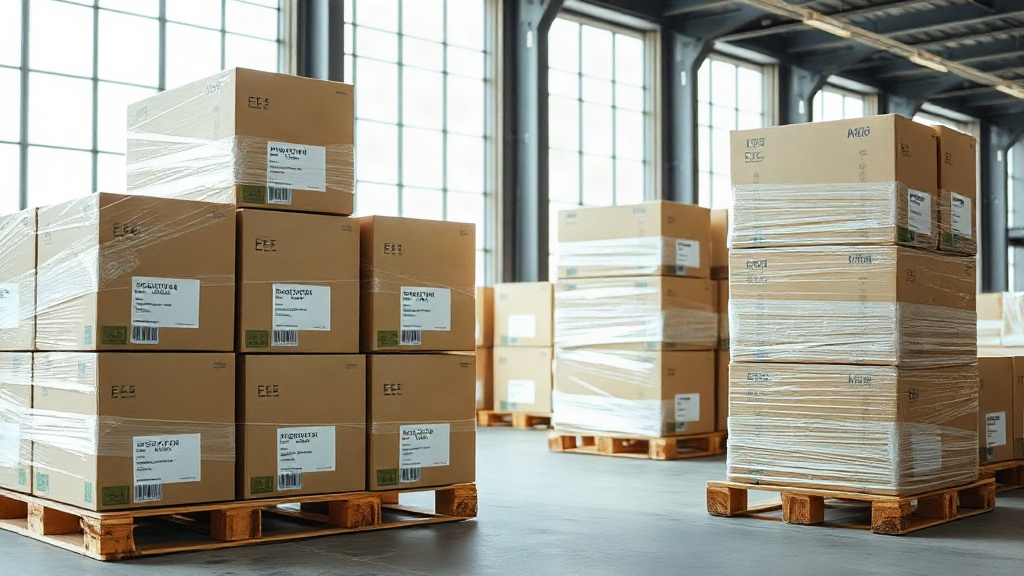
Fragrance is a regulated commodity in international freight because of its alcohol content and classification as a potentially flammable liquid. This affects nearly every stage of the supply chain: freight forwarders need correct dangerous-goods documentation, carriers may apply surcharges for hazardous cargo handling, and customs authorities require accurate tariff classification to clear shipments without delay. A wholesale buyer who treats these details as an afterthought risks demurrage charges, held containers, or outright rejected shipments at the border.
Before placing a large order, it is worth confirming with the supplier, or an independent freight forwarder, how the shipment will be documented: commercial invoice accuracy, harmonized tariff code, country-of-origin certificate, and, where applicable, safety data sheets for the alcohol content. Suppliers experienced in B2B export will have this documentation as a standard part of their process rather than something assembled under pressure after the order ships.
Lead time planning should also build in buffer for customs inspection variability. Air freight shortens transit time but raises per-unit shipping cost, which matters more for lower-margin, high-volume SKUs. Sea freight is more cost-efficient for large orders but requires longer planning horizons and more careful demand forecasting, since a buyer committing to a container load needs confidence in sell-through well before the next shipment can realistically land.
Verifying Authenticity and Vetting a New Supplier
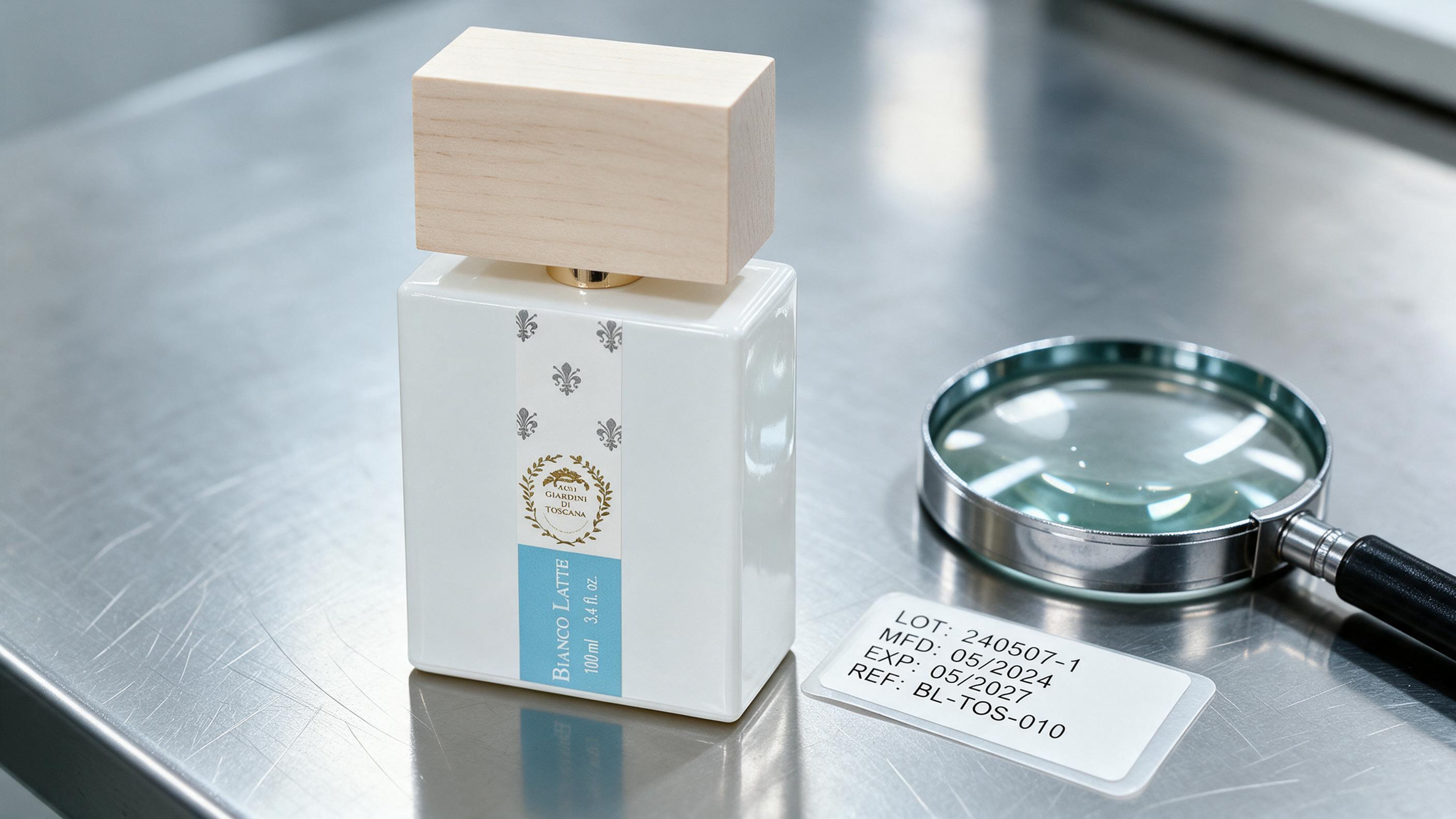
Authenticity verification is the single highest-stakes due diligence step in wholesale fragrance sourcing, because counterfeit or diverted goods create downstream liability — customer complaints, marketplace account strikes, and in some jurisdictions legal exposure for the reselling business. A buyer should request batch codes on sample units and, where possible, cross-reference them against the brand's own verification channels or request a letter of authenticity from the supplier.
It is also reasonable to ask a new supplier for trade references from other wholesale buyers, proof of business registration, and, for larger first orders, a smaller trial shipment before committing to a full container or bulk pallet. A supplier confident in their own inventory quality will generally accommodate a trial order; one that pressures a buyer into skipping this step is signaling risk.
Packaging consistency is a useful secondary signal. Authentic, properly sourced stock usually arrives with intact cellophane, correct regional labeling, undamaged outer boxes, and consistent batch codes across a lot. Mismatched fonts, inconsistent box quality within the same claimed batch, or missing safety labeling are worth investigating before expanding order volume with that supplier.
Building a Profitable Wholesale Catalog Mix
Retailers and distributors generally perform better with a layered catalog rather than a single-format assortment. Entry-level and travel-friendly formats move quickly and introduce new customers to a brand at a lower price point, while larger formats serve customers who have already committed to a fragrance and want better per-milliliter value. Stocking both 38ml perfume bottles and 50ml perfume formats lets a buyer address both of these shopper segments without needing separate supplier relationships for each size tier.
Gift-oriented assortments are another category worth planning around, particularly for retailers with seasonal demand spikes around holidays and gifting occasions. A wholesale perfume set assortment typically carries a higher perceived value than individual bottles sold separately, which can support stronger margin and higher average order value for distributors selling into gift-focused retail channels.
Finally, niche and prestige lines deserve a place in the catalog even for buyers primarily focused on mainstream designer names. Niche fragrances typically carry less price competition online, which protects wholesale margin better than heavily discounted mass-market SKUs. A modest allocation of shelf space or catalog listings to niche inventory can meaningfully improve blended margin across a retailer's full fragrance assortment.

Negotiating Terms and Structuring a Long-Term Supplier Relationship
Price is only one line item in a wholesale agreement. Payment terms — deposit percentage, balance due on shipment versus on delivery, and acceptable payment methods — materially affect a buyer's cash flow and should be negotiated alongside unit pricing. Buyers with a track record of consistent reordering are often in a position to negotiate better terms over time, including extended payment windows or priority allocation during periods of constrained supply.
It is also worth clarifying policies on damaged goods, short shipments, and return allowances before the first order ships, not after a problem occurs. A supplier willing to document these policies in a written agreement is generally a stronger long-term partner than one who prefers informal, verbal arrangements.
Scaling a relationship with a proven supplier is usually more efficient than constantly searching for marginally cheaper alternatives. Switching suppliers introduces new due diligence cycles, new trial orders, and new logistics setup — all of which carry hidden cost. Buyers tend to get the best long-term economics by consolidating volume with a small number of vetted, responsive suppliers rather than spreading orders thin across many unverified sources chasing the lowest quoted price.
Frequently Asked Questions
What is a typical minimum order quantity for wholesale perfume?
MOQs vary by supplier type and format, ranging from case-pack minimums with authorized distributors to pallet or container minimums with liquidators and manufacturer-direct programs. Buyers should confirm MOQ terms alongside lead time and packaging condition before comparing price quotes across suppliers.
How can a buyer confirm a wholesale perfume supplier is legitimate?
Request business registration documents, trade references from other wholesale buyers, batch codes for authenticity cross-checking, and a small trial shipment before committing to full volume. Consistent packaging, correct labeling, and willingness to provide written order terms are strong positive signals.
What customs documentation is needed to import wholesale perfume?
Fragrance shipments generally require a commercial invoice, accurate harmonized tariff classification, a country-of-origin certificate, and dangerous-goods or safety documentation related to alcohol content. A freight forwarder experienced in cosmetics and fragrance shipments can help confirm requirements for the destination market.
Should a retailer buy only designer perfume or diversify into niche lines?
Many wholesale buyers diversify intentionally: designer names drive volume and turnover, while niche and prestige lines typically support stronger margin due to lower price competition. A blended catalog tends to perform better across different customer segments than a single-category assortment.