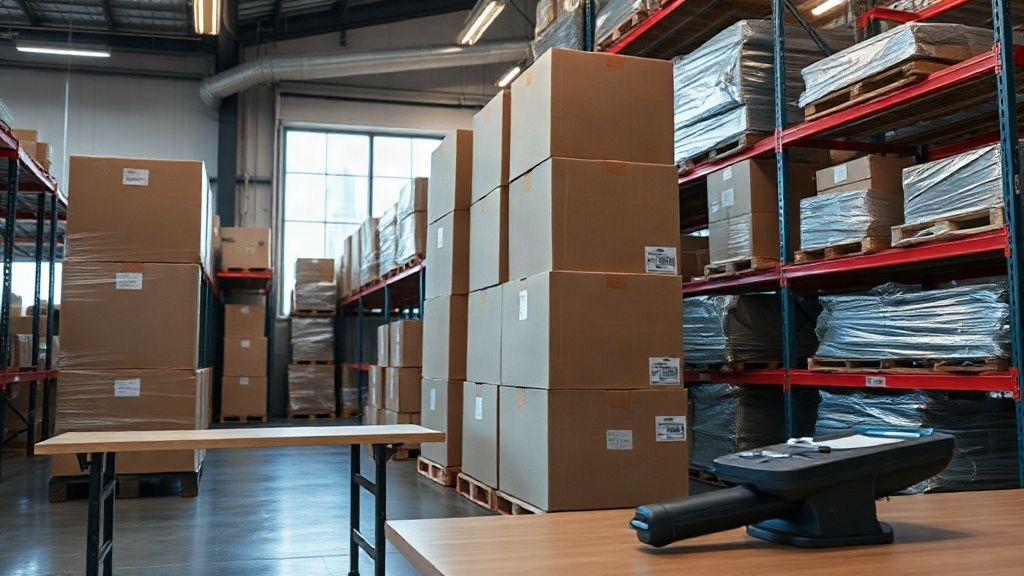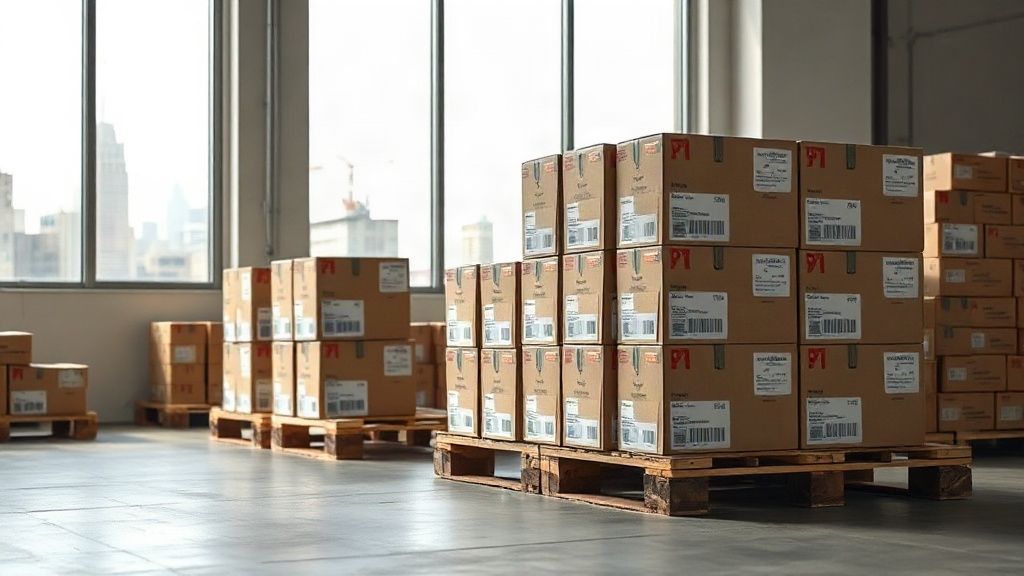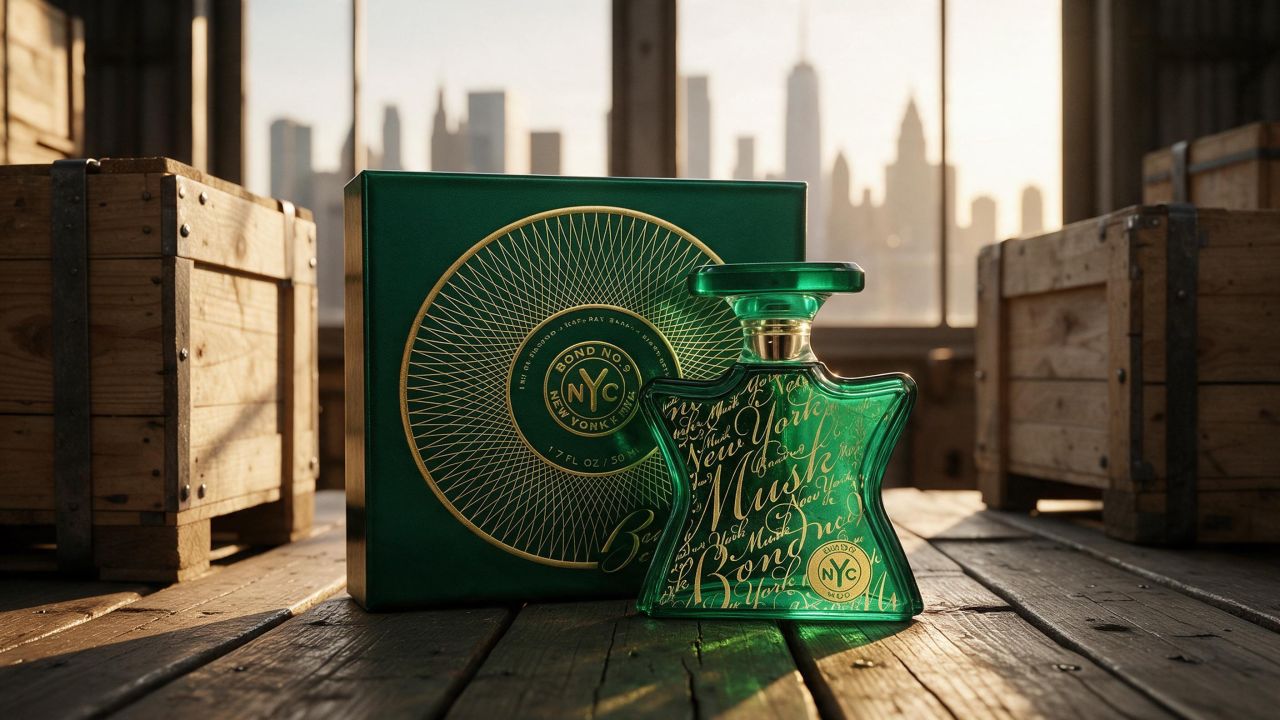
Perfume wholesale in New York means sourcing fragrances in bulk, below standard retail pricing, from brand-authorized distributors, niche fragrance houses, or overstock suppliers that operate in or ship through the New York market. For retail buyers, importers, and distributors, this is less about finding a single bottle and more about securing a dependable supply chain: transparent minimum order quantities (MOQs), authenticity documentation, and freight routed efficiently through New York's ports and air cargo hubs. Beyazit Parfum supplies wholesale buyers across these categories with structured ordering, verified sourcing, and formats built for resale rather than single-unit retail.
Summary
- "Wholesale" in New York's perfume trade means negotiated bulk pricing tied to minimum order quantities (MOQs), not a simple discount off retail.
- Buyers should vet suppliers on authenticity documentation, consistent fill rates, and customs/freight handling — not on price alone.
- New York's port and airport infrastructure make it a practical consolidation point for Northeast and national distribution.
- Standardizing on one dependable supplier across formats — standard bottles, travel sizes, and gift sets — reduces procurement overhead and margin leakage.
Why New York Is a Strategic Hub for Wholesale Perfume Sourcing
New York is not just a retail destination for fragrance — it is one of the busiest intake and redistribution points for the global perfume trade in North America. The Port of New York and New Jersey, along with JFK and Newark air cargo terminals, give wholesale buyers access to high-frequency ocean and air freight lanes directly from European and Middle Eastern fragrance-producing regions. For a distributor or retailer based anywhere in the Northeast, this means shorter inland transit times, more frequent restocking cycles, and lower per-unit freight costs when orders are consolidated through New York rather than smaller regional ports.
The city's long-standing concentration of importers, brand agents, and independent fragrance houses also means more competitive sourcing options in one metro area. A wholesale buyer can compare brand-authorized distributors, niche perfume importers, and overstock channels without flying to multiple countries to do it. This density is part of why "perfume wholesale new york" remains a high-intent search for retail buyers, boutique owners, and e-commerce resellers who want a dependable domestic sourcing point rather than dealing with overseas suppliers directly for every order.
Types of Wholesale Perfume Suppliers Serving the New York Market
Not all wholesale suppliers operate the same way, and the type of supplier you choose will shape your pricing, your minimum order size, and how much control you have over your product mix.
Brand-Authorized Distributors
These suppliers hold direct agreements with fragrance houses or their regional licensees. They typically offer the most predictable supply chain and the clearest authenticity paperwork, but they also tend to require larger MOQs and longer lead times for less common SKUs. This route suits buyers who want to anchor their catalog around recognizable designer names and need guaranteed batch consistency for repeat retail customers.
Niche and Independent Perfume Houses
Independent and niche fragrance brands have grown rapidly as consumers look for alternatives to mass-market designer lines. Wholesale buyers who want differentiated inventory — rather than competing on the same handful of bestsellers every other retailer carries — often turn to curated niche collections. Beyazit Parfum's Niche Perfumes range is built for exactly this kind of buyer: smaller, more distinctive batches that let a retailer or boutique stand out without committing to the scale required for mainstream designer wholesale.
Overstock and Liquidation Channels
Overstock, closeout, and liquidation suppliers can offer lower per-unit costs, but the trade-off is inconsistency: irregular availability, mixed packaging conditions, and limited ability to reorder the exact same SKU twice. These channels work best as a supplementary sourcing strategy, not as the backbone of a catalog that depends on repeatable inventory.
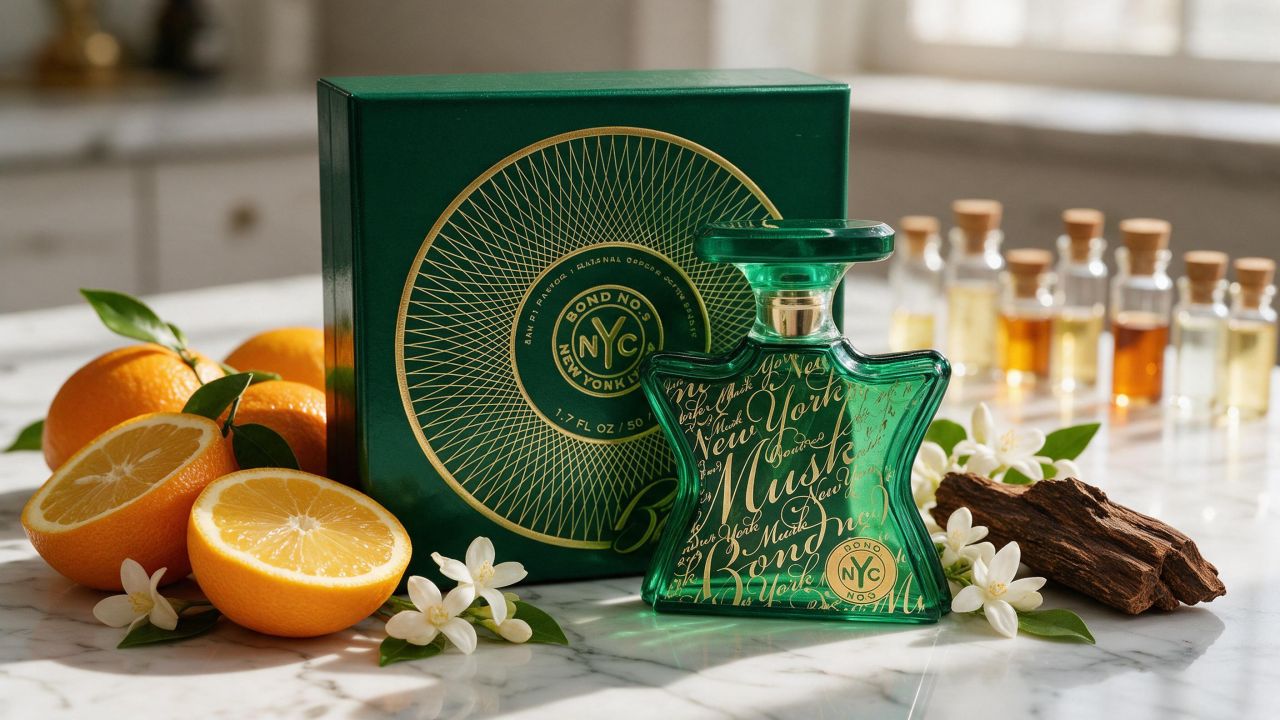
How to Vet a Wholesale Perfume Supplier Before You Commit
Price is the easiest thing to compare between suppliers and the least reliable way to choose one. Before signing a purchase agreement or wiring a deposit, a B2B buyer should work through a short due-diligence checklist:
- Authenticity documentation. Ask for batch codes, certificates of authenticity, and — where relevant — a clear chain of custody back to the brand or licensed manufacturer.
- Business verification. Confirm the supplier's registered business entity, tax identification, and trade history. A legitimate wholesale operation will not hesitate to share this.
- Sample order policy. A supplier confident in their inventory will allow a smaller trial order before you commit to a full case-pack or pallet quantity.
- Consistency across reorders. Ask specifically whether the SKU you are ordering today will be available at the same specification in three or six months — this matters far more for recurring retail business than a one-time low price.
- Damage and shortage policy. Understand, in writing, how claims for transit damage or shortages are handled before the order ships, not after a dispute arises.
A supplier that is transparent about all five points is generally a safer long-term partner than one offering the lowest unit price with vague answers on documentation or reorder consistency.
Minimum Order Quantities, Pricing Tiers, and Margin Planning
Wholesale perfume pricing is almost always structured in tiers tied to volume, not a single flat rate. A supplier may offer one price point for a small case-pack, a lower per-unit price at a mid-size pallet quantity, and a further reduction at full-container volume. Understanding where your business naturally sits in that structure — and whether you can realistically sell through a higher tier before committing capital to it — is more important than chasing the lowest headline rate.
For margin planning, buyers should factor in landed cost, not just the unit price quoted by the supplier. Landed cost includes freight, insurance, customs duties, and any domestic last-mile delivery to your warehouse or store. Two suppliers quoting similar per-unit wholesale prices can produce very different actual margins once freight terms and payment terms (deposit versus net payment windows) are taken into account. Experienced buyers typically model margin at the landed-cost level before negotiating MOQ, rather than negotiating MOQ first and calculating margin afterward.
It is also worth negotiating MOQs by SKU rather than accepting a blanket minimum across an entire order. A supplier willing to let you combine several SKUs — for example, a mix of full-size bottles and smaller gift formats — to reach a combined minimum gives a retailer far more flexibility to test demand across a catalog without overcommitting to any single product.
Choosing Your Product Mix: Formats, Sets, and Niche Lines
A wholesale catalog that only stocks one bottle size leaves margin on the table. Buyers who diversify format and price point within the same supplier relationship generally see steadier sell-through across different customer segments.
Full-Size Bottles
Full-size formats remain the core of most wholesale fragrance catalogs and the format most retail customers expect to see on a shelf or storefront listing. Beyazit Parfum's 50ml Perfume range is a practical anchor point for this category, giving retailers a standard size that fits conventional retail display and pricing expectations.
Compact and Travel Formats
Smaller formats serve a different buyer entirely — travel retail, gifting, and price-sensitive consumers who want to sample a fragrance before committing to a full-size bottle. The 38ml Perfume format fills this gap well, and stocking it alongside full-size bottles gives a retailer a lower entry price point without diluting the core catalog.
Gift and Discovery Sets
Sets built around seasonal gifting or multi-fragrance discovery are consistently strong sell-through items for retailers, particularly around holiday periods. Beyazit Parfum's Perfume Set collections give wholesale buyers a ready-made bundle to merchandise without having to assemble sets manually from individual SKUs.

Logistics, Customs, and Import Considerations for New York Buyers
Perfume is a regulated category in freight and customs terms, and this is one of the most common places where new wholesale buyers run into delays. Most fragrances are alcohol-based and classified as flammable liquids for shipping purposes, which affects how they can be packed, labeled, and transported by air versus ocean freight. Buyers should confirm with their supplier — and their own freight forwarder — how a shipment will be classified before it ships, not after it arrives at a New York terminal and gets held for reclassification or additional paperwork.
On the import side, buyers bringing fragrance into the US should expect to work with Harmonized Tariff Schedule (HTS) codes specific to cosmetics and perfumery, and should request a certificate of analysis (COA) or safety data sheet (SDS) from the supplier as standard practice, not as an exception. These documents are frequently requested during customs clearance and are far easier to have ready in advance than to source after a shipment is already in transit.
Working with a freight forwarder or customs broker familiar with cosmetics and fragrance shipments — rather than a generalist — tends to prevent the majority of avoidable delays at New York's ports and air cargo facilities. For buyers placing recurring orders, establishing one consistent broker relationship also means customs documentation becomes a repeatable process rather than a fresh negotiation every time a container arrives.
Building a Long-Term Wholesale Partnership
The most successful wholesale relationships in the fragrance trade are rarely transactional one-off purchases. Retailers and distributors who treat sourcing as a long-term partnership — sharing sell-through data, giving suppliers advance notice of seasonal demand spikes, and committing to a forecast rather than placing purely reactive orders — generally get better pricing tiers, priority allocation during high-demand periods, and more flexibility when a specific SKU needs to be substituted or delayed.
It also pays to consolidate purchasing with fewer suppliers rather than spreading small orders across many. A buyer placing meaningful, recurring volume with one or two trusted wholesale partners typically has more negotiating leverage on pricing and MOQ flexibility than one placing the same total volume in small, scattered orders across a dozen suppliers. Consolidation also simplifies compliance — fewer certificates of authenticity to track, fewer freight relationships to manage, and a single point of accountability if a shipment issue needs to be resolved.
Finally, buyers should periodically revisit their product mix with their supplier rather than reordering the same catalog indefinitely. Fragrance trends shift, and a supplier with broad catalog depth — spanning designer, niche, and multiple formats — can help a retailer rotate inventory without having to onboard an entirely new sourcing relationship every time demand shifts.
Frequently Asked Questions
What is the minimum order quantity for wholesale perfume in New York?
MOQs vary significantly by supplier type and by SKU. Brand-authorized distributors typically require larger minimums, often at the case-pack or pallet level, while niche and independent suppliers may offer smaller starting minimums to let new retail buyers test a product before scaling up. It is standard practice to ask a supplier directly for their tiered MOQ structure rather than assuming one flat minimum applies across their full catalog.
Do I need a business license to buy perfume wholesale?
Most legitimate wholesale suppliers require buyers to provide business registration or resale documentation before extending wholesale pricing. This is a standard part of B2B verification in the fragrance trade and protects both sides — it confirms the buyer is purchasing for resale rather than personal use, and it gives the supplier a documented business relationship for tax and compliance purposes.
How can I verify that wholesale perfume is authentic?
Request batch codes and certificates of authenticity before finalizing an order, and cross-check that the supplier can explain their sourcing chain back to the brand or licensed manufacturer. A supplier that is evasive about documentation, or unwilling to provide a trial sample order before a full case-pack commitment, is a signal to look elsewhere rather than a detail to overlook.
Can wholesale perfume sourced through New York be shipped outside the region?
Yes. New York's port and air cargo infrastructure is commonly used as a consolidation and distribution point for shipments heading to other parts of the US or internationally, not only for local New York retail. Buyers outside the immediate region often still source through New York-based wholesale suppliers specifically because of this onward-shipping capability, paired with a freight forwarder experienced in handling flammable-liquid classified cosmetics.