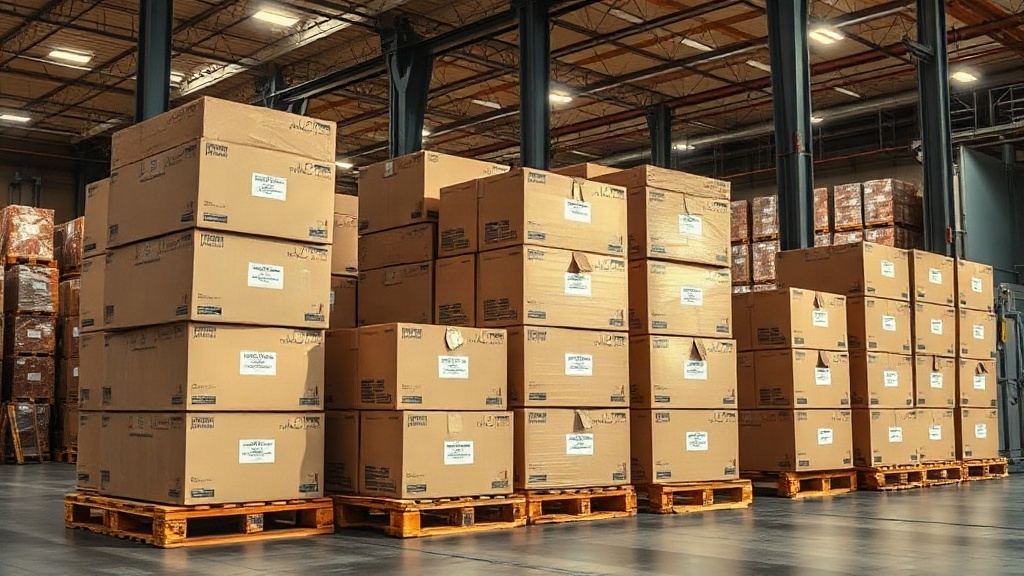
Perfume wholesale means buying fragrances directly from a manufacturer, brand owner, or authorized distributor in bulk quantities at unit costs well below single-piece retail pricing, rather than purchasing one bottle at a time. For B2B buyers such as retailers, distributors, and importers, wholesale channels are how inventory gets secured with workable margins, consistent stock availability, and terms designed for resale rather than personal use. A dependable wholesale perfume partner typically offers tiered minimum order quantities, documented product authenticity, and support with export documentation and shipping.
Summary
- Perfume wholesale lets retailers, distributors, and importers buy fragrances in bulk at reduced unit cost, with terms built for resale rather than single-unit consumer purchases.
- A trustworthy supplier verifies authenticity, provides clear documentation, and communicates transparently about minimum order quantities, lead times, and shipping.
- Profit margins depend on unit cost, freight, customs duties, and the sales channel, so plan pricing before committing to a purchase order.
- Diversifying across niche lines, gift sets, and multiple bottle sizes helps wholesale buyers serve different price points and customer segments.
What Perfume Wholesale Means for B2B Buyers
In the fragrance trade, wholesale describes a business-to-business transaction: a supplier sells finished perfume in case quantities or pallet loads to a buyer who intends to resell it, not to a shopper buying a single bottle for personal use. The defining features of a wholesale relationship are volume-based pricing, a formal ordering process, and commercial terms such as invoicing, payment schedules, and shipping documentation that differ from a retail checkout.
For a retailer, wholesale purchasing is how a shelf gets stocked without paying full retail on every unit. For a distributor, it is the foundation of a resale network that supplies smaller shops or online sellers. For an importer, wholesale purchasing includes an additional layer of cross-border logistics, customs clearance, and compliance with the import regulations of the destination market. Regardless of the buyer's role, the wholesale model only works when the unit economics leave enough margin to cover operating costs, marketing, and a competitive shelf or online price.
Because perfume wholesale is a broad category, experienced buyers narrow it down by fragrance family, concentration, bottle size, and packaging format, such as bulk cartons for distributors or retail-ready boxed sets for shops that sell directly to consumers. Clarifying these specifications before requesting a quote saves time on both sides and helps the supplier propose the right product mix from the first conversation.
How to Choose a Reliable Wholesale Perfume Supplier

The single biggest risk in wholesale fragrance sourcing is partnering with a supplier who cannot consistently deliver authentic, well-packaged product on schedule. Vetting a supplier properly before the first purchase order protects your capital and your reputation with your own customers.
Recognizing warning signs early can save a wholesale buyer from a costly mistake. Be cautious of suppliers who refuse to provide documentation, pressure you into an unusually large first order, or offer pricing that seems disconnected from typical wholesale market levels. Legitimate suppliers expect due diligence from new B2B partners and should welcome reasonable questions rather than discourage them.
Verify Business Credentials and Licensing
Ask for the supplier's business registration, trade license, and, where relevant, export certifications. A legitimate wholesale supplier will not hesitate to share this information, and many will already display it on their company or contact page. If you are importing across borders, confirm that the supplier is experienced with the customs paperwork your destination country requires, including commercial invoices and certificates of origin.
Confirm Product Authenticity and Origin
Authenticity is the foundation of trust in the fragrance trade. Ask how the supplier sources its stock, whether batch or lot information is available, and how returns or quality disputes are handled. Suppliers who are transparent about sourcing and willing to provide samples before a bulk order are generally the safer long-term partners.
Assess Communication, Samples, and After-Sales Support
Before committing to a large order, test the relationship on a smaller scale. Request samples, ask detailed questions about lead times and packaging options, and note how quickly and clearly the supplier responds. A supplier that communicates well during the inquiry stage is far more likely to be responsive when a shipment needs troubleshooting later.
Minimum Order Quantities and the Wholesale Procurement Process
Minimum order quantities, or MOQs, are one of the first practical details a B2B buyer needs to understand when evaluating a wholesale perfume supplier. MOQs exist because wholesale pricing depends on production runs, warehousing, and shipping efficiency, and a supplier cannot offer bulk pricing on a single unit. MOQs can be structured per product, per fragrance line, or as a combined order across a supplier's catalog, so it is worth asking exactly how the minimum is calculated before finalizing a purchase order.
The procurement process itself generally follows a predictable sequence: an initial inquiry describing the products and volumes of interest, a formal quote from the supplier, sample evaluation, negotiation of price and terms, a signed purchase order or proforma invoice, payment often split between a deposit and a balance due before or after shipment, production or picking of the order, and finally shipping and delivery. Buyers who are new to wholesale sourcing should budget extra time for the sample and negotiation stages, since rushing this part of the process is where mismatched expectations most often surface.
It is also worth asking suppliers whether MOQs can be met by mixing products, for example combining different fragrance families or bottle sizes within a single order, since this flexibility lets smaller retailers test a broader assortment without overcommitting capital to one product line.
Profit Margins and Pricing Strategy for Wholesale Buyers
Profit margin in the wholesale fragrance business is the difference between landed cost, meaning the wholesale unit price plus freight, insurance, and customs duties, and the price at which the product is ultimately resold, whether to another business or to an end consumer. Because this guide is written for B2B buyers rather than end shoppers, the goal here is not to quote specific price points, but to outline the variables that determine whether a given wholesale deal is actually profitable.
Start by calculating the fully landed cost of each unit, not just the wholesale price quoted by the supplier. Freight, customs duties, taxes, insurance, and any warehousing or handling fees all reduce the margin available once the product reaches your shelf or warehouse. Buyers who price only against the supplier's quoted unit cost, without accounting for these additional expenses, frequently discover their real margin is thinner than expected.
Next, consider the sales channel. Margin expectations differ between a wholesale-to-wholesale resale, a distributor supplying independent retailers, and a retailer selling directly to consumers, since each layer in the supply chain needs to retain enough margin to remain viable. Buyers should also factor in slower-moving inventory: fragrances with longer shelf life and broad appeal typically carry lower risk than niche or seasonal scents, which may require markdown pricing if demand does not meet expectations.
Finally, build a pricing strategy before placing the order, not after the shipment arrives. Decide in advance how the product will be positioned, whether as an everyday staple, a premium or niche offering, or a gift-set item, since positioning affects both the achievable margin and the pace at which inventory turns over.
Logistics, Shipping, and Customs for Wholesale Perfume Imports
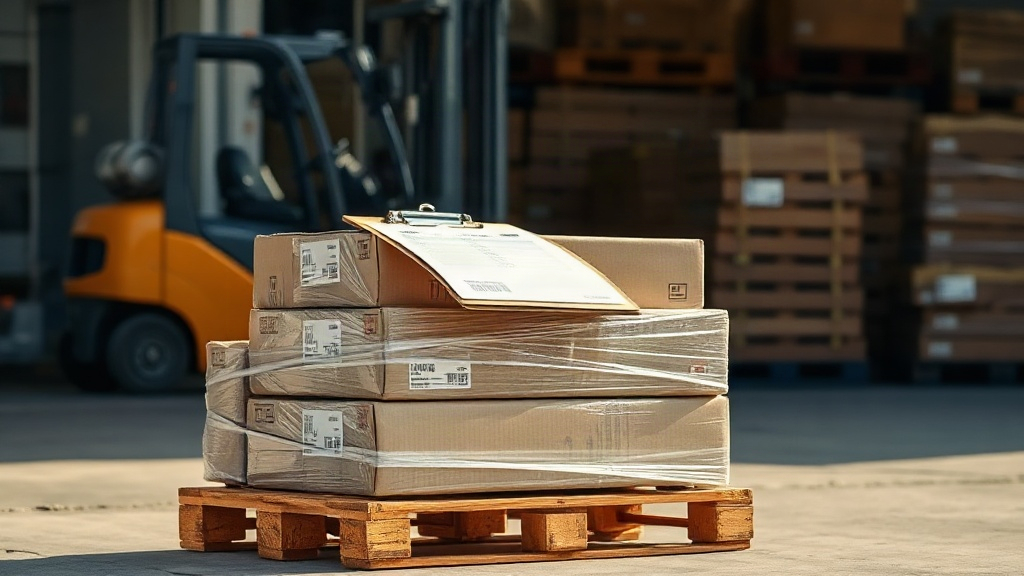
Fragrances are classified as flammable liquids for shipping purposes, which means logistics for wholesale perfume orders involves more regulatory complexity than many other consumer goods categories. Buyers should confirm early in the sourcing process how a supplier packages and documents shipments for compliant transport, whether by air or by sea.
Air freight is faster and generally preferred for smaller or time-sensitive orders, but perfume's flammable classification means it must be shipped under dangerous goods regulations, which can add documentation requirements and cost. Sea freight is typically more economical for large-volume orders and full container loads, though it requires longer lead times and more advance planning around inventory forecasting.
Shipping terms also matter for how cost and risk are divided between supplier and buyer. Terms such as EXW, FOB, and CIF determine at what point responsibility for freight, insurance, and risk of loss shifts from the supplier to the buyer, which in turn affects the true landed cost calculation. Buyers new to international sourcing should confirm which incoterm applies to a quoted price before comparing offers from different suppliers, since a low unit price under an EXW term can end up costing more overall once freight and insurance are added by the buyer.
On the customs side, importers need to be prepared with accurate commercial invoices, packing lists, and, depending on the destination country, certificates of origin or import licenses specific to cosmetics and fragrance products. Duties and taxes vary by country and by the product's classification, so it is worth confirming the applicable HS code and duty rate with a customs broker or the supplier's export team before finalizing volumes. Building a relationship with a freight forwarder who has specific experience with fragrance or cosmetics shipments can meaningfully reduce the risk of delays or compliance issues at the border.
Because lead times for international wholesale orders can run from several weeks to a couple of months depending on the shipping method and customs clearance, experienced buyers place orders well ahead of anticipated demand, particularly before seasonal peaks such as major gifting periods.
Building the Right Product Mix: Niche Lines, Sets, and Bottle Sizes

A wholesale buyer's product mix has a direct impact on how well inventory turns over and how a retail or distribution business differentiates itself from competitors carrying the same mainstream names. Rather than sourcing a single format, most successful wholesale buyers combine several product types to serve different price points and customer preferences.
Niche and specialty fragrance lines appeal to customers looking for something distinctive rather than a mass-market bestseller, and they can help a retailer stand out in a crowded category. Buyers exploring this segment can review supplier catalogs of niche perfume collections to identify fragrance families and concentrations that complement their existing assortment.
Boxed gift sets are another category worth stocking, particularly around gifting seasons, since they offer a higher perceived value and often move faster during promotional periods. A well-curated selection of perfume gift sets gives retail customers an easy, ready-to-gift option without requiring them to choose a single scent.
Bottle size is a further lever for managing price points and inventory turnover. Smaller formats, such as 38ml perfume bottles, work well as an accessible entry point or a travel-friendly option, while larger formats like 50ml perfume bottles suit customers who prefer a longer-lasting supply of a fragrance they already know they like. Carrying a spread of sizes across a supplier's catalog lets a retailer or distributor address multiple customer segments from a single sourcing relationship.
Building Long-Term Supplier Relationships
Wholesale sourcing works best as an ongoing relationship rather than a series of one-off transactions. Suppliers who see repeat, reliable orders are more likely to offer priority production slots, more flexible payment terms, and early notice of new product launches or discontinued lines. For a buyer, that translates into more predictable lead times and fewer surprises during peak demand periods.
Consistent communication is central to this. Sharing forecasted demand, even informally, helps a supplier plan production and avoid the stockouts that disrupt a buyer's own sales calendar. It is also worth revisiting supplier performance periodically, tracking on-time delivery, order accuracy, and how disputes were resolved, so that sourcing decisions are based on a documented track record rather than a single good or bad experience.
Diversifying across more than one supplier is a reasonable risk-management practice, particularly for buyers who depend on a steady supply for a storefront or distribution network. At the same time, concentrating a meaningful share of volume with one or two trusted partners often produces better pricing and service than spreading small orders across many unproven suppliers.
Frequently Asked Questions
What is the difference between perfume wholesale and retail buying?
Wholesale buying involves purchasing fragrances in bulk, case, or pallet quantities directly from a manufacturer, brand, or authorized distributor at business-to-business pricing and terms. Retail buying is a single-unit purchase at consumer pricing, without the volume commitments, documentation, or resale terms that define a wholesale transaction.
How do I know if a wholesale perfume supplier is trustworthy?
Check for verifiable business registration and export documentation, ask how the supplier sources and authenticates its stock, and request samples before committing to a large order. A supplier's responsiveness and transparency during the inquiry stage is usually a strong indicator of how the relationship will function once orders are underway.
Can small retailers meet typical minimum order quantities?
Many suppliers structure MOQs to allow mixed orders across fragrance families, bottle sizes, or product formats, which makes it easier for smaller retailers to meet the minimum without overcommitting to a single item. It is worth discussing MOQ structure directly with a supplier before assuming a minimum is out of reach.
What documents are typically needed to import wholesale perfume?
Common requirements include a commercial invoice, packing list, and, depending on the destination market, a certificate of origin or an import license specific to cosmetics and fragrance products. Requirements vary by country, so confirming the exact list with a customs broker or the supplier's export team before shipping is strongly recommended.