Perfume in wholesale means purchasing fragrances directly from a manufacturer, brand owner, or authorized distributor in bulk quantities, at reduced per-unit pricing, with the explicit intent to resell rather than use the product personally. For a buying business — a retailer, distributor, or importer — the value lies in a predictable per-unit cost and a stable supply pipeline, not a one-off consumer discount. Getting this right means planning around minimum order quantities, lead times, landed cost, and supplier reliability from the very first order.
Summary
- Wholesale perfume buying is built around MOQs, tiered pricing, and repeat ordering, not single-unit retail purchases.
- A reliable process covers supplier vetting, sample approval, production and lead time, and customs clearance before goods reach your warehouse.
- Margin planning should account for full landed cost — product plus freight plus duty plus handling — not just the unit wholesale price.
- Choosing a supplier with consistent stock, clear documentation, and flexible formats reduces sourcing risk over time.
What Does "Perfume in Wholesale" Actually Mean?
In a B2B context, buying perfume in wholesale means purchasing fragrances directly from a manufacturer, brand owner, or authorized distributor in bulk quantities, at a reduced per-unit price, with the explicit intent to resell rather than use the product personally. This is fundamentally different from retail shopping: instead of picking one bottle off a shelf, a retailer, distributor, or importer places an order sized to their shelf space, warehouse capacity, or customer base, and negotiates pricing, packaging, and delivery terms as part of a commercial relationship rather than a single transaction.
For a buying business, the term "wholesale" carries several implicit commitments. It usually means accepting a minimum order quantity (MOQ), agreeing to a payment structure (deposit plus balance, or net terms once trust is established), and taking on responsibility for logistics, customs clearance, and in many cases local compliance labeling once the goods leave the supplier's facility. Understanding this full scope — not just the unit price — is what separates a smooth wholesale relationship from a costly surprise.
Why B2B Buyers Choose Wholesale Perfume Sourcing
Retailers and distributors turn to wholesale perfume sourcing for a few consistent reasons. First, bulk purchasing lowers the per-unit cost of goods, which widens the margin available for resale, marketing, and operational overhead. Second, wholesale suppliers who specialize in fragrance can offer a broader and more consistent assortment than a business could otherwise access, covering everything from mainstream-style compositions to niche perfume collections that help a retailer differentiate from competitors selling the same handful of mass-market names.
Third, a wholesale relationship provides supply continuity. A retailer that sources from a single reliable partner avoids the stockouts and price volatility that come from chasing one-off deals across multiple small vendors. This is particularly relevant for businesses building a private label or curated fragrance line, where consistency in formulation, packaging, and batch quality directly affects customer retention and repeat purchase rates.
Who Typically Buys Perfume in Wholesale
The buyer profile spans several business types: independent perfume and cosmetics retailers restocking shelves, regional distributors supplying smaller shops within a territory, importers bringing fragrance into a new market and handling customs and local registration, e-commerce sellers building a private catalog, and gift or hospitality businesses sourcing perfume sets for corporate or promotional use. Each of these buyers has different volume needs, but all of them are optimizing for the same variables: landed cost, reliability, and assortment fit.
Minimum Order Quantities and Wholesale Pricing Structures
Minimum order quantity is one of the first constraints a B2B buyer needs to plan around. Suppliers set MOQs to keep production and fulfillment efficient, and these thresholds can apply per SKU, per order, or per container, depending on the supplier's manufacturing model. A new buyer should always ask whether the MOQ is fixed across all products or whether it can be met by mixing several fragrance variants, formats, or sizes within a single order — this flexibility matters a great deal for a retailer testing which products sell best in their market before committing to larger repeat orders.
Pricing in wholesale perfume is almost always tiered: unit cost decreases as order volume increases, and additional discounts may apply for recurring purchase agreements or for committing to a certain volume across a calendar year. Because pricing structures vary by supplier, a serious B2B buyer should request a formal quotation broken down by quantity tier rather than relying on a single headline number, and should clarify whether the quoted price is ex-works, FOB, or already includes freight to a named destination — this single detail changes the real comparison between suppliers more than almost anything else.
Packaging and Format Flexibility
Wholesale buyers also benefit from asking about packaging formats early in the conversation. Some suppliers offer smaller travel-size formats alongside standard bottles, and format choice affects both landed cost per unit and the price point a retailer can offer downstream. A supplier that can flex between formats — compact sizes for impulse or travel retail, larger bottles for core assortment, or bundled perfume gift sets for seasonal and corporate gifting — gives a buying business more merchandising options without having to switch vendors.
The Wholesale Perfume Supply Process, Step by Step
A predictable process is what makes wholesale sourcing manageable at scale. While details vary by supplier, most B2B fragrance purchases move through the same general stages.
1. Sourcing and Sample Approval
Before committing to a full order, a buyer should request samples to verify scent accuracy, bottle and cap quality, box printing, and batch consistency. This step protects against receiving a shipment that does not match the sample or catalog description, and it is the right stage to confirm ingredient sourcing claims, shelf-life expectations, and any regulatory documentation the destination market requires.
2. Ordering and Production Lead Time
Once samples are approved, the buyer places a formal purchase order specifying SKUs, quantities, packaging, and any private-label requirements. Lead time depends on whether the supplier holds stock or manufactures to order; stocked goods can ship within days, while custom formulations, private labeling, or large volumes typically require a defined production window that should be confirmed in writing before payment is finalized.
3. Shipping, Customs, and Delivery
After production, goods are prepared for export, which includes commercial invoicing, packing lists, and any certificates the destination country requires for cosmetics or fragrance imports. The buyer then arranges or confirms freight — air for smaller, time-sensitive orders, sea freight for larger volumes at a lower per-unit shipping cost — and budgets for customs duties and clearance fees on arrival. A supplier experienced in B2B export will typically guide first-time buyers through this documentation rather than leaving it entirely to the importer.
Calculating Margins and Profitability in Wholesale Perfume
The wholesale unit price is only the starting point for margin planning. A buying business needs to calculate landed cost — the wholesale price plus freight, insurance, customs duty, any applicable taxes, and inbound handling — before deciding on a resale price. Two suppliers quoting the same ex-works price can produce very different actual costs once freight terms, MOQ-driven shipping efficiency, and customs classification are factored in.
Beyond landed cost, a realistic margin model should account for the full cost of doing business: storage, breakage or damage in transit, marketing to move slower-selling SKUs, and the working capital tied up between placing an order and generating sales revenue from it. Retailers that only compare headline wholesale prices across suppliers often underestimate these downstream costs, which is why building a simple landed-cost spreadsheet before the first order is one of the highest-value exercises a new B2B buyer can do. It is also worth stress-testing the model against slower sales periods, since fragrance demand can be seasonal and a margin that looks healthy on paper needs to hold up across a full inventory cycle, not just a best-case scenario.
Logistics, Shipping, and Customs Considerations
Logistics is where many first-time wholesale buyers encounter unexpected costs and delays, so it deserves dedicated planning rather than being treated as an afterthought once the order is placed. Fragrance products are classified as goods containing alcohol and sometimes as dangerous goods for air transport purposes, which can affect carrier options, packaging requirements, and shipping cost. Confirming these classifications with the supplier and the freight forwarder before booking a shipment avoids delays at the point of dispatch.
Customs clearance is the second major variable. Import duties, VAT or sales tax, and any cosmetics-specific registration requirements differ by destination market, and a buyer should confirm these obligations — ideally with a licensed customs broker — before the goods arrive rather than after they are held at port. Suppliers who regularly export to a buyer's region can often share documentation templates or prior shipment references that streamline this process considerably for a new importer.
Choosing Between Air and Sea Freight
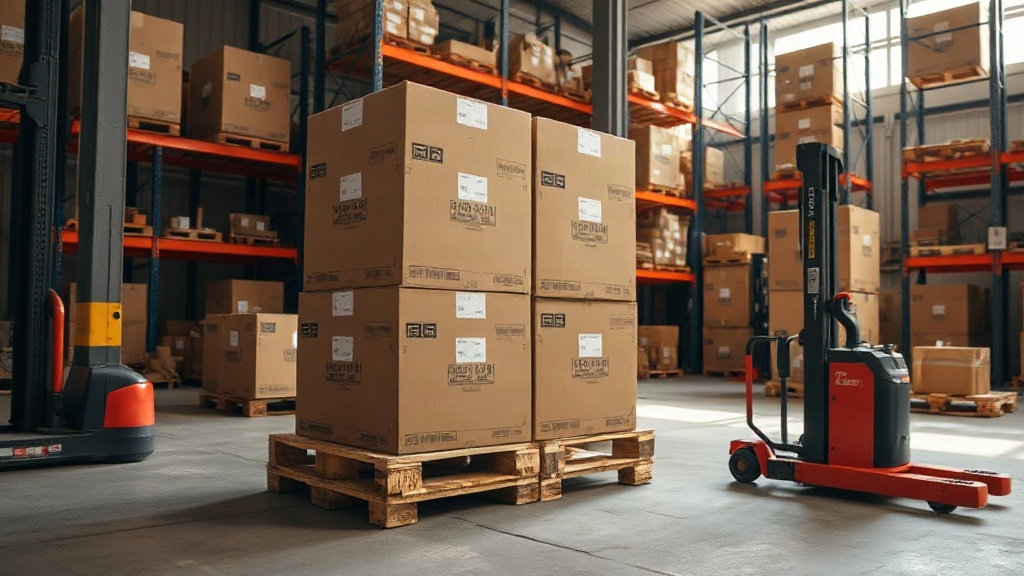
Air freight suits smaller, time-sensitive orders or initial test shipments where speed matters more than per-unit shipping cost. Sea freight becomes more economical as order volume grows, particularly for full or partial container loads, but requires longer lead-time planning and more upfront forecasting of demand. Many established B2B buyers use a hybrid approach: air freight for restocking fast-moving SKUs and sea freight for planned seasonal or bulk inventory builds.
How to Vet and Choose a Reliable Wholesale Perfume Supplier
Supplier selection is the single decision that most affects long-term outcomes in wholesale perfume sourcing. A reliable supplier should be able to provide clear documentation on product composition and safety compliance, consistent batch quality across repeat orders, transparent MOQ and pricing tiers, and responsive communication throughout the sampling, ordering, and shipping stages. Asking for references from other B2B clients, particularly ones operating in a similar market or region, is a reasonable and common request at this stage.
It is also worth evaluating a supplier's catalog breadth and flexibility. A supplier that can support a retailer's full assortment strategy — from accessible everyday formats to niche perfume collections for customers seeking something distinctive — reduces the need to manage multiple vendor relationships and simplifies quality control, invoicing, and logistics into a single ongoing account. Long-term partnerships built on this kind of breadth tend to produce better pricing and priority handling during high-demand periods than transactional, one-time purchases.
Red Flags to Watch For
Buyers should be cautious of suppliers unwilling to provide samples before a full order, vague or shifting MOQ terms, an inability to produce compliance documentation, or pricing that seems inconsistent with the stated formulation and packaging quality. Any of these signals warrants further due diligence before committing working capital to a first order.
Building a Wholesale Perfume Assortment That Sells
Once a sourcing relationship is established, assortment planning becomes the next priority. A balanced wholesale catalog typically mixes dependable, broadly appealing fragrances with a smaller share of more distinctive options that help a retailer stand out. Stocking niche perfume collections alongside more familiar profiles gives customers a reason to choose a retailer over a generic marketplace listing, since niche lines are harder to find and often carry a stronger story around ingredients and origin.
Bottle format also plays a role in assortment strategy. Smaller formats work well for trial-focused customers, travel retail, or lower price-point entry into a brand, while larger bottles suit core, repeat-purchase customers who have already committed to a scent. Reviewing both a 38ml perfume format and a 50ml perfume option side by side lets a buyer match format to the customer segment they are targeting, rather than defaulting to a single size across the whole catalog. Perfume gift sets round out the assortment further, giving retailers a ready-made offer for corporate gifting, holiday promotions, and multi-item bundles that increase average order value without requiring new product development.

Frequently Asked Questions
What is the difference between buying perfume wholesale and buying it retail?
Wholesale purchasing involves buying in bulk directly from a manufacturer or authorized distributor at tiered, volume-based pricing, intended for resale. Retail purchasing is a single-unit transaction at a fixed shelf price intended for personal use. Wholesale buyers also take on responsibilities retail buyers do not, such as arranging shipping, clearing customs, and managing inventory.
What is a typical minimum order quantity for wholesale perfume?
MOQs vary by supplier and depend on factors such as formulation type, packaging customization, and whether the product is held in stock or manufactured to order. Rather than assuming a standard figure, buyers should request MOQ terms directly from each supplier and clarify whether it applies per SKU, per order, or across a mixed selection of products.
How do I estimate the true cost of importing wholesale perfume?
Start with the wholesale unit price, then add freight, insurance, customs duty, any applicable taxes, and inbound handling to arrive at the landed cost. This landed cost, not the wholesale quote alone, is the number that should inform resale pricing and margin planning.
How can I verify that a wholesale perfume supplier is reliable?
Request product samples before committing to a full order, ask for compliance and safety documentation, review pricing transparency across quantity tiers, and where possible request references from other B2B buyers. Consistent communication and clear documentation throughout the sampling and ordering process are strong indicators of a dependable partner.